
Brand Identity DesignAxel Oliva
The strategic process of creating a brand involves the following steps:
Research and Analysis: Conducting market research and analyzing data to gain insights into the target audience, competition, industry trends, and other relevant factors.
Brand Strategy: Developing a clear brand strategy that outlines the brand's mission, vision, values, and unique selling proposition.
Moodboard: A collection of images, textures, typography that captures the overall look and feel of the brand. It is a design tool that helps to communicate the brand's personality, values, and aesthetic direction in a clear and compelling way.
Brand Identity: Creating a visual identity that includes a logo, color palette, typography, and other design elements that are consistent with the brand strategy.
Brand Guidelines: Developing comprehensive guidelines that provide direction on how the brand should be used across various touchpoints, such as websites, social media, packaging, and advertising.
Implementation: Executing the brand strategy across all relevant touchpoints, and continuously monitoring and refining the brand as needed.
What's included
Discovery Session
In this first step, we'll conduct a comprehensive exploration of your brand.
In this meeting we define:
🔵 The scope of the project
🔵 Define goals
🔵 Pinpoint challenges
🔵 Identify customers
🔵 Define brand attributes
Moodboard
The purpose of a Moodboard is to provide a visual reference point for the design team and clients to ensure that everyone is aligned on the direction of the brand.
It can be used as a starting point for further design exploration and development of brand assets such as logos, websites, and marketing collateral.
Branding Guidelines:
This document outlines your brand's visual and messaging standards, ensuring consistency across all platforms.
Visual Identity Design:
We'll create a unique visual identity system that reflects your brand's personality, including logo design, color palette, typography, and brand assets.
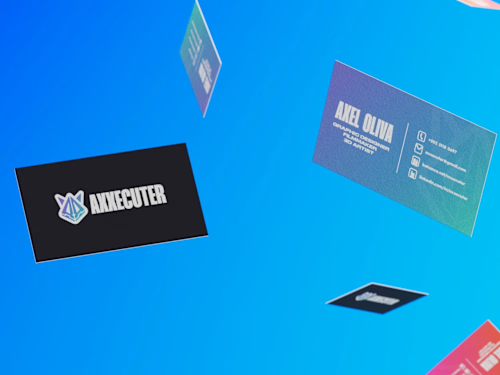
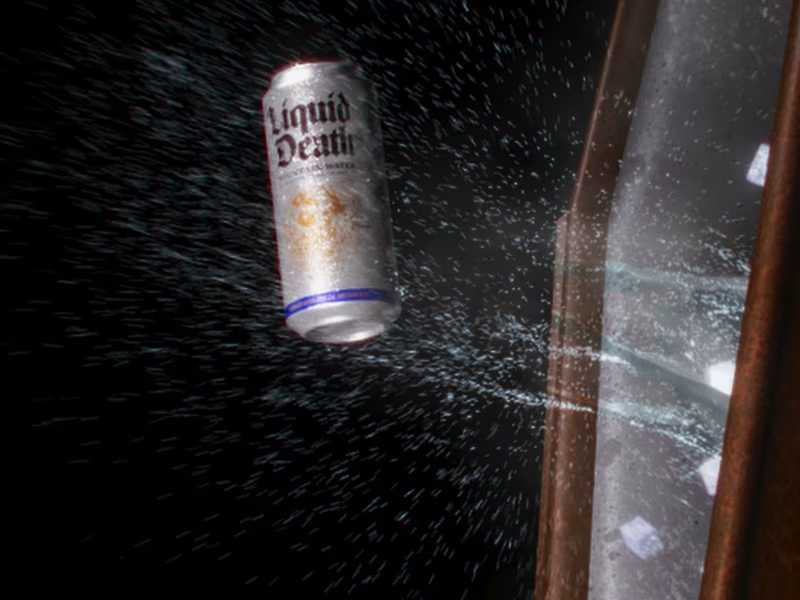
Example work
Starting at$2,000
Tags
Adobe After Effects

Adobe Illustrator

Adobe Photoshop

Adobe Premiere Pro

Adobe XD

Brand Designer
Brand Strategist
Logo Designer
Service provided by
Axel Oliva Guatemala
- $1k+
- Earned
- 1
- Paid projects
- 5.00
- Rating
- 17
- Followers
Brand Identity DesignAxel Oliva
Starting at$2,000
Tags
Adobe After Effects
Adobe Illustrator
Adobe Photoshop
Adobe Premiere Pro
Adobe XD
Brand Designer
Brand Strategist
Logo Designer
The strategic process of creating a brand involves the following steps:
Research and Analysis: Conducting market research and analyzing data to gain insights into the target audience, competition, industry trends, and other relevant factors.
Brand Strategy: Developing a clear brand strategy that outlines the brand's mission, vision, values, and unique selling proposition.
Moodboard: A collection of images, textures, typography that captures the overall look and feel of the brand. It is a design tool that helps to communicate the brand's personality, values, and aesthetic direction in a clear and compelling way.
Brand Identity: Creating a visual identity that includes a logo, color palette, typography, and other design elements that are consistent with the brand strategy.
Brand Guidelines: Developing comprehensive guidelines that provide direction on how the brand should be used across various touchpoints, such as websites, social media, packaging, and advertising.
Implementation: Executing the brand strategy across all relevant touchpoints, and continuously monitoring and refining the brand as needed.
What's included
Discovery Session
In this first step, we'll conduct a comprehensive exploration of your brand.
In this meeting we define:
🔵 The scope of the project
🔵 Define goals
🔵 Pinpoint challenges
🔵 Identify customers
🔵 Define brand attributes
Moodboard
The purpose of a Moodboard is to provide a visual reference point for the design team and clients to ensure that everyone is aligned on the direction of the brand.
It can be used as a starting point for further design exploration and development of brand assets such as logos, websites, and marketing collateral.
Branding Guidelines:
This document outlines your brand's visual and messaging standards, ensuring consistency across all platforms.
Visual Identity Design:
We'll create a unique visual identity system that reflects your brand's personality, including logo design, color palette, typography, and brand assets.
Example work
$2,000