
Figma Website DesignMuskaan Arai
your online presence with our Figma website design service. We combine strategic thinking with Figma's advanced tools to craft visually captivating and user-friendly websites. Key features include:
Strategic Design:
Figma Expertise:
User-Centric Approach:
Responsive Design:
Design Systems:
Interactive Prototypes:
Client Collaboration:
Documentation and Handoff:
Comprehensive Presentation:
Source Files and Assets:
Why choose us:
Focused expertise in Figma's capabilities.
Collaborative approach tailored to your needs.
User-centric design for enhanced engagement.
What's included
Figma design
1. Figma Design Files:
- Well-organized Figma files encompassing the entire website design.
- Separate pages or frames for distinct sections like homepage, about, services, and contact.
2. High-Fidelity Mockups:
- Detailed high-fidelity mockups exhibiting the final visual design of each webpage.
- Consistent application of brand colors, typography, and imagery.
3. Interactive Prototypes:
- Prototypes showcasing user flow and navigation, demonstrating website interactions.
- Utilization of Figma's prototyping features to simulate user experience.
4. Responsive Design:
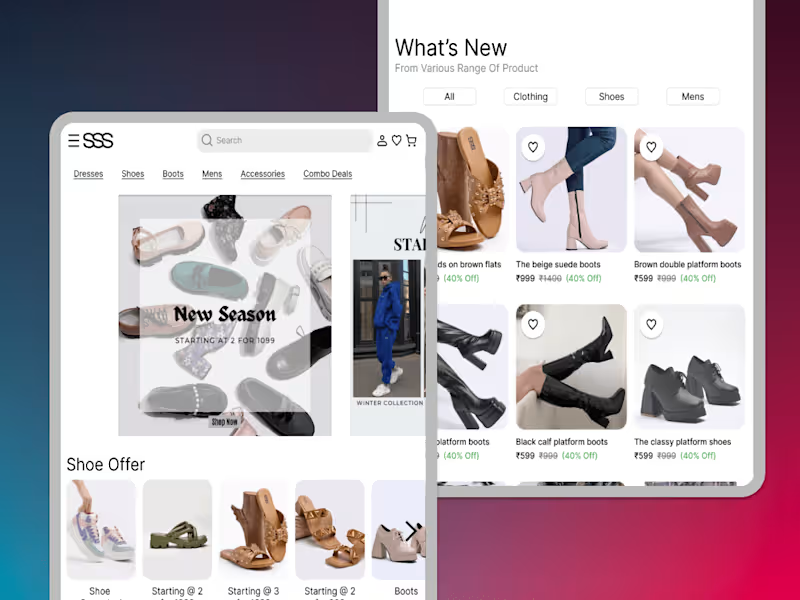
- Designs tailored for desktop, tablet, and mobile screens.
- Ensured responsiveness for a seamless user experience across various devices.
5. Design System Components:
- Creation of a design system with reusable components like buttons, forms, headers, and footers.
- Component libraries for easy replication and maintenance.
6. Design Handoff Documentation:
- Detailed annotations and specifications to facilitate smooth handoff to developers.
- Utilization of Figma's design handoff features or additional documentation for clarity.
7. Collaborative Feedback Integration:
- Incorporation of client feedback received throughout the design process.
- Collaboration channels for ongoing discussions and revisions.
8. Final Design Presentation:
- A comprehensive presentation summarizing design choices, rationale, and key features.
- Walkthrough of the interactive prototypes to showcase the envisioned user experience.
9. Source Files and Assets:
- Delivery of all source files, including images, icons, and other assets used in the design.
- Organized file structure for easy access and reference.
10. Revisions and Final Approval:
- Provision for a specified number of revisions based on the project agreement.
- Client's final approval before concluding the design phase.
Muskaan's other services
Starting at$700
Duration2 weeks
Tags
Figma

Framer

UX Designer
Web Designer
Service provided by
Muskaan Arai Mumbai, India
Figma Website DesignMuskaan Arai
Starting at$700
Duration2 weeks
Tags
Figma
Framer
UX Designer
Web Designer
your online presence with our Figma website design service. We combine strategic thinking with Figma's advanced tools to craft visually captivating and user-friendly websites. Key features include:
Strategic Design:
Figma Expertise:
User-Centric Approach:
Responsive Design:
Design Systems:
Interactive Prototypes:
Client Collaboration:
Documentation and Handoff:
Comprehensive Presentation:
Source Files and Assets:
Why choose us:
Focused expertise in Figma's capabilities.
Collaborative approach tailored to your needs.
User-centric design for enhanced engagement.
What's included
Figma design
1. Figma Design Files:
- Well-organized Figma files encompassing the entire website design.
- Separate pages or frames for distinct sections like homepage, about, services, and contact.
2. High-Fidelity Mockups:
- Detailed high-fidelity mockups exhibiting the final visual design of each webpage.
- Consistent application of brand colors, typography, and imagery.
3. Interactive Prototypes:
- Prototypes showcasing user flow and navigation, demonstrating website interactions.
- Utilization of Figma's prototyping features to simulate user experience.
4. Responsive Design:
- Designs tailored for desktop, tablet, and mobile screens.
- Ensured responsiveness for a seamless user experience across various devices.
5. Design System Components:
- Creation of a design system with reusable components like buttons, forms, headers, and footers.
- Component libraries for easy replication and maintenance.
6. Design Handoff Documentation:
- Detailed annotations and specifications to facilitate smooth handoff to developers.
- Utilization of Figma's design handoff features or additional documentation for clarity.
7. Collaborative Feedback Integration:
- Incorporation of client feedback received throughout the design process.
- Collaboration channels for ongoing discussions and revisions.
8. Final Design Presentation:
- A comprehensive presentation summarizing design choices, rationale, and key features.
- Walkthrough of the interactive prototypes to showcase the envisioned user experience.
9. Source Files and Assets:
- Delivery of all source files, including images, icons, and other assets used in the design.
- Organized file structure for easy access and reference.
10. Revisions and Final Approval:
- Provision for a specified number of revisions based on the project agreement.
- Client's final approval before concluding the design phase.
Muskaan's other services
$700