
Web WizardryDario Jankowski
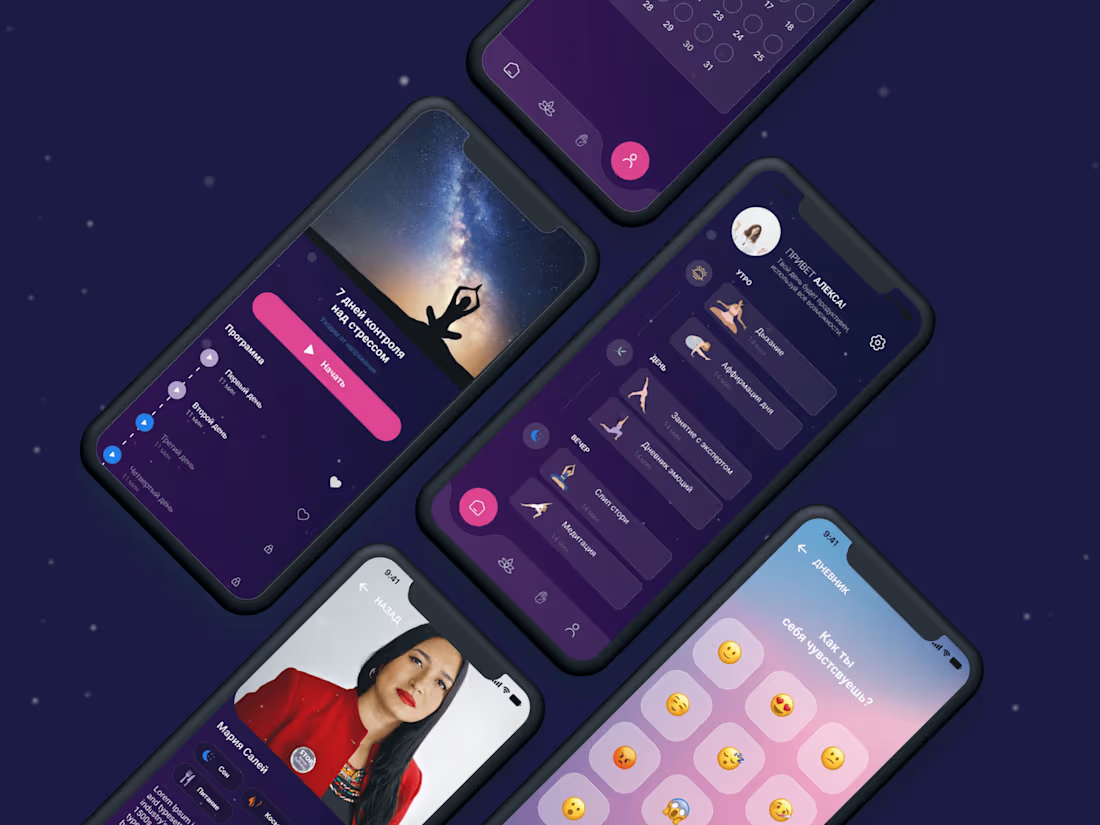
As a graphic designer, I offer a blend of creative expertise and strategic design to visually elevate your brand. My unique approach involves crafting compelling visuals that seamlessly integrate with your brand identity, ensuring a lasting impact across print, digital, and marketing materials. Let's collaborate to transform your ideas into visually stunning and memorable designs that captivate your audience.
What's included
Graphic design
1. Logo Design: A unique and recognizable logo that represents the brand or business.
2. Branding Elements: Consistent use of colors, fonts, and visual elements to establish a cohesive brand identity.
3. Print Materials: Design of print collateral such as business cards, letterheads, brochures, and posters.
4. Digital Graphics: Creation of graphics for online use, including social media images, banners, and promotional materials.
5. Website Graphics: Design elements for websites, including headers, icons, and other visual assets.
6. Marketing Materials: Visuals for marketing campaigns, such as digital ads, email templates, and promotional materials.
7. Packaging Design: If applicable, the design of product packaging that is visually appealing and aligns with the brand.
8. Illustrations and Icons: Custom illustrations or icons that enhance the overall design and messaging.
9. Infographics: Visual representation of data or information for easy consumption and understanding.
10. Style Guide: A comprehensive document outlining the design guidelines and specifications to maintain consistency across various platforms.
11. Source Files: Providing editable source files (e.g., PSD, AI) for future use or modifications.
12. Mockups and Prototypes: Depending on the project, the designer might provide mockups or prototypes to visualize the final product.
13. Revisions: A reasonable number of revision rounds to ensure the client's satisfaction with the final designs.
14. Final Design Files: High-resolution files ready for use in various formats and sizes.
Dario's other services
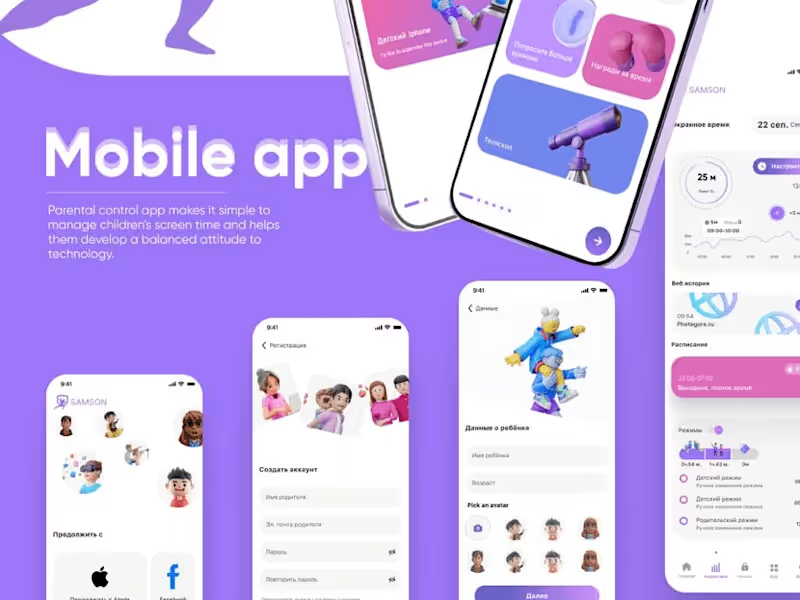
Contact for pricing
Tags
Adobe Illustrator

Adobe InDesign

Blender

Procreate

Zbrush

Graphic Designer
UX Designer
Web Designer
Service provided by
Dario Jankowski England, UK
Web WizardryDario Jankowski
Contact for pricing
Tags
Adobe Illustrator
Adobe InDesign
Blender
Procreate
Zbrush
Graphic Designer
UX Designer
Web Designer
As a graphic designer, I offer a blend of creative expertise and strategic design to visually elevate your brand. My unique approach involves crafting compelling visuals that seamlessly integrate with your brand identity, ensuring a lasting impact across print, digital, and marketing materials. Let's collaborate to transform your ideas into visually stunning and memorable designs that captivate your audience.
What's included
Graphic design
1. Logo Design: A unique and recognizable logo that represents the brand or business.
2. Branding Elements: Consistent use of colors, fonts, and visual elements to establish a cohesive brand identity.
3. Print Materials: Design of print collateral such as business cards, letterheads, brochures, and posters.
4. Digital Graphics: Creation of graphics for online use, including social media images, banners, and promotional materials.
5. Website Graphics: Design elements for websites, including headers, icons, and other visual assets.
6. Marketing Materials: Visuals for marketing campaigns, such as digital ads, email templates, and promotional materials.
7. Packaging Design: If applicable, the design of product packaging that is visually appealing and aligns with the brand.
8. Illustrations and Icons: Custom illustrations or icons that enhance the overall design and messaging.
9. Infographics: Visual representation of data or information for easy consumption and understanding.
10. Style Guide: A comprehensive document outlining the design guidelines and specifications to maintain consistency across various platforms.
11. Source Files: Providing editable source files (e.g., PSD, AI) for future use or modifications.
12. Mockups and Prototypes: Depending on the project, the designer might provide mockups or prototypes to visualize the final product.
13. Revisions: A reasonable number of revision rounds to ensure the client's satisfaction with the final designs.
14. Final Design Files: High-resolution files ready for use in various formats and sizes.
Dario's other services
Contact for pricing