
UI/UX Designer Prashakha bhardwaj

As a UI/UX designer, I offer innovative and user-centered design solutions tailored to enhance the digital experiences of your target audience. My unique approach combines deep empathy for users with a keen understanding of business objectives, ensuring that every design decision aligns with both user needs and organizational goals. By seamlessly integrating creativity, empathy, and strategic thinking, I create interfaces that not only look visually appealing but also deliver intuitive and memorable experiences that drive user engagement and satisfaction.
What's included
Interface Design, Blueprint Interactive, Wireframes, User-Centric Prototypes, Visual Design Compositions, User Experience Roadmap, UI Style Guide Documentation, Design System Components, User Journey Maps, Interaction Design Specifications, Usability Testing Reports
Interface Design Blueprint: Detailed plans outlining the structure, layout, and visual elements of the user interface.
Interactive Wireframes: Low-fidelity representations of the interface, showing the basic layout and functionality without detailed design elements.
User-Centric Prototypes: Interactive models of the interface that simulate user interactions, allowing stakeholders to test and provide feedback on usability.
Visual Design Compositions: High-fidelity mockups that integrate visual elements such as colors, typography, and imagery into the interface design.
User Experience Roadmap: A strategic document outlining the planned improvements and enhancements to the user experience over time.
UI Style Guide Documentation: A comprehensive guide detailing the design principles, visual standards, and usage guidelines for UI elements.
Design System Components: Reusable UI elements and patterns organized into a cohesive system, promoting consistency and efficiency in design and development.
User Journey Maps: Visual representations of the user's interactions with the product or service, highlighting key touchpoints and user emotions throughout the experience.
Interaction Design Specifications: Detailed instructions and annotations describing how users interact with specific UI elements and controls.
Usability Testing Reports: Summaries of usability testing sessions, including insights, observations, and recommendations for improving the user experience based on user feedback and behavior.
FAQs
Prashakha's other services
Starting at$200
Duration1 week
Tags
Adobe XD

Axure

Balsamiq

Figma

Webflow

UX Designer
Web Designer
Web Developer
Service provided by
Prashakha bhardwaj Noida, India
UI/UX Designer Prashakha bhardwaj
Starting at$200
Duration1 week
Tags
Adobe XD
Axure
Balsamiq
Figma
Webflow
UX Designer
Web Designer
Web Developer
As a UI/UX designer, I offer innovative and user-centered design solutions tailored to enhance the digital experiences of your target audience. My unique approach combines deep empathy for users with a keen understanding of business objectives, ensuring that every design decision aligns with both user needs and organizational goals. By seamlessly integrating creativity, empathy, and strategic thinking, I create interfaces that not only look visually appealing but also deliver intuitive and memorable experiences that drive user engagement and satisfaction.
What's included
Interface Design, Blueprint Interactive, Wireframes, User-Centric Prototypes, Visual Design Compositions, User Experience Roadmap, UI Style Guide Documentation, Design System Components, User Journey Maps, Interaction Design Specifications, Usability Testing Reports
Interface Design Blueprint: Detailed plans outlining the structure, layout, and visual elements of the user interface.
Interactive Wireframes: Low-fidelity representations of the interface, showing the basic layout and functionality without detailed design elements.
User-Centric Prototypes: Interactive models of the interface that simulate user interactions, allowing stakeholders to test and provide feedback on usability.
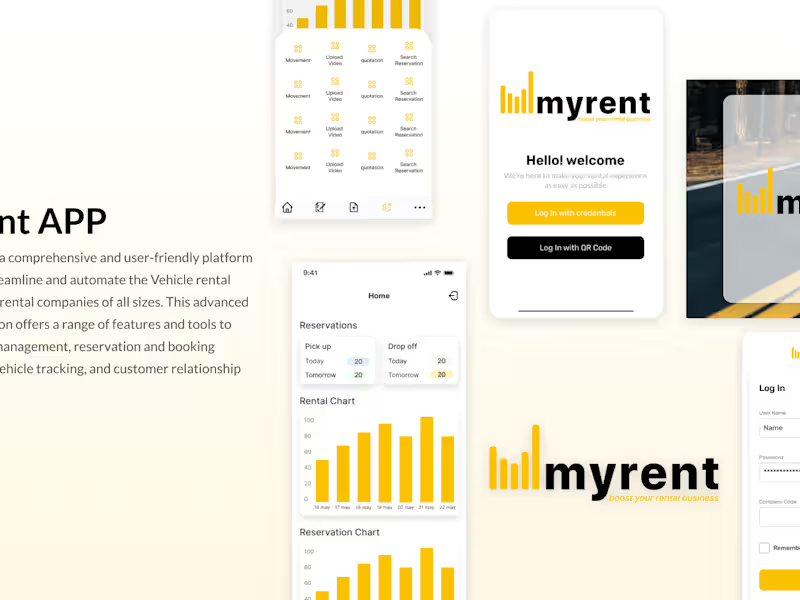
Visual Design Compositions: High-fidelity mockups that integrate visual elements such as colors, typography, and imagery into the interface design.
User Experience Roadmap: A strategic document outlining the planned improvements and enhancements to the user experience over time.
UI Style Guide Documentation: A comprehensive guide detailing the design principles, visual standards, and usage guidelines for UI elements.
Design System Components: Reusable UI elements and patterns organized into a cohesive system, promoting consistency and efficiency in design and development.
User Journey Maps: Visual representations of the user's interactions with the product or service, highlighting key touchpoints and user emotions throughout the experience.
Interaction Design Specifications: Detailed instructions and annotations describing how users interact with specific UI elements and controls.
Usability Testing Reports: Summaries of usability testing sessions, including insights, observations, and recommendations for improving the user experience based on user feedback and behavior.
FAQs
Prashakha's other services
$200