
MVP Sprint - Design & Build a Working ProductSurya A
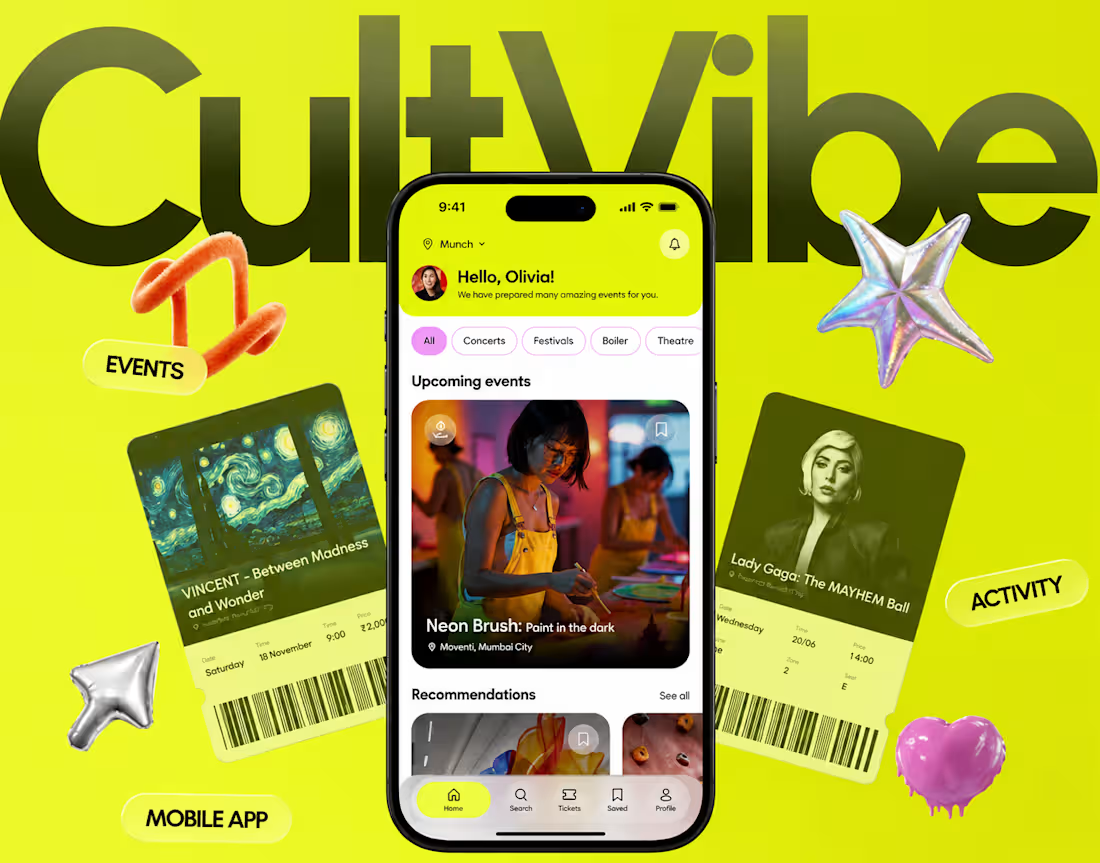
Idea to working product in four weeks. Designed and built by one person.
Not a clickable prototype. Not a pitch deck. A deployed application with a database, authentication, and functioning features real users can sign up for.
This is the fastest path from concept to something you can put in front of users or investors, because there's no coordination cost between design and engineering. Same person, both sets of decisions.
What gets built
Scoping — We cut the idea down to the smallest version that still proves the thesis. Most valuable part of the sprint and the part most founders skip. Nearly every failed MVP failed trying to be version three.
Product design — Core flows and screens in Figma, plus enough of a design system to stay consistent as features get added.
Full-stack build — React, Next.js, TypeScript on the front. Supabase or Postgres for data and auth. Deployed on Vercel.
AI features where they matter — Real LLM integration with proper prompting and error handling, not a demo that breaks on the second input.
Payments — Stripe integration if you're charging from day one.
Handoff — Full repo access, documented setup, walkthrough with your team or your next engineer.
How the four weeks run
Week 1 — Scope, flows, architecture. You approve what's in and what's explicitly out.
Week 2 — Core screens designed, foundational build underway.
Week 3 — Features built out. A working staging link you can use, not screenshots.
Week 4 — Polish, edge cases, deploy, handoff.
Something functional at the end of every week. If we're going wrong you'll know in week two, not week four.
What I've built this way
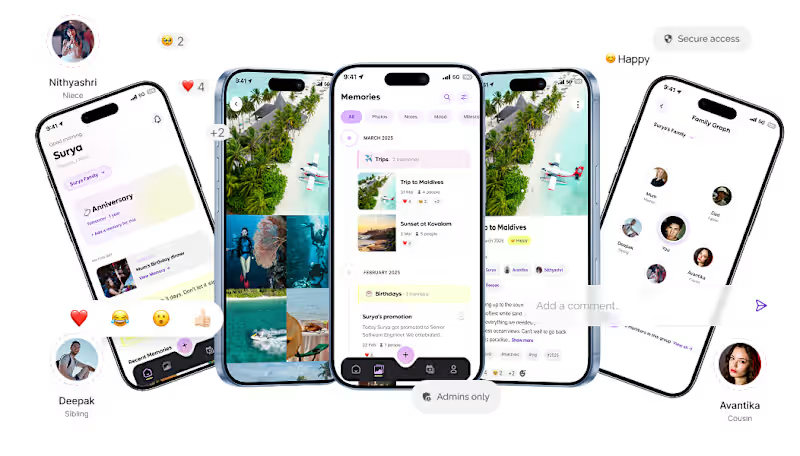
A digital legacy platform with voice notes, scheduled delivery, and an AI story interviewer. A browser-based 3D sculpting tool controlled by webcam hand gestures. A personalized year-in-review generator with six three.js environments. A World Cup AI agent on Cloud Run with a Next.js dashboard. All solo, all shipped.
Honest scope note
Four weeks buys one focused product with a handful of core features done properly. It doesn't buy a marketplace with three user types, a payments ledger, and an admin panel. If your idea is bigger than the sprint, I'll say so during scoping rather than four weeks in.
FAQs
Contact for pricing
Duration4 weeks
Tags
Adobe Suite

Claude

Figma

Fullstack Engineer
Product Designer
Service provided by
Surya A Chennai, India
- $1k+
- Earned
- 11
- Followers
MVP Sprint - Design & Build a Working ProductSurya A
Contact for pricing
Duration4 weeks
Tags
Adobe Suite
Claude
Figma
Fullstack Engineer
Product Designer
Idea to working product in four weeks. Designed and built by one person.
Not a clickable prototype. Not a pitch deck. A deployed application with a database, authentication, and functioning features real users can sign up for.
This is the fastest path from concept to something you can put in front of users or investors, because there's no coordination cost between design and engineering. Same person, both sets of decisions.
What gets built
Scoping — We cut the idea down to the smallest version that still proves the thesis. Most valuable part of the sprint and the part most founders skip. Nearly every failed MVP failed trying to be version three.
Product design — Core flows and screens in Figma, plus enough of a design system to stay consistent as features get added.
Full-stack build — React, Next.js, TypeScript on the front. Supabase or Postgres for data and auth. Deployed on Vercel.
AI features where they matter — Real LLM integration with proper prompting and error handling, not a demo that breaks on the second input.
Payments — Stripe integration if you're charging from day one.
Handoff — Full repo access, documented setup, walkthrough with your team or your next engineer.
How the four weeks run
Week 1 — Scope, flows, architecture. You approve what's in and what's explicitly out.
Week 2 — Core screens designed, foundational build underway.
Week 3 — Features built out. A working staging link you can use, not screenshots.
Week 4 — Polish, edge cases, deploy, handoff.
Something functional at the end of every week. If we're going wrong you'll know in week two, not week four.
What I've built this way
A digital legacy platform with voice notes, scheduled delivery, and an AI story interviewer. A browser-based 3D sculpting tool controlled by webcam hand gestures. A personalized year-in-review generator with six three.js environments. A World Cup AI agent on Cloud Run with a Next.js dashboard. All solo, all shipped.
Honest scope note
Four weeks buys one focused product with a handful of core features done properly. It doesn't buy a marketplace with three user types, a payments ledger, and an admin panel. If your idea is bigger than the sprint, I'll say so during scoping rather than four weeks in.
FAQs
Contact for pricing