
Product Design Sprint — One Core FlowAliaksandr Arekhva
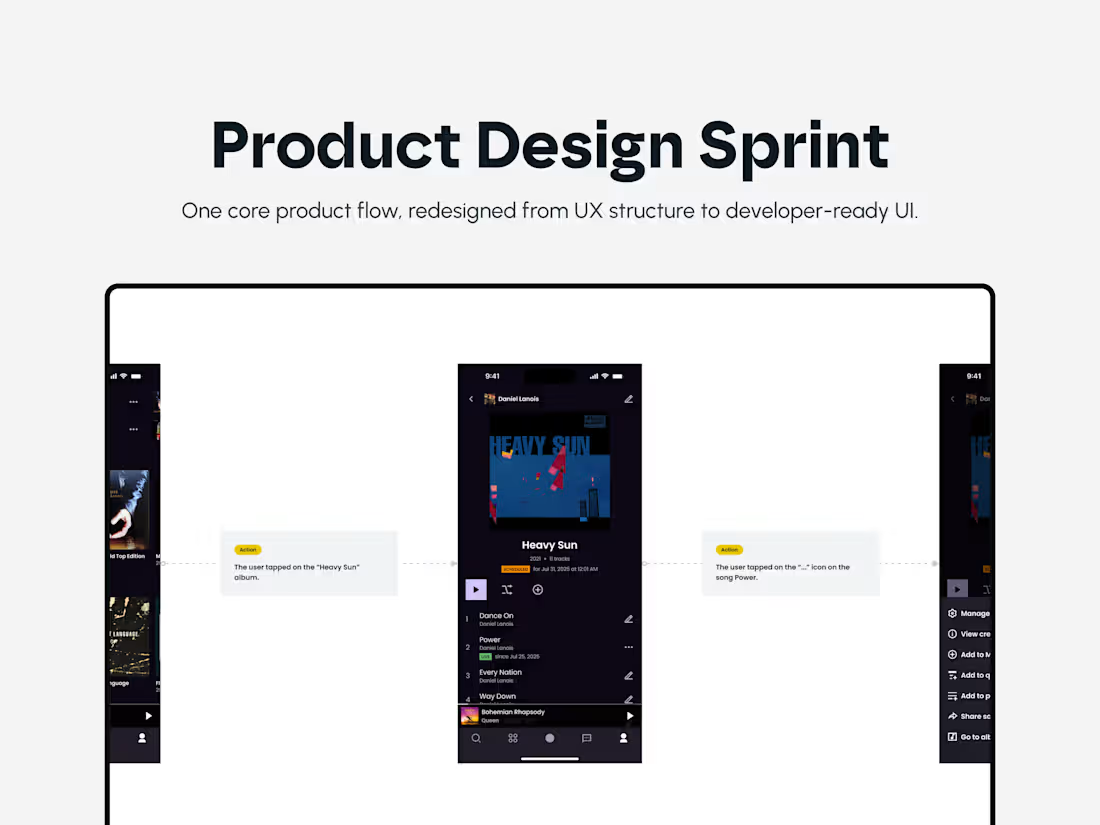
Have one important product flow that needs to work better?
In a focused two-week sprint, I will transform a single core flow or a tightly connected workflow from its current state into a developer-ready UX and UI. We will prioritize essential structure, interactions, states, and key decisions.
This works well for flows such as onboarding, checkout, account setup, search and discovery, upload and publishing, subscriptions, and other critical product workflows.
What’s included
Review of the existing product, requirements, and relevant materials
Definition of the flow, goals, and constraints
User flow and information architecture where needed
UX and interaction design
Mid-sprint review to ensure alignment on direction
High-fidelity UI in Figma
Key states, edge cases, and important interactions
Interactive prototype where useful
Reusable components needed for the flow
Design notes and implementation details
Developer-ready Figma file
Final walkthrough of the solution
How the sprint works
1. Define
We define the problem, flow, constraints, and objectives for the solution.
2. Structure
I map the user journey, information hierarchy, interaction logic, and key states before refining the interface.
3. Review and design
We review the UX direction before I finalize the UI, interactions, and key edge cases.
4. Handoff
I prepare the Figma file, document key behaviors, and guide your team through the final solution.
This sprint works best for
Teams with a critical flow that requires redesign or clarification
Teams that understand the problem but need support translating it into a clear, actionable solution
Founders seeking to address a significant product area before committing to a larger engagement
What’s not included
The sprint addresses one core journey or tightly connected workflow, not multiple independent features or flows.
It does not include a comprehensive product redesign, new user research or participant recruitment, a full design system, or development. If a broader scope is required, we can define the next phase separately.
FAQs
Aliaksandr's other services
Starting at$2,000
Duration2 weeks
Tags
FigJam

Figma
Information Architecture
UX/UI Design
Interaction Designer
Product Designer
Prototyper
UX Designer
Service provided by
Aliaksandr Arekhva proWrocław, Poland
- $100k+
- Earned
- 2
- Paid projects
- 5.00
- Rating
- 120
- Followers
Product Design Sprint — One Core FlowAliaksandr Arekhva
Starting at$2,000
Duration2 weeks
Tags
FigJam
Figma
Information Architecture
UX/UI Design
Interaction Designer
Product Designer
Prototyper
UX Designer
Have one important product flow that needs to work better?
In a focused two-week sprint, I will transform a single core flow or a tightly connected workflow from its current state into a developer-ready UX and UI. We will prioritize essential structure, interactions, states, and key decisions.
This works well for flows such as onboarding, checkout, account setup, search and discovery, upload and publishing, subscriptions, and other critical product workflows.
What’s included
Review of the existing product, requirements, and relevant materials
Definition of the flow, goals, and constraints
User flow and information architecture where needed
UX and interaction design
Mid-sprint review to ensure alignment on direction
High-fidelity UI in Figma
Key states, edge cases, and important interactions
Interactive prototype where useful
Reusable components needed for the flow
Design notes and implementation details
Developer-ready Figma file
Final walkthrough of the solution
How the sprint works
1. Define
We define the problem, flow, constraints, and objectives for the solution.
2. Structure
I map the user journey, information hierarchy, interaction logic, and key states before refining the interface.
3. Review and design
We review the UX direction before I finalize the UI, interactions, and key edge cases.
4. Handoff
I prepare the Figma file, document key behaviors, and guide your team through the final solution.
This sprint works best for
Teams with a critical flow that requires redesign or clarification
Teams that understand the problem but need support translating it into a clear, actionable solution
Founders seeking to address a significant product area before committing to a larger engagement
What’s not included
The sprint addresses one core journey or tightly connected workflow, not multiple independent features or flows.
It does not include a comprehensive product redesign, new user research or participant recruitment, a full design system, or development. If a broader scope is required, we can define the next phase separately.
FAQs
Aliaksandr's other services
$2,000