motion graphic designer
motion graphic designer


View more →

Video Editor


My name is Mohamed Fawzi, I’m a pharmacist, translator,
My name is Mohamed Fawzi, I’m a pharmacist, translator,


View more →

Full-stack developer | Node.js, React, NextJs, Typescript
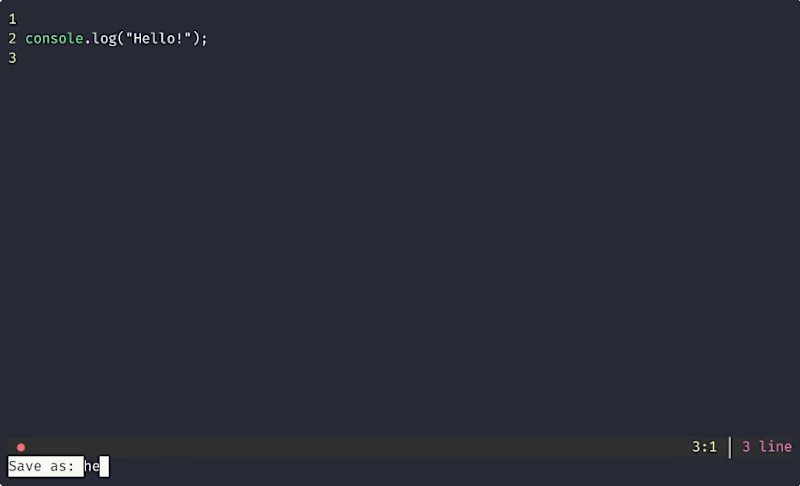
I’ve been building Tedi, a small terminal-based text editor written in Node.js and TypeScript.
It started as a side project to understand how editors handle raw terminal input, rendering, and file writing.
The goal is to keep the codebase simple, readable, and easy to extend . A place to learn from and experiment with.
It started as a way to understand how editors handle raw input, rendering, and file writing. Tedi uses a simple architecture and state management to keep the code easy to follow and extend. Right now it supports editing, search, undo/ redo, and saving files. It has a simple foundation that I plan to keep improving and expanding with new features.
I’d really appreciate any feedback or reviews, especially from developers experienced with Node.js, terminal applications, or text editors.
If you notice design issues, performance concerns, or architectural improvements, I’d love to hear them.
Contributions are welcome too if you’d like to help refine it or add new features.
0
99


KPI insights & dashboards that drive efficiency
KPI insights & dashboards that drive efficiency
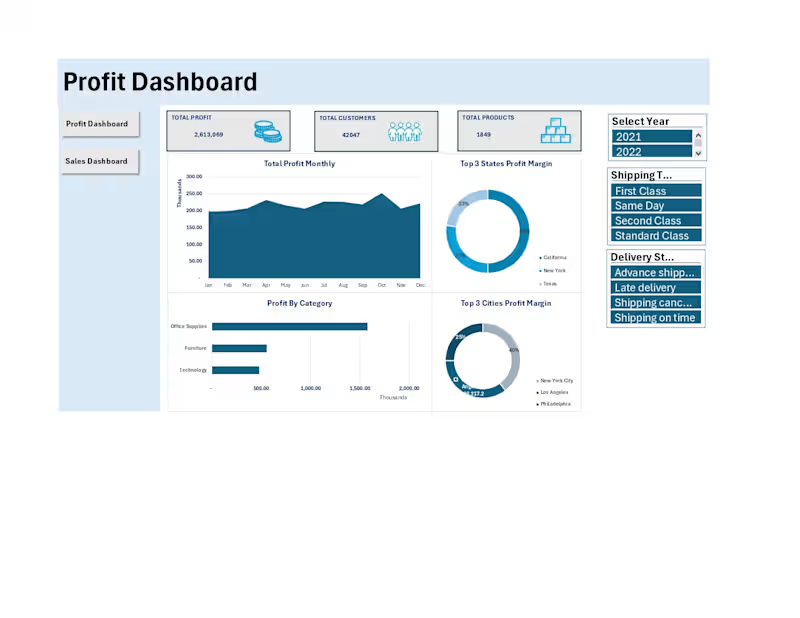
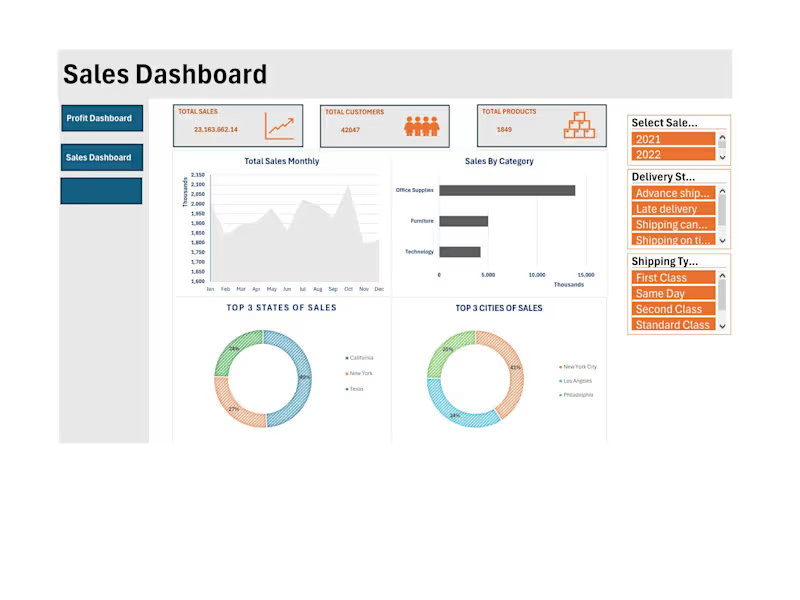
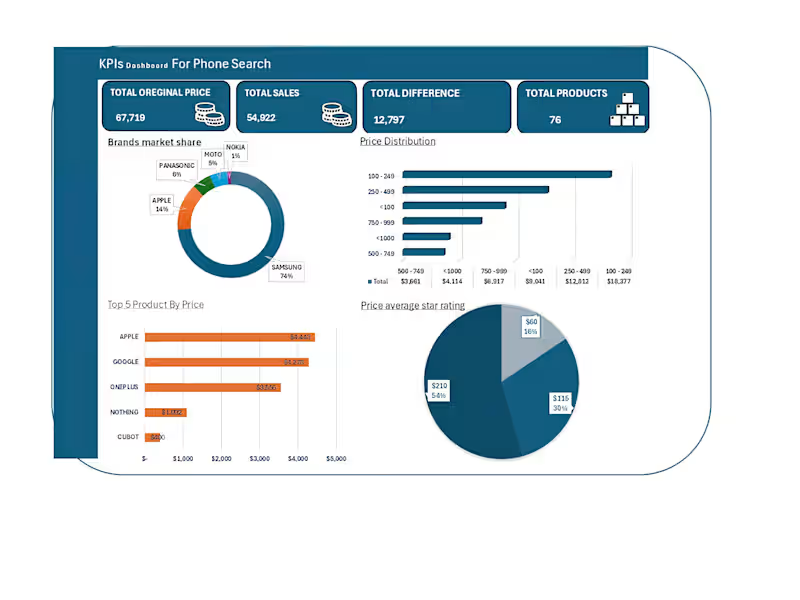
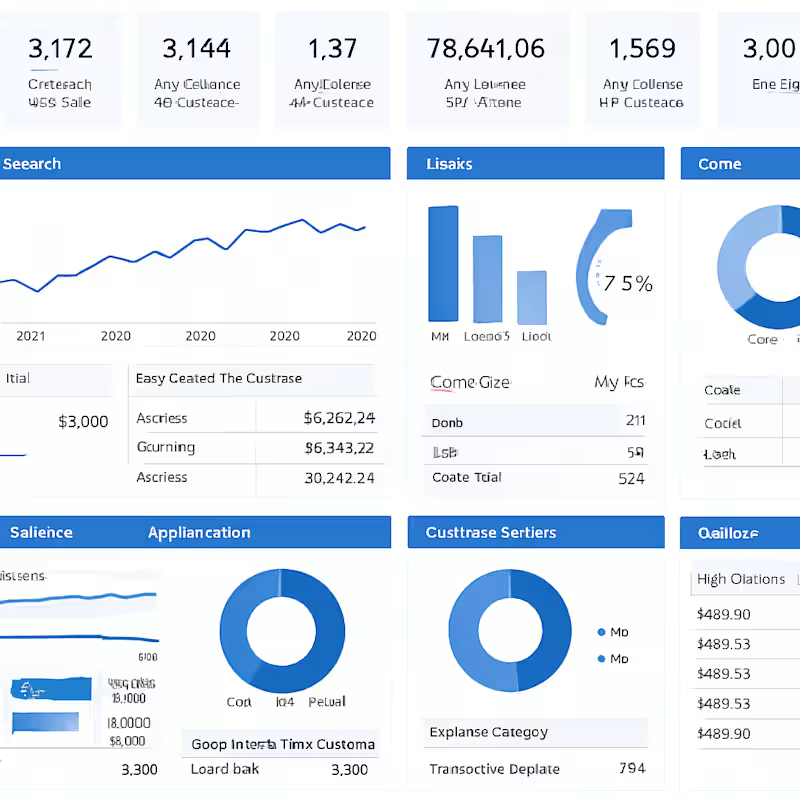
The project delivered a professional, multi-panel dashboard with line graphs, bar charts, and pie charts, enabling stakeholders to quickly assess growth, customer behavior, and operational efficiency. This visualization improved decision-making by providing clarity on sales performance, customer activity, and revenue consistency.
0
83

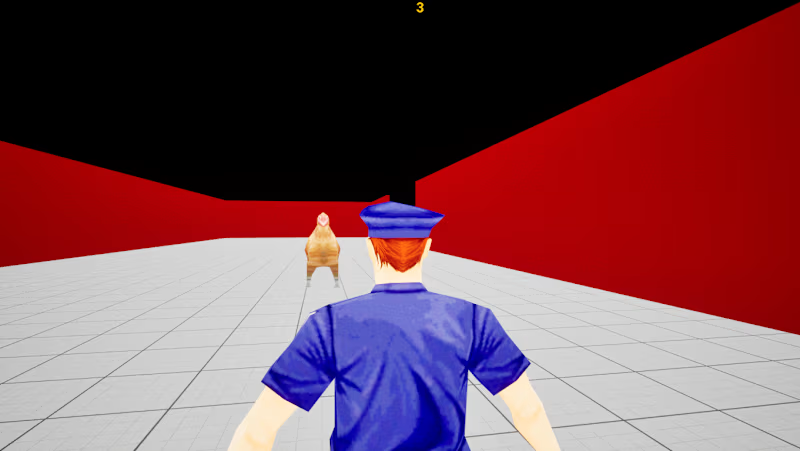
Unreal Engine Developer | Programmer
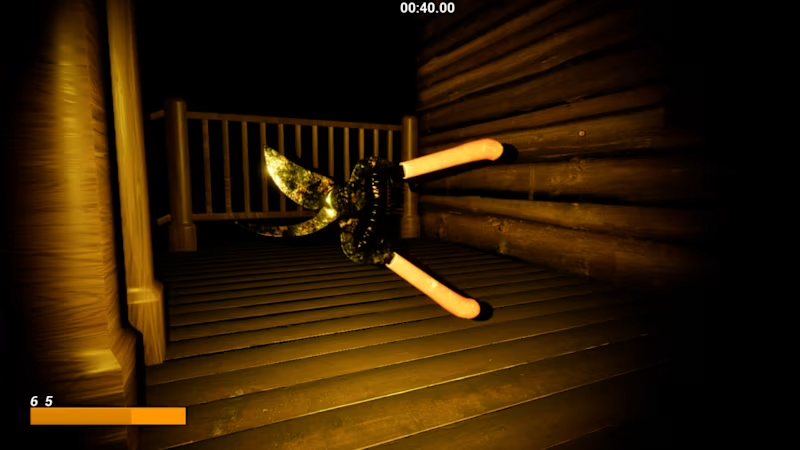
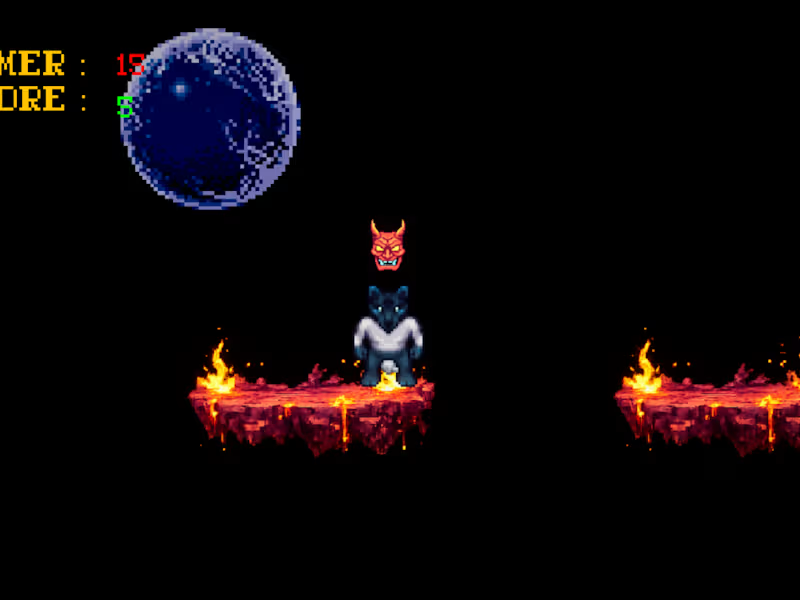
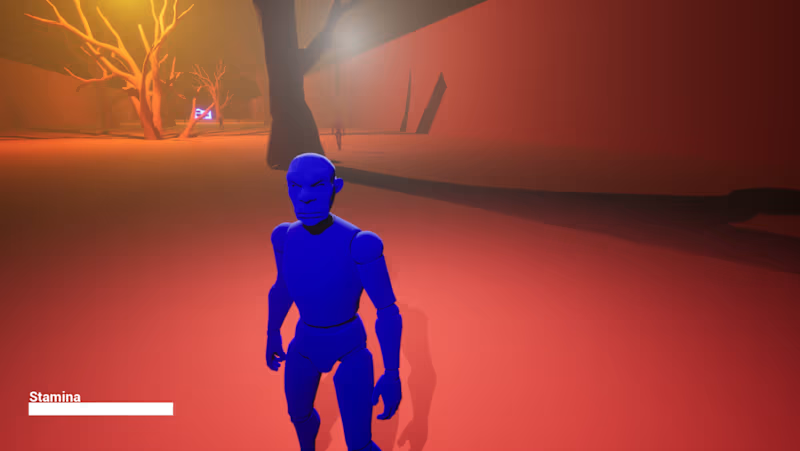

Here's Your 3D Generalist experienced in blender
New to Contra
Here's Your 3D Generalist experienced in blender
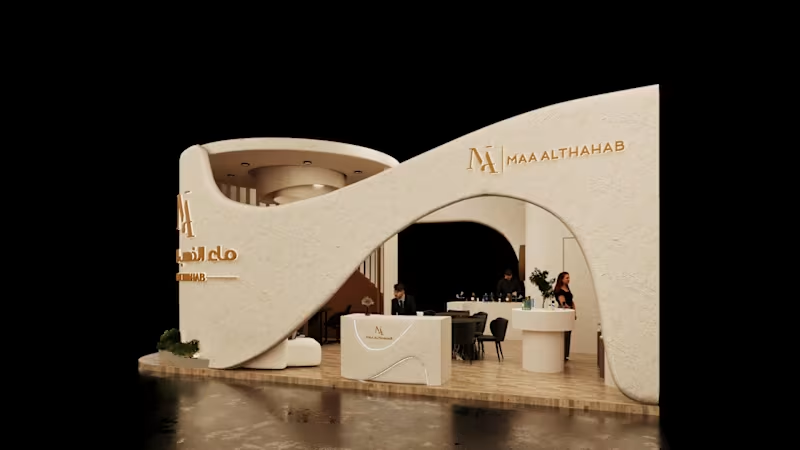
Working on the custom booth and visual direction for Maa Althahab was all about translating the brand's premium feel into a physical space clean lines, gold accents, and that sense of purity the brand is built on. I kicked things off in AutoCAD to nail down the technical layouts and blueprints, making sure every measurement, sightline, and visitor flow was spot-on before anything moved to production. From there, I moved over to Blender to build out the full 3D model and realistic previews. Playing with the lighting, materials, and product placement let me give the team a super clear picture of how the booth would actually feel in person from the illuminated brand wall to the way the signature gold reads under warm exhibition lighting. The final previews made sign-off fast: no surprises, no back-and-forth on "what will it look like" everyone saw the space before a single panel was cut.
0
37
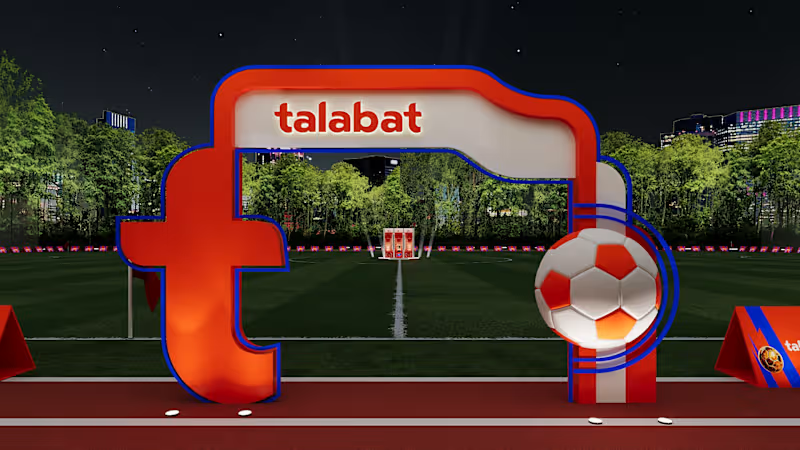
Working on the directional signage and custom booths for Talabat was all about making sure people could easily find their way around while keeping the brand's signature vibe front and center. I kicked things off in AutoCAD to nail down the technical layouts and blueprints, making sure every measurement was spot-on. From there, I moved over to Blender to build out 3D models and realistic previews. Playing with the lighting, materials, and overall flow let me give the team a super clear picture of what the final build would actually look like in person.
0
31

Senior Flutter & full-stack engineer | Apps, POS, Games
New to Contra
Senior Flutter & full-stack engineer | Apps, POS, Games