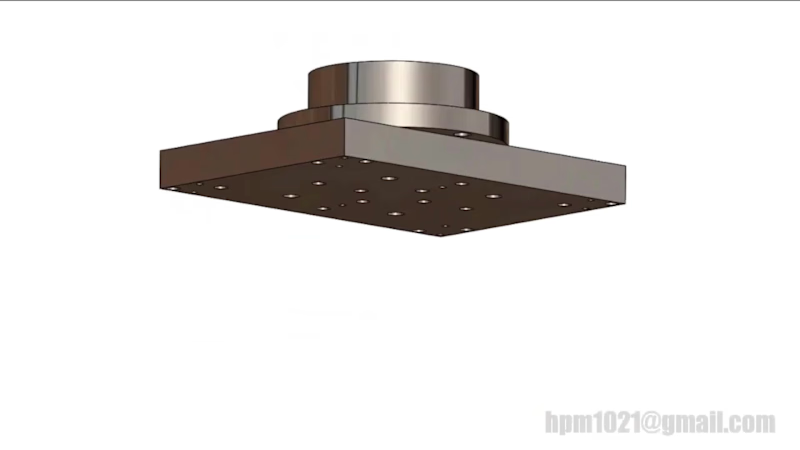
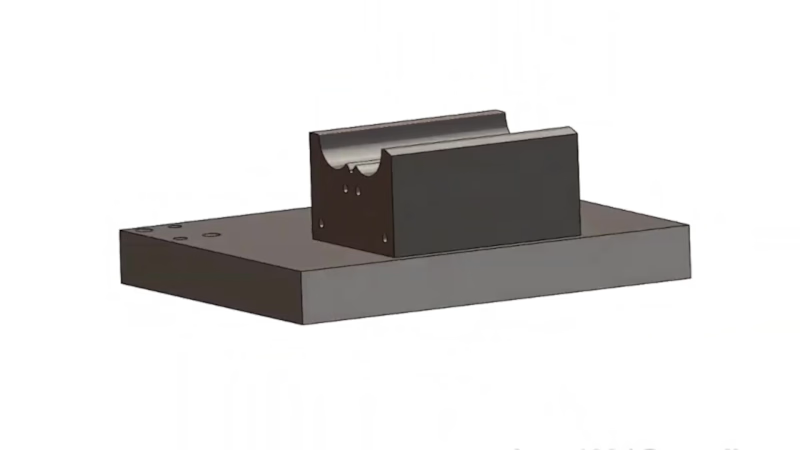
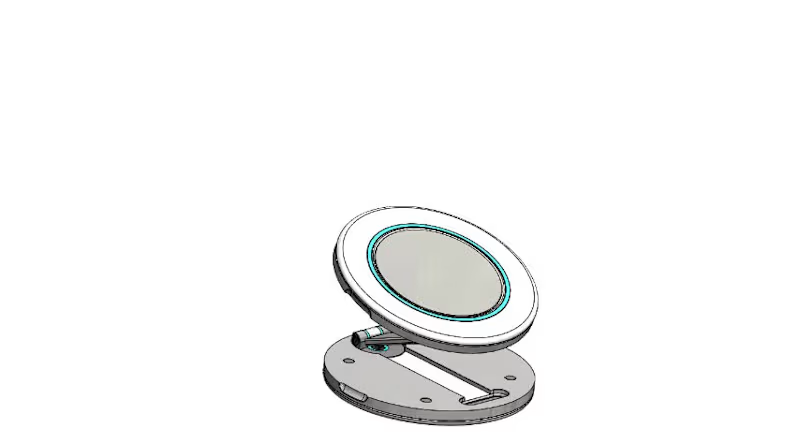
Form Design Projects in Tran BienForm Design Projects in Tran BienMany sheet metal components appear simple, but achieving stable production requires careful control of material flow, blank holding force, forming geometry, springback, and tooling design.
This project involved the complete development of a sheet metal forming system, from product development and forming strategy through tooling design, manufacturing, tryout, and production implementation.
As project lead, I was responsible for product engineering, process development, tooling design, manufacturing support, and production validation. The tooling combined blanking and forming operations within a single system to improve production efficiency while maintaining dimensional consistency and part quality.
The project required balancing manufacturability, tooling durability, production repeatability, and cost efficiency to ensure reliable mass production.
Projects like this are where product development, tooling engineering, and manufacturing execution come together. Many wire forming projects fail not because of the final geometry, but because of incorrect forming sequences, uncontrolled springback, tooling interference, or poor production repeatability.
This project involved the complete development of a wire forming die system, from product definition and forming strategy through tooling design, manufacturing, tryout, and production implementation.
As project lead, I developed the forming sequence, springback compensation strategy, tooling architecture, and manufacturing validation process to ensure the product could be produced consistently at volume rather than simply formed in simulation.
The result was a production-ready wire forming solution capable of transforming straight steel wire into a complex multi-bend component through a controlled single-cycle forming process.
Projects like this are where product development, tooling engineering, and manufacturing execution come together. Many stamping problems are not caused by the tool itself. They originate from forming behavior, material flow, springback, and process decisions made long before production starts.
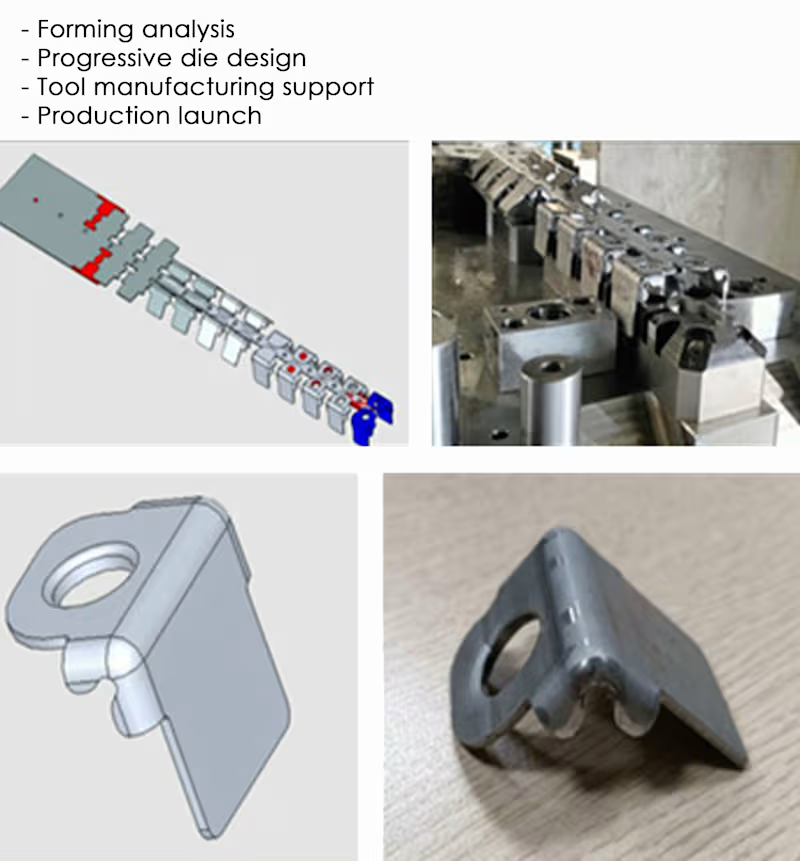
This project covered the complete development cycle of a progressive die system, including forming analysis, strip layout optimization, tooling development, manufacturing support, and production launch.
The objective was not simply to create a working die, but to reduce production risk, improve process stability, and achieve consistent part quality at volume.
Projects like this are where mechanical design, tooling engineering, and manufacturing reality come together.