Develop Apps & websites that make businesses grow faster.
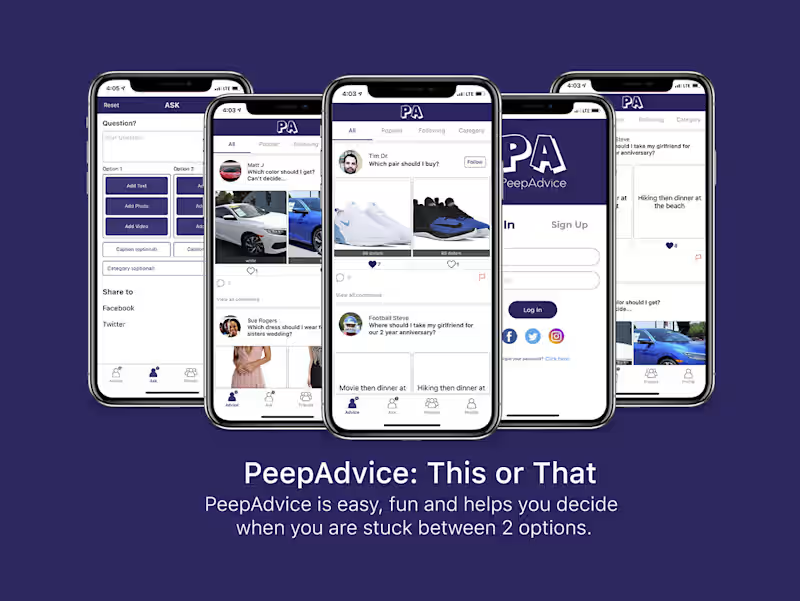
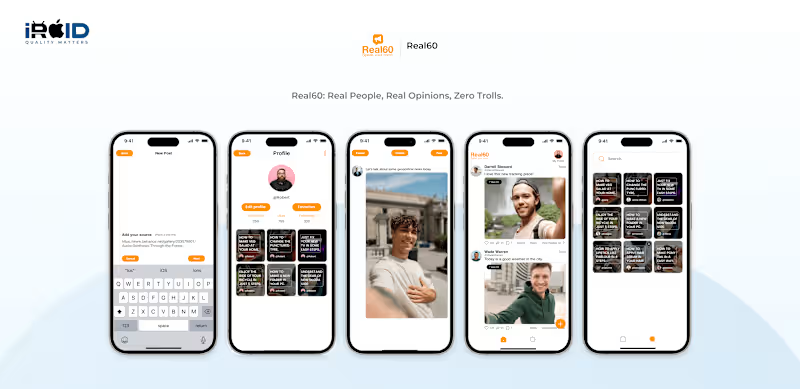
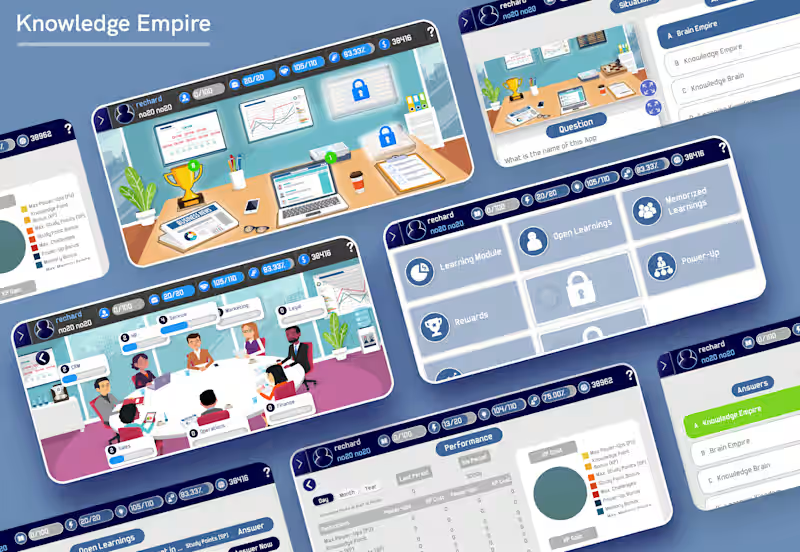
New to Contra, experienced in delivery. We're iRoid Solutions, and while this is our first day on this platform, we bring years of expertise building mobile and web apps for 30+ countries. Fintech, healthcare, e-commerce, we've helped startups launch and businesses scale. Excited to start fresh here and earn your trust with results, not just promises.
2
5
575


Shopify Expert: Crafting Unique E-commerce Solutions
Shopify Expert: Crafting Unique E-commerce Solutions





Full-Stack Developer for SaaS & Business Applications
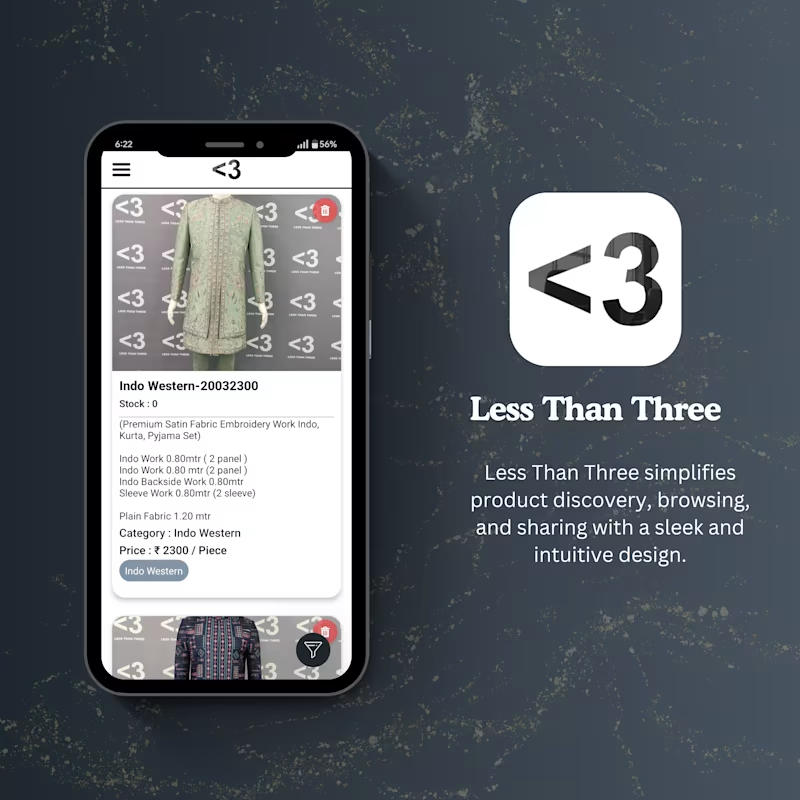
LessThanThree is a React Native–based product catalog management mobile application designed for businesses to manage and share product information efficiently. The app supports role-based access for admins and customers, allowing product creation, category management, stock tracking, multi-image galleries, advanced filtering, and PDF sharing. It provides a mobile-first solution for managing large product catalogs with rich media, secure access control, and smooth user experience.
0
38
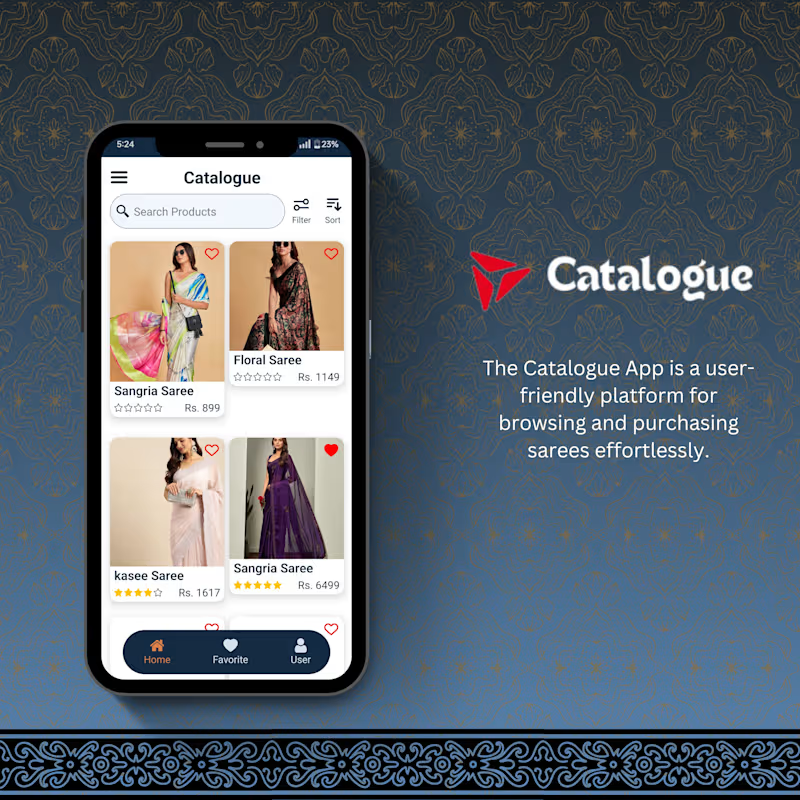
Catalogue App is a cross-platform mobile application built with React Native for browsing and managing product catalogues. The app allows users to explore products, view detailed information with image galleries, search and filter by categories, price, tags, and stock, save favorites, and submit reviews with ratings. It features secure authentication, dark/light mode, smooth animations, and optimized performance for both Android and iOS. The app delivers a modern, mobile-first shopping and product discovery experience.
0
42
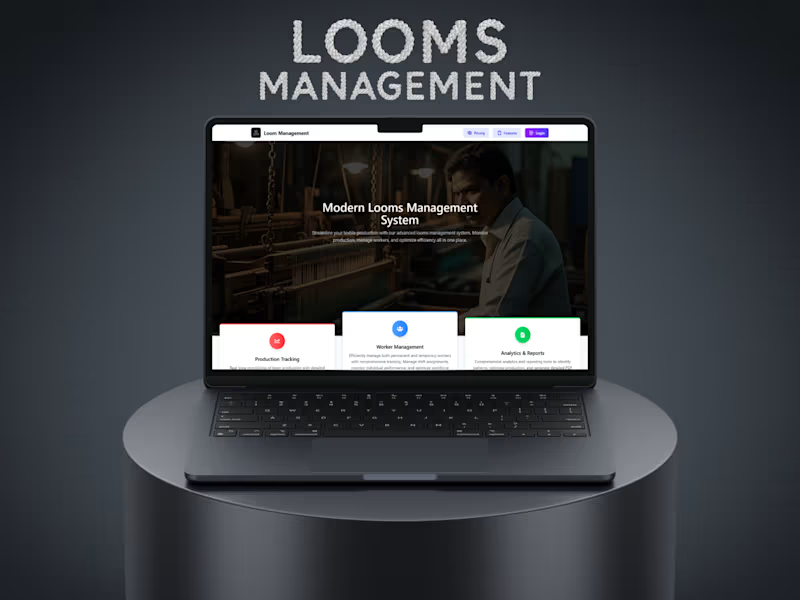
Looms Management System is a production management ERP built for textile manufacturers to digitize and automate loom operations. The system manages machines, workers, shifts, quality types, production units, salary calculations, and detailed reports. It provides real-time production tracking, automated meter-based salary computation, PDF reports, analytics dashboards, and PWA support. Built with Laravel and Filament, it replaces manual registers with a scalable and reliable digital solution.
0
45
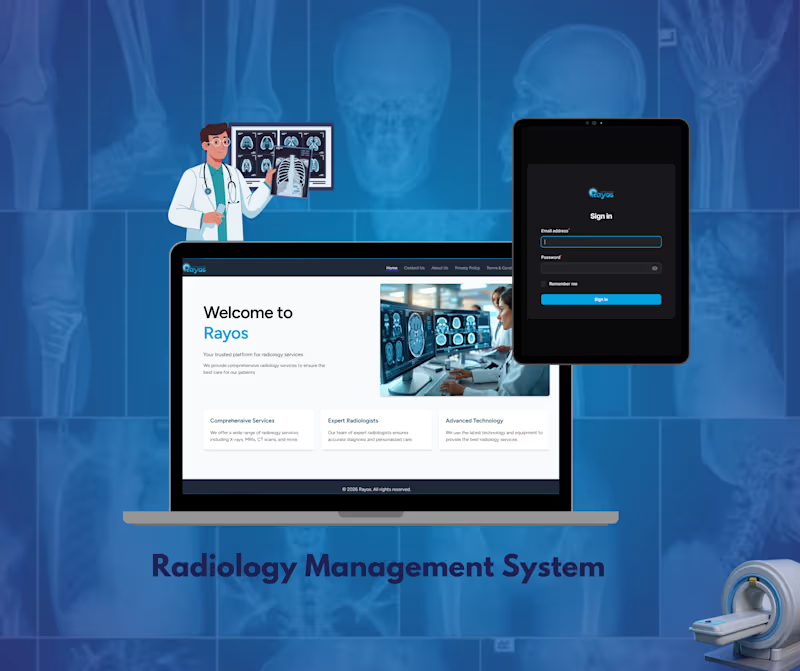
Radiology Management System is a web-based platform designed for dental radiology centers to manage patients, clinics, dentists, and medical images in one system. It supports secure role-based access, DICOM image storage and viewing, patient assignments, activity tracking, and PWA access. Built with Laravel and Filament, the system ensures secure handling of medical data, efficient workflows, and centralized management for multi-clinic operations.
0
40

Web application developer (PHP, Laravel, Mysql, React)
New to Contra
Web application developer (PHP, Laravel, Mysql, React)

bsite does not bring customers by itself.
Many businesses launch a website and then wait for enquiries. But people still need to find you, understand your offer, and have a reason to contact you.
Here are 11 practical ways to improve your online visibility:
Build a useful website: Clearly explain your services, target customers, and contact options.
Focus on mobile and SEO: Make pages fast, mobile-friendly, and easy for search engines to understand.
Earn quality backlinks: Build genuine relationships instead of buying links or guaranteed rankings.
Use social media wisely: Choose platforms where your customers already spend time.
Reach customers directly: Use relevant calls, WhatsApp messages, emails, and business networking.
Be present where buyers search: Contribute to reputable industry websites, directories, and marketplaces.
Share photos and videos: Demonstrate your products, services, and expertise.
Improve local visibility: Maintain your Google Business Profile and encourage honest reviews.
Test paid advertising: Start small and focus on relevant enquiries, not just clicks.
Track results: Measure enquiries and conversions, not only website traffic.
Work step by step:
Month 1: Improve your website and tracking.
Month 2: Publish useful content and start outreach.
Month 3: Test advertising and review results.
Remember, the goal isn't more traffic. It's reaching people who actually need what you offer.
📖 Read the full guide:
How to Get Your Business Noticed Online
https://cubiqweb.com/articles/how-to-get-your-business-noticed-online-35/
Need a website that presents your services, showcases products, and collects enquiries?
Explore CubiqWeb: https://cubiqweb.com/
#SmallBusiness #Websites #DigitalMarketing #LeadGeneration
0
19
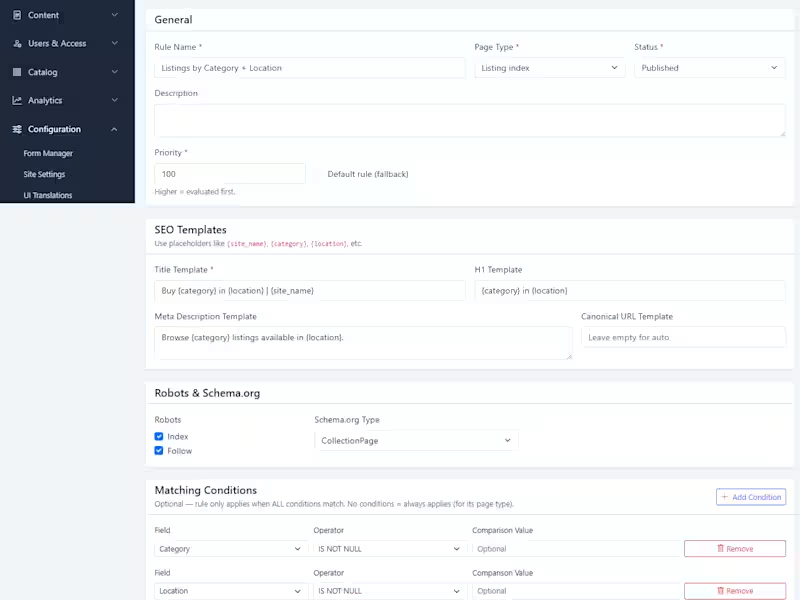
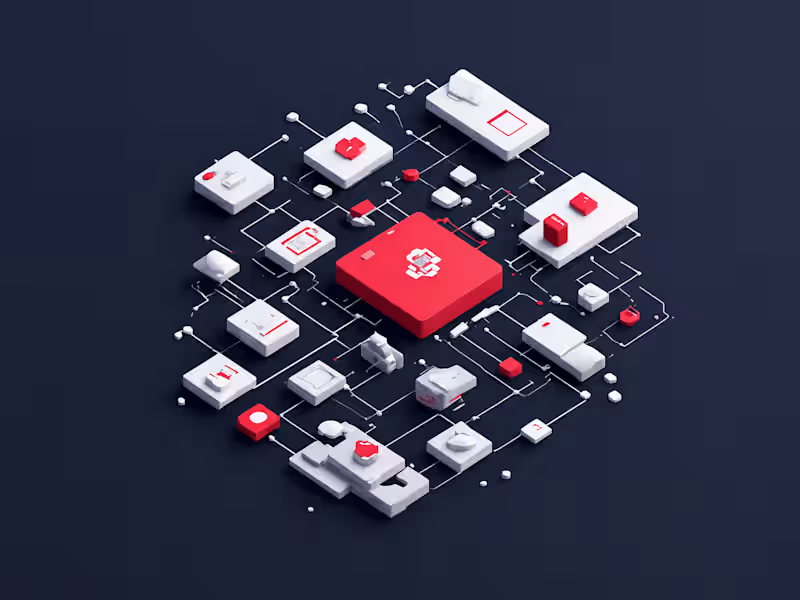
🚀 Laravel Modular Development: Internal Modules or Reusable Packages?
As a Laravel application grows, keeping everything inside the default Models, Controllers and Services directories can make the codebase difficult to maintain.
This raises an important question:
Should we create modules inside one Laravel application or develop separate Laravel packages?
Both approaches are useful—but at different stages.
1️⃣ Start Simple
During early development, requirements frequently change. A conventional Laravel structure helps us build faster without prematurely defining package boundaries.
⚠️ However, starting simple should not mean placing all business logic inside controllers. Services, actions, events, contracts and policies should still separate responsibilities.
2️⃣ Modularize as the Application Grows
Once domain boundaries become clear, related code can be moved into internal modules such as:
✔️ Identity and Access Control
✔️ Catalog
✔️ Listings and Moderation
✔️ CMS and Form Builder
✔️ Monetization
✔️ Search, Analytics and SEO
Each module can own its models, migrations, routes, controllers, services, requests, policies, events, enums, seeders and tests.
Modules should communicate through ✅ services, contracts or events instead of ❌ accessing one another’s internal implementation.
This creates a modular monolith: strong separation while retaining the simplicity of developing and deploying one application.
3️⃣ Let the First Application Reveal Patterns
While building the first application, it is difficult to predict which components will be reusable.
Something that appears generic may eventually depend heavily on product-specific rules, workflows or database structures. Completing the first application reveals the real module boundaries.
4️⃣ Confirm Reuse in Another Application
When building a second application, repeated patterns become visible. A module may be suitable for extraction when:
♻️ Multiple applications require it.
🔁 Its core behaviour remains similar.
⚙️ Differences can be configured.
🔌 It provides a stable public API.
🧩 It has few application-specific dependencies.
📦 Independent versioning provides value.
A Form Builder, Media Manager, Audit Log or Payment Gateway abstraction may become a reusable package.
However, marketplace-specific Listings, Dealers or Moderation modules may remain internal because their rules are closely connected to that product.
🛠️ Practical Progression
Conventional Laravel Application
➡️ Internal Domain Modules
➡️ Modular Monolith
➡️ Reuse Confirmed
➡️ Reusable Laravel Package
💡 My preferred principle:
“Start simple, modularize when boundaries become clear, and extract packages only when reuse is proven.”
The first application reveals the boundaries. The second proves what is genuinely reusable.
🎯 Reuse should be observed—not predicted.
How do you structure large Laravel applications: internal modules, packages or both?
0
69
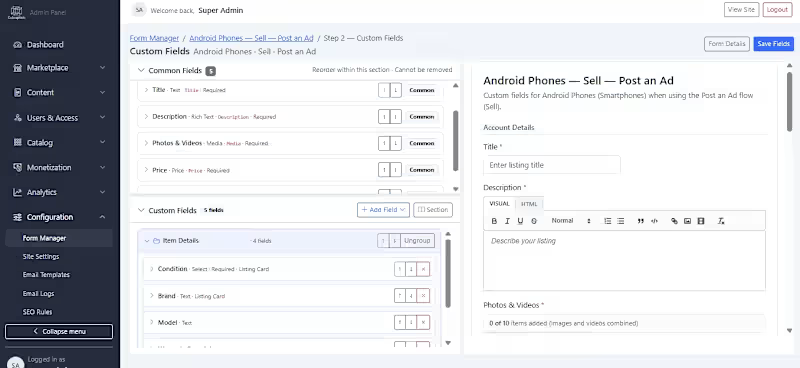
One of the features I’m most proud of in my marketplace platform is this custom form builder.
Building it required significant software-engineering work, particularly around database architecture, dynamic field rendering, validation, conditional logic, and marketplace integration. I’m very happy with the result—it has become one of the platform’s strongest features and a valuable selling point for potential clients.
The builder currently supports:
• A wide variety of field types—from basic inputs to autocomplete, rich-text editing, multi-select fields, and media uploads with image cropping
• Custom validation rules for every field
• Field grouping with drag-and-drop sorting for both groups and individual fields
• A live, side-by-side form preview
• Separation between common marketplace fields and category-specific dynamic fields
• Conditional visibility based on the value selected in another field
• Control over whether a field’s value appears on marketplace listing cards
The functionality is powerful, but the interface currently feels a little crowded. I have therefore started redesigning it to make it cleaner, more spacious, and easier to use—while creating room for additional capabilities.
The next improvements I’m considering include:
• Multilingual labels, placeholders, help text, and validation messages
• Display controls for deciding whether each field appears in advanced search, listing cards (i already have this), listing details, comparison pages, and other areas of the marketplace
The multilingual functionality itself is technically straightforward. The more interesting design challenge is finding an intuitive way to accommodate translations without making the builder feel even more crowded.
I’d love to hear your thoughts: how would you organize multilingual inputs and field-display settings while keeping this interface simple and user-friendly?:
0
74


I build mobile apps and web platforms from idea to launch

I build mobile apps and web platforms from idea to launch
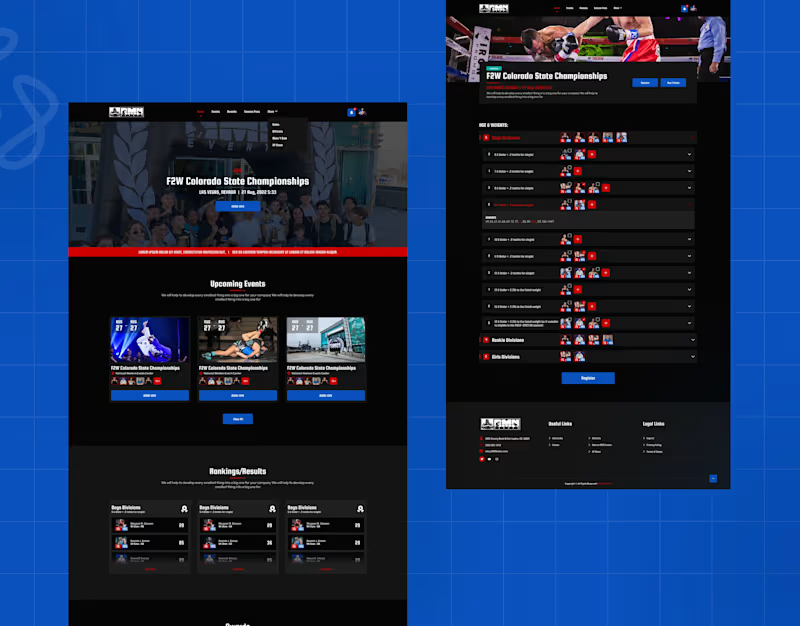
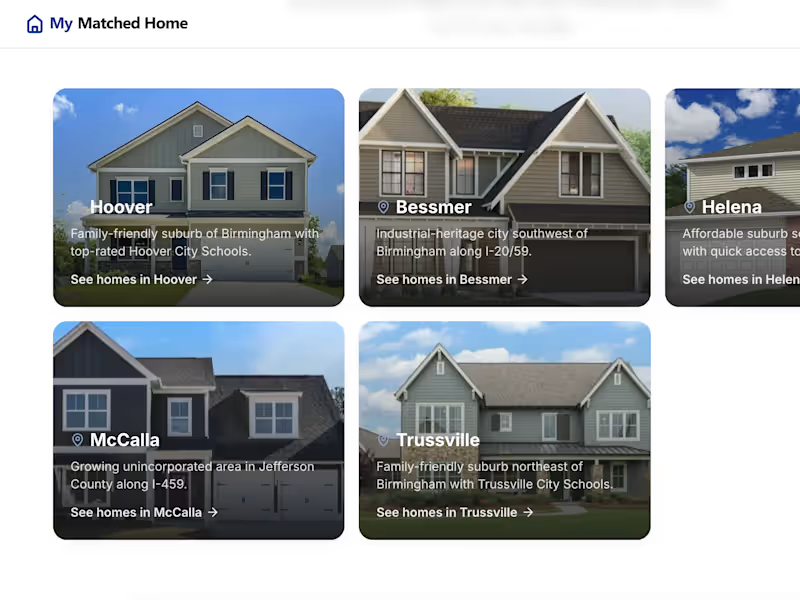

🚀 Make your ideas real with Figma Make
Startup founders can turn raw ideas into real, testable designs in minutes.
With Figma Make, you can build screens, map user flows,create prototypes, and validate concepts fast — even without design skills.
It helps you collaborate in real time and present pitch-ready demos that bring your vision to life.
If you want help turning your idea into a clear prototype or MVP, feel free to reach out. 🚀
Contact me on Contra: https://contra.com/vinodkalathiya
2
378


Cloud Architect & Developer: Timely Solutions





UI/UX Design · Website Development · Webflow & Framer Expert
- 5.0
- Rating
- 16
- Followers
UI/UX Design · Website Development · Webflow & Framer Expert


Full-stack developer with Vue.js, Laravel, and React.js
Full-stack developer with Vue.js, Laravel, and React.js