



I made brand design project manager using @Retool x @Contra
Built specifically for the brand design studio to track process, team workload and revenue pipeline, manage deliverables and keep creative projects flowing.
Visit the app ⤵
https://saqorkstudio.retool.com/p/design-projects-manager/page1
Your creative thoughts are welcomed 🙂
9
22
814
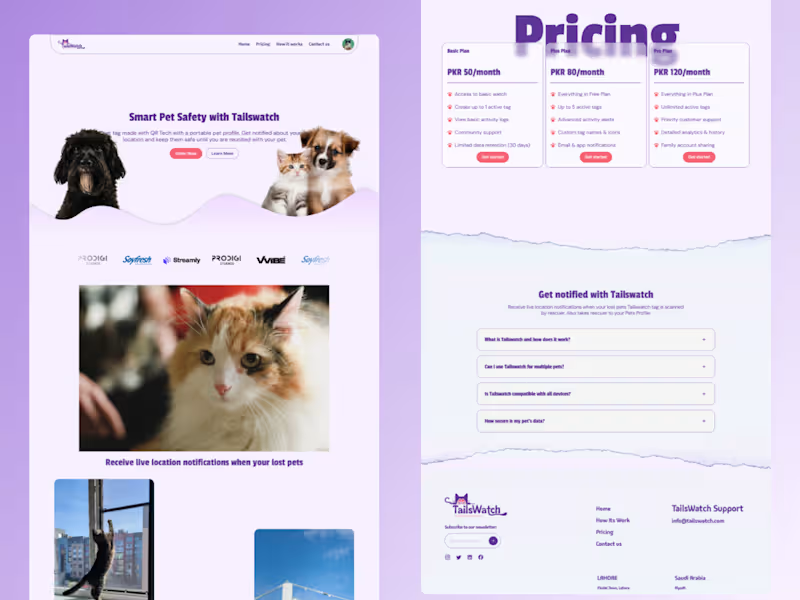

The average household wastes around 132kg of food annually. This is mostly caused by simply not knowing what to do with extra ingredients that are about to expire.
So, I built a solution for that.
Introducing Kitchen Scrap Alchemist, an AI-powered app that transmutes your leftovers into delightful meals in just a few seconds! You can generate recipes based on your inventory and save them to your cookbook for later.
Ready to save food (and money)? Check it out here ✨ : https://devjuni.retool.com/p/kitchen-scrap-alchemist/homepage
The Build Story: I had zero experience with tools like this before. But thanks to @Retool, I was able to build and deploy this entire app in just one night during a busy week. It really shows how powerful low-code tools are for beginners.
4
8
864
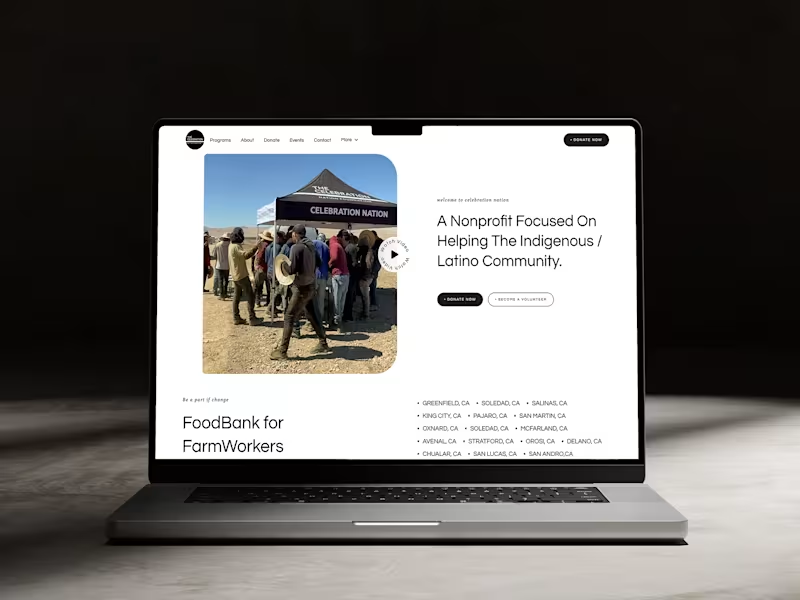
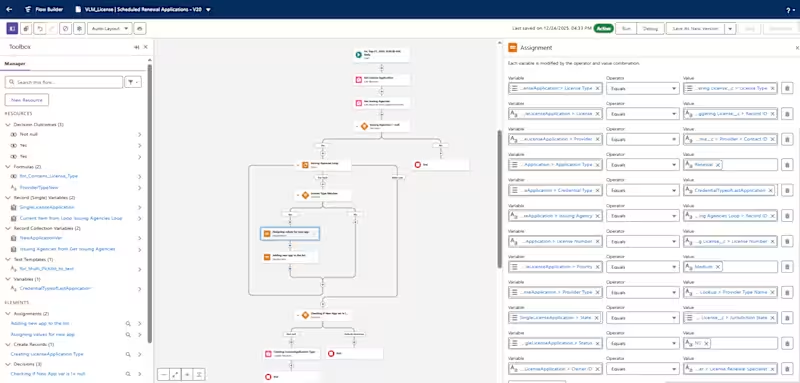
Currently working on a Salesforce CRM Flow Builder automation project to help businesses transform manual processes into efficient, automated workflows inside Salesforce. 🚀
I am building solutions that reduce repetitive tasks, improve workflow efficiency, enhance data accuracy, and optimize CRM processes to help businesses save time and increase ROI. :
If your business needs Salesforce automation, workflow optimization, or custom CRM solutions, I would be happy to collaborate and explore new projects or contract opportunities.😍
0
178
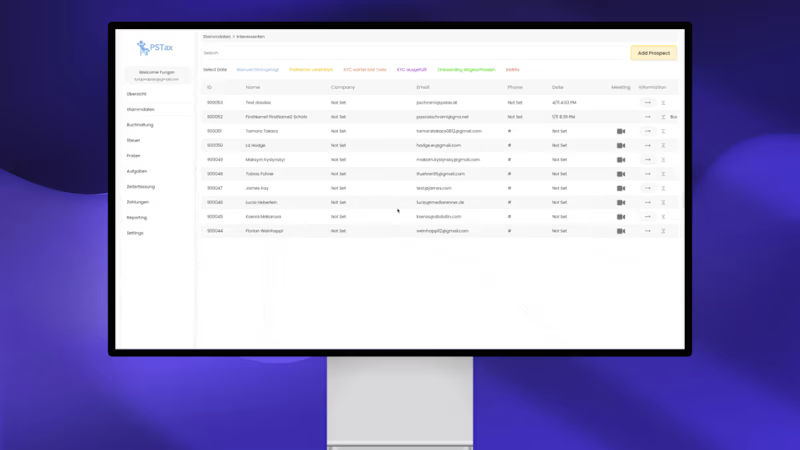


Project Title: Engineering an Automated Intelligence Pipeline (RAG Workflow)
The Challenge:
In a world drowning in data, the problem isn't having information; it's accessing it instantly. Most businesses leave their most valuable assets buried in Google Drive folders where they remain static and underutilized. As a CS student and designer, I saw an opportunity to bridge the gap between "stored data" and "active intelligence." I wanted to build a system that doesn't just store files but understands them.
The Solution:
I engineered a sophisticated Retrieval-Augmented Generation (RAG) pipeline using n8n for orchestration. This isn't just a simple link-up; it’s a multi-layered architectural approach to data automation:
Data Ingestion: Automatically triggering on Google Drive updates to ensure the AI's "brain" is always current.
Vector Processing: Implementing a Recursive Character Text Splitter to ensure data chunks maintain semantic meaning.
Memory & Storage: Utilizing Pinecone Vector Store for high-speed similarity searches, allowing for near-instant retrieval of relevant context.
Model Integration: Leveraging the power of Google Gemini as the reasoning engine, supported by OpenAI Embeddings for high-precision vectorization.
The Intersection of Design & Code:
Being a 4th-semester BSCS student, I focused heavily on the logic of the workflow—ensuring the recursive splitting didn't lose context and that the vector database was optimized for performance. However, my background as a Graphic Designer allows me to visualize these complex backend processes into a user experience that feels intuitive. I believe that an automation is only as good as its usability; if the interface is clunky, the power of the AI is lost.
Why This Matters for Your Business:
This workflow effectively creates a "Custom Brain" for your organization. Imagine chatting with your company’s entire history, SOPs, and technical documents as if you were talking to an expert teammate. By automating this pipeline, I eliminate the need for manual data entry or tedious searching, allowing teams to focus on high-level creative work while the AI handles the information retrieval.
Technical Stack Used:
Logic: n8n Workflow Automation
LLMs: Google Gemini & OpenAI
Database: Pinecone (Vector Search)
Storage: Google Drive API
Theory: RAG (Retrieval-Augmented Generation) & Semantic Search
1
46