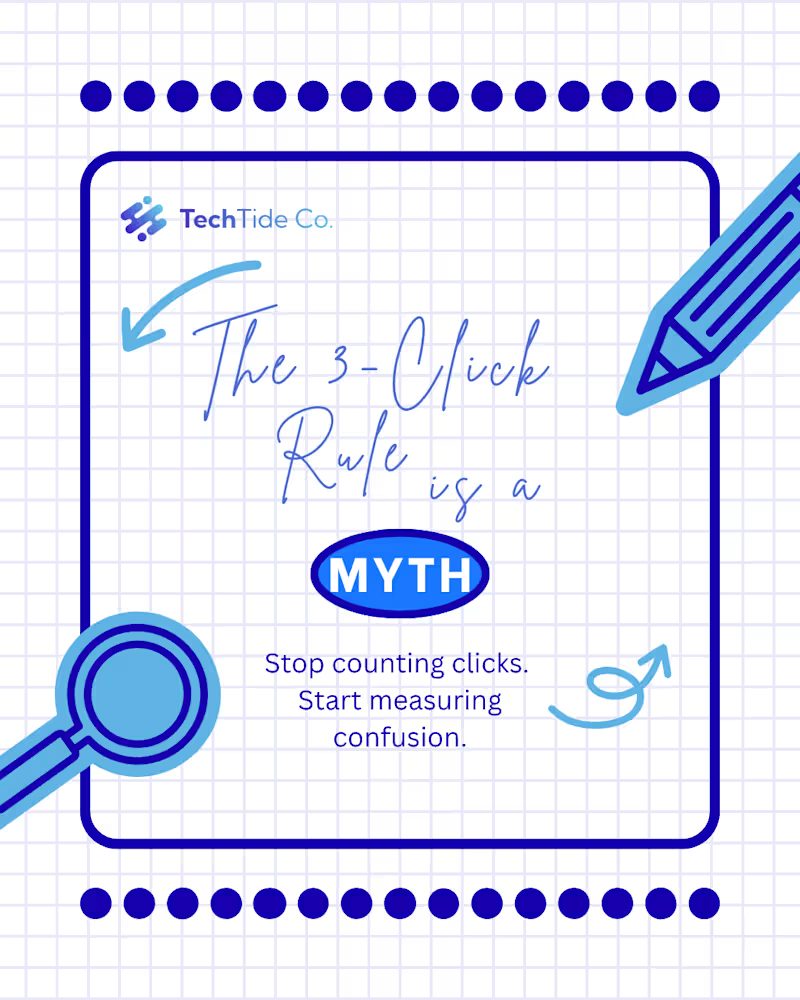
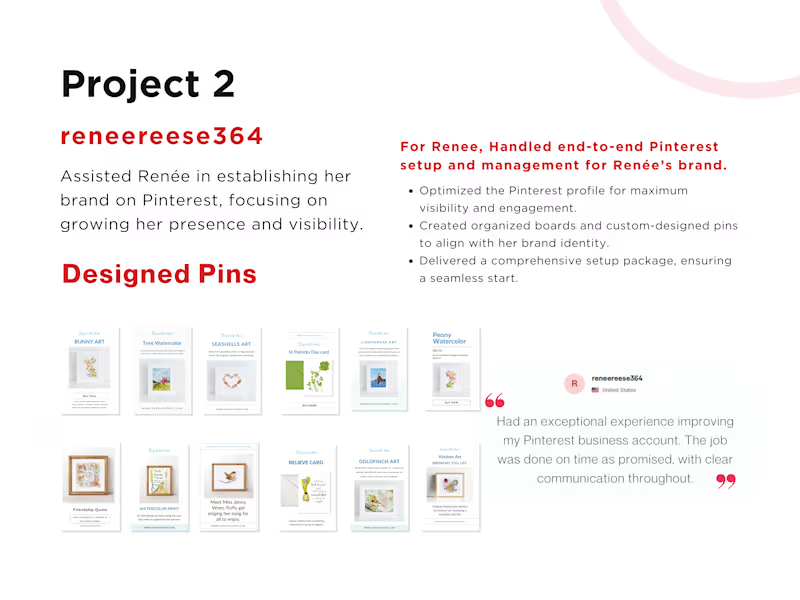
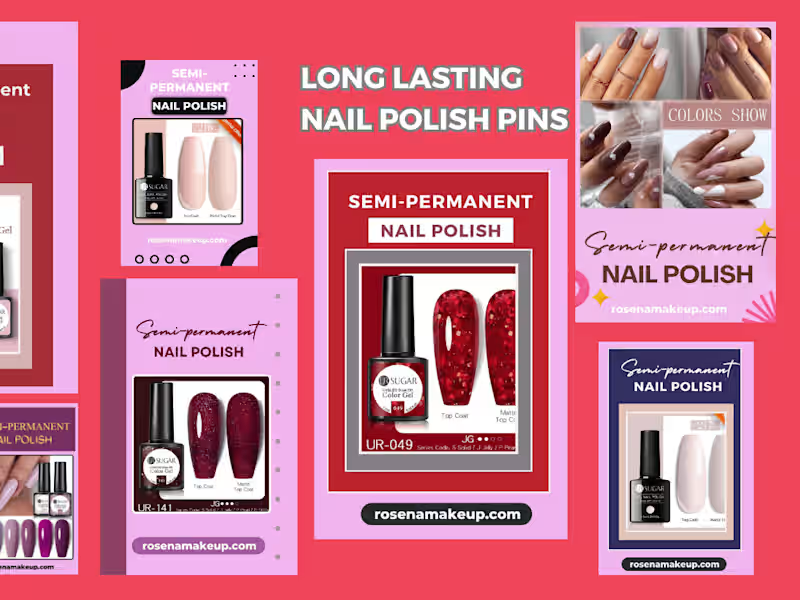
Projects using Pinterest in PunjabProjects using Pinterest in PunjabSince you mentioned Part 1 was about the "Psychology" and the "Problem," Part 2 needs to be about the "Solution" and the "Action." This makes you look like a designer who doesn't just point out flaws but actually knows how to fix them.
Here is the professional English text for your Part 2 Contra post:
Project Title: The "5 Confident Clicks" Framework – UX Case Study (Part 2 of 2)
The Design Challenge:
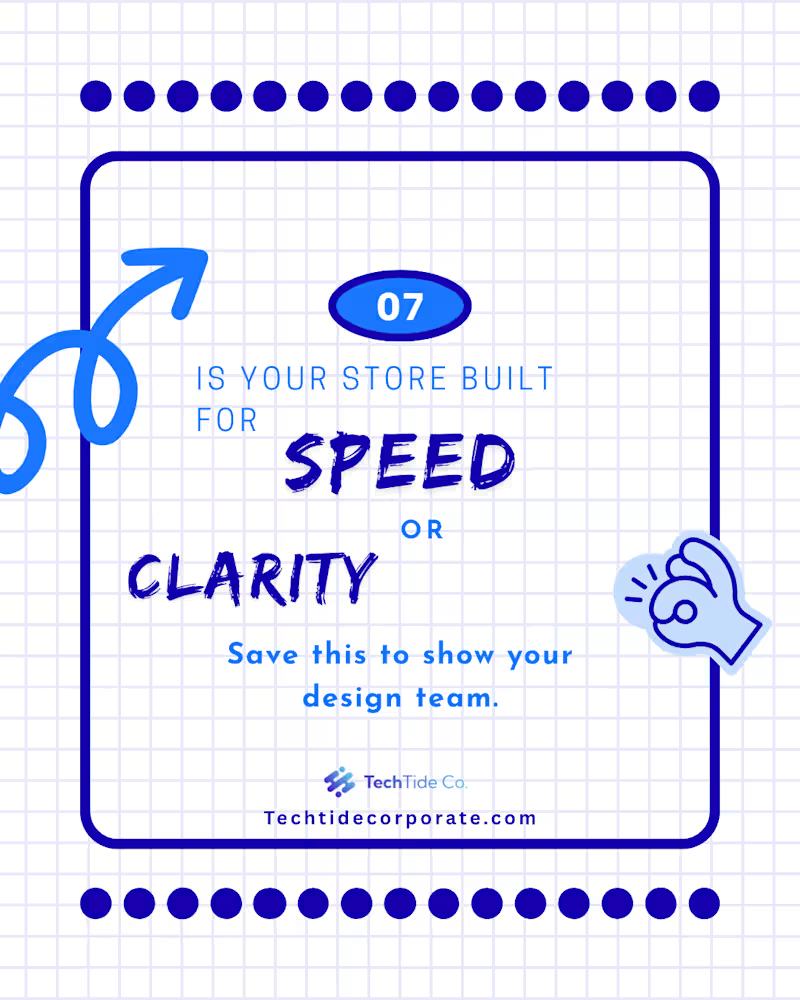
Following the psychological groundwork laid in Part 1, this second installment focuses on the practical execution of a high-conversion user journey. The challenge was to visualize a framework that balances speed with user certainty, ensuring that every interaction leads the customer closer to a "Confident Yes."
My Creative Approach:
In this concluding part, I transitioned from identifying myths to presenting actionable architectural solutions. My design strategy included:
Framework Visualization: I designed the "5 Confident Clicks" roadmap, using a step-by-step visual flow to show how information should be staggered to prevent user overwhelm.
Blueprint Detail: I maintained the blue-on-white technical aesthetic to ensure continuity from Part 1, signaling to the audience that this is a data-driven design solution.
Clarity over Speed: I utilized custom icons and directional cues to demonstrate that "Certainty Converts." The design illustrates that a guided path, even if longer, significantly reduces cart abandonment.
Conversion Optimization (CRO): The final slides focus on the "Visit" and "Contact" CTAs, transforming the educational experience into a direct lead-generation tool for the client.
The Final Result:
This two-part series serves as a comprehensive masterclass in modern UX. By the end of this installment, the viewer isn't just informed—they are equipped with a tangible framework to audit and improve their own digital storefronts.
Series Conclusion:
This completes the "Psychology of Conversion" series. While Part 1 challenged the status quo, Part 2 provides the roadmap for the future of digital interaction.
“Mystery kills the sale. Certainty converts.” 🛍️ Etsy Virtual Assistant Services — Full-Service Shop Growth, Start to Sale
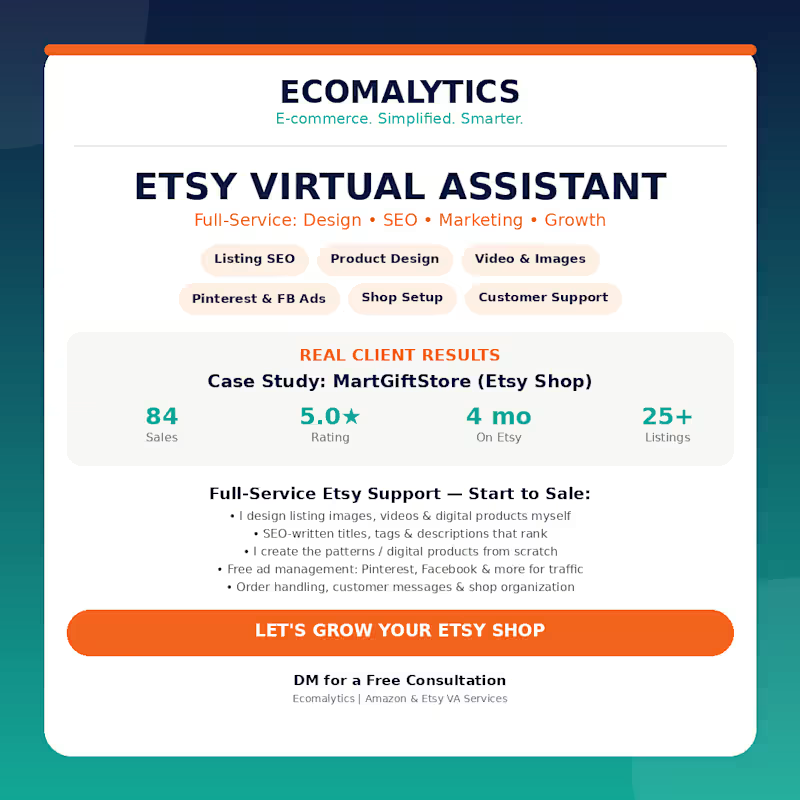
I don't just manage listings — I build the entire product from scratch. As a VA for MartGiftStore on Etsy, I handle everything end-to-end:
📈 Real results from this engagement:
84 sales generated
5.0★ rating across 6 reviews
25+ active, SEO-optimized listings
Achieved in just 4 months on Etsy
What I bring as your Etsy VA:
✅ I design my own listing images & product videos — no outsourcing
✅ SEO-optimized titles, tags & descriptions that actually rank in search
✅ I create the patterns and digital products myself, from concept to file
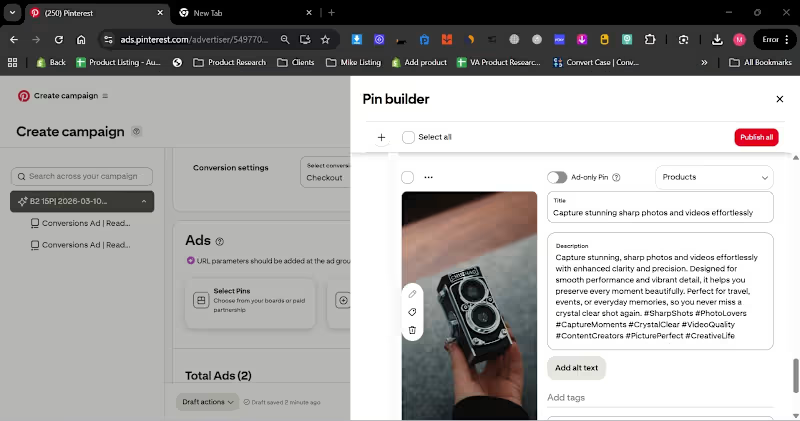
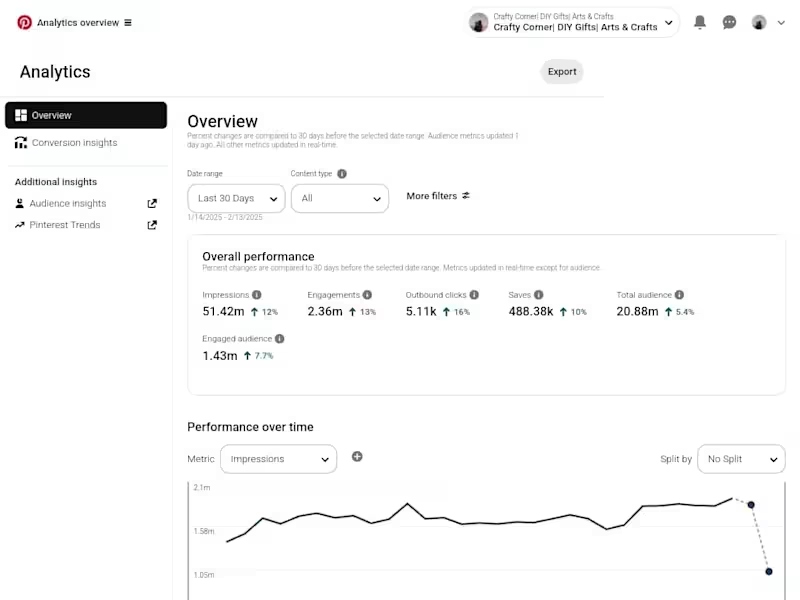
✅ Free advertising management — Pinterest, Facebook & other platforms to drive organic + paid traffic to your shop
✅ Order processing, customer messaging & review management
✅ Shop setup, branding & ongoing organization
Most VAs manage what you already have. I can also create what you need — visuals, copy, and the product itself — then market it to bring in traffic.
📩 Open to new Etsy VA clients — DM me for a free consultation.
🔗 Ecomalytics — E-commerce. Simplified. Smarter.
#EtsyVA #VirtualAssistant #EtsySEO #EtsySellers #EcommerceVA #ListingOptimization #EtsyShopGrowth #FreelanceVA #EtsyExpert #DigitalProducts #ShopManagement #PinterestMarketing #FacebookAds #ProductDesign #Ecomalytics #HireAVA