Detail-Oriented Full-Stack Engineer
Detail-Oriented Full-Stack Engineer




View more →


Professional Web Developer | 7+ years experience
Professional Web Developer | 7+ years experience


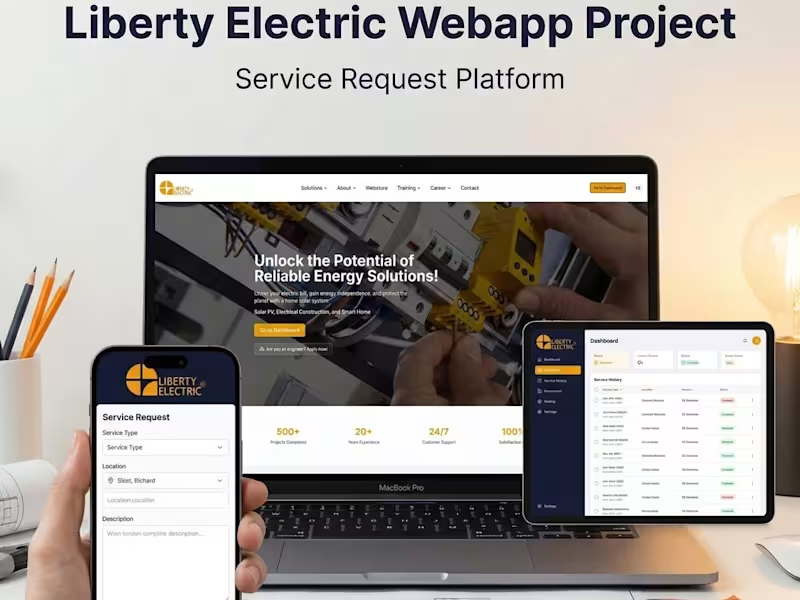

Full-Stack Software Engineer & Digital Publisher



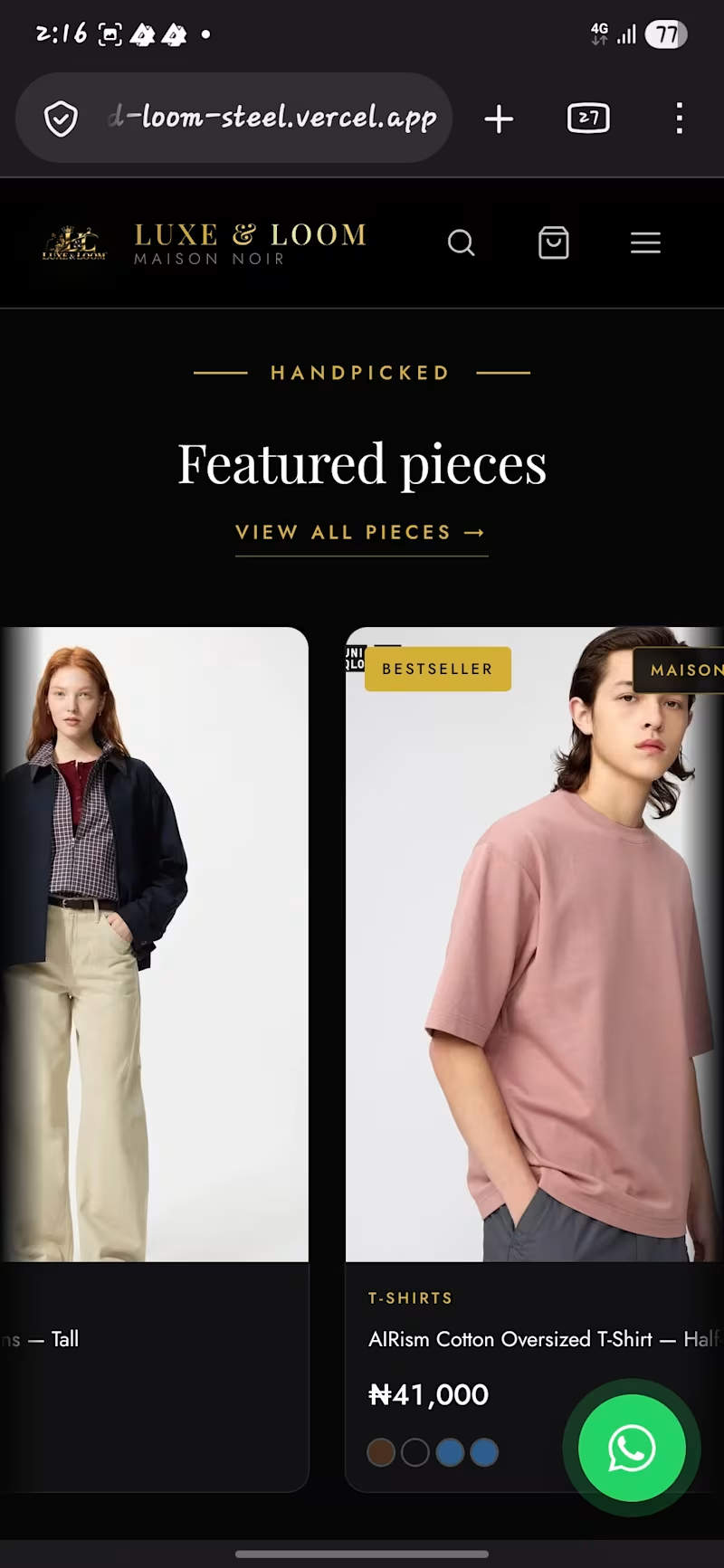

UI/UX Designer, Engineer and No-code Developer
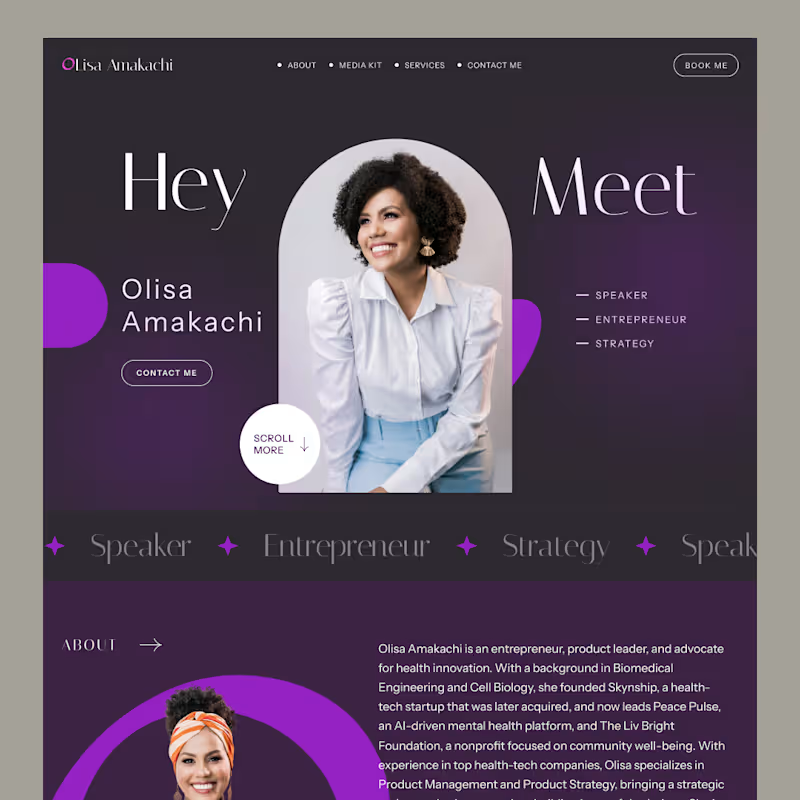
Why Designers Should Understand Development (and vice versa)
Great products don’t happen because design or development did an amazing job alone. They happen when both sides understand each other well enough to build what’s beautiful and what’s possible.
When designers understand development:
- They create layouts that are realistic to build
- They think in components, not chaos
- They hand off fewer “impossible” ideas
- They save the team time and reduce friction
When developers understand design:
- They maintain visual consistency
- They protect the integrity of the user experience
- They choose the right interaction patterns
- They build with empathy for the user, not just the code
At the end of the day, the best teams don’t work in silos.
Design + Development = Better Products. Always.
0
56
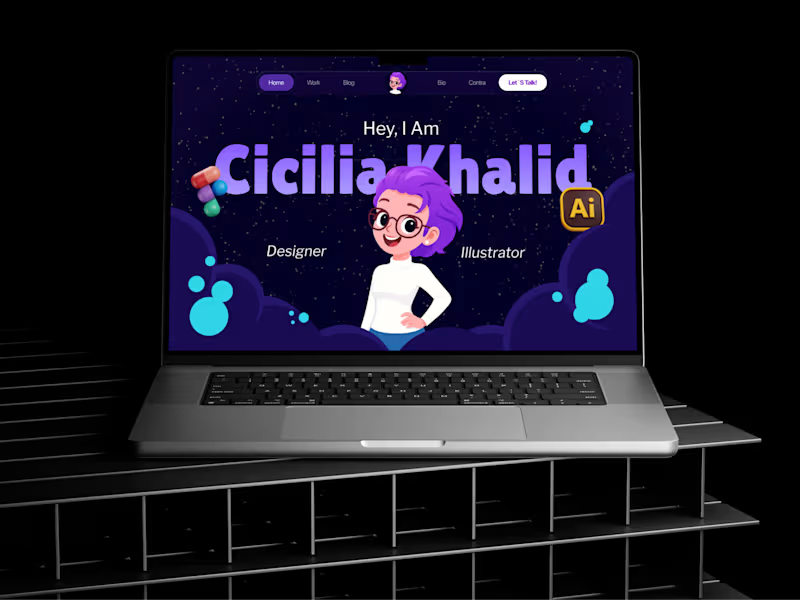
Designed in Figma. Brought to life with Rive.
I've been diving into Rive to elevate the quality of my work by crafting seamless micro-interactions that enhance user experience.
This project is a portfolio landing page concept for an illustration-focused designer, where every hover reveals subtle, dynamic interactions. It's designed in Figma and 90% built in Rive — and I'm excited to share the final results soon.
Stay tuned 👀
0
54



Frontend Software Engineer, Mobile App Developer iOS/Android
- 5.0
- Rating
- 17
- Followers
Frontend Software Engineer, Mobile App Developer iOS/Android

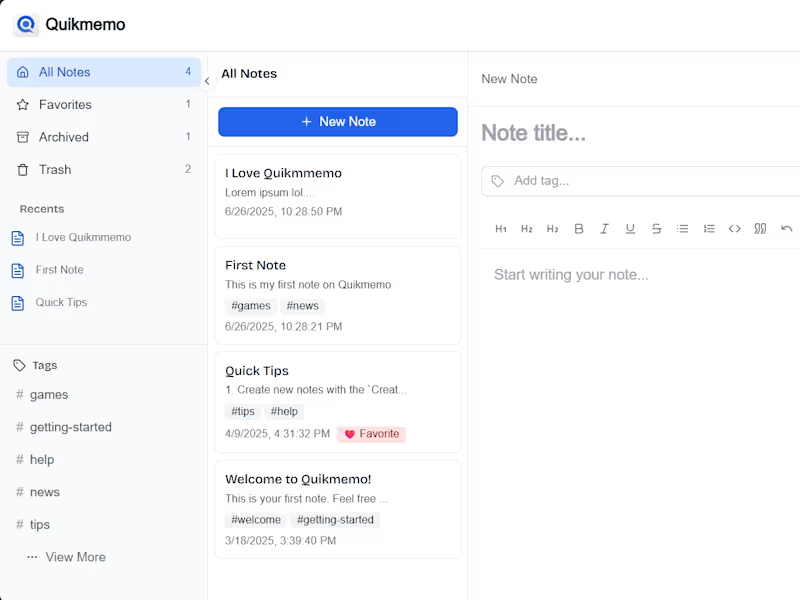
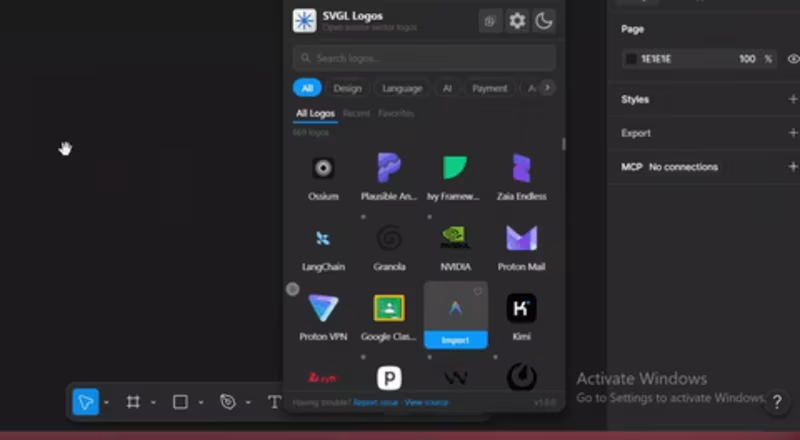
I built a Figma plugin that lets you import SVG logos of popular brands across categories like AI, Authentication, Payment, Programming Languages, Dev tools, Frameworks, and more into your design files. It is created using the Svgl API.
Link: https://www.figma.com/community/plugin/1681508305173345973/svgl-logos-for-figma
0
45
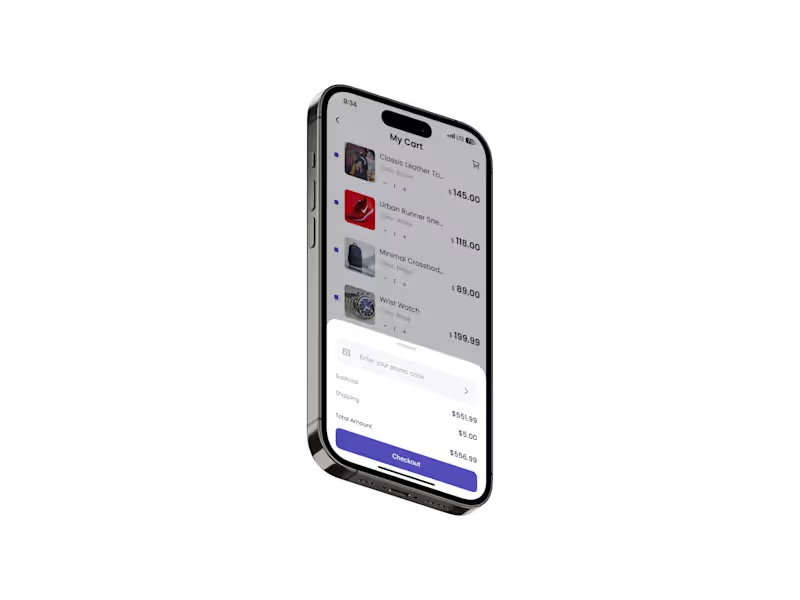
Kutuku | Cross-Platform E-Commerce Mobile App Concept
Built a modern cross-platform e-commerce mobile application with React Native and Expo, featuring seamless shopping, secure authentication, order tracking, and responsive user experiences for iOS and Android.
Project Type: Mobile Application (iOS & Android) Product Concept
Objective: Design and prototype a scalable, modern e-commerce application that simplifies product discovery, shopping, and order management while delivering a fast, intuitive mobile experience across Android and iOS.
Overview
Kutuku is a modern e-commerce mobile application designed to provide customers with a complete shopping experience from discovering products to securely placing orders and tracking deliveries in real time.
The project explores the complete customer journey from onboarding and product discovery to cart management, checkout, and order tracking while focusing on responsive layouts, reusable components, accessibility, and scalable application architecture.
This mobile app serves as a product engineering showcase, highlighting how I approach mobile application architecture, UI implementation, state management, navigation, and backend integration.
The Concept
Many mobile shopping apps become cluttered as new features are added, making navigation confusing and slowing down the shopping experience.
Kutuku explores a cleaner, mobile-first approach that prioritizes:
Simple product discovery
Fast navigation
Clear shopping flows
Consistent visual hierarchy
Scalable architecture
Reusable design patterns
The goal was to design an application that feels intuitive for customers while remaining maintainable for developers.
The Challenge
Building an e-commerce application goes beyond displaying products. Users expect fast navigation, personalized experiences, secure authentication, real-time updates, and a frictionless checkout process.
The challenge was to design an architecture that could support multiple shopping flows including product discovery, store management, cart management, order tracking, and customer profiles while keeping the experience smooth, responsive, and easy to scale.
The application also needed to support offline capabilities, secure local storage, responsive layouts for different mobile device sizes, and reusable components that simplify future feature development.
The Solution
I designed and developed a modular React Native application using Expo that combines modern UI patterns with scalable engineering practices. Rather than treating each screen as an isolated feature, I structured the application around reusable components, shared state management, and consistent navigation to ensure maintainability as the product grows.
The application delivers a complete shopping experience while remaining flexible enough to integrate additional commerce features, payment gateways, and AI-powered recommendations in future releases.
My Role
As the sole mobile engineer, I was responsible for the application's architecture, frontend implementation, and user experience.
My responsibilities included:
Product architecture and feature planning
Cross-platform mobile development with React Native and Expo
UI implementation from Figma designs
Component library development
Navigation architecture with React Navigation
Authentication flow implementation
State management and reusable hooks
Local data persistence using SQLite and Secure Store
Supabase backend integration
Map integration for order tracking
Performance optimization
Responsive layouts for phones and tablets
Core Features
Product Discovery
Browse featured products, categories, recommendations, and collections through a clean shopping experience optimized for mobile users.
Store Profiles
Dedicated storefront pages allow customers to explore merchants, browse their products, and follow favorite stores.
Search Experience
Search products with recent searches, suggestions, filtering, and category organization to help customers quickly discover relevant items.
Shopping Cart & Checkout
Complete cart experience with quantity management, address selection, order summaries, and a streamlined checkout flow.
Order Tracking
Real-time delivery tracking with interactive maps, shipment status, and progress indicators to improve transparency after processing payment and purchase.
Secure Authentication
Account registration, login, verification, and profile management powered by secure authentication and protected application routes.
Technical Highlights
Cross-Platform Architecture
Developed using React Native and Expo SDK 54, allowing a single codebase to power both Android and iOS applications while reducing maintenance costs.
Modern Navigation
Implemented scalable navigation using React Navigation 7, supporting nested navigators, authentication flows, and deep linking.
Secure User Data
Integrated Supabase, Expo Secure Store, and SQLite for secure authentication, local persistence, and offline-ready functionality.
Interactive Maps
Integrated React Native Maps to visualize delivery progress and improve the post-purchase customer experience.
Reusable Component System
Built reusable UI components and shared utilities to ensure design consistency, simplify maintenance, and accelerate future development.
Performance Optimization
Optimized rendering, navigation, asset loading, and local storage to deliver smooth interactions and responsive performance across a wide range of mobile devices.
Outcome
The project showcases best practices in mobile application development, including reusable component architecture, scalable navigation, secure authentication, offline-ready storage, responsive design, and clean code organization.
Its modular foundation makes it easy to extend with additional capabilities such as payment processing, push notifications, wishlists, loyalty programs, AI-powered product recommendations, and live order updates.
2
3
190

Software & AI Engineer
Software & AI Engineer
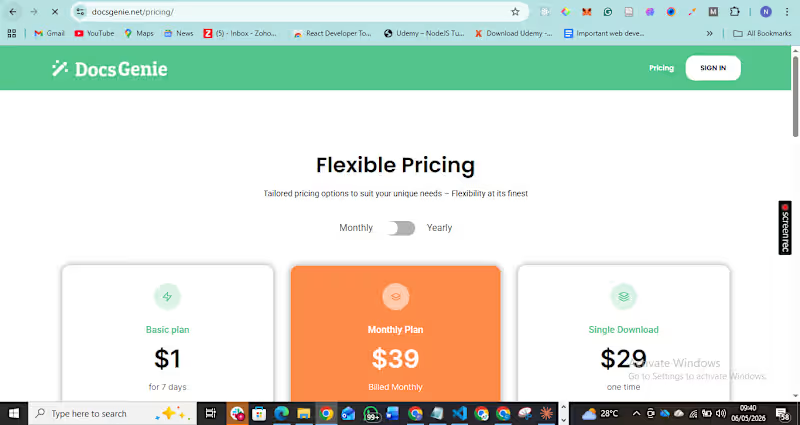
DocsGenie is a SaaS platform that helps people create legal documents quickly by answering a few guided questions, then downloading, printing, or signing them online. They offer over 2,000 templates across sectors like real estate, healthcare, and employment, with popular options including Bill of Sale, Power of Attorney, Deeds, and Lease Agreements. The platform tailors documents to the user's situation and location, includes built in e signing, and offers monthly and yearly pricing. They clearly state they are not a law firm, so the documents serve as guides users should verify for their needs. The marketing site runs on WordPress while the actual app lives on a subdomain (work.docsgenie.net (http://work.docsgenie.net)), suggesting the product is a separate web application aimed at individuals and small businesses who need quick, affordable legal paperwork without hiring a lawyer.
0
63
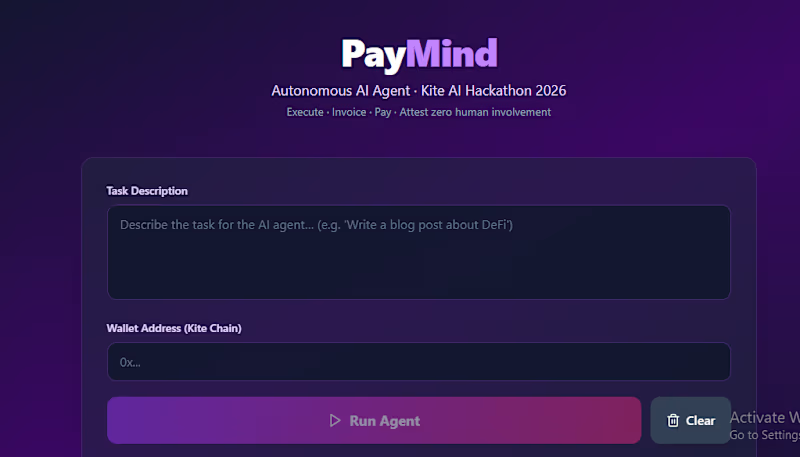
PayMind is a fully autonomous AI agent that receives a task from a user via a React web dashboard, executes it using an LLM through OpenRouter, auto-generates an invoice based on token usage and complexity, settles the payment on Kite chain, and posts an on-chain attestation as tamper-proof proof of work
0
62
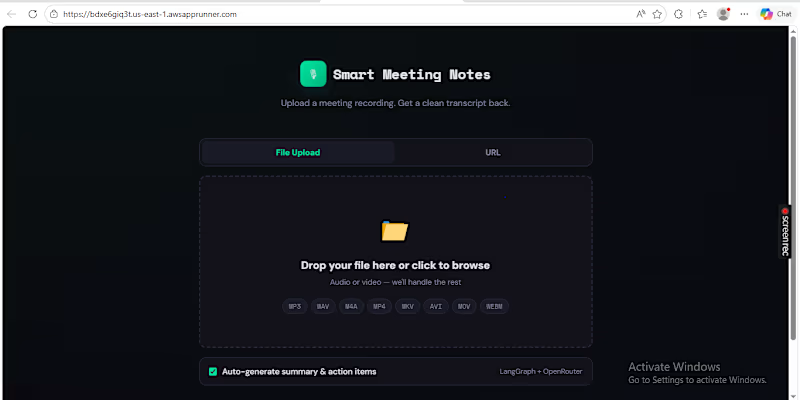
Smart Meeting Notes
An AI-powered agentic meeting assistant that autonomously captures, transcribes, and summarizes meetings in real-time whether from uploaded files, URLs, or live browser sessions. It detects meetings automatically, transcribes without user intervention, and delivers structured summaries with action items, decisions, and next steps.
1
159
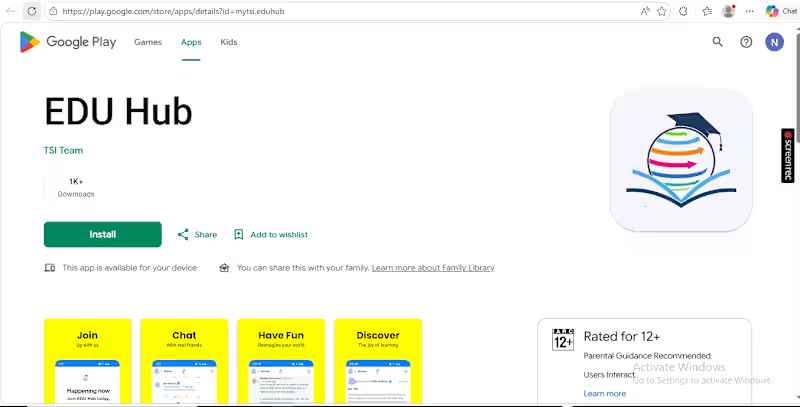

Product Designer crafting user-focused digital experiences
Product Designer crafting user-focused digital experiences
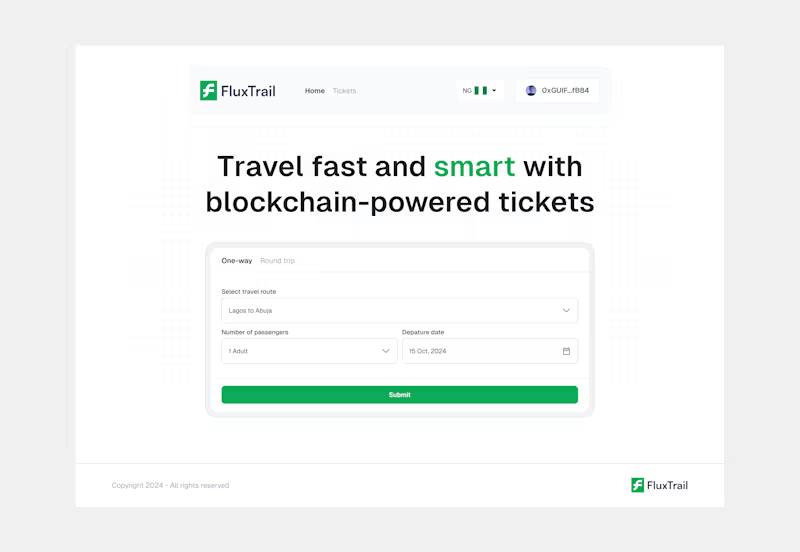

Expert Full Stack Web Developer
Expert Full Stack Web Developer