


AI Automation Consultant & Strategist

RecruiterAI — A Fully Synced Recruiting Platform (iOS + Web)
RecruiterAI helps recruiters move fast and stay organized. Capture notes, ideas, and candidate signals on the iOS app, then manage pipelines, interviews, tasks, and reports on the web — fully synced so nothing gets lost between devices.
At the core is the AI Hub, featuring a job description optimizer, resume analyzer, candidate matcher, interview question generator, outreach writer, salary insights, onboarding plan generator, and AI scheduler.
Powering it all is Tally AI, an expert recruiting copilot with full access to platform data. Tally AI provides context-aware insights, drafts content, and guides decisions — amplifying recruiters’ impact while keeping them in control.
1
13
294
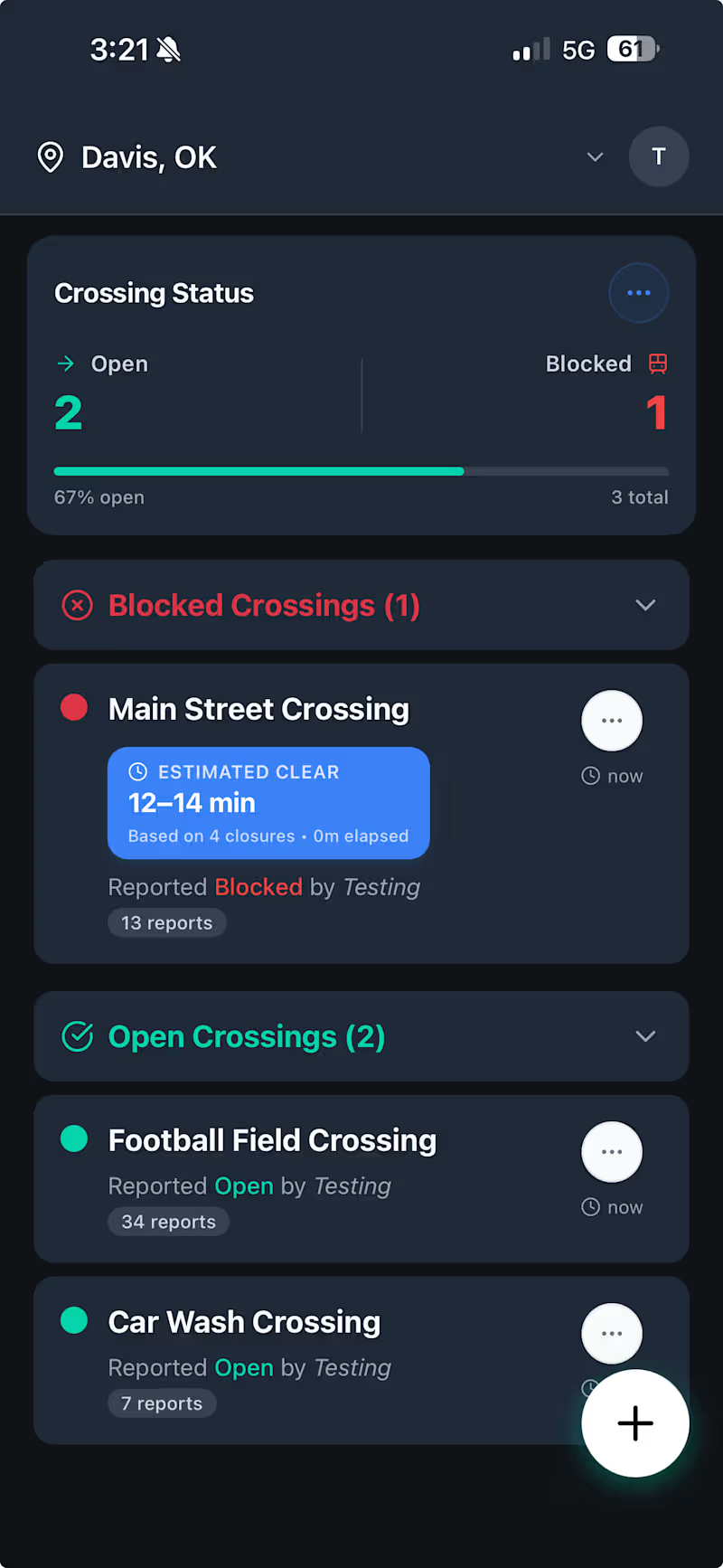
RailRadar is a real-time train detection and arrival prediction system built for communities impacted by rail crossings.
Using a distributed network of camera-based tripwire sensors, RailRadar detects train movements at the edge and generates bias-corrected ETAs that adapt to real-world conditions. The system delivers timely, reliable alerts without relying on railroad-provided data or centralized tracking feeds.
RailRadar is designed for resilience and accuracy in the field. The platform supports community alerts, operational monitoring, and future integrations with municipal and transportation systems.
This project includes full-stack system design, edge sensing logic, backend services, alerting infrastructure, and deployment workflows focused on real-world reliability, not demos.
25
505
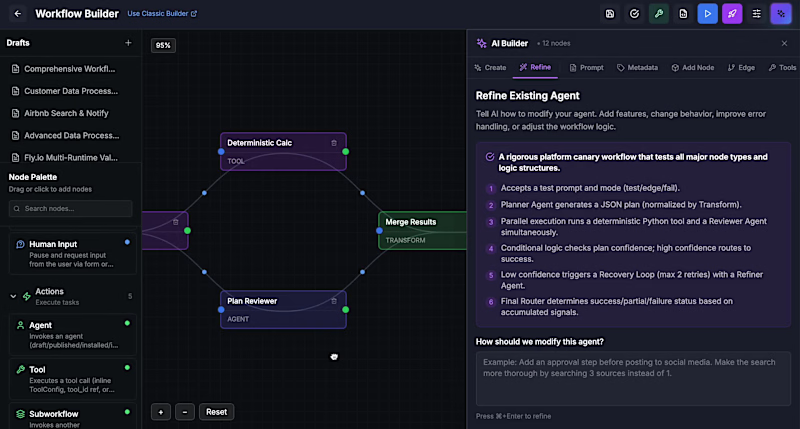
AI Builder + Agent Studio is a system for designing, testing, and deploying AI agents and autonomous workflows as structured, production-ready graphs, not fragile prompts.
At the core is Agent Studio, where workflows are defined as explicit graphs made up of agents, tools, conditionals, loops, routers, and outputs.
The AI Builder sits on top of this system and generates complete workflows automatically. Instead of writing code or wiring nodes manually, users describe the goal—and the AI Builder constructs a valid workflow graph.
Every workflow can be tested using a test harness, ensuring agents execute correctly before deployment.
This project demonstrates how AI agents can be treated like real software systems—versioned, validated, and orchestrated—instead of one-off prompt chains.
26
631

Numun.io (http://Numun.io) is an autonomous agent and workflow execution platform designed to turn intent into action—reliably, securely, and at scale.
Numun enables users and teams to design, deploy, and run AI-powered agents and workflows that browse the web, call tools, orchestrate systems, and complete real tasks end to end. At its core is a contract-based execution model that emphasizes determinism, observability, and accountability—bringing production-grade discipline to AI agents.
Numun is built for developers, operators, and founders who need agents that actually work in the real world—not demos that break under pressure.
This project includes full-stack platform development, execution infrastructure, agent runtime design, workflow orchestration, and system-level reliability engineering.
23
567

Design System for iOS, Web, Mobile + Promo videos
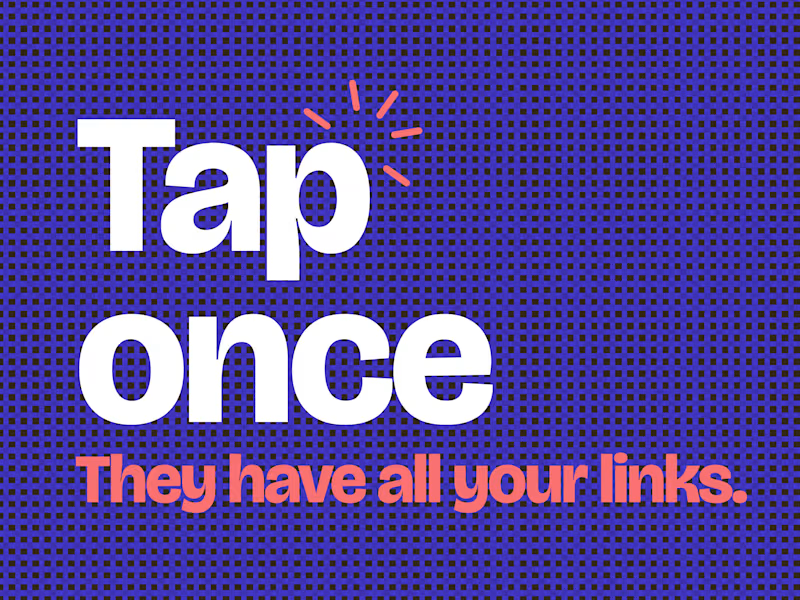
You met someone great.
Now you're spelling your LinkedIn.
Put your card on a NFC chip.
They tap. All your social links open in one place.
NFCtree. Free on the App.
1
88
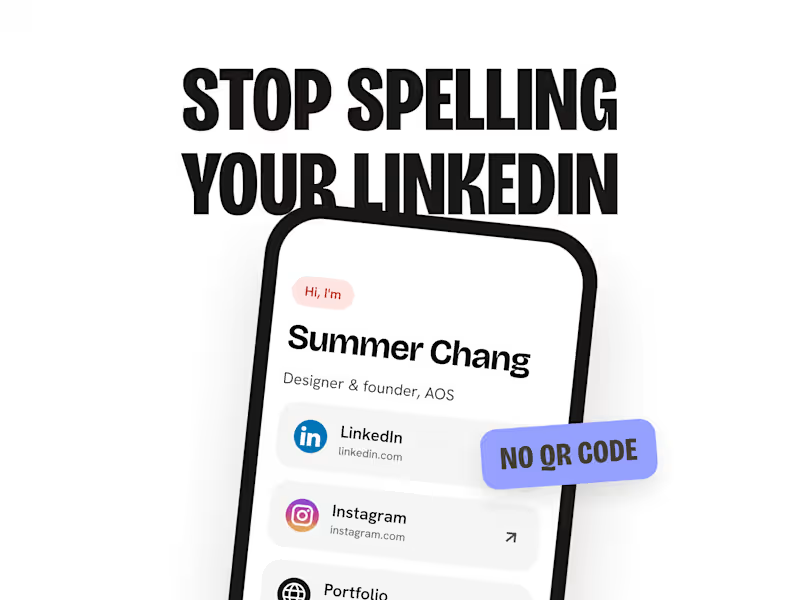
I rebuilt the NFCtree website to match the new app.
Same colors, same fonts, same textures, from one design system.
⠀
I explored layouts in Paper first.
Looked at how Anchor, ugly.cash (http://ugly.cash) and Klarna handle scrolling.
Picked one.
⠀
Then I designed it in Figma.
Claude Code turned it into code.
Pushed to GitHub.
Vercel published it.
⠀
The scroll motion is CSS only.
It turns off when reduced motion is on.
⠀
Does your website look like your product?
12
19
1.3K
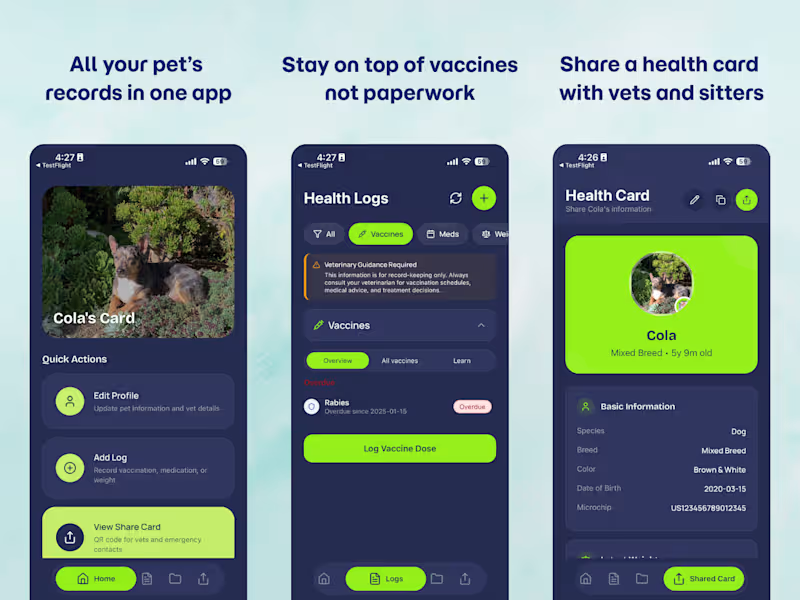
PetCard v2 – All your pet’s records in one app
PetCard keeps your pet’s key health info—vaccinations, prescriptions, weight logs, and documents—in one simple mobile app so traveling or moving with your pet is less stressful.
Version 2 focuses on cleaner navigation, faster logging, and a clearer overview of each pet’s health card, built entirely with Anything. I shipped v1 for the first hackathon, learned from that build, and iterated.
The new PetCard v2 build has been submitted to the Apple Store and is currently under review.
Links to: TestFlight (https://testflight.apple.com/v1/app/6755447850?build=189713954) and Anything (https://petcard.created.app)
2
2
236
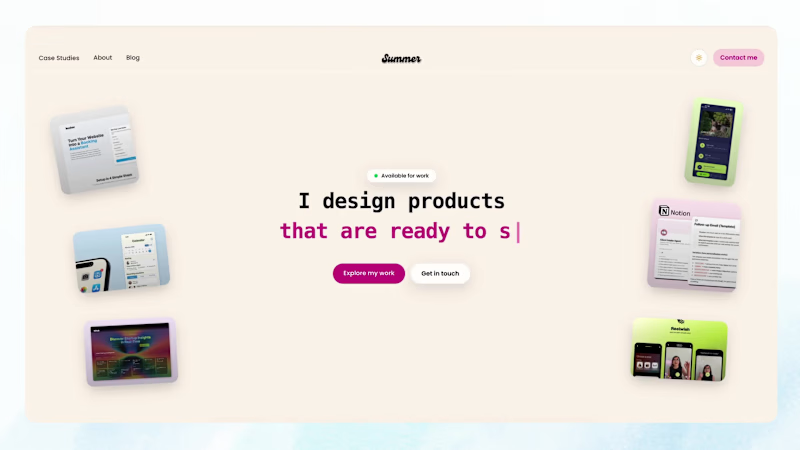
Portfolio website design
I designed and built my own portfolio in Next.js, React, and Tailwind so the site itself shows how I work, not just the case studies inside it.
It is an interactive site with case studies, about, and blog. Visitors can move through shipped product work, including PetCard, where I helped ship a real product using AI as a design collaborator. The goal was a clean, conversion-minded site that feels simple and makes the work easy to understand.
Live site: summerchang.co (http://summerchang.co)
2
65

Product designer & iOS engineer for polished apps

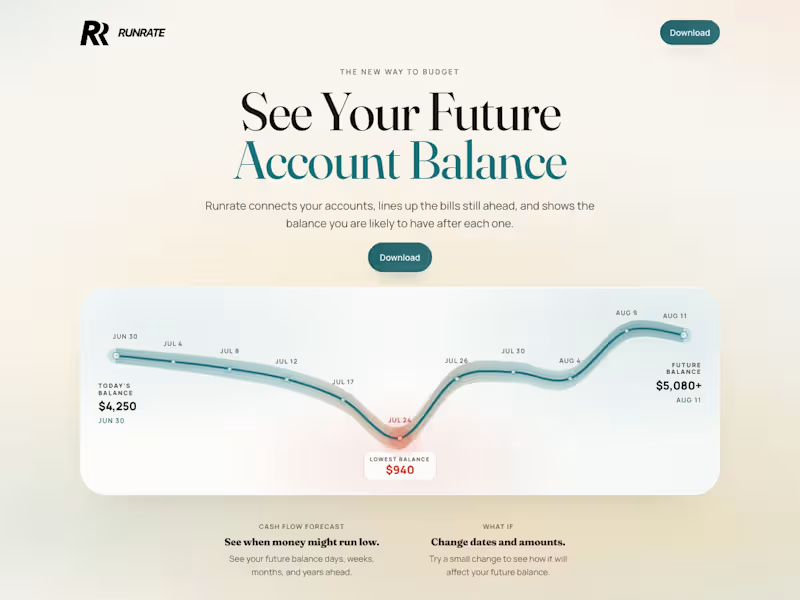
Runrate is a personal finance app that helps people see their future account balance before bills and paydays hit.
I worked across product design, native iOS implementation, account connection flows, forecasting UX, and launch support.
The project shows my ability to turn a complex financial problem into a calm, visual consumer app: connecting accounts, modeling upcoming bills, surfacing low-balance moments, and helping users make better timing decisions before money gets tight.
1
67

LUXE Studio is a photo and video editing app built around focused tools instead of one crowded editor.
I worked across product design, native iOS implementation, subscriptions, QA, localization, App Store presentation, and release support.
The project shows my end-to-end mobile product workflow: shaping the app experience, shipping polished editing features, refining launch assets, and supporting the product through release.
3
181
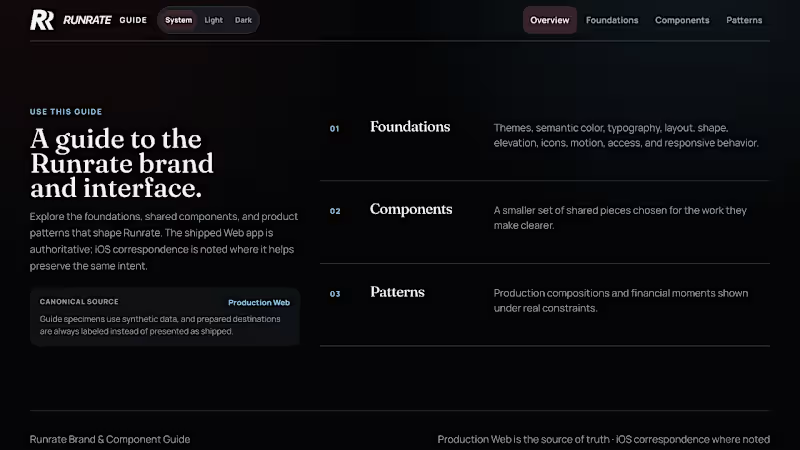
I built Runrate's design guide in HTML by describing it to Codex in natural language instead of starting in Figma.
It still covers what I would normally organize in a Figma library:
- semantic color tokens and themes
- typography, spacing, shape, elevation, icons, and motion
- accessibility and responsive behavior
- reusable components with states, usage guidance, anti-patterns, and live examples
- product patterns for the ledger, accounts, forms, navigation, and risk or recovery states
- guidance for translating the same intent between Web and iOS
The difference is that these are not static frames.
The tokens are implementation contracts. The components can be used in the browser. The patterns include real constraints, interaction behavior, and accessibility. Production Web remains the source of truth.
Then I point the project's AGENTS.md file at the guide.
The instruction is essentially this:
Before creating or changing a customer-facing Runrate surface, consult the design guide. Use Foundations for tokens, hierarchy, and voice. Use Components for behavior and states. Use Patterns for composition. Reuse the existing system before extending it.
That applies to new product features, email templates, marketing creative, and anything else that should match the guide.
So the design system is not only a library.... it becomes part of the context used to generate the work.
https://myrunrate.com/design
What do you think about this? And are you making your design system readable by agents? Curious what other people are doing.
3
187

Frontend Engineer | iOS Developer 🚀
Frontend Engineer | iOS Developer 🚀
View more →

Designer & Builder
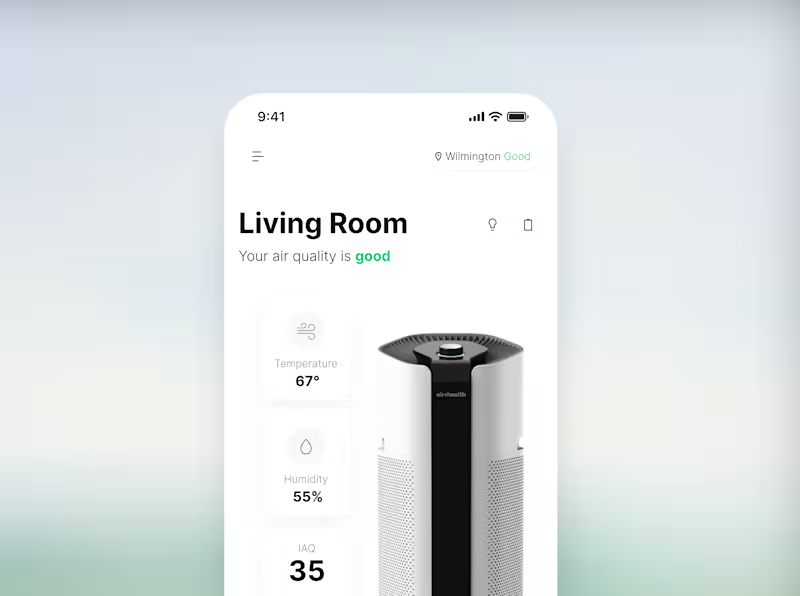
Airhealth helps people monitor indoor air quality and control their purifier. The redesign shifts from control-first to status-first making air quality legible at a glance.
3
545
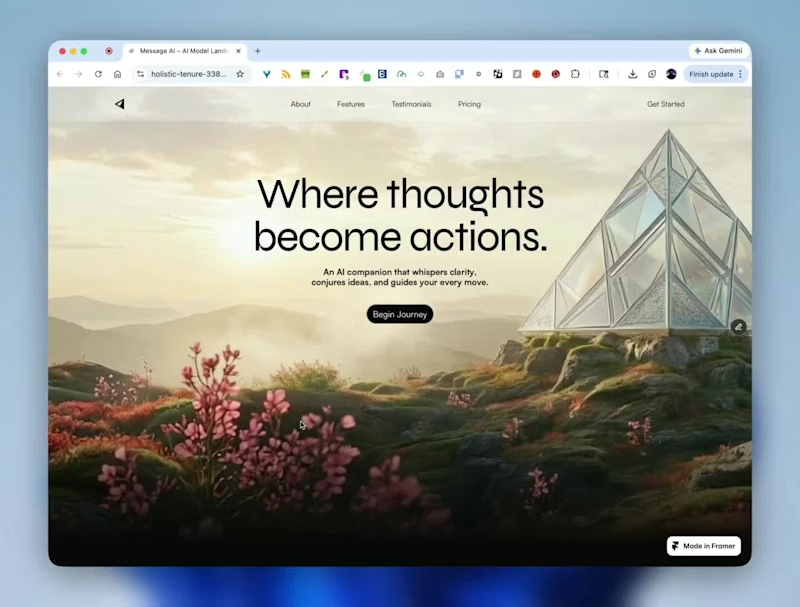
Early hero exploration for AI startup landing page!
No AI one shot tools, no figma killer apps.
I find working along side AI tool produces much better results then just delegating it to them.
5
6
204


Android & iOS App Developer (React Native)
Android & iOS App Developer (React Native)


Built a Multi-Role EdTech LMS (500K+ Users, 47 Countries) using React Native
Designed and developed a multi-role Learning Management System (LMS) for a global EdTech platform, serving 500K+ students across 47 countries.
The platform supports students, guardians, and center administrators with real-time progress tracking, adaptive learning workflows, and offline-first functionality.
Built using React Native with a single codebase, reducing development time while ensuring scalability, performance, and seamless cross-platform experience.
4
152

Peasomy is a React Native property operations and booking platform that unifies property discovery, listings, bookings, payments, and in-app communication. It provides role-based tools for Owners, Agencies, Cleaners, and Security to manage properties, track bookings, revenue, and operations. By centralizing workflows, Peasomy reduces operational friction, improves booking conversion, and helps property businesses scale efficiently.
0
139

Mobile/Web Design, Branding


Mobile Engineer
Mobile Engineer


View more →