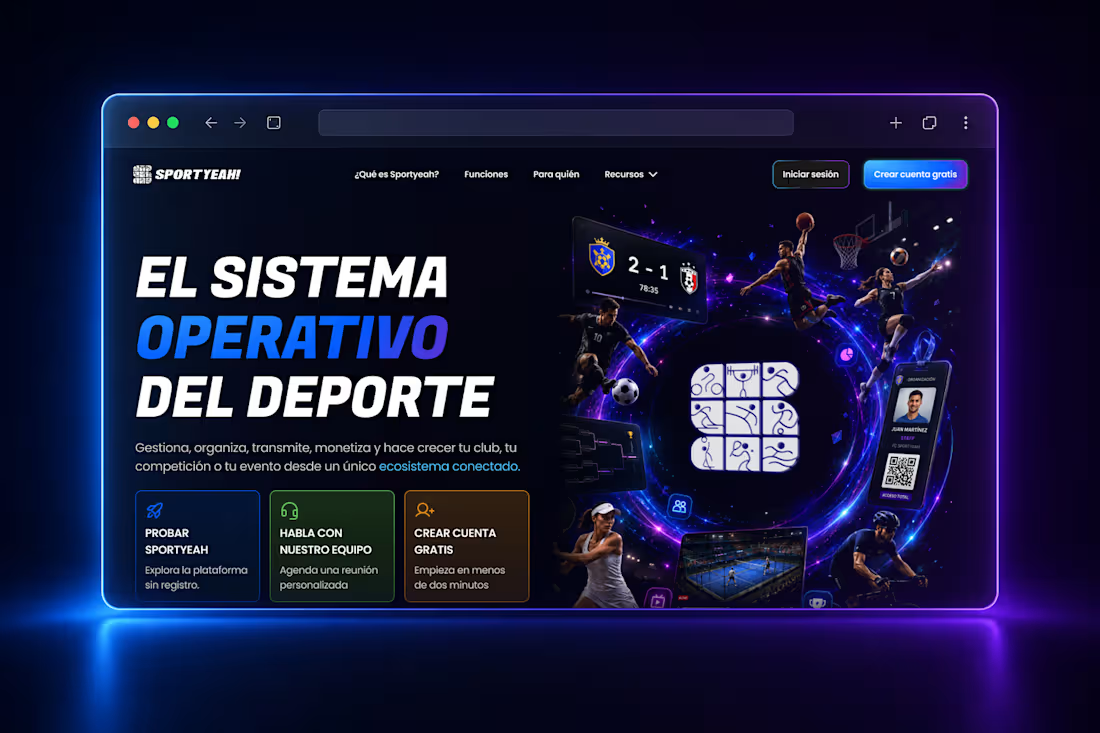
🚀 New Case Study: Sportyeah Landing Experience
Over the past few weeks, I worked on reimagining the digital entry point for Sportyeah, an ecosystem designed to connect athletes, clubs, organizers, brands, facilities, and sports professionals.
The challenge wasn't creating another sports website.
It was transforming a feature-heavy platform into a clear and compelling story.
The goal was simple:
👉 Shift the perception from a sports management platform to the digital home of sports.
Through UX strategy, information architecture, visual storytelling, and UI design, I focused on creating an experience that communicates Sportyeah's vision before its features.
The result is a landing experience built around community, competition, events, broadcasting, and growth—everything connected within a single ecosystem.
🔗 View the full case study:
https://cristianzibecchi.myportfolio.com/sportyeah-landing-experience
#UXDesign #UIDesign #ProductDesign #WebDesign #LandingPage #SportsTech #Figma #DesignPortfolio #DigitalProductDesign
2
95

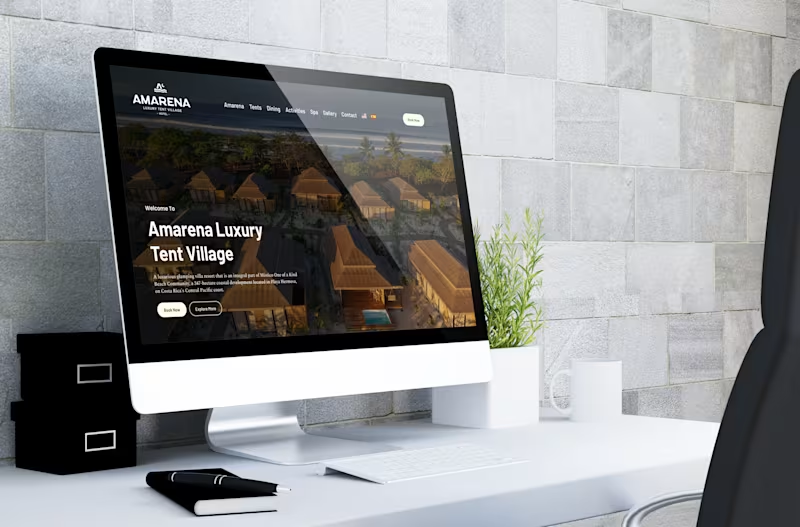
Redesigning Amarena’s digital experience ✨
We moved away from a long-scroll landing and restructured the experience into clearer, focused interfaces, improving navigation, readability, and overall flow.
The goal was simple: let the visuals breathe and make every section feel intentional.
Key improvements:
· Stronger visual hierarchy and spacing
· Full-width imagery for a more immersive feel
· Cleaner, more intuitive navigation
· Refined microcopy and section naming
· Better structured content across villas, spa, and experiences
A more editorial, elevated approach that aligns with the brand and enhances how users explore the space.
Design is not just how it looks. It’s how it guides you.
Portfolio: https://cristianzibecchi.myportfolio.com/
1
6
149
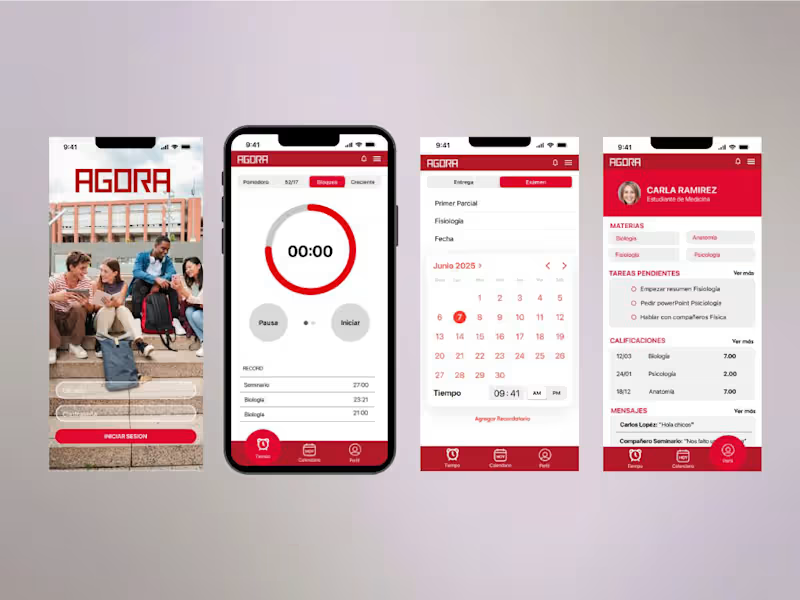
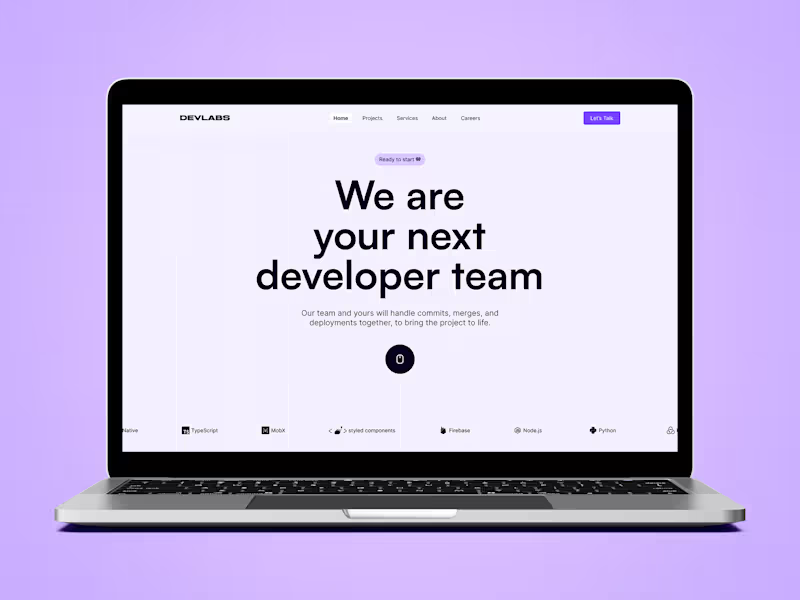


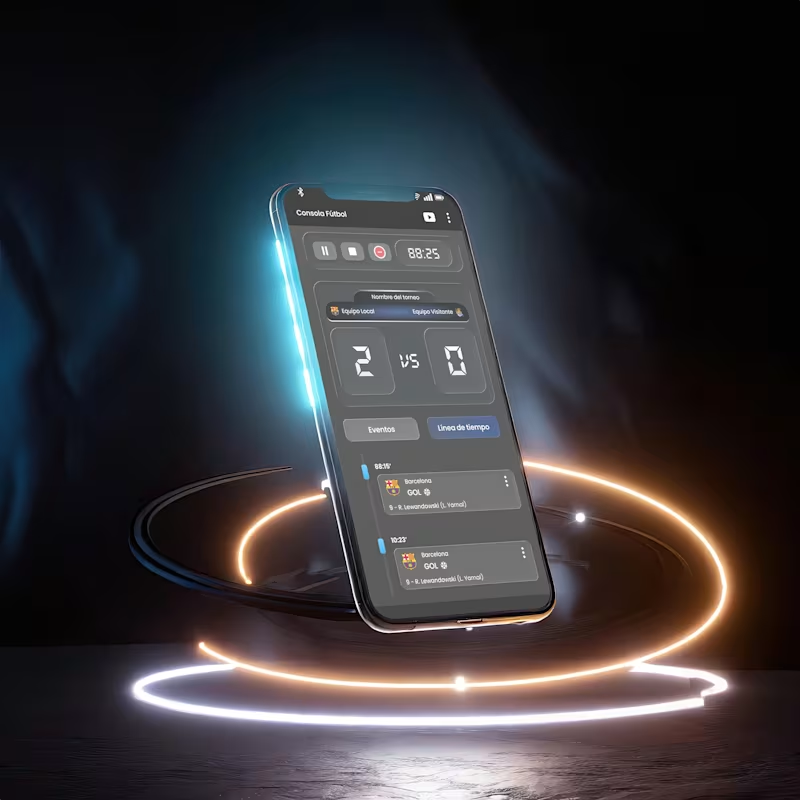
This work showcases the UX/UI flow of Sportyeah’s web feed, from content consumption to creation and performance tracking.
The flow starts with the main feed interface, designed for smooth scrolling and content discovery. It then transitions into Sportyeah Studio, where users can create different types of posts: image, video, text, link, audio, and polls.
During content creation, users can enrich their posts with hashtags, mentions, location, descriptions, and other feed-specific features designed to increase engagement and contextual relevance. The flow concludes with post analytics, allowing users to track performance and understand how their content behaves inside the platform.
The focus of this work was to design a scalable, intuitive system that balances flexibility for creators with clarity and consistency.
26
391
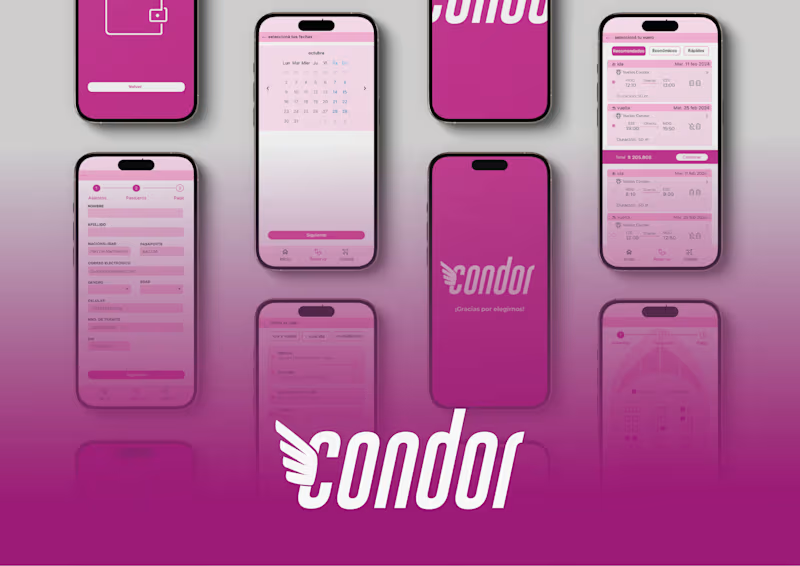
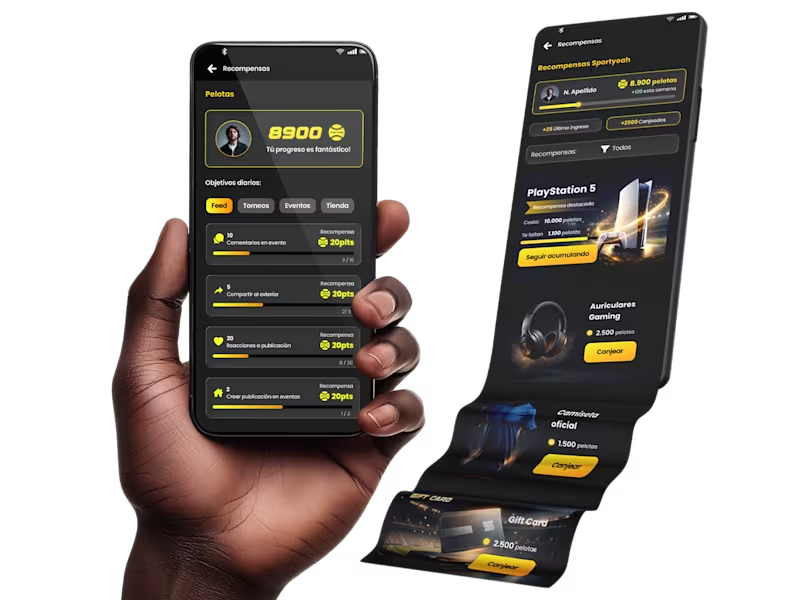
Built a full rewards system for a sports platform — from points → challenges → redemptions.
The goal wasn’t just UI, but creating a system that actually drives engagement:
• Earn points through real actions
• Track progress with clarity
• Redeem rewards with a sense of achievement
Everything is designed as a connected experience, not isolated screens.
Highlights:
Gamified challenges that guide user behavior
Wallet-style points tracking (inspired by fintech patterns)
Reward system with strong visual identity and motivation
Clear redemption flow with status and feedback
Curious how others approach gamification in product design —
what have you seen work (or fail) in reward systems?
0
118
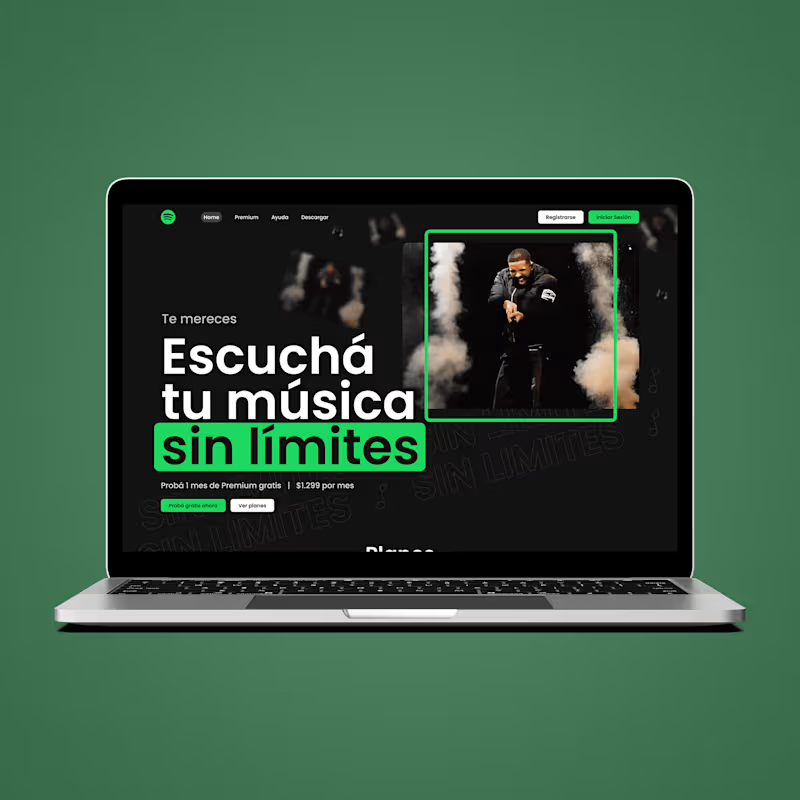
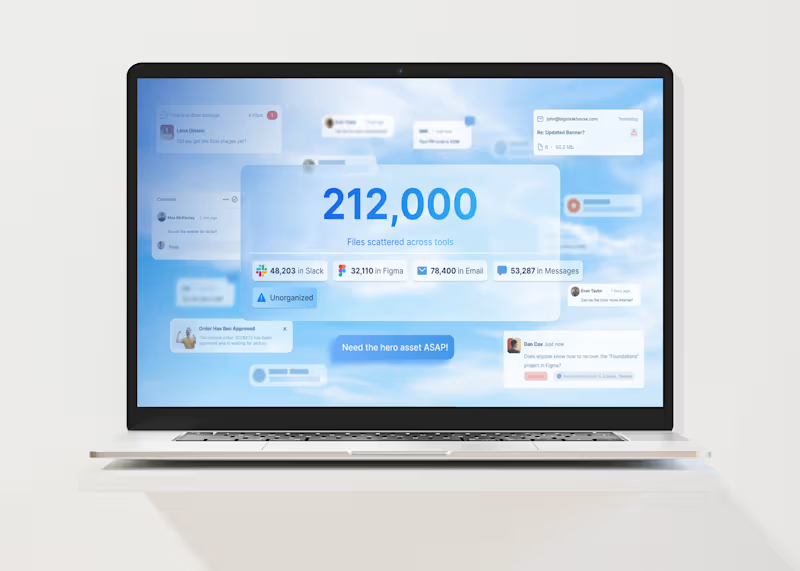
Visualizing Creative Chaos — Air.inc Style Frames
Motion style frames created for a campaign concept about creative operations.
The narrative visualizes a common problem inside creative teams: searching through thousands of files across tools like Figma, Slack, email, and messages.
The concept translates this chaos into a simple visual story:
Chaos → Cost → System.
The frames were designed to guide motion and storytelling, using annotations, directional cues, and structured UI elements that support animation and pacing.
2
1
139