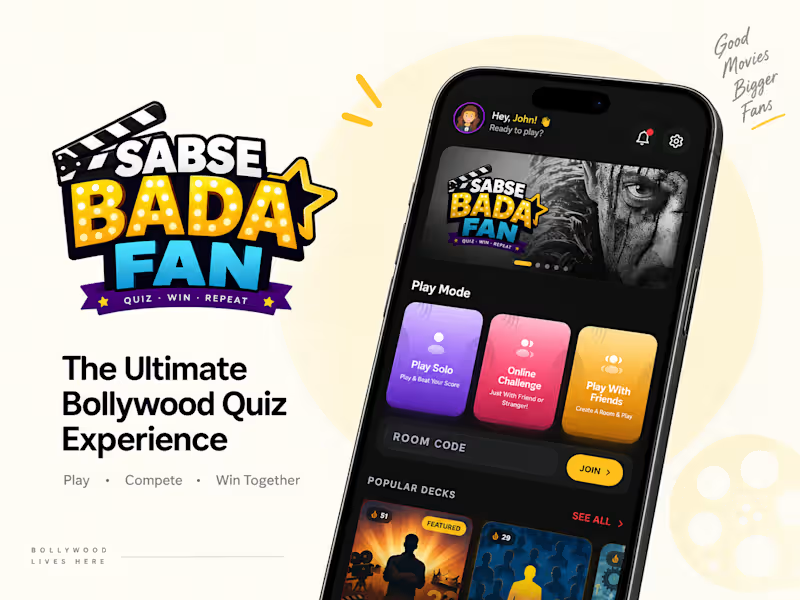
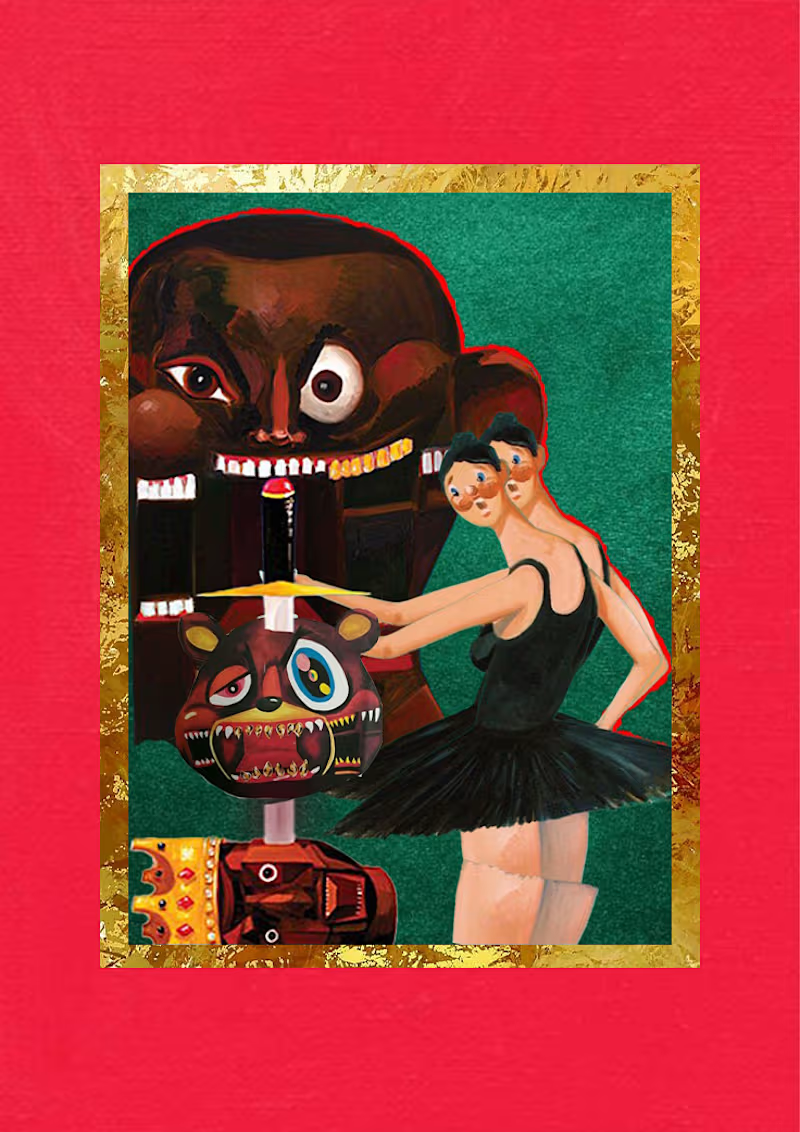
Projects in KharagpurProjects in KharagpurYour logo gets attention. Your visual identity builds recognition. ✨
A strong brand identity is more than a beautiful logo. It’s a carefully designed visual system that communicates who you are, what you stand for, and how you want your audience to feel.
For this recent visual identity design project, I focused on creating a cohesive, premium, and memorable brand experience where every detail works together, from logo design, typography, and color palette to the overall visual language.
The goal wasn’t simply to make the brand look good. It was to create a strategic visual identity that builds trust, strengthens brand recognition, and makes the brand feel consistent and intentional.
Because when your branding, graphic design, and visual communication work together, your brand becomes easier to recognize, easier to remember, and much harder to ignore. 🚀
Is your visual identity communicating the right message?
Let’s build a brand that looks purposeful, feels authentic, and stands out. ✨ Built for the Accenture Innovation Challenge (Round 2), this one tackles a problem most companies rolling out AI don't think about until it bites them: if you're running several different LLM-powered features at once — a customer support bot, an internal knowledge assistant, a tool inside a regulated decision workflow — each one needs a completely different level of scrutiny. A support bot can tolerate more risk and needs to respond fast; a regulated decision-support tool needs to be slow, careful, and willing to hold a response for human review rather than guess.
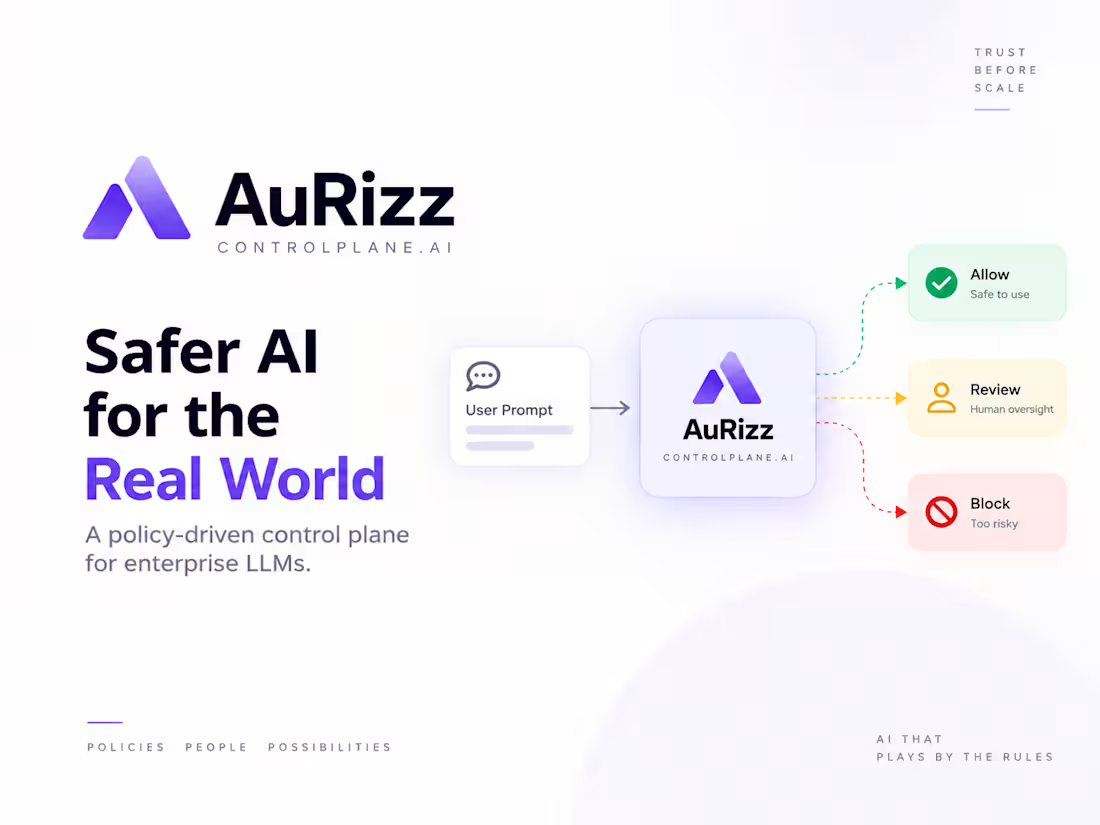
AuRizz is a middleware layer that sits between an enterprise's LLM provider and its users and decides, per use case and in real time, whether a generated response should go through as-is, get redacted, get held for a human, or get blocked outright.
What made this a genuinely hard build, not just an API wrapper:
Policy-driven, not hardcoded. Every behavioral difference between use cases — which checks run, their thresholds, what happens on failure — lives in YAML config, not in application code. Switching a deployment's risk posture is a config edit, not a redeploy.
Confidence as a first-class signal. Every check returns both a risk score and a confidence in that score — a high-risk-but-unsure reading routes to human review instead of auto-blocking, which is the actual fix for alert fatigue.
Multi-provider by design. Works with Anthropic, OpenAI, Gemini, or Groq behind one interface, with automatic runtime fallback if a provider fails — switching providers is a one-line config change, not a rewrite.
A real audit trail. Every decision is written to a hash-chained, tamper-evident log, and human overrides are appended as new records rather than edits — so the fact that the system said block and a human said allow is preserved, not erased.
Built to be tested. 104 tests run the full pipeline — detectors, aggregation, decision rules, the audit chain — with no network calls or API keys required, because everything is built against interfaces, not vendor SDKs directly.
I worked on this with a teammate — I focused on architecture, pipeline, backend, and we split the detector logic, policy engine, and audit system between us.
Stack: Python, FastAPI, React, TypeScript, Pydantic, SQLite, multi-provider LLM integration (Anthropic/OpenAI/Gemini/Groq)
Status: this is a working prototype, not a deployed product — the source is public and the full pipeline runs locally with real API calls or offline in the test suite, but it hasn't been hosted or put in front of real traffic yet.
If you're building anything where AI output needs a guardrail — content moderation, compliance-sensitive automation, multi-agent systems that need oversight — this is exactly the kind of system design problem I enjoy.