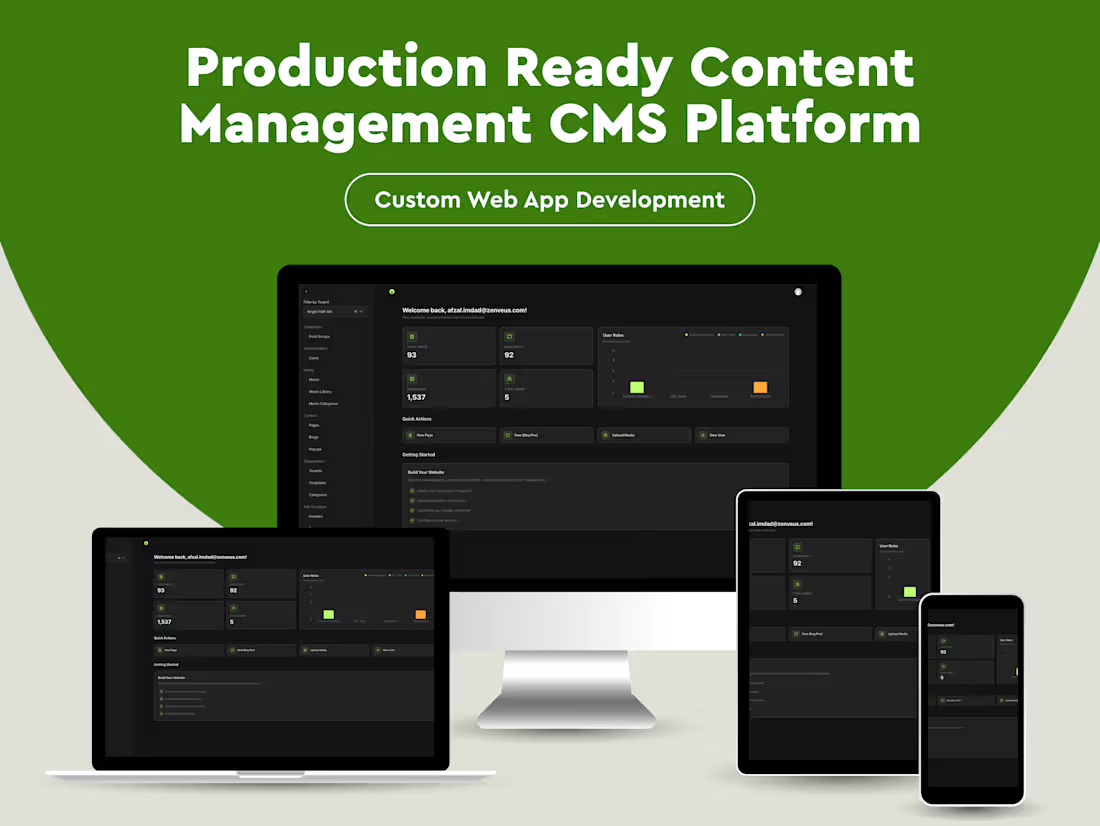
Multi-Tenant CMS and Website Platform for Multi-Brand Organizations
Description:
A production-ready multi-site CMS that lets one team run many branded websites from a single admin. It includes tenant isolation, a block-based page builder, automated WordPress migration, AI-assisted page building, and AWS infrastructure.
The challenge:
The client needed to manage many separate websites from one CMS. Each site had its own domain, theme, content and users. The platform had to do four things at once:
• keep tenants fully isolated from each other
• give editors reusable building blocks instead of one-off pages
• make moving existing WordPress sites in fast instead of a manual rebuild
• run reliably in production, not just work as a prototype
What I built:
1. Multi-tenant Payload CMS.
Tenant isolation, per-tenant domains and themes, and role-based access control, so every brand stays separate within one admin.
2. Block-based page builder.
Reusable content blocks, plus blog and form support, so editors build pages without a developer.
3. WordPress migration automation.
Existing sites are imported automatically, and content import and export runs through structured workflows.
4. AI-assisted page and component generation.
Claude turns screenshots and layouts into ready-to-use pages and components, which speeds up new-site setup.
5. Performance and SEO.
Static site generation with Next.js, semantic HTML, and Tailwind CSS for fast, search-friendly pages.
6. Production AWS infrastructure.
Defined in CloudFormation with RDS (PostgreSQL), S3, CloudFront, ACM, SES, Lambda and WAF, with separate staging and production environments.
7. Production-readiness work.
Improvements to admin UX, data workflows, environments and infrastructure security, plus Playwright in the tooling.
The outcome:
The product went from concept to a production-ready multi-site platform. One team can now launch and run many branded websites from one place. Each site is isolated, fast and SEO-friendly. Migrations and new builds take a fraction of the manual effort.
Key takeaway:
A white-label CMS only scales when flexible content tooling comes with real production engineering: isolation, migrations, infrastructure and security.
Good fit for: agencies, franchises, multi-brand organizations, and SaaS teams managing many websites from one platform.
Skills and tools used:
Next.js · Payload CMS · PostgreSQL · Tailwind CSS · AWS · CloudFormation · CloudFront · RDS · S3 · Lambda · SES · WAF · Playwright · Claude API · Multi-Tenant SaaS · Headless CMS · WordPress Migration · SEO
1
566
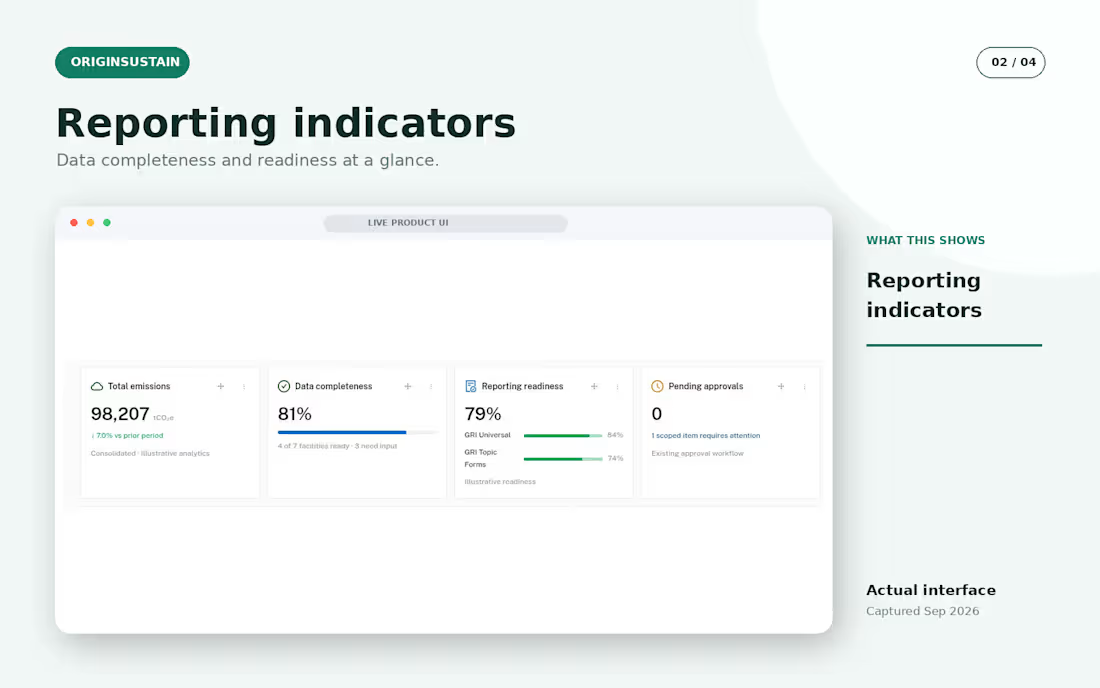
ESG reporting is a workflow problem as much as a data problem: teams need applicability rules, evidence, consolidation, review, and approvals before a report is ready.
For OriginSustain, I built NestJS/TypeScript backend services, PostgreSQL and Redis/BullMQ processing, and AWS/Docker delivery with CI/CD. OpenAI API and RAG support part of the reporting flow. The screens here are from the product’s illustrative command center; the numbers are demo values, not client outcomes.
The full backend case study: https://contra.com/p/WvNXbmQR-origin-sustain-or-multi-tenant-esg-reporting-backend
5
1.4K
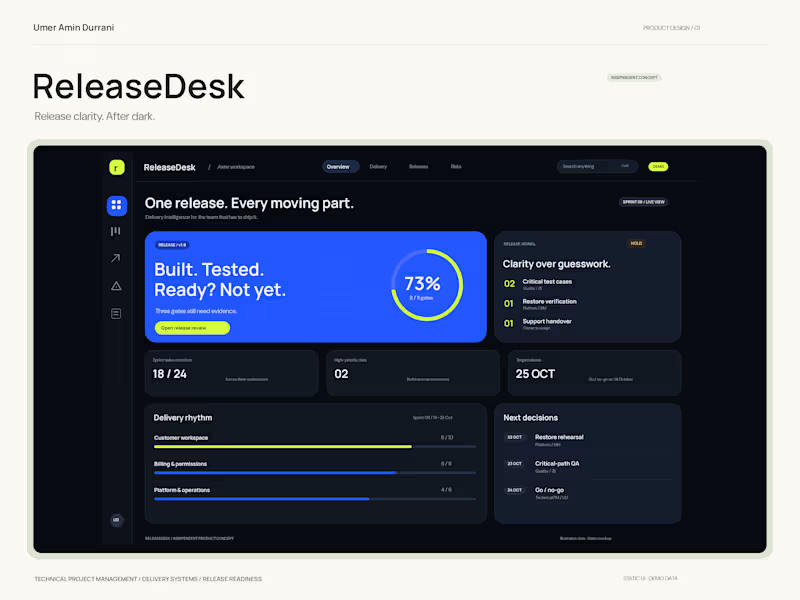
ReleaseDesk — Technical Project Management & Release Readiness
Code complete doesn’t always mean ready to launch. ReleaseDesk is an independent product concept exploring how software teams can make that distinction clear.
The proposed workspace brings delivery progress, release checks, risks and decision records into one shared view. Each blocker connects to an owner, a next action and the evidence needed before approval.
These mockups demonstrate three core workflows:
• Delivery overview: sprint progress, unresolved blockers and upcoming checkpoints.
• Release readiness: testing, recovery verification, operational handover and approval gates.
• Risks & decisions: accountable owners, mitigation actions and documented technical trade-offs.
The concept reflects my approach to technical project management: turn uncertainty into clear requirements, visible ownership and reviewable decisions. Its midnight-black interface uses electric cobalt and acid lime to create hierarchy and highlight important actions.
Project type: Independent concept · Static UI mockups · Illustrative data.
0
28
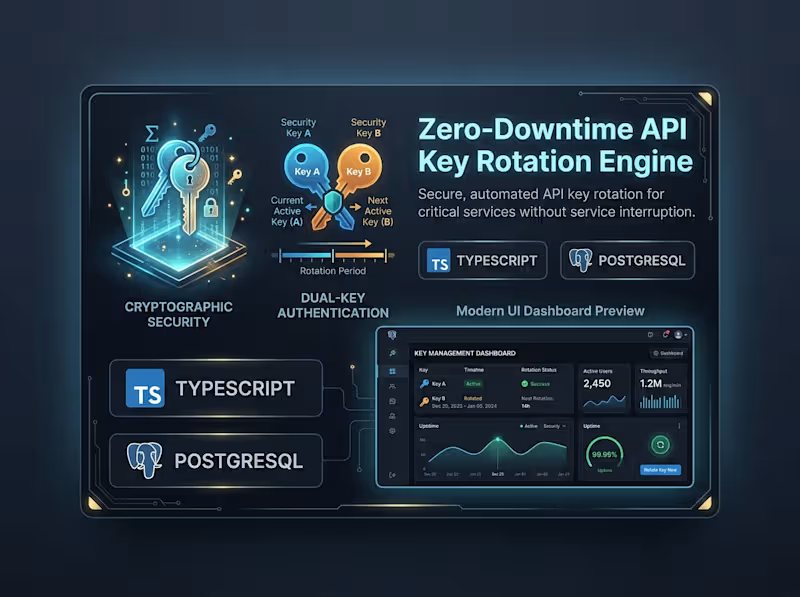
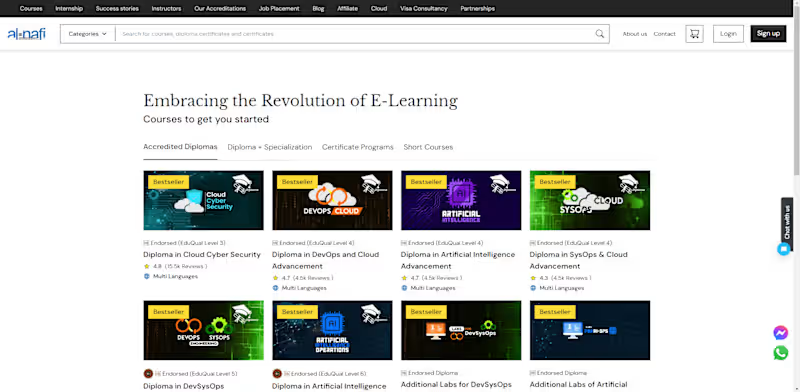
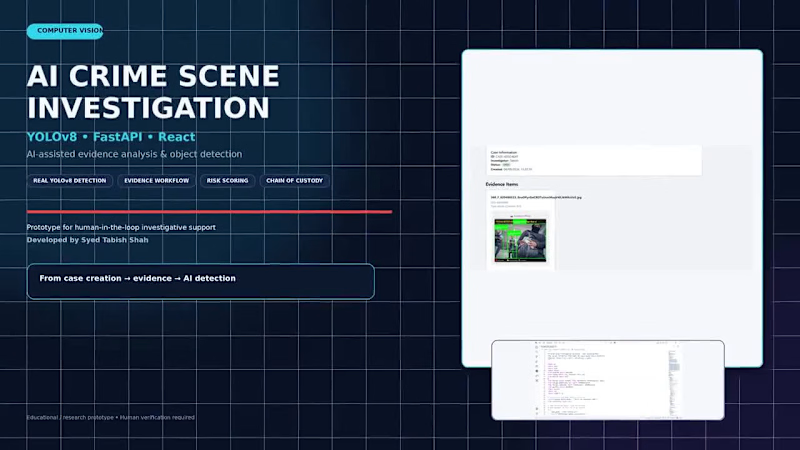
An experimental case-management and evidence-analysis application using YOLOv8 object detection. A FastAPI backend and React interface support evidence uploads, annotated results, timelines, reports, and chain-of-custody workflows.
Its GitHub Actions CI/CD pipeline tests and builds the React frontend, builds and scans the Docker image with Trivy, then uses passwordless Azure OIDC to publish to Azure Container Registry and deploy to Azure Container Apps.
0
23


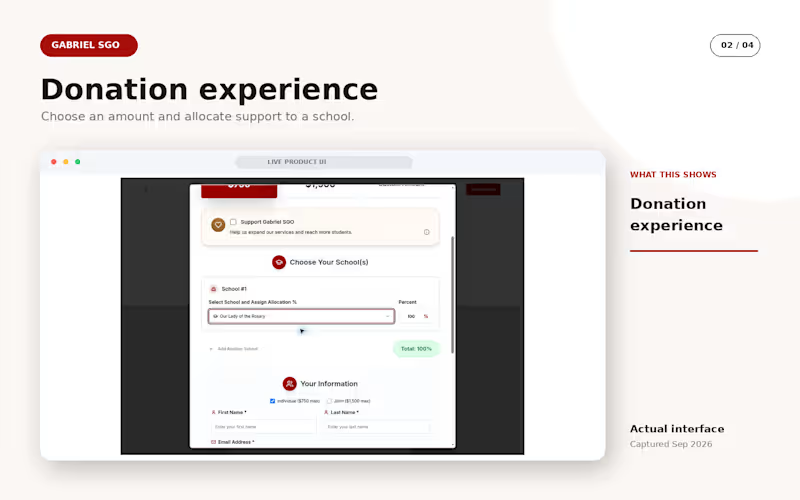
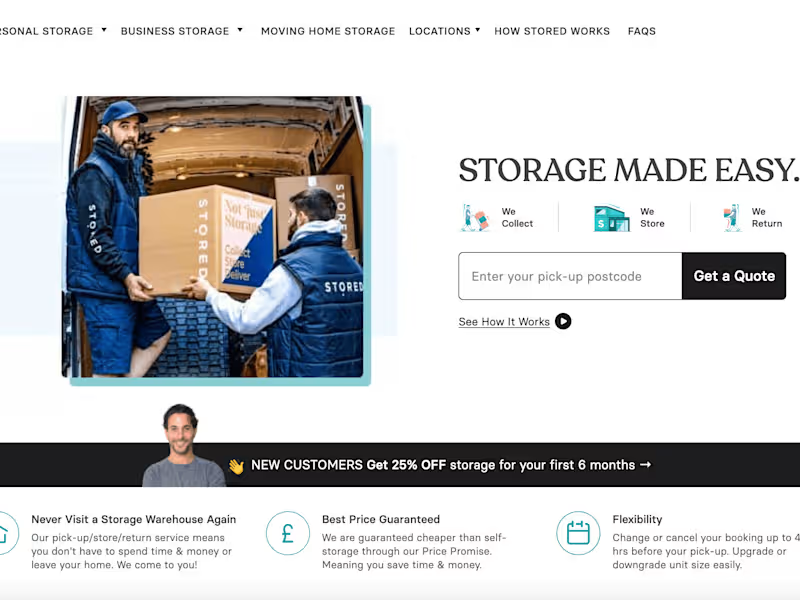
A good donation flow needs dependable systems behind the screens. For Gabriel SGO, I built the NestJS/PostgreSQL backend for donor and school workflows, with PayPal donation processing, Redis/BullMQ background jobs, Mailgun email, and AWS delivery.
The public experience helps Ohio donors estimate a contribution, choose a school, and understand the tax-credit process. I documented the backend work and real site screens here: https://contra.com/p/Ls6L2o7Y-gabriel-sgo-or-donation-and-school-allocation-backend
3
982