
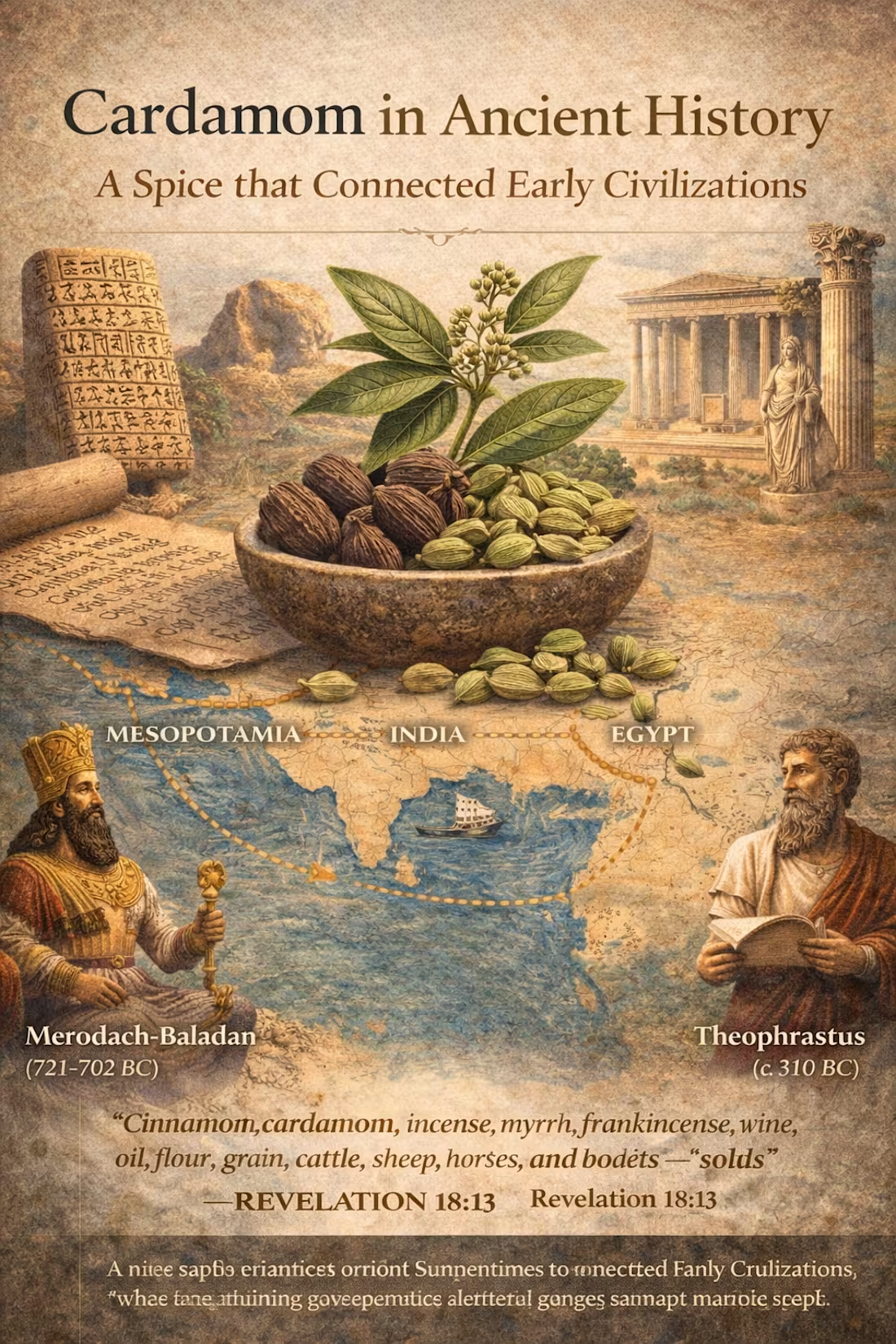
Cardamom’s story spans thousands of years—from the gardens of Mesopotamian rulers to the spice routes linking India, Egypt, and the Mediterranean.
Ancient texts, archaeological evidence, and botanical research reveal how this small aromatic pod influenced trade, medicine, and cuisine across civilizations.
Transforming historical research into engaging narratives is one of the most rewarding aspects of writing about food, culture, and science.
If you are working on a book, article, or research project in history, food culture, herbs, or natural products, I help turn complex material into clear, compelling writing.
#Ghostwriting #BookWriting #HistoryWriting #FoodHistory
2
172


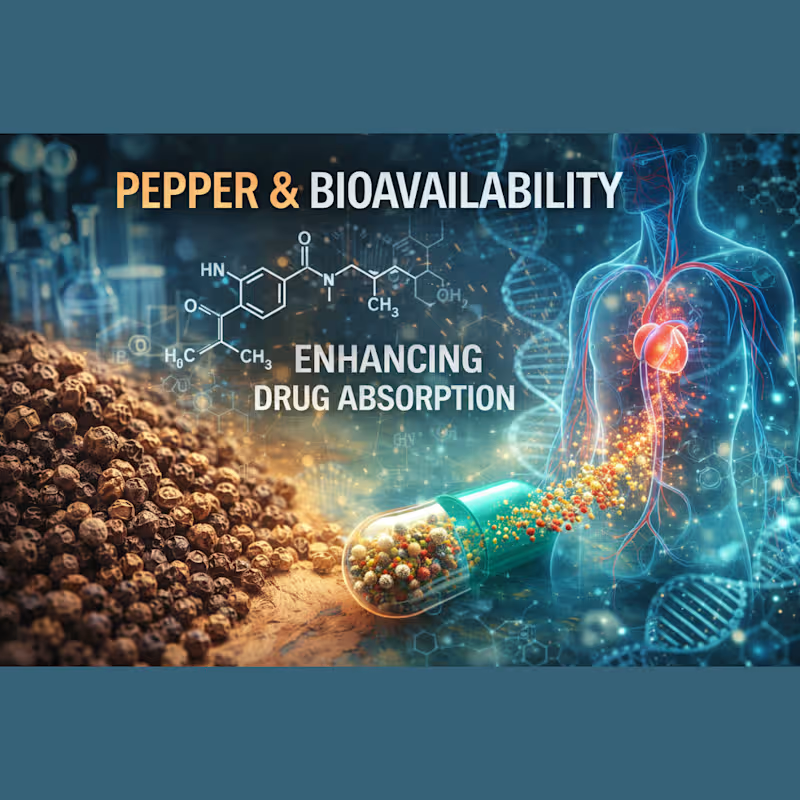
Black pepper (Piper nigrum) is more than a culinary spice—it is a pharmacological bioavailability enhancer. Its active compound, piperine, modulates drug-metabolizing enzymes and transport pathways, increasing systemic absorption of co-administered compounds such as curcumin. Long recognized in traditional formulations and now supported by pharmacokinetic research, pepper illustrates a core principle of therapeutics: efficacy depends not only on potency, but on delivery dynamics.
0
94


GenAI has changed cybersecurity.
It’s no longer just about protecting systems.
It’s about protecting reality.
AI can now clone voices, fake videos, and automate phishing at scale.
For digital government, that means:
• Identities can be spoofed
• Messages can be fabricated
• Trust can be manipulated
Cybersecurity must move from IT function → public trust function.
Digital transformation without embedded security is exposure.
#GovTech #Cybersecurity #DigitalGovernment #GenAI #PublicPolicy
3
193
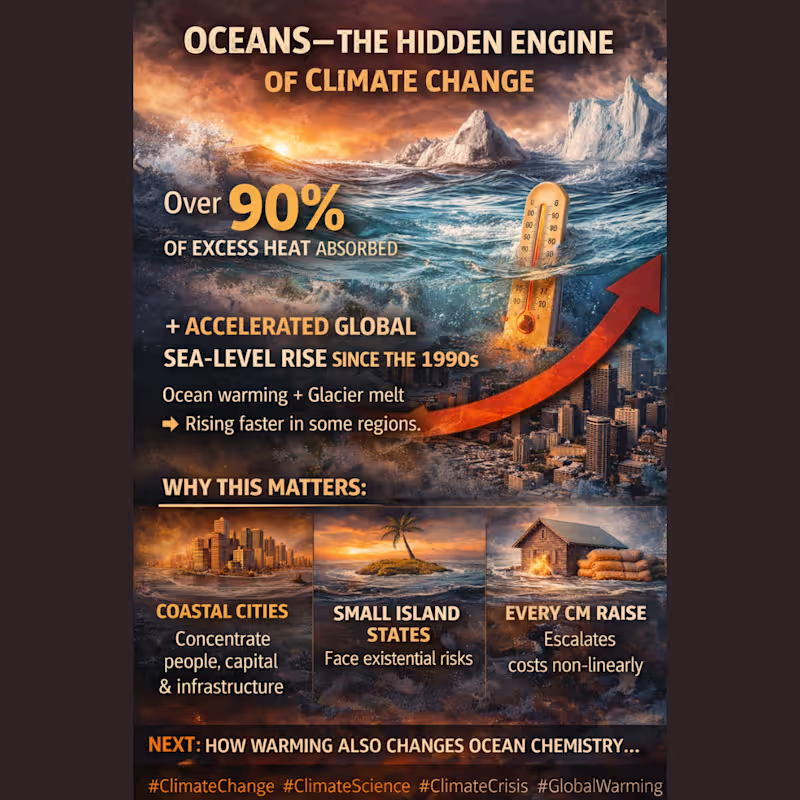
90% of the excess heat from climate change is absorbed by the oceans.
That single fact explains why:
• Sea levels are rising faster since the 1990s
• Coastal risks are accelerating
• Some impacts are now locked in for centuries
Climate change isn’t just in the air.
It’s unfolding in the oceans—quietly, relentlessly.
Next: how warming oceans also change chemistry.
#ClimateChange #ClimateScience #ClimateCrisis #GlobalWarming #EarthSystems #ClimateRisk #ExtremeWeather #ClimateAction
0
105
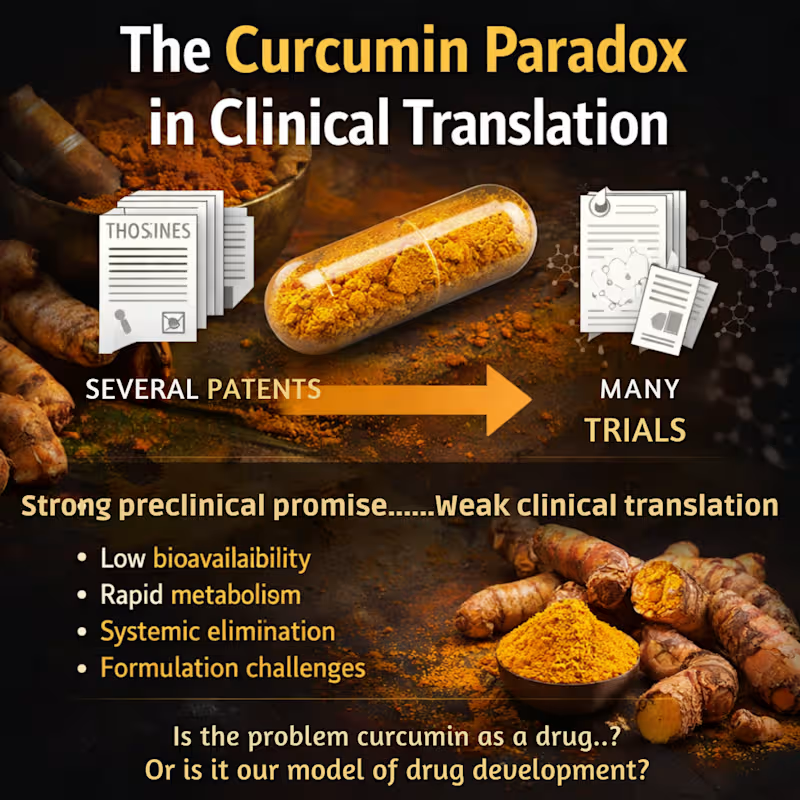
Curcumin: A Case Study in Missed Translation
Curcumin, the active compound in turmeric, sits at the center of a modern paradox. Thousands of patents and an immense body of preclinical research highlight its anti-inflammatory, antioxidant, and anti-cancer potential—yet no curcumin-based drug has emerged from clinical trials.
The reason is structural, not botanical. Curcumin shows poor bioavailability, rapid metabolism, and formulation challenges that clash with the single-molecule drug model. Traditional systems never used turmeric in isolation, pairing it with fats and bioavailability enhancers.
Curcumin may not be a drug failure—but a signal that our development frameworks need rethinking.
#Curcumin #DrugDevelopment #NaturalProducts #ClinicalResearch #IntegrativeMedicine
1
2
155
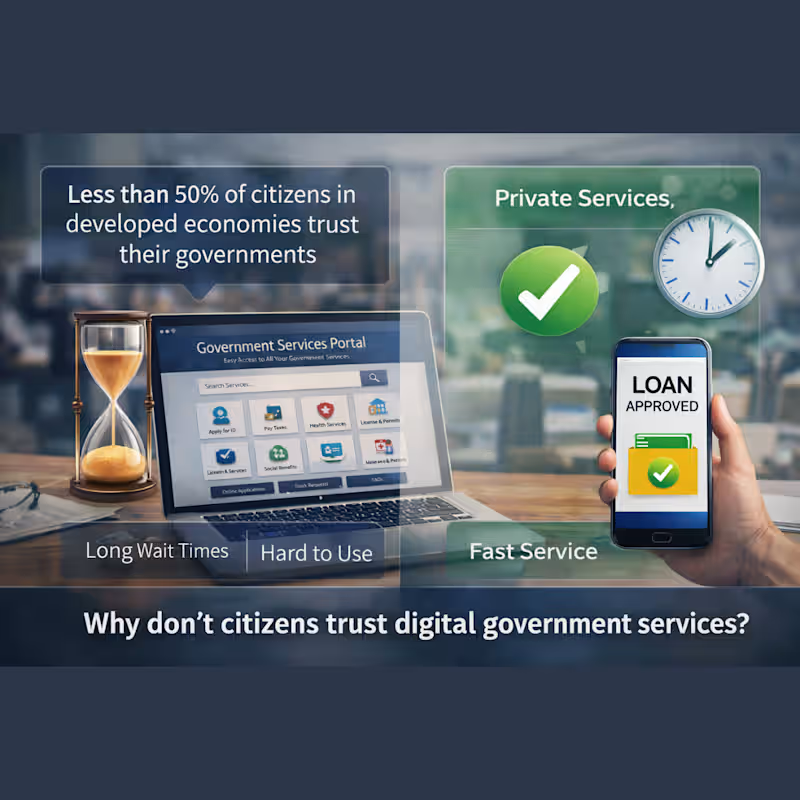
Governments worldwide have invested heavily in digital platforms. Portals exist. Forms are online. Processes are “digitized.” Yet public trust remains stubbornly low.
The reason is not a lack of technology—it’s a lack of citizen-centric design. Long wait times, confusing interfaces, and fragmented processes signal to citizens that their time is not valued. When people can access financial services instantly but wait weeks for basic government approvals, trust erodes.
Digital government succeeds only when it starts with human outcomes, not institutional convenience. Technology should simplify citizens' lives, not mirror bureaucratic complexity. Trust is rebuilt when digital services respect time, dignity, and intent.
0
55
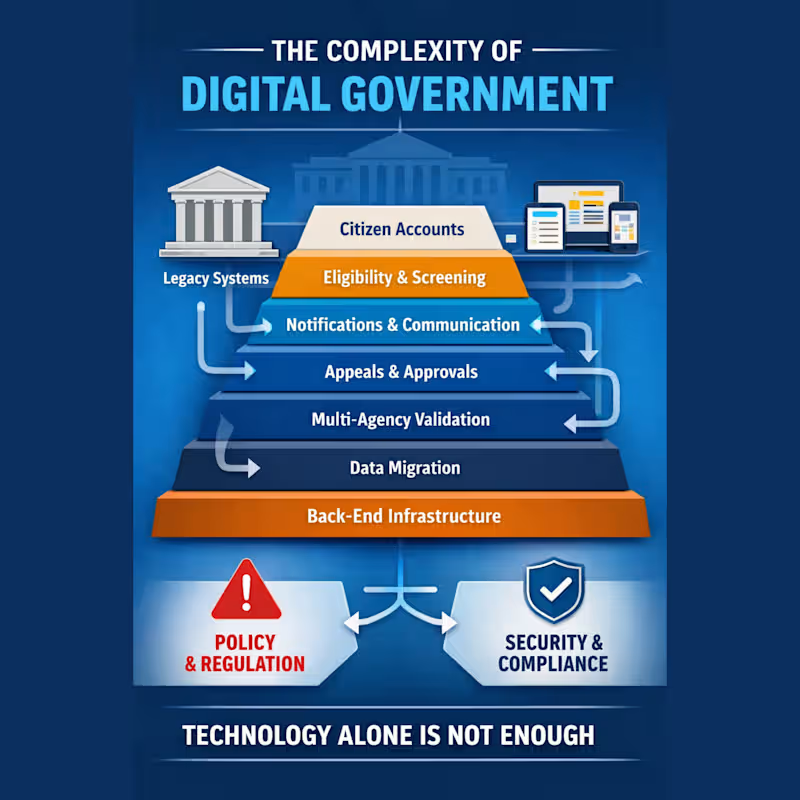
Why Digital Government Fails When We Ignore Complexity
Digital government is often discussed as a technology problem. In reality, it is a governance problem expressed through technology.
Public services are not greenfield products. They are institutional systems shaped over decades by law, accountability requirements, safeguards, audits, and inter-agency coordination. When these services are digitised, this accumulated complexity does not disappear—it resurfaces in new forms.
The success of digital government depends less on front-end innovation and more on robust back-end architecture that respects how government actually works.
Where have you seen digital reform underestimate how government really operates?
1
85

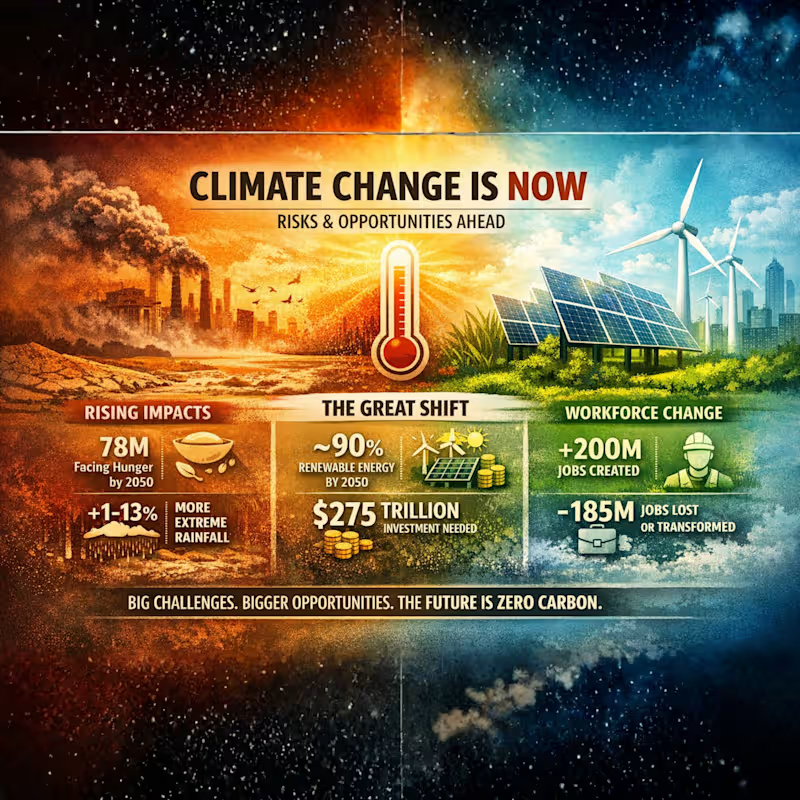
Climate Change, Energy Transition, and What Comes Next
Climate change is no longer a future risk—it is a systemic force already reshaping weather, food security, energy systems, and work. Rising greenhouse gas emissions have intensified heat, altered rainfall, and increased climate volatility, with the heaviest impacts falling on vulnerable regions.
At the same time, the global shift from fossil fuels to renewable energy marks one of the largest economic transitions in history. It will demand unprecedented investment, infrastructure change, and workforce realignment—while opening new pathways for innovation and resilience.
This perspective draws from long-form work I’ve ghostwritten on climate risk and systems transformation.
Where do you see the biggest gap today—policy, capital, technology, or narrative?
1
187