Freelancers using Wave Accounting in Chattogram
Freelancers using Wave Accounting in Chattogram
Sign Up
Post a job
Sign Up
Log In
Filters
2
Projects
People
Priyanka Ganguly
Chattogram, Bangladesh
Bookkeeper for Real Estate & Ecommerce | QuickBooks & Xero
10
Followers
Follow
Message
Bookkeeper for Real Estate & Ecommerce | QuickBooks & Xero
2
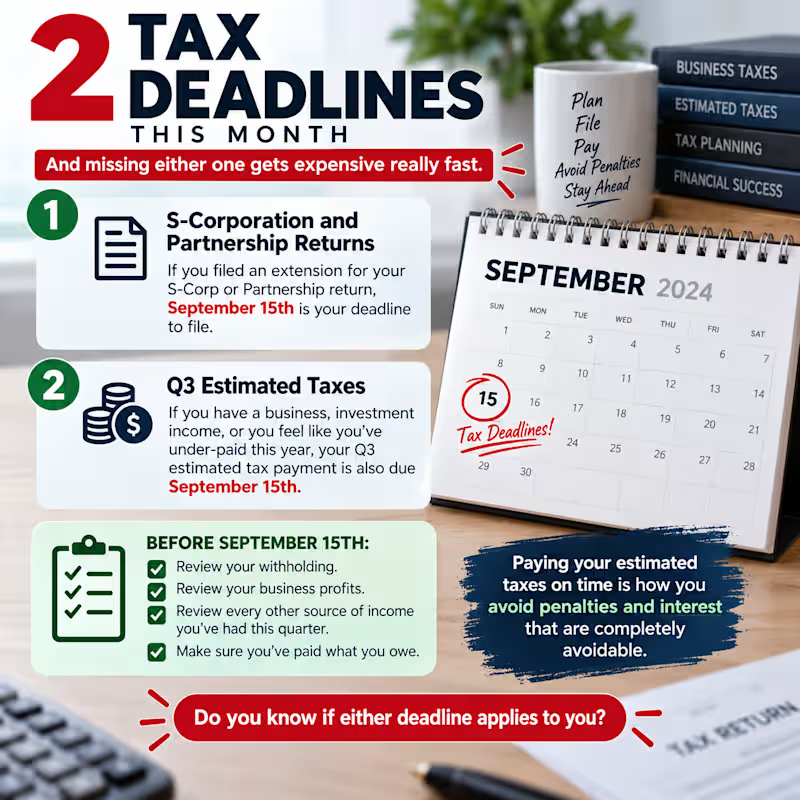
Two important tax deadlines are coming up — and this is exactly why clean, up-to-date books matter. 📌 September 15th 1️⃣ S-Corporation & Partnership Returns If your S-Corp or Partnership filed for an extension, this is the filing deadline. 2️⃣ Q3 Estimated Tax Payments Business owners and individuals with investment or other income may also need to make their Q3 estimated tax payment. But before tax deadlines arrive, your numbers need to be ready. That means: ✓ Books reconciled ✓ Business income properly recorded ✓ Expenses categorized ✓ Profit figures reviewed ✓ Financial records ready for your CPA or tax professional Good bookkeeping isn't just about keeping records organized. It helps you understand what you've earned, prepare for upcoming tax obligations, and avoid last-minute financial surprises. Are your books ready for the next tax deadline? #Bookkeeping #SmallBusiness #QuickBooks #Xero #FinancialCleanup #BusinessFinance
2
145
0
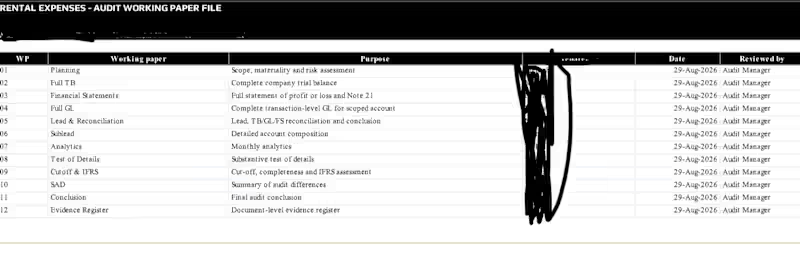
audit work
0
1
0
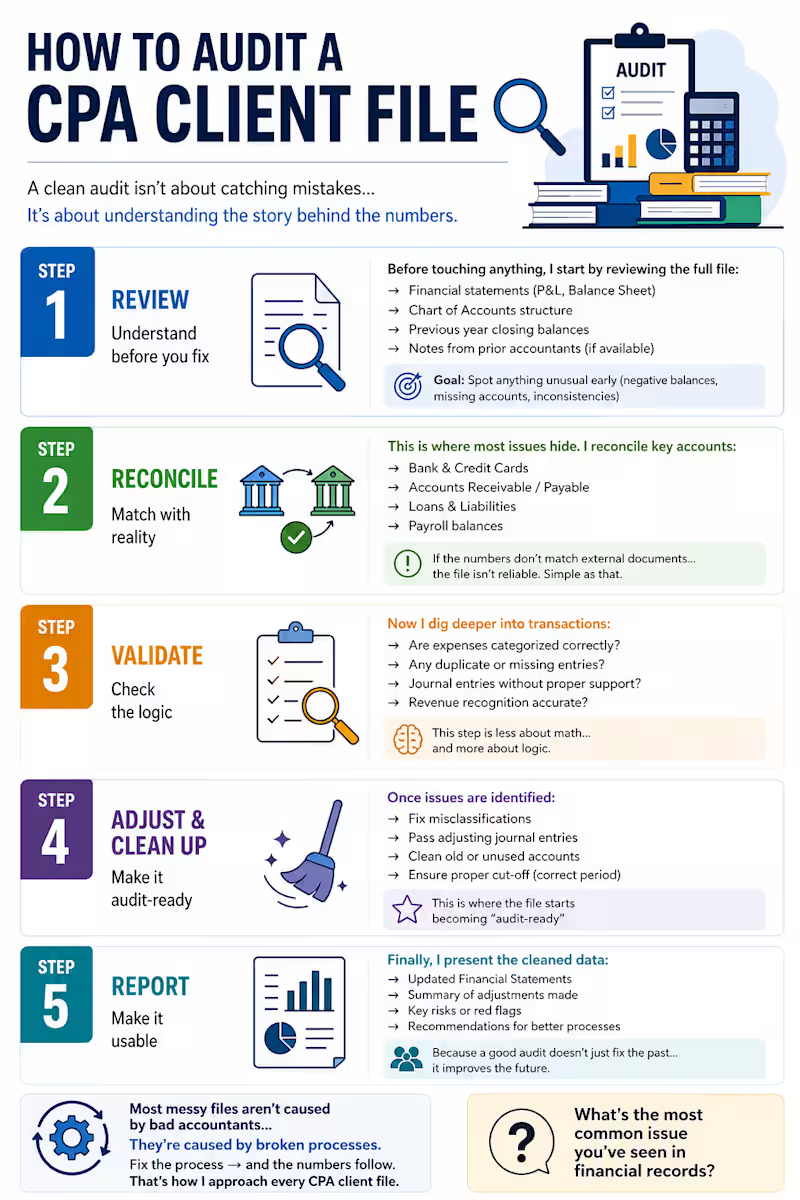
How to audit a CPA client file (step-by-step) 🔍 A clean audit isn’t about catching mistakes… It’s about understanding the story behind the numbers. I’ve worked on 10 of client files… and while every business is different… this simple structure works almost every time. It all comes down to: (1) Review → (2) Reconcile → (3) Validate → (4) Report ➡️ STEP 1: REVIEW (Understand before you fix) Before touching anything… I start by reviewing the full file: → Financial statements (P&L, Balance Sheet) → Chart of Accounts structure → Previous year closing balances → Notes from prior accountants (if available) Goal: Spot anything unusual early (negative balances, missing accounts, inconsistencies) ➡️ STEP 2: RECONCILE (Match with reality) This is where most issues hide. I reconcile key accounts: → Bank & Credit Cards → Accounts Receivable / Payable → Loans & Liabilities → Payroll balances If the numbers don’t match external documents… the file isn’t reliable. Simple as that. ➡️ STEP 3: VALIDATE (Check the logic) Now I dig deeper into transactions: → Are expenses categorized correctly? → Any duplicate or missing entries? → Journal entries without proper support? → Revenue recognition accurate? This step is less about math… and more about logic. ➡️ STEP 4: ADJUST & CLEAN UP Once issues are identified: → Fix misclassifications → Pass adjusting journal entries → Clean old or unused accounts → Ensure proper cut-off (correct period) This is where the file starts becoming “audit-ready” ➡️ STEP 5: REPORT (Make it usable) Finally, I present the cleaned data: → Updated Financial Statements → Summary of adjustments made → Key risks or red flags → Recommendations for better processes Because a good audit doesn’t just fix the past… it improves the future. === Most messy files aren’t caused by bad accountants… They’re caused by broken processes. Fix the process → and the numbers follow. That’s how I approach every CPA client file. What’s the most common issue you’ve seen in financial records?
0
96
0
The most dangerous bookkeeping mistake is the one that makes your numbers look normal. For 3 years, a client's books looked fine. Then I checked the numbers. The balance sheet was wrong. Revenue was recorded incorrectly. And the business owner had been making decisions based on those numbers. They didn't lose money because the books were messy. They lost time making decisions from numbers that weren't telling the real story.
0
38
Wave Accounting
(3)
Follow
Message
Explore people