Senior Engineer for ambitious digital products
- $10k+
- Earned
- 1x
- Hired
- 5.0
- Rating
- 7
- Followers
Senior Engineer for ambitious digital products


AI and Data Science Engineer, RAG, MCP and LLM Automation
- 13
- Followers
AI and Data Science Engineer, RAG, MCP and LLM Automation
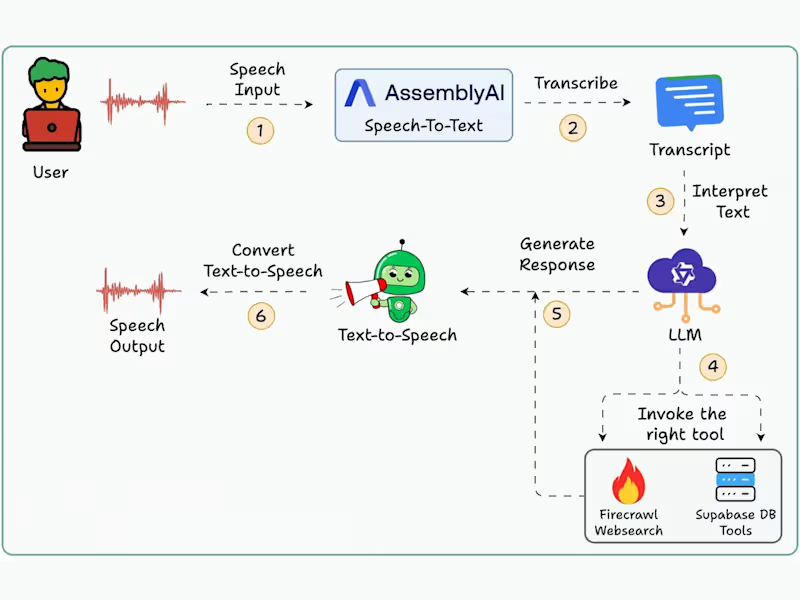
MCP-Powered Voice Agent: AI Speech-to-Text & Data Orchestration.
I recently engineered a Model Context Protocol (MCP) driven voice agent for a client who needed a seamless, hands-free way for their users to query internal databases and retrieve real-time internet data. The client faced a significant challenge: their users were experiencing friction when manually searching through complex internal records, and existing text-based chatbots were too slow and cumbersome for their fast-paced, on-the-go operational environment. They needed a highly responsive, voice-native AI solution capable of intelligently routing queries between proprietary data and external web searches without requiring manual intervention.
To solve this, I designed a real-time voice orchestration pipeline utilizing LiveKit for seamless audio management. The workflow begins when a user speaks into the system, which immediately processes the audio through AssemblyAI for highly accurate Speech-to-Text transcription. Once transcribed, the text is routed to the Qwen3 Large Language Model (served locally via Ollama), which acts as the central reasoning engine to interpret the text. By leveraging the Model Context Protocol, the agent can dynamically discover and evaluate available tools based on the exact intent of the user's spoken request.
The core implementation relies on intelligent, autonomous tool invocation. If the Qwen3 LLM determines the user's query is related to internal records, it securely invokes the right tool to query the client's Supabase database via dedicated MCP connections. If the required information is not found internally, or if the user asks a broader question, the system automatically falls back to utilizing Firecrawl to perform a live web search. After fetching the necessary data from either source, the LLM generates a cohesive text response, which is instantly converted back into natural audio via a Text-to-Speech module and delivered as speech output to the user.
The client was highly satisfied with the final deployment. The MCP architecture provided an incredibly robust and scalable framework, allowing them to easily and securely expose new database tables to the AI in the future without rewriting the core voice logic. By effectively eliminating the manual search bottleneck and delivering near-instantaneous, accurate voice responses, the project successfully modernized their data retrieval process and dramatically improved overall workflow efficiency.
1
335
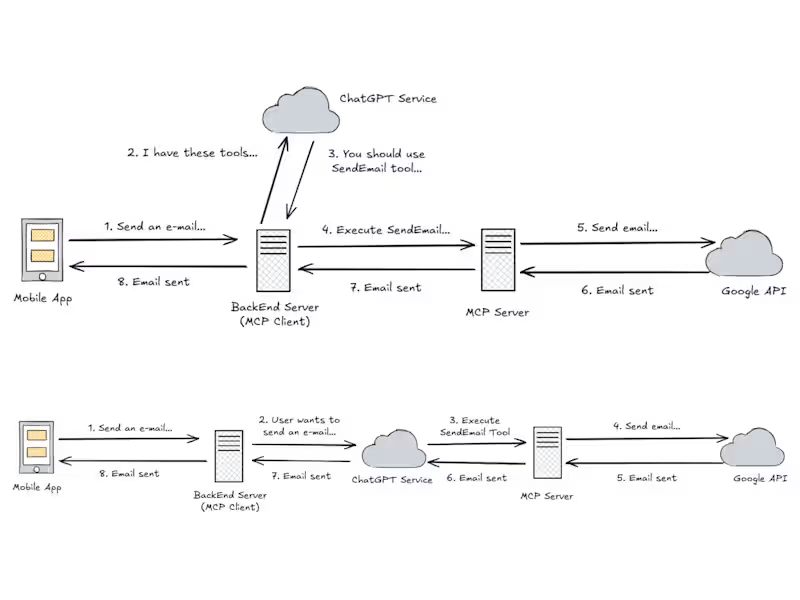
AI Agent Architecture: Model Context Protocol (MCP) & API Integration.
Recently, I architected a highly scalable, AI-driven backend infrastructure for a corporate client utilizing the open-source Model Context Protocol (MCP). The client, who was developing a next-generation mobile application, faced a critical problem: they needed to safely connect Large Language Models (LLMs) to external services, like email, without exposing sensitive credentials or building fragmented, custom connections for every new tool. They required a secure, decoupled infrastructure that would allow their mobile application to interpret user intent and autonomously execute tasks through Google APIs without compromising system security.
To solve this challenge, I engineered two distinct architectural flows that leverage MCP, a universal open standard for connecting AI systems with external tools and data sources. In the primary agentic flow, the backend acts as an intelligent MCP Client that intercepts the mobile user's request, such as sending an email, and passes it to the ChatGPT service alongside a manifest of available system tools. The LLM acts purely as a reasoning engine, evaluating the request and instructing the backend to utilize the SendEmail tool. The backend then safely orchestrates this command by communicating with an isolated MCP Server to execute the payload.
Additionally, I designed a streamlined alternative flow where the ChatGPT service is configured to evaluate the user's intent and directly trigger the SendEmail tool on the MCP Server. In both configurations, the MCP Server is strictly responsible for handling the actual Google API integration and external data transmission. Once the email is successfully dispatched via Google's servers, the confirmation cascades back through the MCP network to the backend, ultimately updating the mobile app interface. This client-server design ensures a clear separation of concerns, securely isolating the LLM from the actual API execution environment.
The client was exceptionally satisfied with the final deliverable. They praised the system's robust security and modularity, noting that the standardized MCP framework dramatically simplified their backend and accelerated the integration of future AI tools. Because the architecture successfully resolved their complex orchestration and security bottlenecks, they rated the project a complete success and seamlessly deployed the solution into their production environment.
1
331
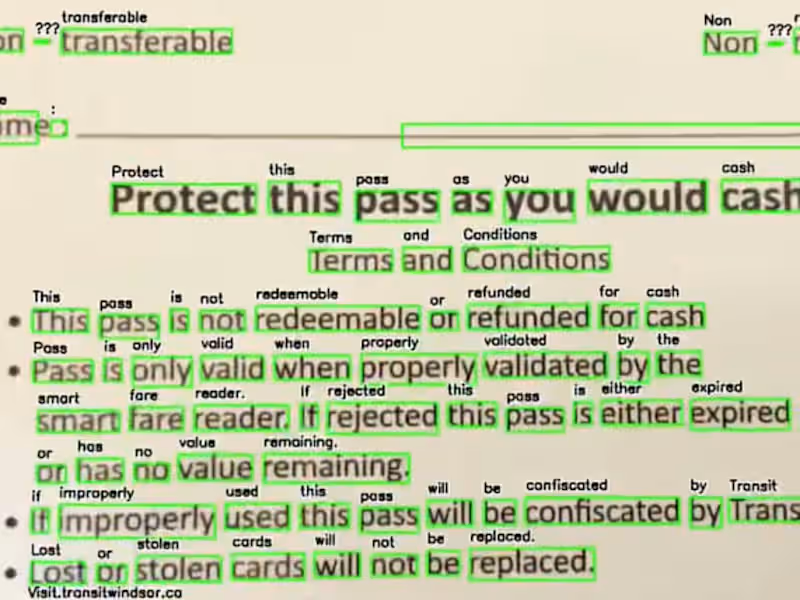
Custom OCR Data Extraction: Receipt Parsing & Document Processing.
The primary objective of this project was to develop an advanced Optical Character Recognition (OCR) solution tailored specifically for extracting structured data from receipts, product labels, and physical documents. Businesses frequently struggle with manual data entry from physical media, which is inherently time-consuming and prone to human error. To address this bottleneck, I engineered a highly adaptable OCR system capable of processing diverse, real-world input formats—ranging from photographed retail receipts to scanned inventory labels—and seamlessly integrating that extracted data into automated business workflows.
To ensure high accuracy across varying document qualities and lighting conditions, I trained and evaluated multiple state-of-the-art models. The core engine utilized Donut and Tesseract for complex document parsing, alongside PaddleOCR, which I specifically converted into a Paddle Lite format to support lightweight, high-performance edge applications. By fine-tuning these models, the system successfully identified, isolated, and extracted critical text regions—translating transaction details on receipts and key product codes on labels into highly accurate, machine-readable formats.
The parsed data was engineered to map directly into structured relational databases, as well as exportable formats like Excel and CSV for easy cataloging and inventory management. To ensure maximum flexibility and adoption for the client, the final solutions were deployed across multiple platforms. I developed intuitive desktop and web applications, and upon request, built native mobile applications using Kotlin. This cross-platform approach enabled users to instantly snap photos of labels or scan receipts directly from their phones, automatically syncing the data to their central systems.
Ultimately, this comprehensive OCR infrastructure provided clients with a highly scalable, automated data entry pipeline. By delivering the tools across web, desktop, and mobile environments, the system was easily adopted into their day-to-day operations. This drastically reduced manual administrative overhead, minimized costly data entry errors, and significantly streamlined both their inventory management and financial tracking processes.
1
389
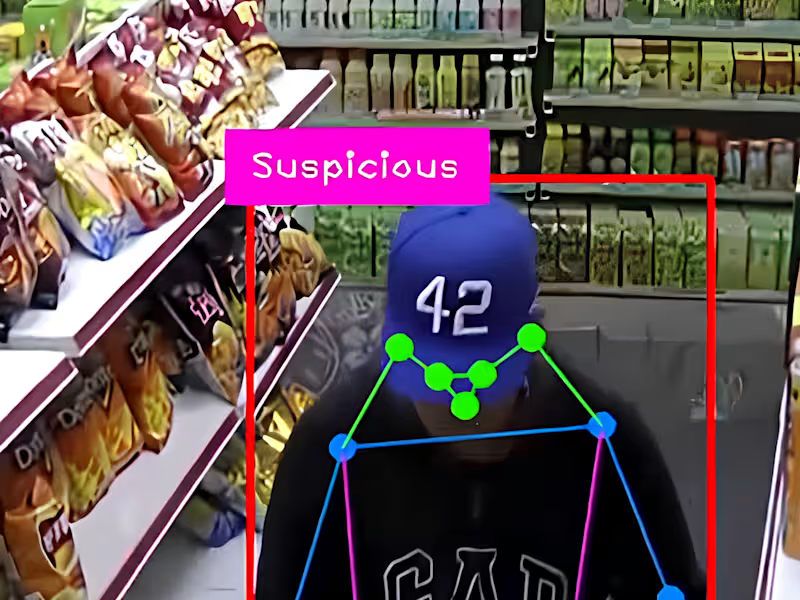
Smart Security Monitoring: YOLOv11 Pose Estimation & Behavior Tracking.
In July 2024, I engineered an advanced computer vision surveillance solution for an American retail client managing a chain of supermarkets. The primary objective was to modernize their loss prevention strategy by automatically monitoring customer behavior inside the stores to detect potential theft. Traditional surveillance relies heavily on manual human observation, which is prone to fatigue and missed events. This project aimed to solve that vulnerability by delivering a proactive AI system capable of analyzing live camera feeds and alerting security teams to suspicious activity in real-time.
To build a highly accurate detection system, I constructed a custom dataset tailored specifically to the client's retail environment. Using raw video data provided by the client, I systematically extracted and meticulously annotated thousands of individual frames. This critical data preparation phase involved labeling complex human poses, movements, and interactions with store merchandise. By building this tailored dataset, I created a robust training foundation that enabled the AI to accurately differentiate between standard shopping behaviors and high-risk actions.
The core of the architecture is powered by a YOLOv11 object detection and tracking model, fine-tuned specifically for abnormal behavior recognition. The system processes live surveillance footage, applying real-time skeletal tracking and spatial analysis to monitor individuals as they navigate the store aisles. By continuously evaluating motion sequences—such as reaching for a product and concealing it—the model dynamically calculates probability scores for specific actions. When the system detects suspicious behavior crossing a defined confidence threshold, it immediately triggers a high-priority alert.
The final solution was successfully delivered as a real-time monitoring application achieving an impressive accuracy rate of approximately 85 percent. This seamless deployment allowed the retail client to integrate proactive, AI-driven video analytics directly into their existing security infrastructure without disrupting operations. Ultimately, the automated alerting system significantly reduced their reliance on manual monitoring, drastically improved rapid-response times for security personnel, and established a scalable, highly effective loss prevention strategy across multiple store locations.
1
213

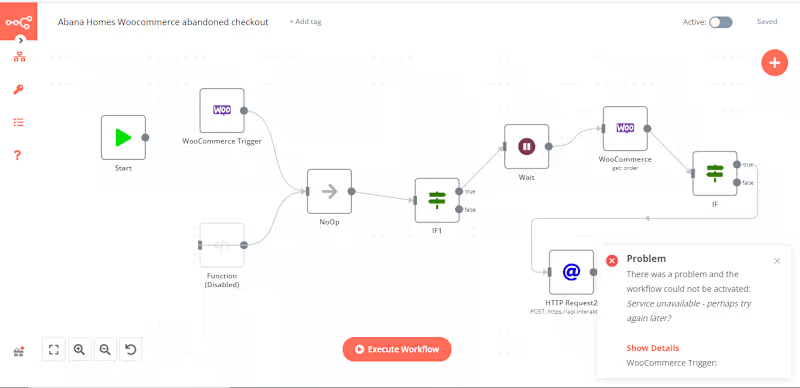
Workflow Automation & Systems Expert 🌐
Workflow Automation & Systems Expert 🌐
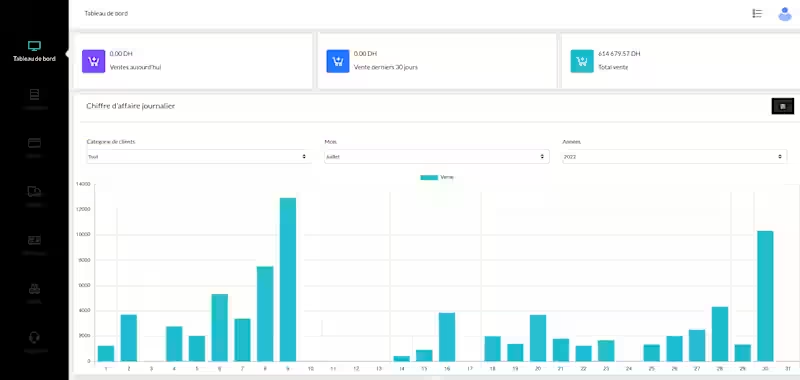
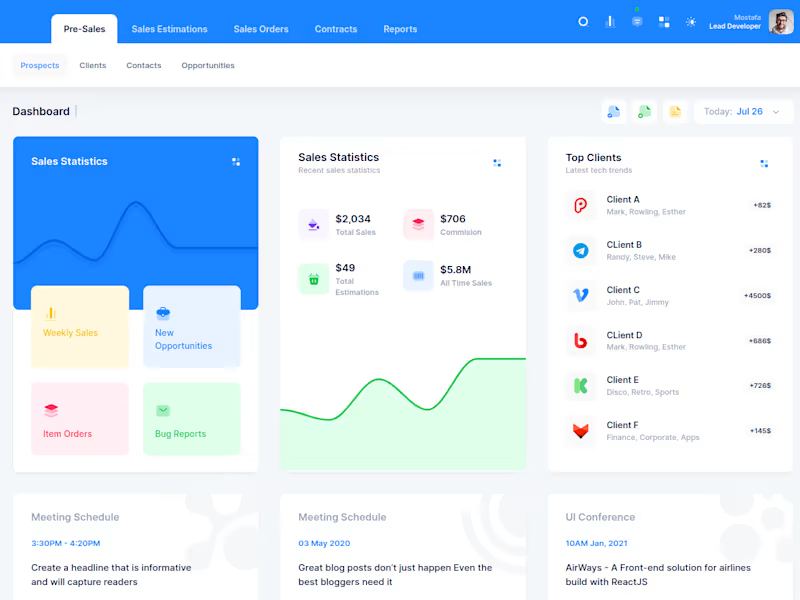
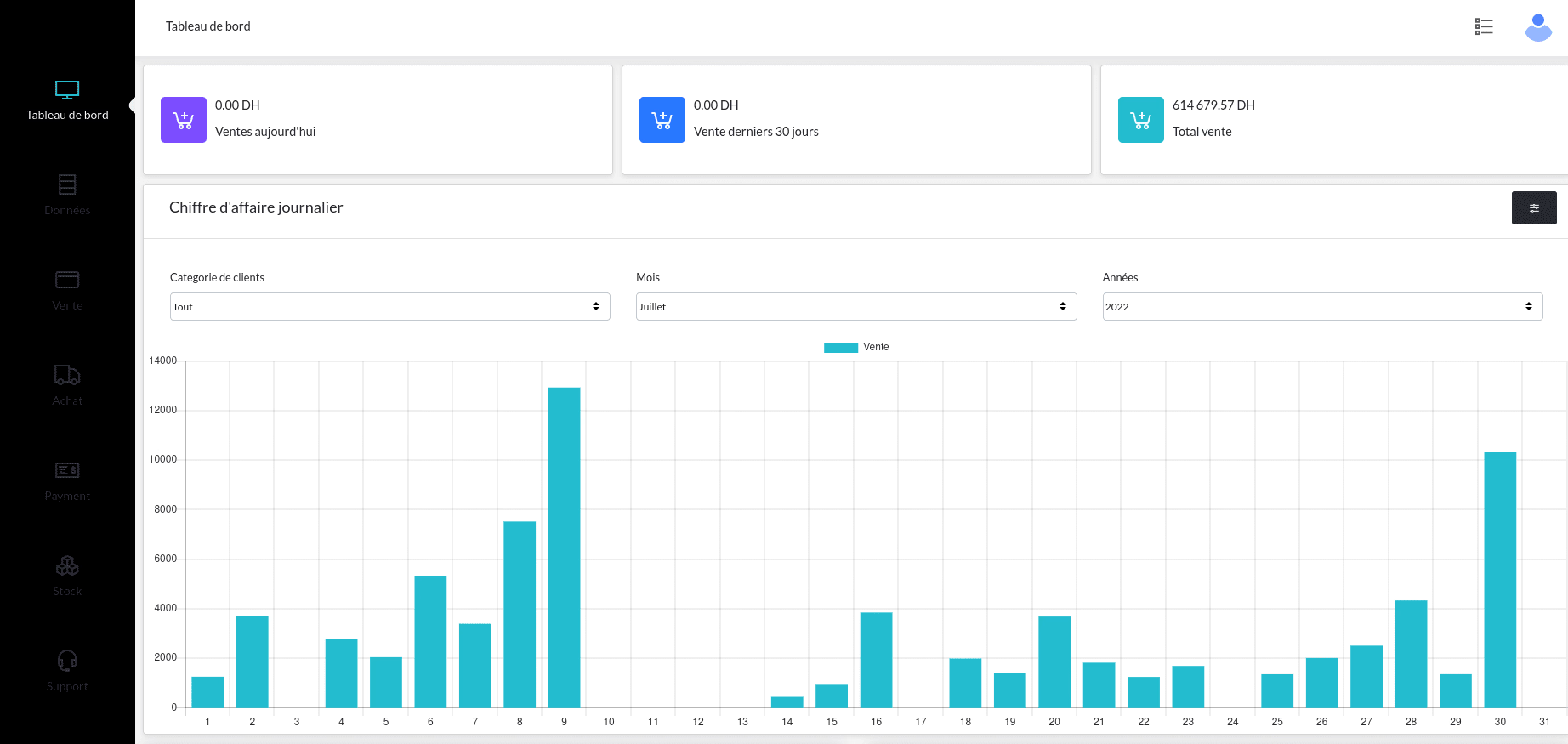
View more →

Software Engineer | Next.js | Tailwind
Software Engineer | Next.js | Tailwind
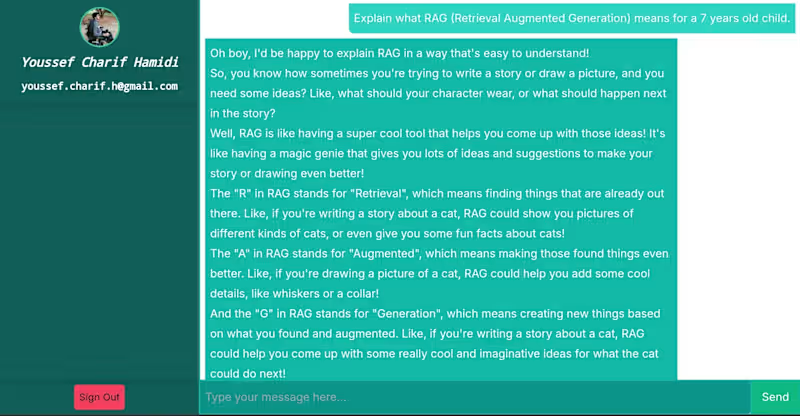
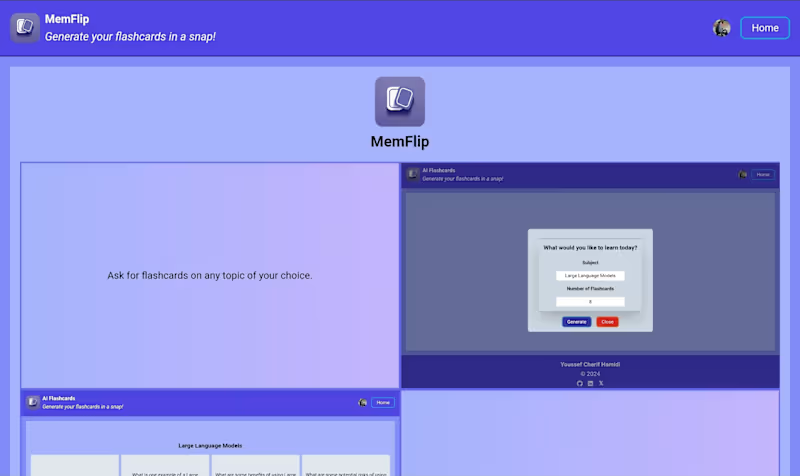



React Expert: Translating Designs to Code
React Expert: Translating Designs to Code
View more →

Full-Stack Developer | Next.js, React & Web Apps
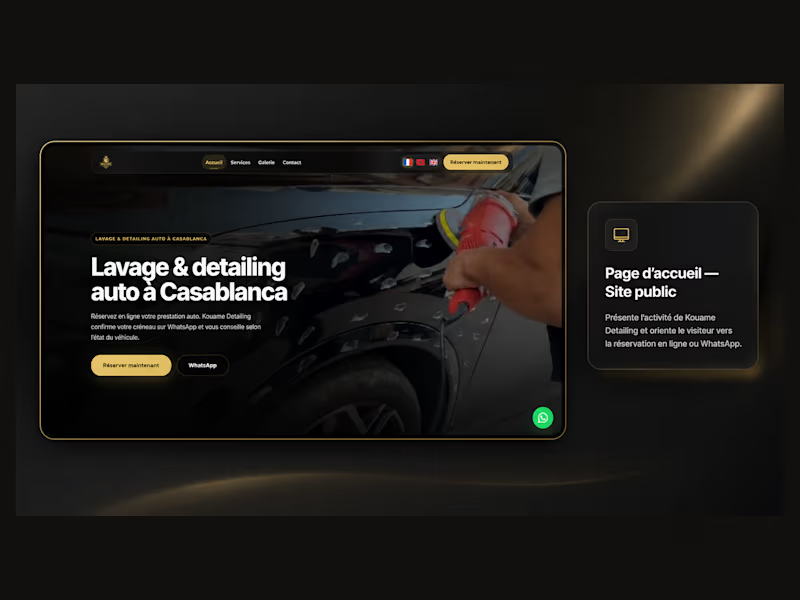
Kouame Detailing | Website, Booking & Vehicle Management System. Built a digital platform for a car detailing business, combining a modern website with an online booking system and admin dashboard. Includes appointment scheduling, vehicle workflow management, and customer service tracking, designed to simplify operations and improve customer experience.
1
96
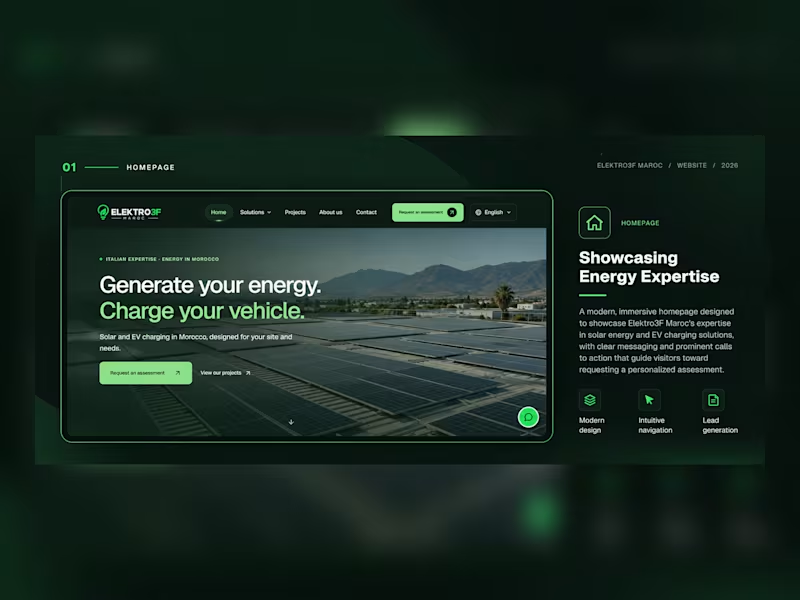

Fullstack developer, frontend engineer
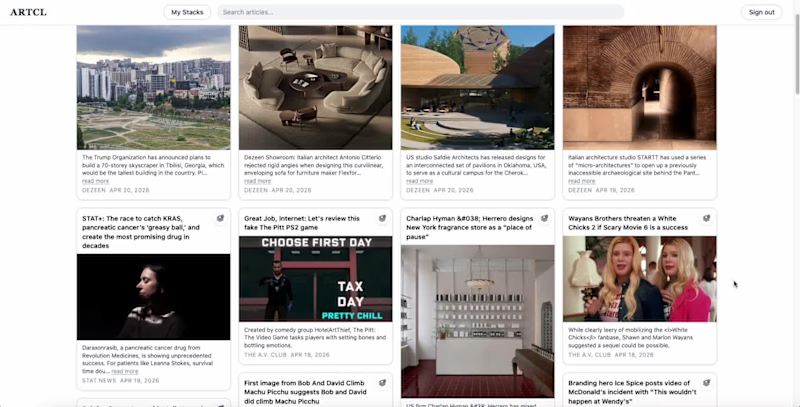


Enhancing online presence through compelling content.
Enhancing online presence through compelling content.