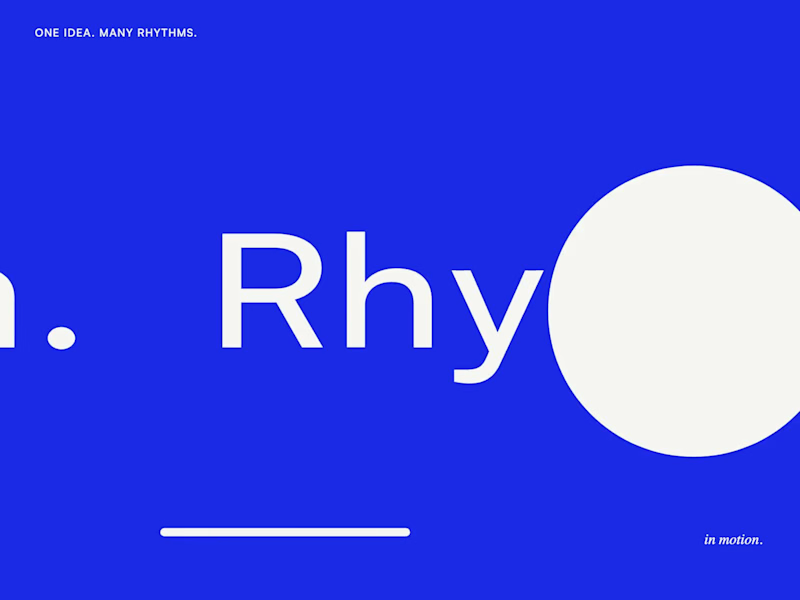
Motion Design & Art Direction
I design motion from the first composition to the final frame, combining typography, graphic design and animation.
This self-initiated series shows how I work with timing, weight and visual hierarchy. Letters stretch and rebound, geometric forms trigger chain reactions, and transitions carry one composition into the next. Each movement follows the same graphic language while giving each film a distinct pace.
My focus is on how a design behaves over time: where the eye goes, how an element arrives, and when a transition needs to hold or accelerate.
8
24
405

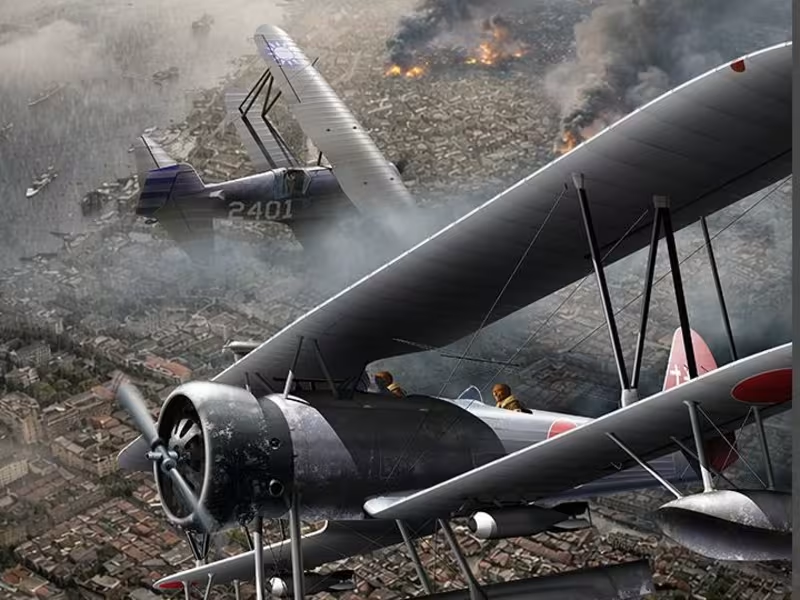
Historical aviation illustration depicting an aerial combat over Shanghai in the 1930s.
The aircraft were illustrated and composited manually using Illustrator and Photoshop, while atmospheric elements and environmental background were developed through AI-assisted generation and refined through advanced photo editing techniques.
This project combines historical research, visual storytelling, digital illustration, and modern AI workflows to recreate a cinematic interpretation of a real aviation conflict, balancing historical accuracy with narrative impact.
0
31
Corpus started with a real operational problem.
A shared healthcare practice in Brasília has one consultation room used by different professionals and specialties. What looked like a simple scheduling problem quickly became a coordination problem: checking availability, accounting for transitions between specialties, managing patients, reminders, cancellations and billing.
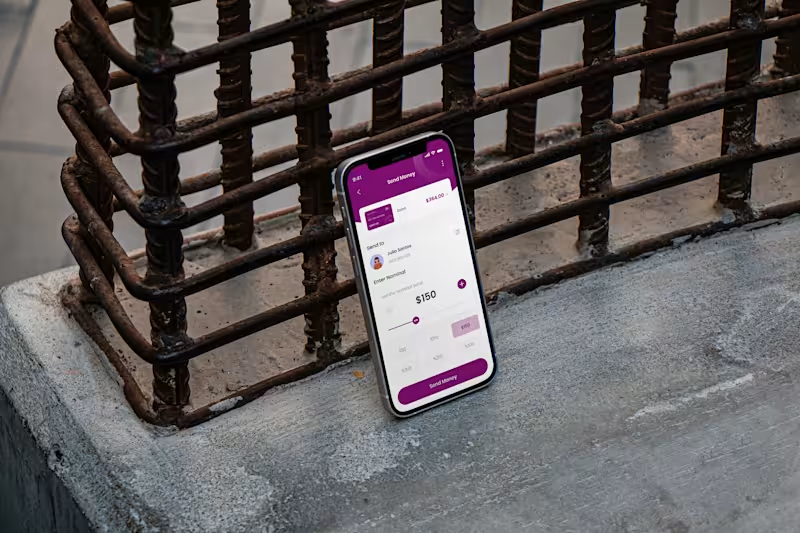
I built Corpus to absorb that complexity. It turns a fragmented, message-based workflow into one clear scheduling experience, with a time-aware interface, automatic room-transition rules, patient context, cancellation logic and Ask Corpus, a natural-language layer for getting things done without navigating the booking system.
One principle guided the project: AI interprets. The system decides. Natural language makes the experience faster, while availability, conflicts, permissions and billing remain deterministic.
Building this with Lovable was also a genuinely enjoyable experiment in how far a product can be taken within one environment. Beyond the application itself, I used Lovable to build an interactive case study and even a fully code-driven product film, using the same visual language to design not only the product, but also how its story is told.
Explore the interactive case:
https://bookingcorpus.lovable.app/case
From “Can I use the room?” to “You’re booked.”
#lovablechallenge
0
240