The network for creativity
Join 1.25M professional creatives like you
Connect with clients, get discovered, and run your business 100% commission-free
Creatives on Contra have earned over $150M and we are just getting started
Back to feedPost

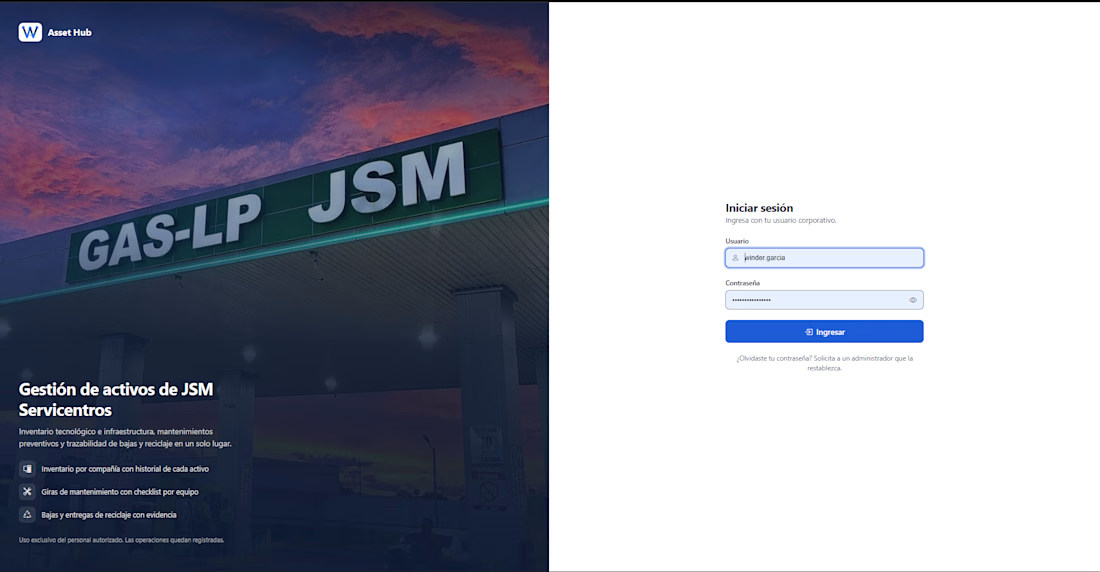
Asset Hub | Asset & Inventory Management System
Designed and developed a centralized asset management platform to help organizations track, organize, and manage their technological equipment and infrastructure assets.
The system provides structured asset records, including asset codes, locations, categories, serial numbers, brands, and status information.
Its purpose is to improve inventory visibility, simplify asset tracking, centralize information, and support more efficient asset management processes.
The platform focuses on usability, organized data management, and providing businesses with better control over their resources.


The network for creativity
Join 1.25M professional creatives like you
Connect with clients, get discovered, and run your business 100% commission-free
Creatives on Contra have earned over $150M and we are just getting started



Related posts




We are testing two ways to browse a large template library.
Load More
Users initially see 9 cards. After clicking the button, 9 more are added while the previous results remain visible. Browsing feels continuous, but the page gradually becomes longer.
Pagination
The catalog is divided into numbered groups. When users select the next page, the current 9 cards are replaced with a new set. They can jump to a specific part of the catalog and easily return to where they were.
Load More creates a smoother browsing experience, while pagination offers greater control.
Which option would you choose for a template library?

17 voted
68%
8 voted
32%
25 votes
Closed

Load more

Live on Play Store. We made the launch video.
Motion design to show the screens, plus a short explainer so you get what the app does in a few seconds.
Kept it simple on purpose. Screens only move where it helps you follow the product.
Watch it with zero context and tell me what you'd cut.

Amazing