The network for creativity
Join 1.25M professional creatives like you
Connect with clients, get discovered, and run your business 100% commission-free
Creatives on Contra have earned over $150M and we are just getting started
Back to feedPost

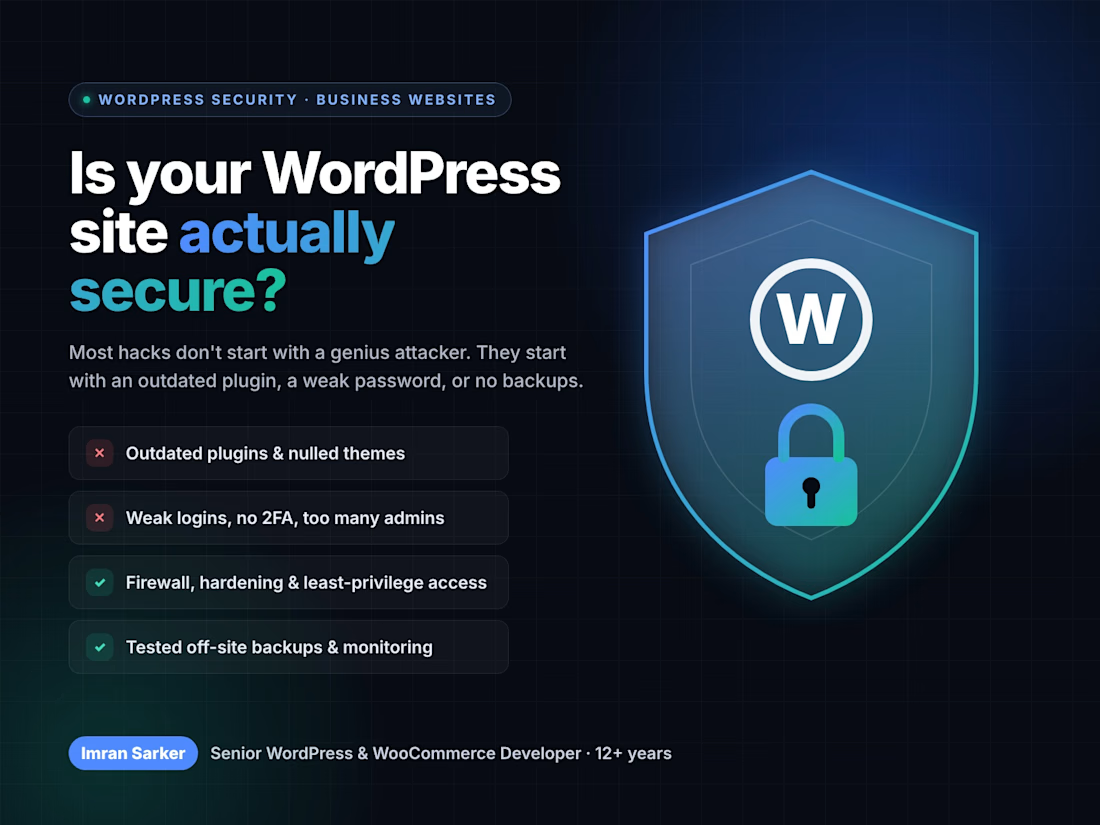
Most hacked WordPress sites I've cleaned up weren't hit by a genius attacker.
They were hit by an outdated plugin, a weak password, or a missing backup.
After 12+ years building and maintaining WordPress and WooCommerce sites for businesses, here's what I see again and again, and how to fix it properly.
🔓 Why business websites get hacked
→ Outdated plugins and themes with known vulnerabilities
→ Nulled (pirated) plugins carrying hidden malware
→ Weak passwords, no 2FA, and too many admin accounts
→ Abandoned plugins nobody maintains anymore
→ Cheap shared hosting with poor isolation between sites
→ No backups, or backups stored on the same server
⚠️ What a hack actually costs you
→ Visitors redirected to spam or scam pages
→ Google "This site may be hacked" warnings and dropped rankings
→ Lost leads and sales while the site is down or blocked
→ Exposed customer data and possible GDPR consequences
→ Suspended hosting account
→ Customer trust that's hard to win back
✅ The basics (non-negotiable)
→ Update WordPress core, plugins and themes regularly
→ Delete plugins and themes you don't use
→ Strong unique passwords + 2FA for every admin
→ Daily off-site backups
→ Licensed plugins from trusted sources only
🛡️ Expert-level protection for business websites
→ A web application firewall (WAF) at DNS or server level, so attacks are blocked before they reach WordPress
→ Least-privilege roles: nobody gets admin "just in case"
→ Hardening: disable dashboard file editing, lock down wp-config.php, correct file permissions, disable XML-RPC if unused
→ Login protection with rate limiting and bot blocking
→ Security headers and properly configured SSL
→ A supported PHP version and isolated hosting for each site
→ File integrity monitoring and activity logs, so you know what changed and who changed it
→ Updates tested on staging before they go live
→ Backups that are restore-tested, not just created
→ An incident plan: who acts, how fast, and how the site comes back
Security isn't a plugin you install once. It's an ongoing process.
If your website brings in leads or sales and you're not sure how protected it really is, send me a message. I'll take a look at where it stands.


The network for creativity
Join 1.25M professional creatives like you
Connect with clients, get discovered, and run your business 100% commission-free
Creatives on Contra have earned over $150M and we are just getting started



Related posts

Should you move your site from Webflow or WordPress to Framer? Honest answer: not always.
Move if:
→ Your team waits on a developer for every small text or image change
→ The site feels slow or dated and you want smooth, modern animations
→ You mainly need marketing pages, a blog and forms
Stay if:
→ You run a large store or complex membership logic
→ Your site depends on plugins Framer can't replace
If you do move, protect your SEO: keep your URLs, carry over meta titles and descriptions, and set up 301 redirects before you switch the domain.
I handle full migrations to Framer, SEO included. Not sure if your site is a good fit? Send me the URL and I'll give you a straight answer.


The site’s built, the animations work, and it looks good on mobile. So… we’re ready to launch, right?
Two days later, the client messages you: “Hey, we published a new case study and the layout broke. What happened?”
Well, the template worked with the content you built it with. Nobody tried publishing what the client was actually going to put in it. And it’s easy to miss that when everyone’s spent the last week scrolling through the same preview, looking at the same case study.
- That’s where our pre-launch checklist comes in. We put the preview away for a bit and try a few things the way the team and their visitors will:
- Have the client publish a real case study. Try a long title and leave an optional field blank.
- Send a test enquiry. Ask whoever handles leads to hit Reply and see if their email makes it back to you.
- Open the privacy policy from the footer. Try a broken link and see if the 404 page gets you back on track.
- Accept cookies, then try again in a fresh browser session and decline. Check what analytics records each time.
- If it’s a redesign, open a few old URLs. Where would someone with an old bookmark end up?
What I want to know at that point is what can actually wait. If a heading needs a little more space, fine, we can fix that next week. But if the team’s been replying to enquiries all week and none of those replies reached the person who wrote in, “we’ll fix it later” means something else.
That’s why we give QA its own time in the plan, while the case study is still a draft and the enquiry is still ours.
Got a site you’re about to launch? Send me the preview link. I’ll tell you what I’d check first.


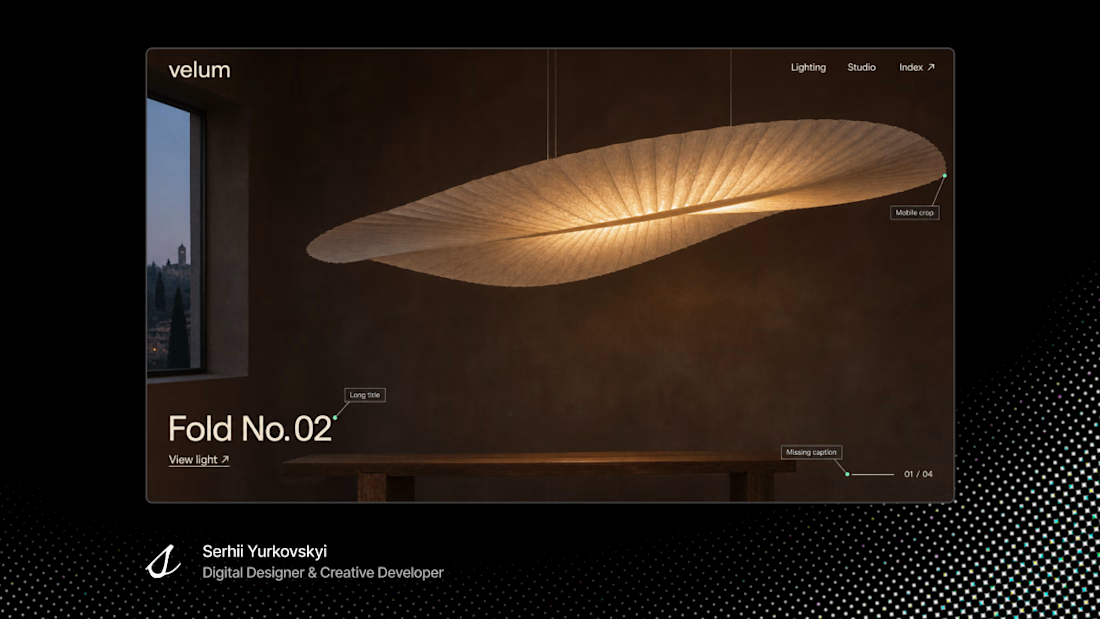

Testing with the client's real content instead of the polished demo case study is the step that saves the most headaches. I learned that one the hard way with CMS templates too.


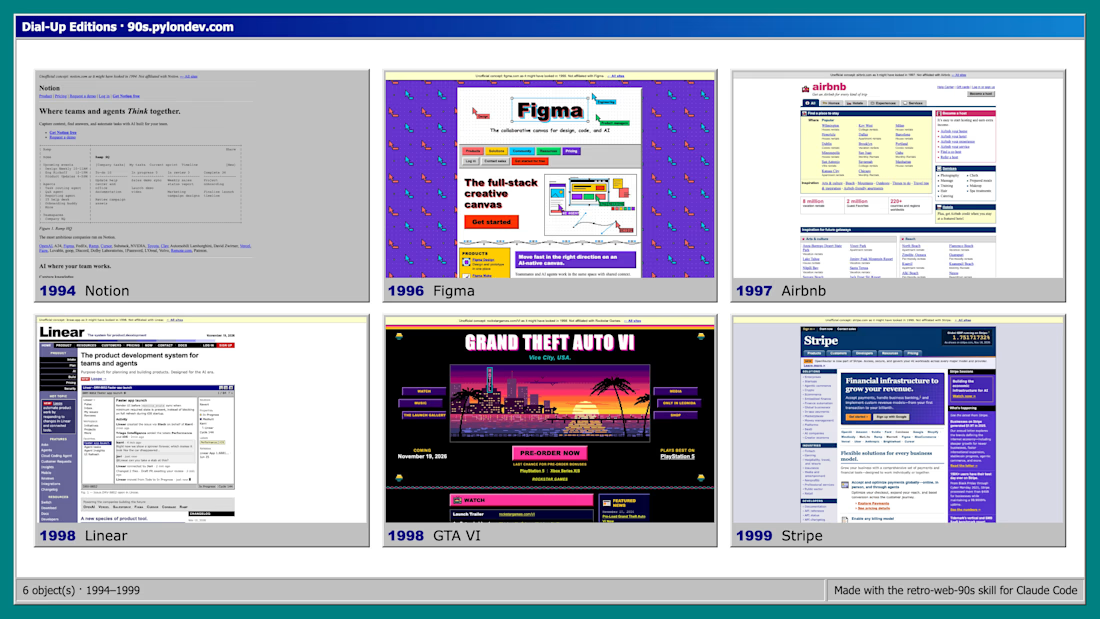
gta 6 is out so i rebuilt its website like it's 1998
then did the same to stripe, linear, figma, airbnb and notion
each one is based on real 90s sites i dug up on the wayback machine.
it's a free claude code skill. paste a url, get your site back from the 90s
all 6 live: https://90s.pylondev.com
the skill (free): https://github.com/alishansnsn/retro-web-90s

I love it
How did you build the skill? Did you pull up older websites?