The network for creativity
Join 1.25M professional creatives like you
Connect with clients, get discovered, and run your business 100% commission-free
Creatives on Contra have earned over $150M and we are just getting started
Back to feedPost
SEO Keyword Research & Content Strategy for Sustainable Growth
I developed a comprehensive SEO keyword research and content strategy designed to help businesses improve their Google rankings and attract qualified organic traffic.
Project Highlights
✅ Comprehensive Keyword Research
✅ Competitor SEO Analysis
✅ Search Intent Mapping
✅ Content Planning & Topic Clusters
✅ On-Page SEO Recommendations
✅ SEO Content Briefs
✅ Actionable Growth Strategy
This strategy is ideal for businesses in the Health, Education, Real Estate, SaaS, and eCommerce industries looking to build long-term organic visibility through data-driven SEO.
Tools Used: Google Keyword Planner, Google Search Console, Ahrefs, SEMrush, Google Trends, and Surfer SEO.
Focus: Human-first, search engine optimized, and aligned with the latest SEO best practices.


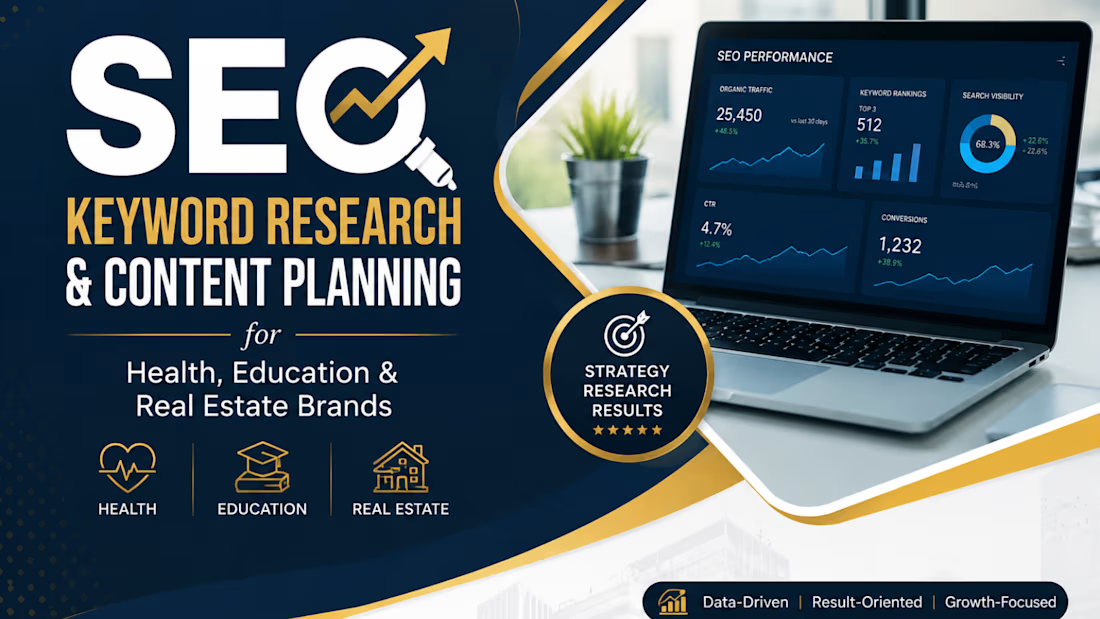

45 keyword rankings across health, education, and real estate niches in one project is a solid range to show versatility. Which of those three verticals tends to have the toughest keyword competition in your experience?

“Thank you! In my experience, real estate usually has the toughest keyword competition because many established agencies and high-authority websites target the same local and commercial keywords. However, health keywords can also be highly competitive due to strict credibility and content-quality requirements.”
Health surprises people, they assume real estate wins by default but the YMYL scrutiny on health content changes the game entirely. Between those two, which one takes longer to actually rank once the content is live?
Health content usually takes longer to rank because YMYL topics require stronger trust signals, expert-backed information, accurate sourcing, and solid website authority. Real estate can also be competitive, especially in local markets, but health content generally faces stricter quality and credibility standards.
The network for creativity
Join 1.25M professional creatives like you
Connect with clients, get discovered, and run your business 100% commission-free
Creatives on Contra have earned over $150M and we are just getting started





Related posts

✨ Modern Fashion Poster Design - STYLE ✨
Designed a clean, high-fashion poster concept focusing on bold typography and minimalist aesthetics.
Concept: Modern Fashion | Define Your Style
Tool: Canva / Photoshop
Style: Luxury, Minimal, Editorial
Open to feedback and freelance work!
#GraphicDesign #PosterDesign #FashionDesign #Canva #ContraCommunity






The way you let the bold type dominate the empty space really drives the luxury feel.

Hey everyone! 👋
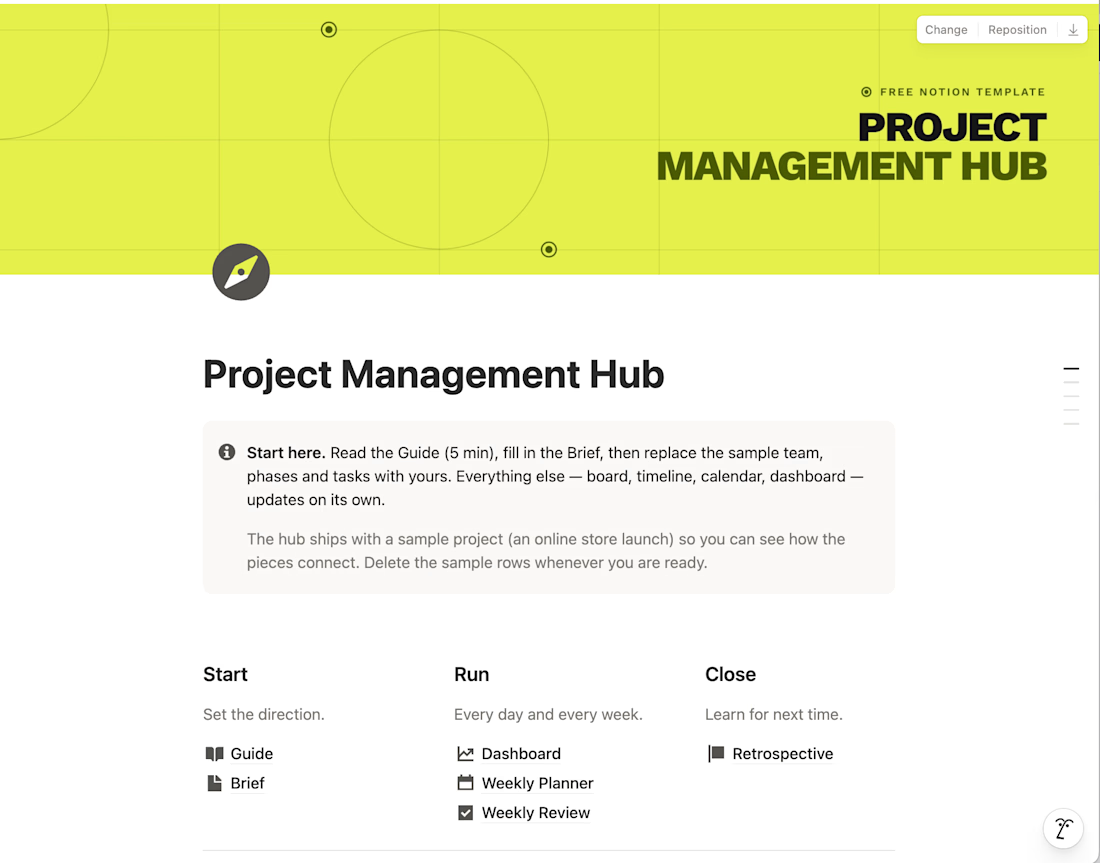
I built a Project Management Hub in Notion to run projects from brief to retrospective in one calm, minimalist workspace. It's for sale on Gumroad, but I'm sharing it for free with the Contra community.
It includes a guide, project brief, dashboard, weekly planner and review, plus 7 linked databases (tasks, phases, team, budget, risks and more). A sample project shows how everything connects.
It's for your personal use only, so please keep it within the Contra network.
Hope it helps! Let me know what you think 🙌


Love this!!

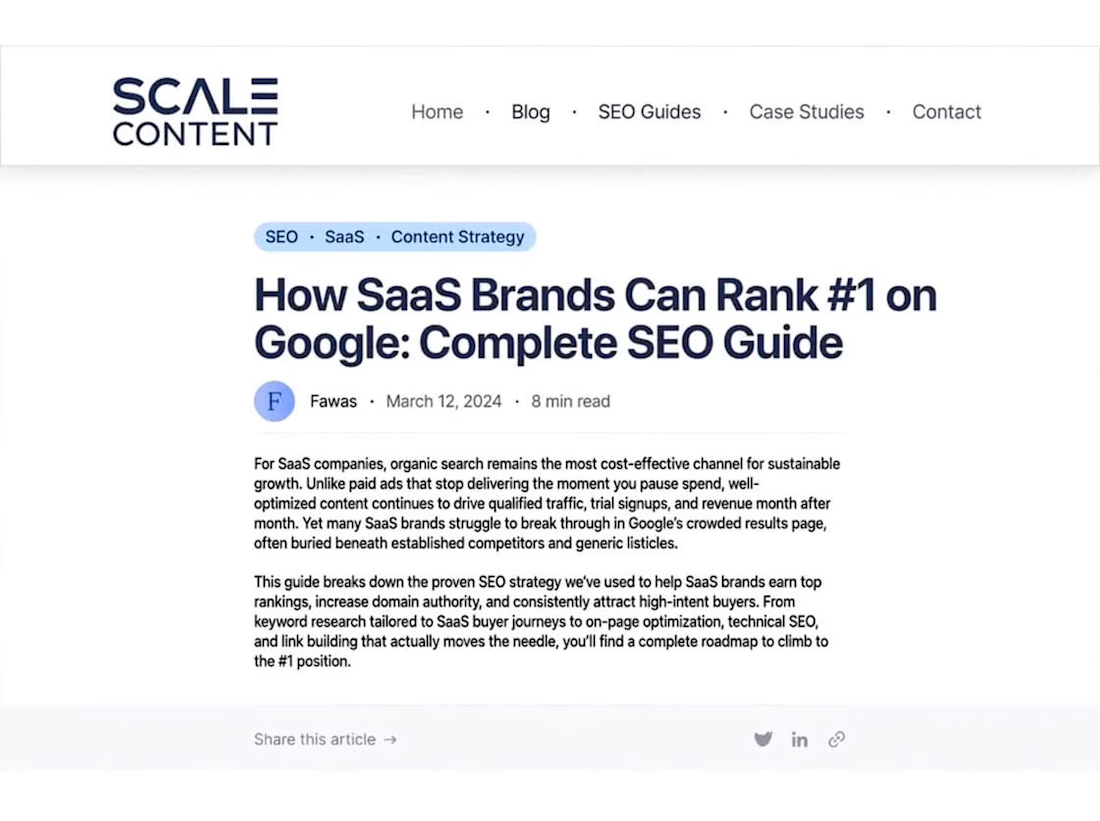
I wrote this complete SEO guide for SaaS brands on how to rank #1 on Google. The article covers keyword research for SaaS buyer journeys, on-page optimization, technical SEO and link building. Published on Scale Content, 8 min read.