The network for creativity
Join 1.25M professional creatives like you
Connect with clients, get discovered, and run your business 100% commission-free
Creatives on Contra have earned over $150M and we are just getting started
Back to feedPost

MyPlate+ — Hack for Humanity Hackathon
People say "I have a lot on my plate" all the time, but that load stays invisible. I built MyPlate+ to make it visible and shareable, not a meal planner despite the name.
A privacy-first capacity and collaborative-care app for cognitive, emotional, physical, sensory, and social load
A literal, responsive visual "plate" plus daily capacity check-ins
AI-assisted brain dumps that only ever propose, never auto-act, you approve everything
"Pass the Plate": send one specific, limited support request to a trusted circle without exposing your whole load
Built on Next.js and Supabase, with real auth and row-level security, not just a demo shell
Product principle from the README: capacity is information, support is consent, neither is a measure of worth.


The network for creativity
Join 1.25M professional creatives like you
Connect with clients, get discovered, and run your business 100% commission-free
Creatives on Contra have earned over $150M and we are just getting started






Related posts

Dashboard design for AllWays Holiday.
Clarity is what makes a good dashboard.
Every section, metric and action should help users understand what's happening and what needs their attention.
Designed to make managing travel operations easier.

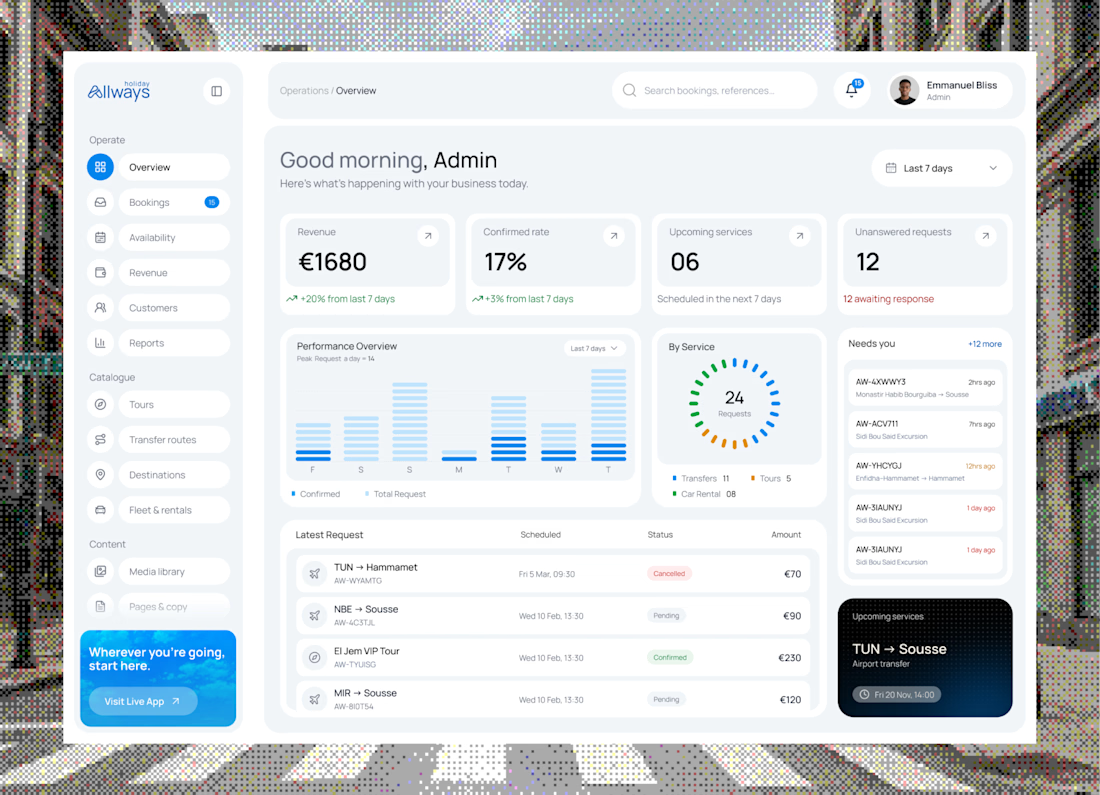

"What needs their attention" is the part most dashboards miss. Clean KPI cards up top, then the list below makes it easy to act. Did you consider pulling urgent bookings or issues into their own highlighted block, so ops teams see problems before they scroll?


Gifting landing page and product page for Graffeo, a San Francisco coffee roaster since 1935.

Sick 🔥

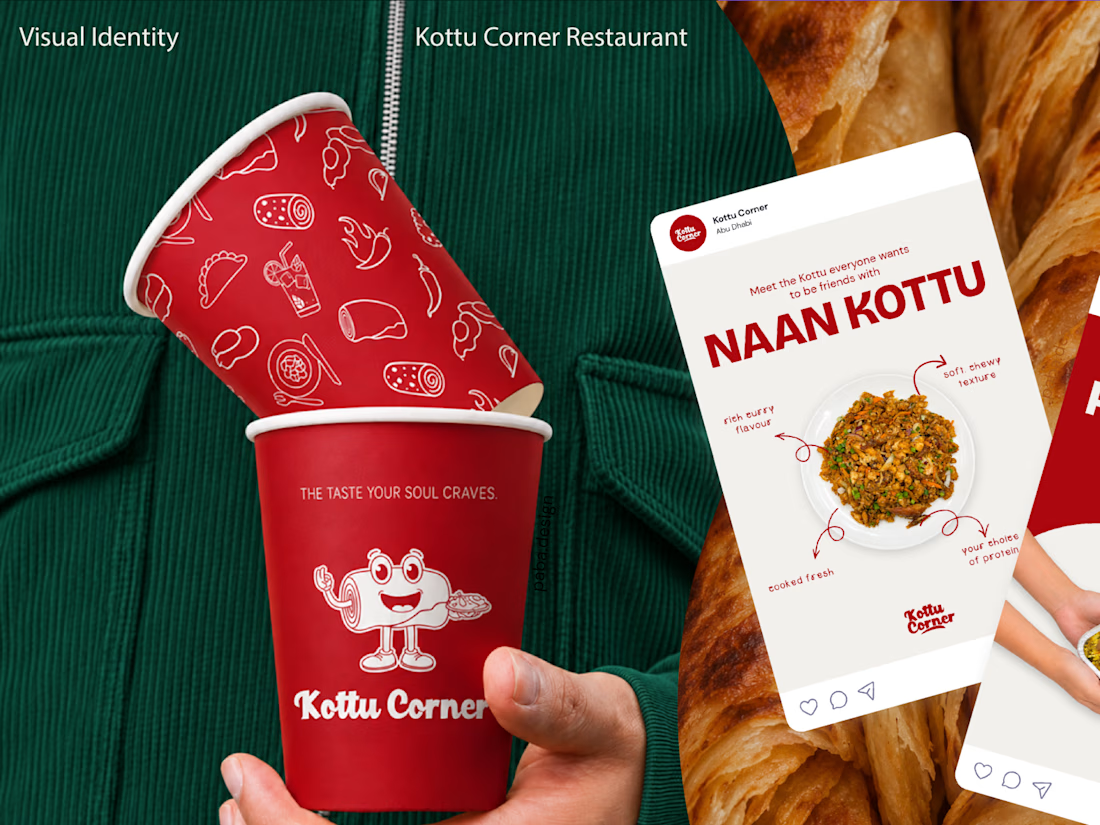
What if your business already has a logo, but nothing else that makes it recognizable as a brand?
That was the starting point for my recent branding project for Kottu Corner, a restaurant in the UAE.
They came to me with an existing logo, but without a complete visual identity to support it.
Redesigning the logo simply for the sake of change wouldn't have been a smart business decision. With the brand preparing for a major transformation, the existing logo was the one familiar element customers could still recognize. Changing it alongside everything else would risk losing that connection and making the brand feel unfamiliar to the very people who already knew and trusted it.
Instead, I focused on developing a cohesive brand identity around it, guided by the restaurant's audience, business goals, and plans for future franchise growth.
From brand strategy and visual direction to packaging, merchandise, and other brand touchpoints, the goal was to create an identity that feels recognizable, consistent, and true to the business.
Because sometimes, good branding isn't about changing what already exists. It's about building on it.
Explore the full case study! ❤️

Cool work!!