The network for creativity
Join 1.25M professional creatives like you
Connect with clients, get discovered, and run your business 100% commission-free
Creatives on Contra have earned over $150M and we are just getting started
Back to feedPost

Talon Forge's website is live.
I'm building practical software and automation for businesses that want less repetitive work and better-connected systems: API integrations, Python workflows, dashboards, backend development, and AI-assisted tools.
One lesson from building Forge: automation needs more than a successful demo. Clear scope, error handling, testing, and a way to see what happened matter just as much.
If you have a workflow that needs simplifying or a software project you'd like to discuss, message me here on Contra. Explore our services at https://talonforge.ca
What's one repetitive task you'd most like to take off your plate?

talonforge.ca
Talon Forge — AI Automation & Digital Solutions
Talon Forge — AI automation, API integration and backend development for practical business workflows.
The network for creativity
Join 1.25M professional creatives like you
Connect with clients, get discovered, and run your business 100% commission-free
Creatives on Contra have earned over $150M and we are just getting started
Related posts

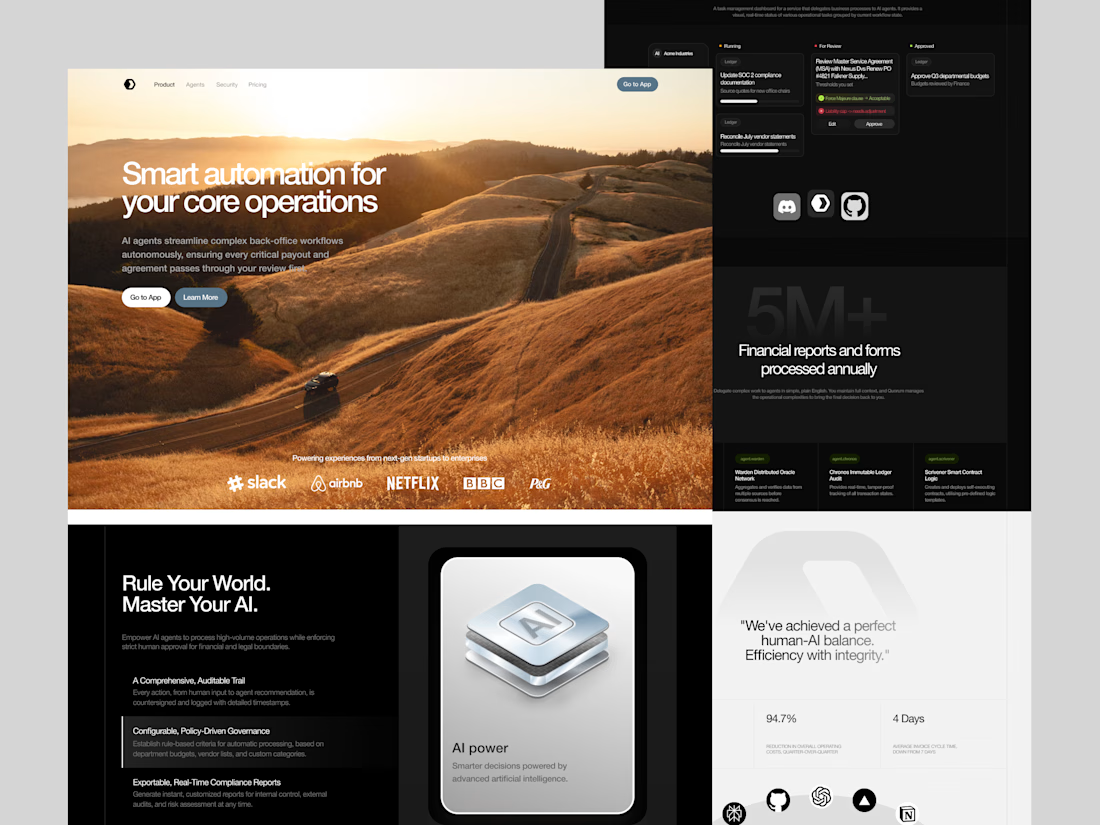
We designed and built a high-trust Framer landing page for an enterprise AI platform, turning complex back-office workflows and policy-driven governance into a high-converting visual experience.
Check out the full case study on Contra and let's build your next platform: https://contra.com/p/qo7WW3Rg-enterprise-ai-and-workflow-automation-landing-page?r=airzon_agency 🚀


From packed boxes to a shipment the client can track.
This TechFoundry IMS demo reuses box details, retrieves UPS rates, creates shipping labels, and keeps tracking connected to the client order. A practical example of the AI and automation workflows we build into business software.
Watch the client shipping demo:
https://www.youtube.com/watch?v=8ohniU08JAA
#AI #Automation #SoftwareDevelopment #Shipping

I like that the shipment stays tied to the client order instead of living in a separate carrier tab. When box details get edited after the UPS rate is retrieved, does the system re-quote before creating the label, or lock the original rate? I'd be curious how you handle that mismatch on the tracking side.

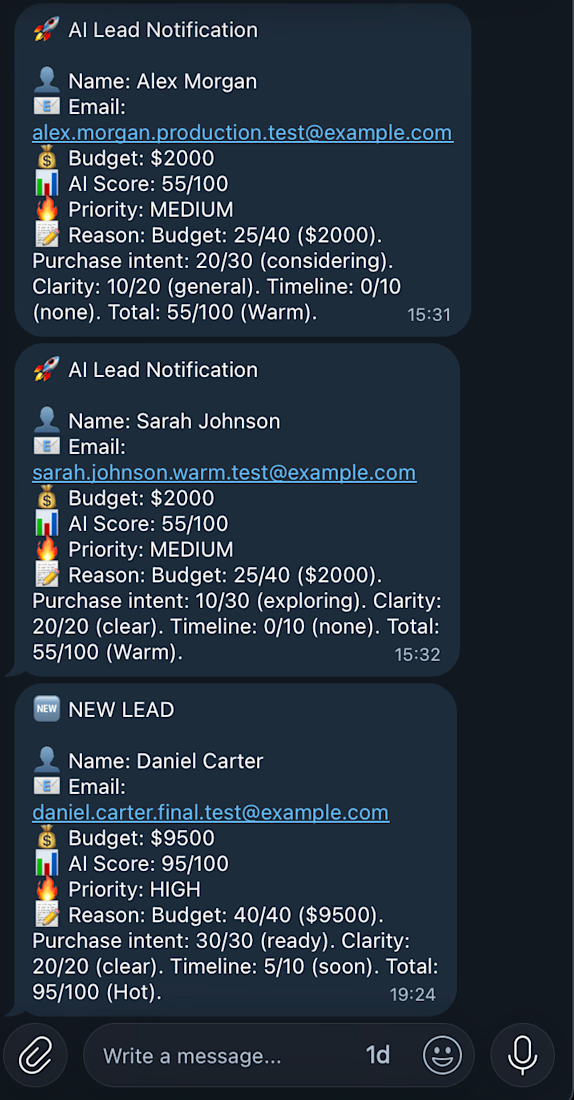
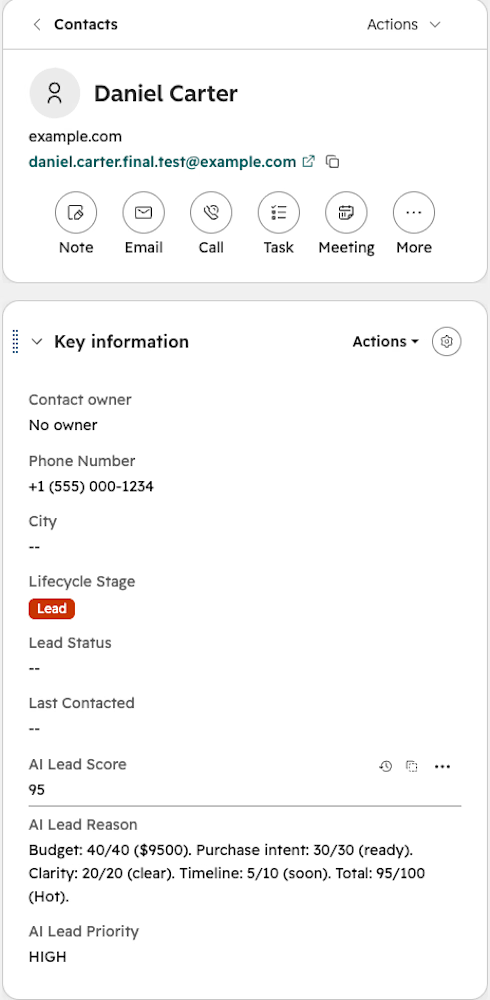
Built an AI-powered lead qualification automation using n8n. The system receives incoming leads, validates their information, analyzes customer needs, assigns a lead score from 0 to 100, creates or updates CRM contacts, and sends Telegram notifications. It also handles duplicate contacts and processing errors.


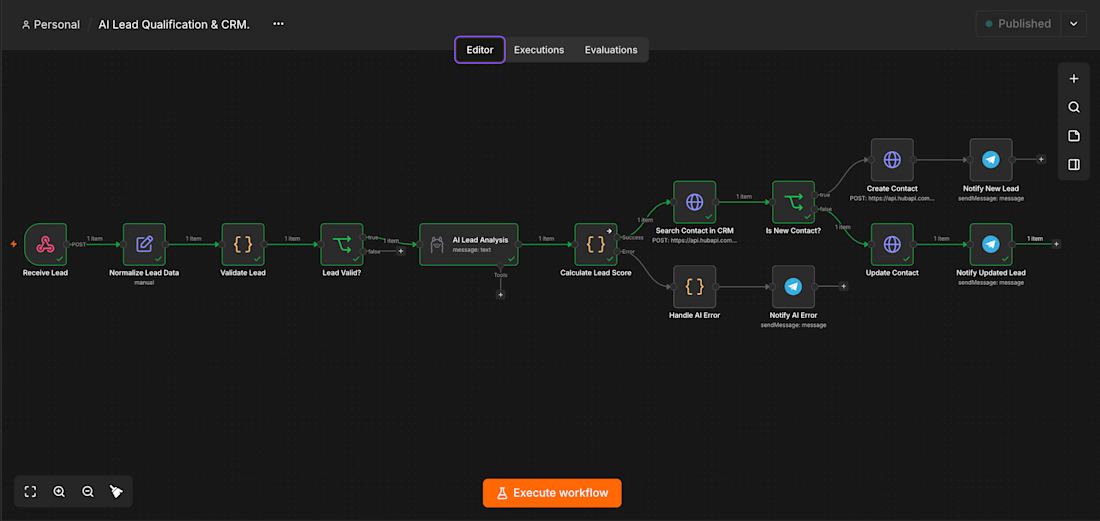

This is a solid, practical build. The flow makes sense: validate → analyze → score → CRM → notify. What I like most is the duplicate handling and error processing — those are usually the first things people skip, and they're exactly what makes a lead system actually usable day...