The network for creativity
Join 1.25M professional creatives like you
Connect with clients, get discovered, and run your business 100% commission-free
Creatives on Contra have earned over $150M and we are just getting started
Back to feedPost

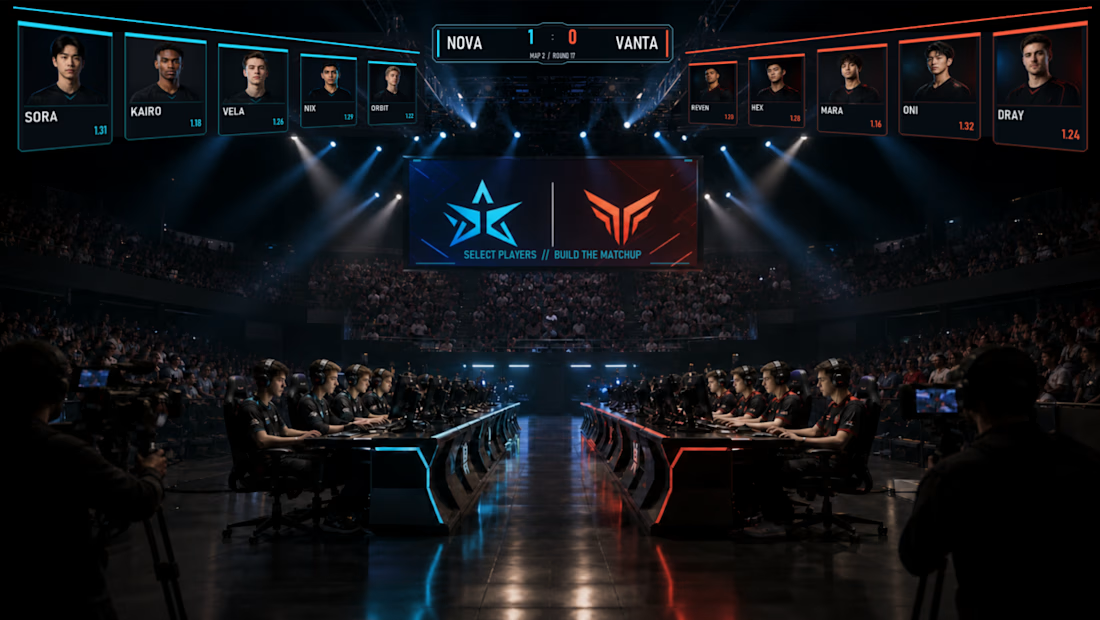
NEXUS ROSTER - Interactive Esports Broadcast UI
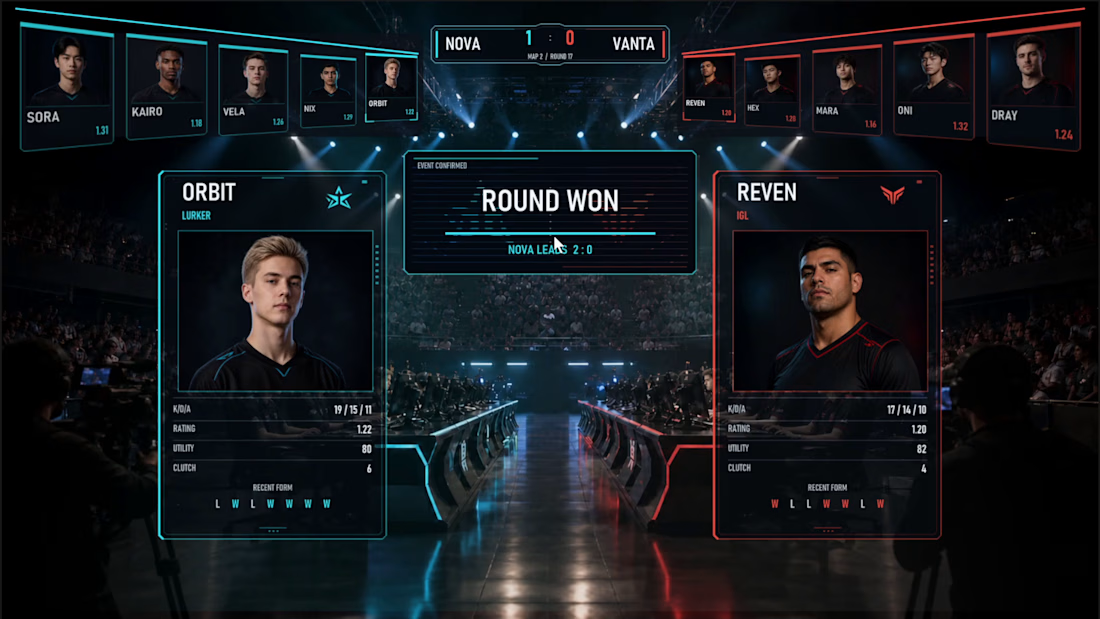
NEXUS ROSTER is a cinematic esports broadcast interface built entirely in Rive. It turns a fictional ten-player matchup into a responsive live-data experience with interactive roster cards, layered performance profiles, team-aware selection logic, sound feedback, and a triggerable broadcast event.
I built NEXUS ROSTER for the Rive Broadcast & Livestream UI Challenge.
The concept started with one question: what if roster data felt like part of the esports arena instead of a static overlay?
Viewers can scout ten fictional players, reveal roles through hover and sound feedback, select one active player per team, compare layered performance data, replace either selection, and trigger a live broadcast event that advances the score.
Built in Rive with:
‣ State machines and View Model data
‣ Team-aware selection logic and scripting
‣ Layered player-card motion
‣ Interactive hover, open, switch, and collapse states
‣ Audio Events and responsive SFX
‣ A reusable two-team broadcast system
All teams, players, names, statistics, and marks are fictional and were created specifically for this project.
As a Full-Stack Product Builder, I approached this as a product system-not only a motion piece. The interaction model, information hierarchy, reusable states, and feedback loops were designed to scale beyond this single matchup.
LinkedIn Post: https://www.linkedin.com/posts/debythm_rivebroadcastchallenge-rive-esports-ugcPost-7491726714671144960-oYBC
I would love to hear which interaction feels strongest.

The network for creativity
Join 1.25M professional creatives like you
Connect with clients, get discovered, and run your business 100% commission-free
Creatives on Contra have earned over $150M and we are just getting started
Related posts

🏏 BAT RIOT — What if cricket became the ultimate night out?
SWING LOUD. STAY LATE.
For the #Base44Challenge, I wanted to build something that went beyond a beautiful landing page.
The idea was simple: take the energy of cricket, combine it with nightlife, and turn it into a complete digital experience.
Meet BAT RIOT, a Melbourne-inspired social-cricket entertainment platform where competitive games, great food, music, and unforgettable nights come together.
But I didn't want it to just look good. I wanted it to actually work.
Using @Base44, I built an interactive booking experience where visitors can explore venues, check bay availability, select a session, and make reservations.
I also built Party Captain, a group coordination experience for invitations, RSVPs, and guest preferences.
Behind the scenes, there's a staff command centre for managing bookings, scores, and waitlists. The waitlist recovery workflow can automatically generate time-limited offers when a session becomes available, helping reduce manual coordination and recover booking opportunities.
And because the visual experience mattered just as much, I went a step further.
Instead of relying on generic stock footage, I used Google Flow to create custom cinematic scenes—from cricket action and celebrations to venue reveals and food shots. I then edited and optimized the footage to bring the BAT RIOT identity to life across the website.
The goal was to connect design, functionality, automation, and storytelling into one cohesive experience.
This project pushed me to think beyond individual pages and build something that feels like a real product.
And that's what I'm most excited to share.
🌐 Explore BAT RIOT: https://bat-riot.base44.app/
Built with Base44. Cinematics created with Google Flow.
#Base44Challenge #Base44


I can see my friends loving this site. They are cricket fanatic haha.

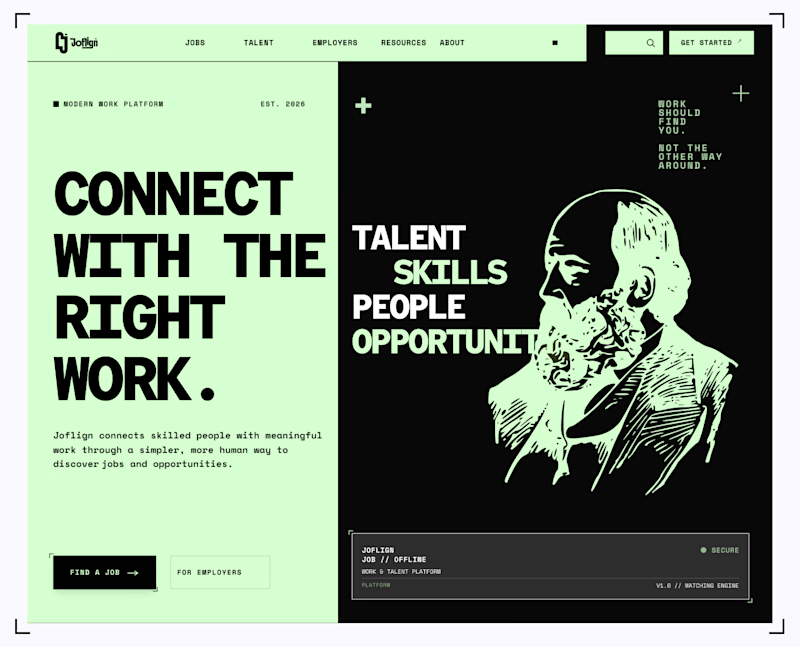
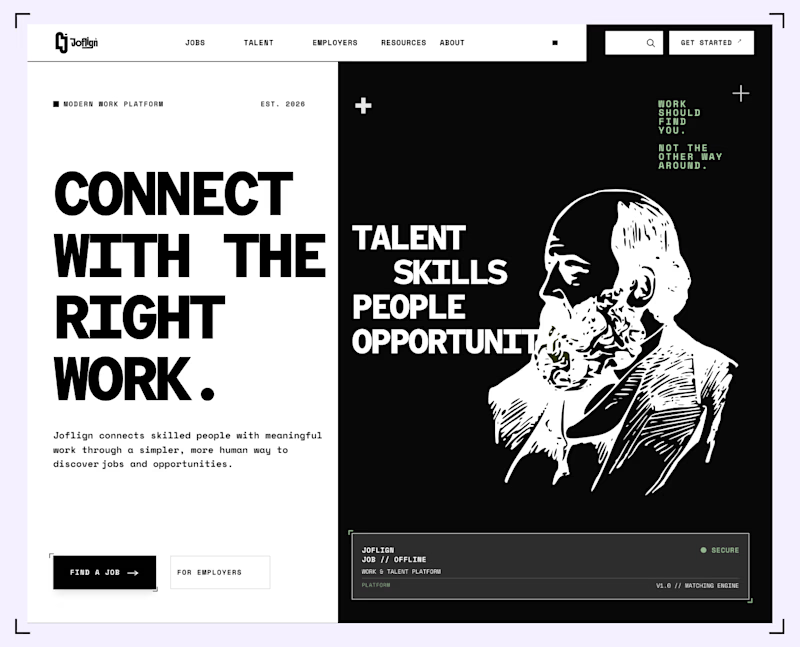
Which hero background works better?
9 voted
75%
3 voted
25%
12 votes
Closed

I lean light green because it carries through both the copy panel and the illustration, making the two halves feel connected. I’d keep “Find a job” clearly stronger than “For employers” if jobseekers are the main audience. That hierarchy matters more than the background preference alone.



The soft blue and lilac gradient against the plain black type feels calm and a bit techy. Nice pacing in the motion too.