The network for creativity
Join 1.25M professional creatives like you
Connect with clients, get discovered, and run your business 100% commission-free
Creatives on Contra have earned over $150M and we are just getting started
Back to feedPost

If a site update still means uploading files by hand, one tired evening is all it takes to break it.
• The workflow runs on every push to the main branch.
• It checks out the code, sets up Node, then runs npm ci and the build.
• If the build fails, the deploy step never runs.
• The deploy token comes from repository secrets, never from the code.
How do changes reach your live site today?
Follow for more videos: instagram.com/sellwrightstudio · youtube.com/@sellwrightstudio

The network for creativity
Join 1.25M professional creatives like you
Connect with clients, get discovered, and run your business 100% commission-free
Creatives on Contra have earned over $150M and we are just getting started


Related posts


📨 Mailbuddy - Full App Flow Design in 5 days

The deal summary card with an Add to Deal button is a smart touch. Can you edit the extracted terms before saving?

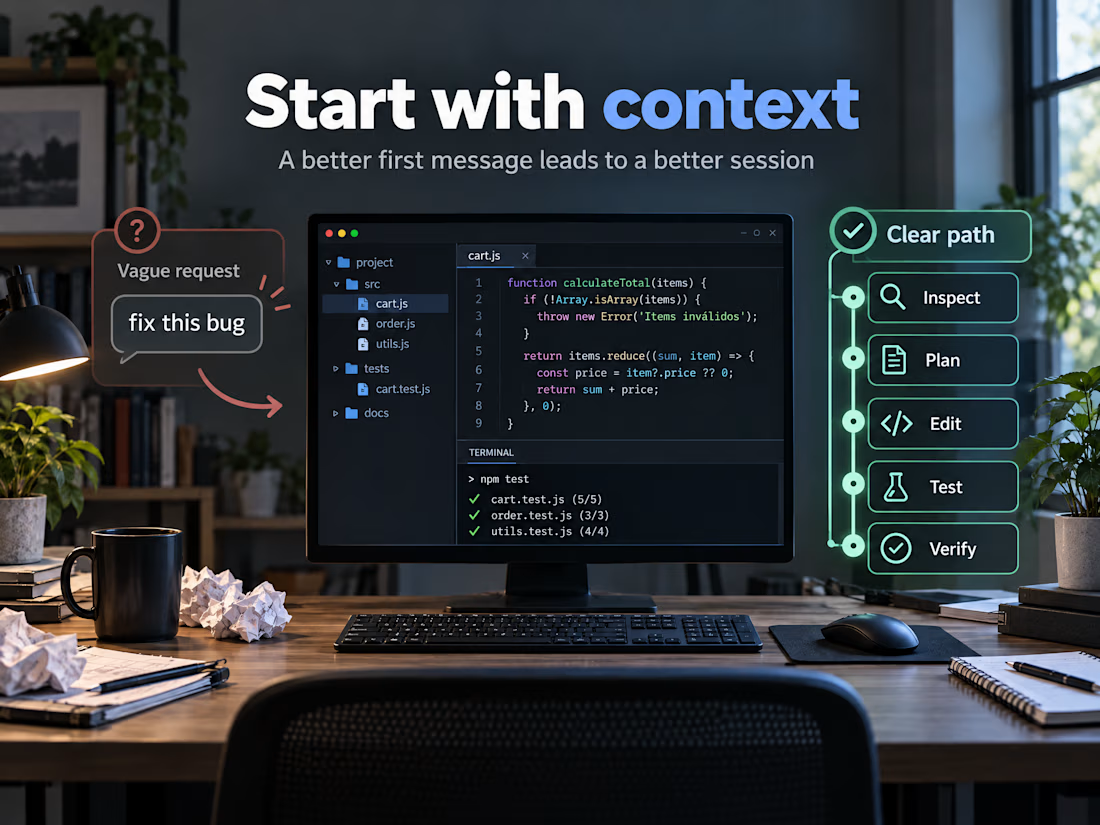
Most Claude Code sessions go wrong in the first message.
Not because the model is weak, but because the starting prompt is vague: “fix this bug” or “add tests.” With nothing else to go on, the model starts editing before it has looked at the repository, and you spend the next ten minutes steering it back.
What changes the outcome is the order of the work. Inspect the repo first. Learn the existing conventions. Plan before editing. Make focused changes, add or update tests, run real commands to verify, then summarize what changed. A prompt that builds that sequence in means you don’t have to remember to ask for it every time.
I put together a set of 2,000 prompts around that workflow, covering areas like debugging, testing, security, architecture, APIs, and cloud. They come as JSON, CSV, and JSONL, so you can browse them, filter them, or feed them into your own scripts.
If you’d rather not start every session from a blank screen, it’s here: https://contra.com/products/5w55SuJ3-claude-code-prompt-vault-2000


Plan before editing is the step I see skipped most. When I build with Claude, asking it to restate the repo's conventions back to me before any change catches most wrong assumptions early.

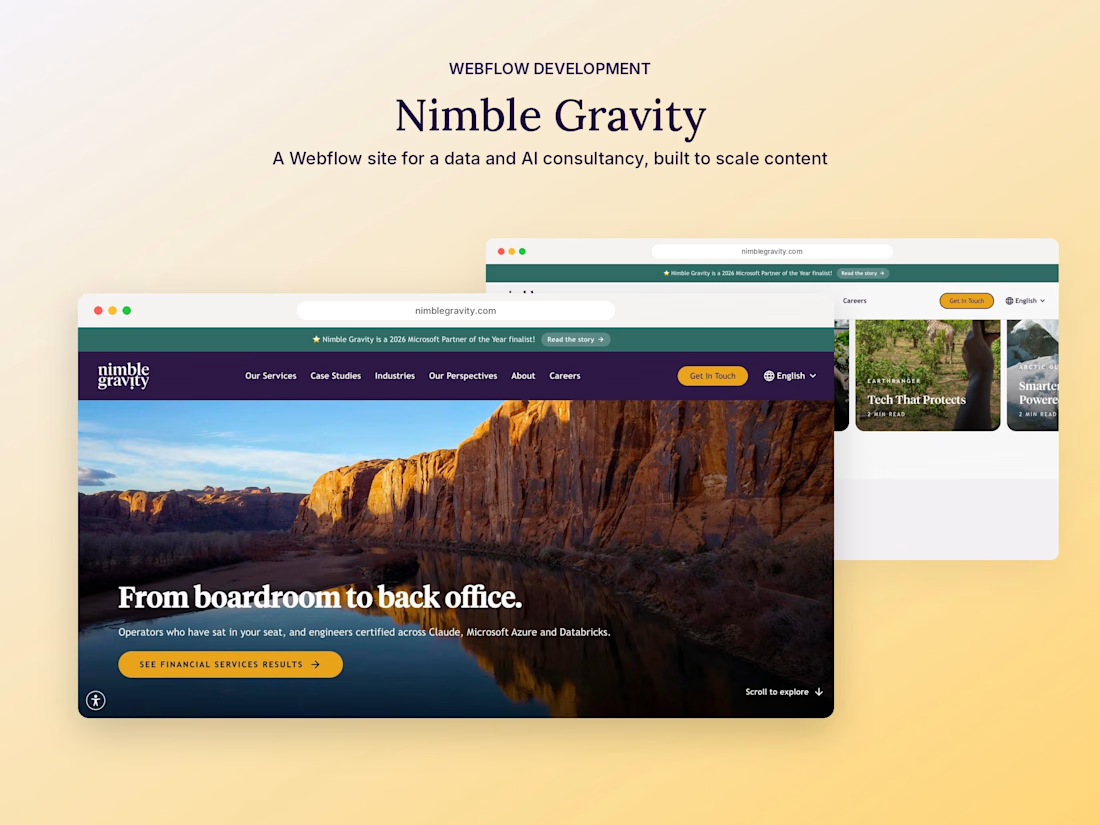
A consultancy site isn't a brochure. It's a publishing machine.
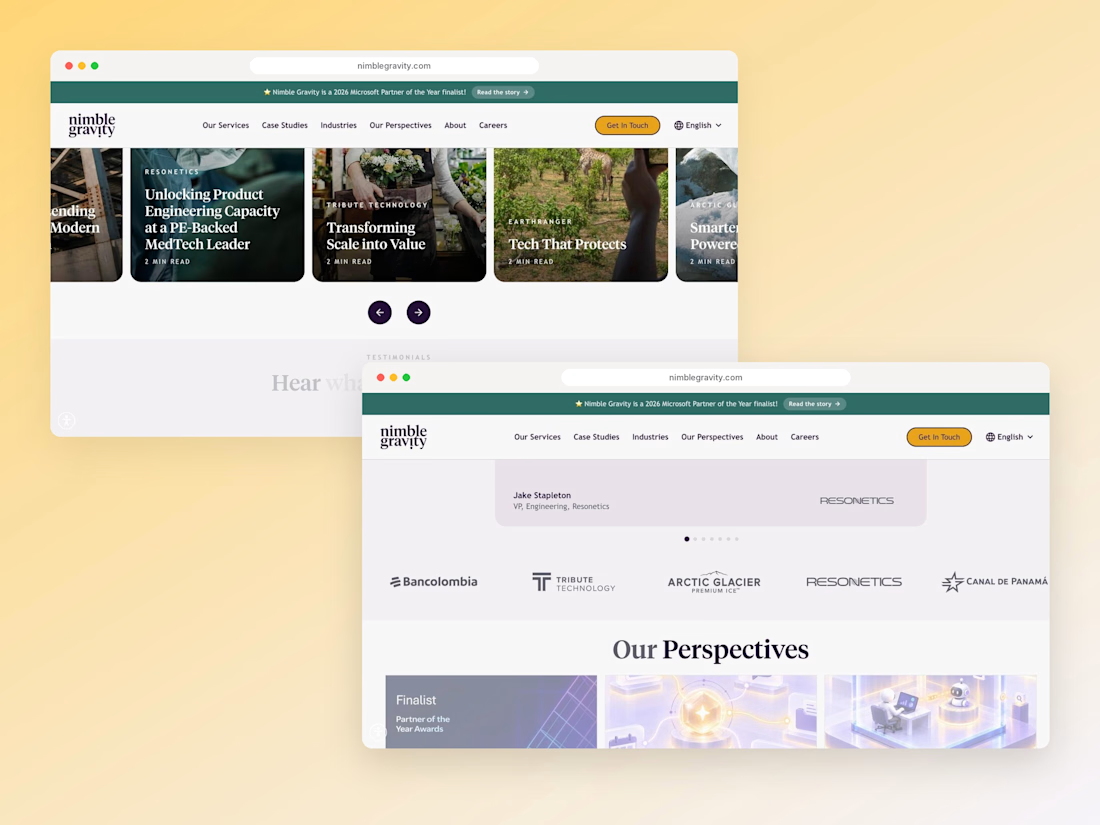
On Nimble Gravity, case studies, industry pages and articles all run on Webflow CMS with reusable cards and sliders. The team can publish new content without a developer.
If your marketing team still needs a developer to publish a case study, the build is the bottleneck, not the team.
Do you let clients edit the CMS directly, or keep it locked?


Love this!