The network for creativity
Join 1.25M professional creatives like you
Connect with clients, get discovered, and run your business 100% commission-free
Creatives on Contra have earned over $150M and we are just getting started
Back to feedPost

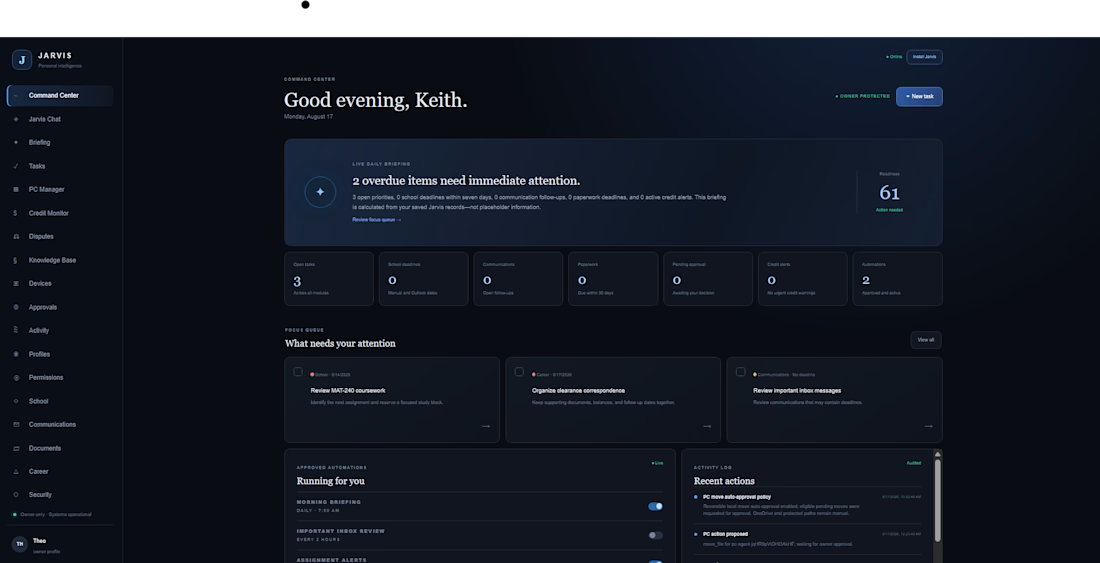
Jarvis is a private, self-hosted AI assistant designed to manage your PC, business, schoolwork, finances, family needs, streaming, and daily tasks. It recommends actions, requests approval when needed, executes safely, and keeps an audit trail.

The network for creativity
Join 1.25M professional creatives like you
Connect with clients, get discovered, and run your business 100% commission-free
Creatives on Contra have earned over $150M and we are just getting started







Related posts

Built an n8n automation that recovers missed customer calls, starts an AI conversation, checks CRM context, routes urgent requests, and tracks callback SLAs until the customer is handled.


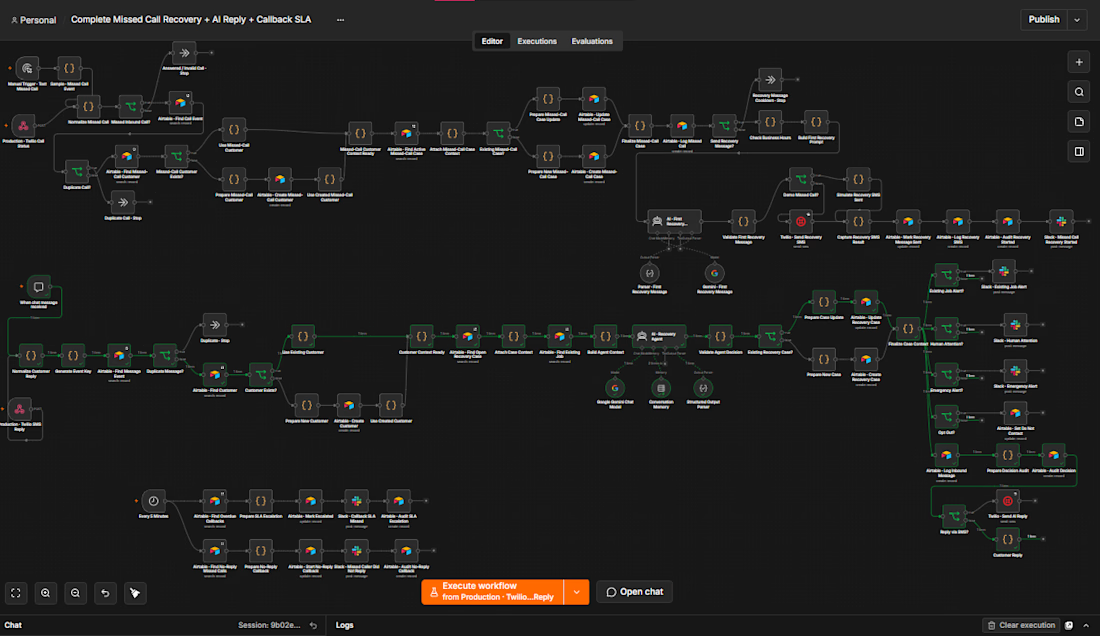

nice that it tracks the callback until someone actually handles it. which businesses is this built for, trades or more like clinics

Where should an agent’s permission check live?
I built DeadBolt at NextEleven to put that check at the point where a tool action actually runs, outside the model’s instructions. Stable 2.0.0 is now available, free and open source under Apache-2.0.
For example: an agent requests a file write. Your executor asks DeadBolt first. A denial leaves the protected function uncalled. You can set tool policies, require one-use approvals, pause a run, or kill its future admissions. Store or transport failure denies protected dispatch.
You can embed it in Rust, use a local sidecar from Python or another language, or wrap a trusted stdio MCP server.
The boundary matters: DeadBolt protects routes you connect. It is not a sandbox for arbitrary code, and kill does not automatically cancel work already running.
Install, examples and captioned walkthroughs:
https://nexteleven.dev/deadbolt
If you’re building agents, what would make a permission gate easier to integrate into your stack? I’m happy to answer setup questions and consider useful feedback.
nexteleven.dev
DeadBolt — Give agents tools. Keep control.
A local execution gate for software agents, built by NextEleven.

For me, a small MCP example would help: approve a file write, then show what happens if the agent changes the path or content before execution. Is the one-use approval tied to those exact arguments?