The network for creativity
Join 1.25M professional creatives like you
Connect with clients, get discovered, and run your business 100% commission-free
Creatives on Contra have earned over $150M and we are just getting started
Back to feedPost

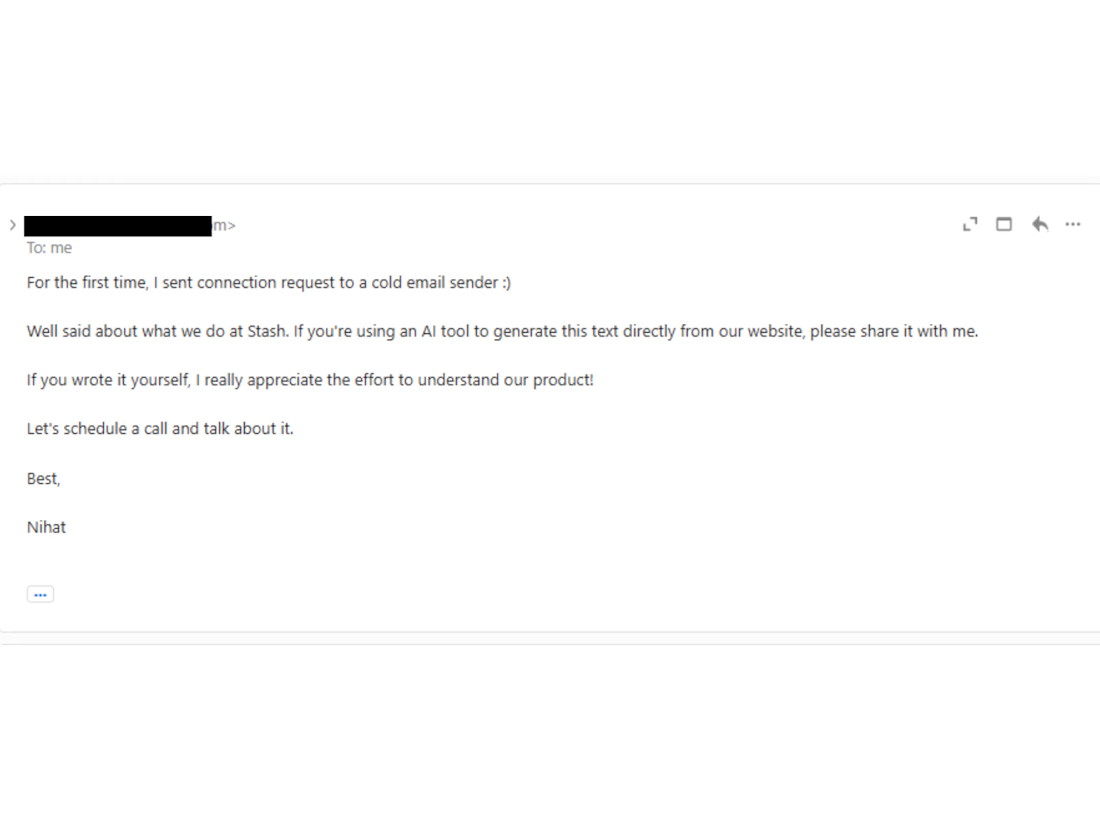
The "How did you write this?" Moment.
In a world of automated noise, earning a prospect's respect is the highest conversion metric.
This isn't the result of a generic AI prompt. It’s the result of GTM Engineering:
-Understanding a prospect's product better than their own competitors.
-Reaching out exactly when it matters, with the right context.
-Writing so well that a cold prospect actually sends you a connection request.
Stop the manual "violence". Build an unfair advantage.
Keep building.


The network for creativity
Join 1.25M professional creatives like you
Connect with clients, get discovered, and run your business 100% commission-free
Creatives on Contra have earned over $150M and we are just getting started








Related posts

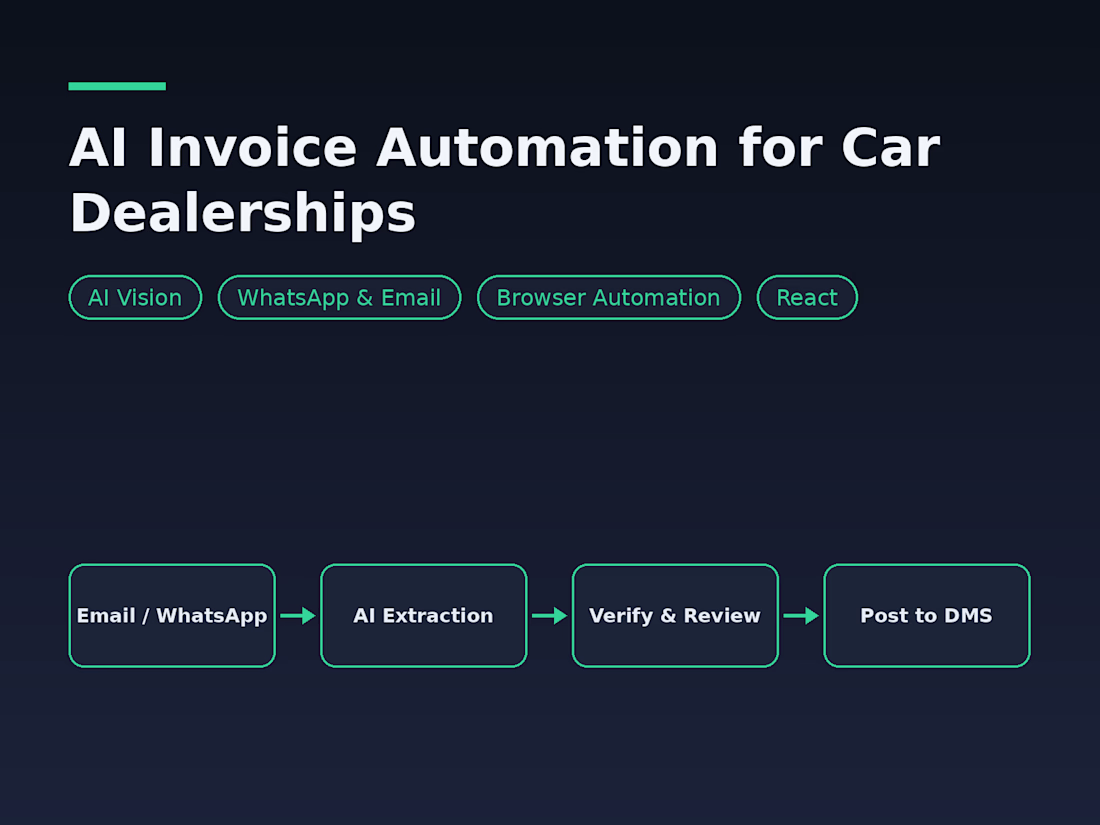
Built an AI system that reads supplier invoices and posts them straight into a dealer management system. No one retypes anything anymore.
The problem: a group of car dealerships was getting hundreds of supplier invoices by email and WhatsApp photos, and staff were keying every line into their DMS by hand.
What I built:
• Email and WhatsApp intake, auto-matched to the right dealership
• AI and vision extraction of vendor, tax details, and line items grouped by vehicle
• Verification and duplicate detection before anything gets posted
• A review dashboard for the few cases that need a human
• Browser automation that posts approved invoices into the DMS
• WhatsApp auto-replies that chase suppliers for missing details
Result: 280+ invoices processed so far, with zero exceptions.
Stack: Python, LLM and vision models, React, Selenium
If your team is still copying data from documents into another system, that's usually very automatable. Happy to take a look at yours.
#AI #Automation #AIAgents

The WhatsApp auto-replies that chase suppliers for missing details are the piece I like most, since that closes the loop instead of just flagging a gap. How do you decide when a missing field gets an automatic chase versus going to the review dashboard for a person?

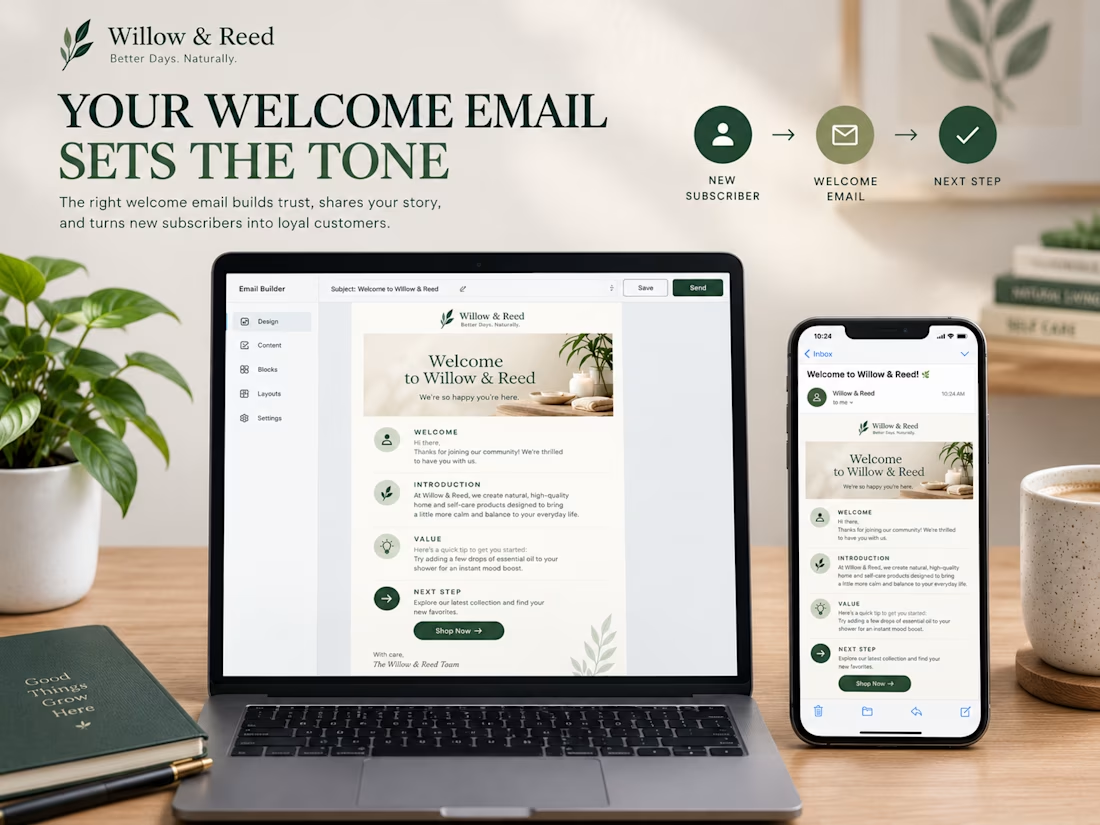
A welcome email is more than a quick “thanks for subscribing.”
It's your first opportunity to start building a relationship with a new subscriber.
When planning a welcome email, I focus on four things:
→ A warm introduction: Let subscribers know who you are.
→ Clear expectations: Tell them what kind of emails they'll receive.
→ Something valuable: Give them a useful tip, resource, or helpful next step.
→ One clear CTA: Guide them on what to do next.
You don't need to say everything in one email.
Start the relationship, deliver value, and make the next step clear.
A good welcome email doesn't just greet subscribers. It gives them a reason to stay.

That’s a great point! A welcome email should build trust and give subscribers a reason to stay, not just say hello. 🙌

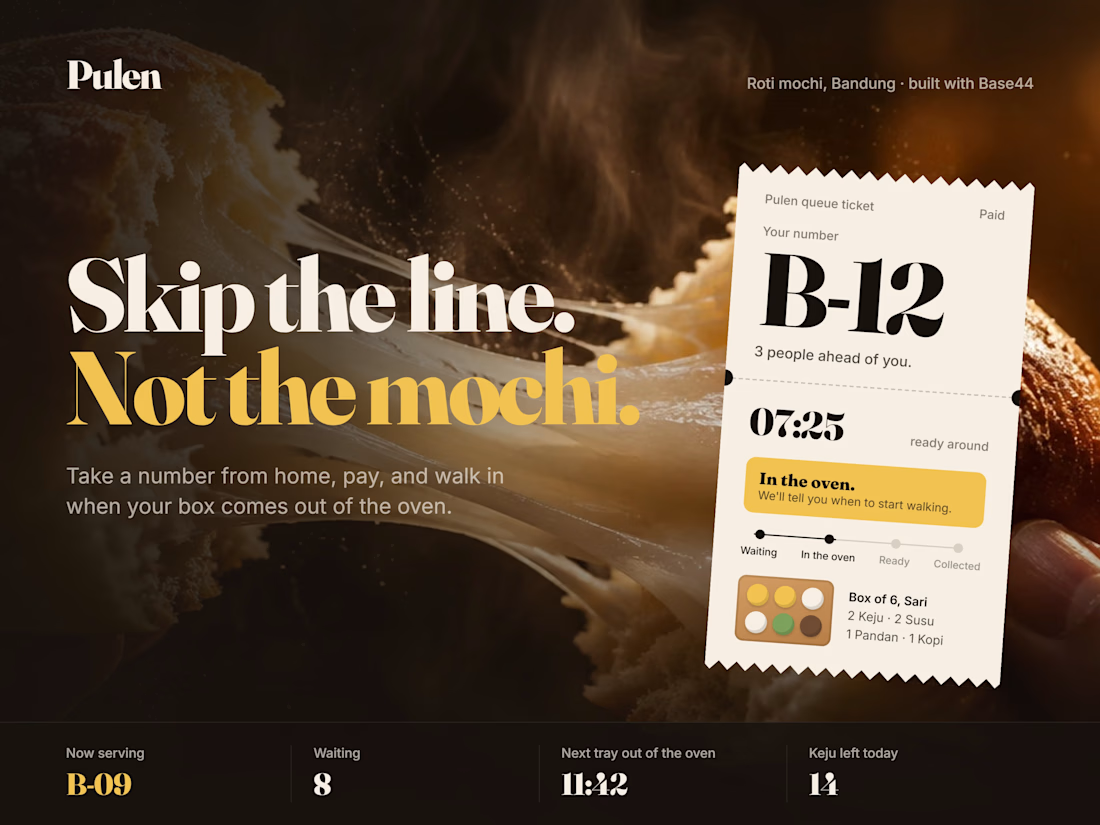
Pulen is a take-a-number app for a roti mochi bakery in Bandung. The bakery is fictional, the problem is real: the line starts at 6:40, people wait 45 minutes, and the cheese one sells out before nine.
You fill a box from home and pay, and your number only exists once the card clears, so nobody can hold buns with a fake order. Your paper ticket follows the oven and tells you when to start walking. In the kitchen, every tray of 36 is planned from paid boxes first. Unpaid holds, missed boxes, sold-out flavours and the owner's closing summary with an AI suggestion all run on their own.
If Bandung is asleep when you visit, press "Play the morning" to watch a whole morning in 70 seconds. To try ordering, use the Stripe test card 4242 4242 4242 4242.
Built in Base44 from 12 plain-English prompts.


I'd test the last cheese bun with two payments completing at once. Does Pulen reserve stock during checkout and release it on expiry, or allocate only after payment with a refund path if that flavour has sold out?