The network for creativity
Join 1.25M professional creatives like you
Connect with clients, get discovered, and run your business 100% commission-free
Creatives on Contra have earned over $150M and we are just getting started
Back to feedPost

The Algorithmic Myth: Why Your Views Fluctuate (And What Actually Matters) 🔥
Most people think the social media algorithm is a sentient gatekeeper actively deciding to "shadowban" or reward their content based on a hidden checklist.
In reality, the algorithm is mostly running a giant, continuous blind test.
The "Random Pool" Reality Check
When you post, the inner algorithm immediately pushes your content out to a small test group. But here is what most creators overlook: those initial viewers are just data points with completely unpredictable real-world contexts.
The Mindset Trap: Someone might be an ideal target for your brand, but they just opened the app while walking into a grocery store. They fast-skip your video because they are distracted, not because your content failed.
The Bad Timing Coin-Flip: Your post might land on the screen of someone who just had a stressful day, or someone who accidentally clicked your video while scrolling past.
The algorithm registers these quick skips as a lack of interest, sometimes stalling a post's reach early on. If you judge your brand's worth by those immediate, volatile view counts, you are letting a random sample of human distractions dictate your business strategy.
What to Focus On Instead
Because the initial distribution phase is highly unpredictable, chasing viral algorithmic hacks is a losing game. The variables you can control are much more powerful:
Consistency: Posting regularly gives the system more opportunities to find the right pockets of people, averaging out the statistical anomalies of a few "bad batches" of initial viewers.
Sharp Brand Positioning: Clear positioning tells the algorithm exactly who you are for. Over time, this trains the indexing system to optimize your distribution to a cleaner seed audience.
Your Origin Story: Your origin story is the emotional anchor. When the algorithm does hit the right person, your backstory converts a casual impression into a long-term follower. People don't build loyalty to optimized hooks; they connect with the human reason your brand exists.
Stop treating the algorithm like a puzzle to solve. Treat it like a distributor, and focus entirely on making the product undeniably clear 🙌

The network for creativity
Join 1.25M professional creatives like you
Connect with clients, get discovered, and run your business 100% commission-free
Creatives on Contra have earned over $150M and we are just getting started



Related posts


New: 30 days of social media content, in 24 hours
A lot of good websites sit next to a social feed that went quiet months ago. There's never a free week to make the posts.
So I built Nagz LaunchKit. Send your website, and within 24 hours of payment you get a month of finished content, in your brand: reels that show your actual website, carousels, posts and captions. On time, or your money back.
Instagram Kit $149, YouTube Kit $179, LinkedIn Kit $99, or all three for $299.
It's on my profile, under Services. How many posts did your brand publish last month?
#SocialMediaContent #ContentCreation #SaaSMarketing #ReelsForBusiness #SmallBusiness

This is so true, a good website with a quiet social feed looks like the business closed. Most owners know they need to post but they never get a free week to make it. Showing their real website in reels is smart, it builds trust faster than generic templates. For local...

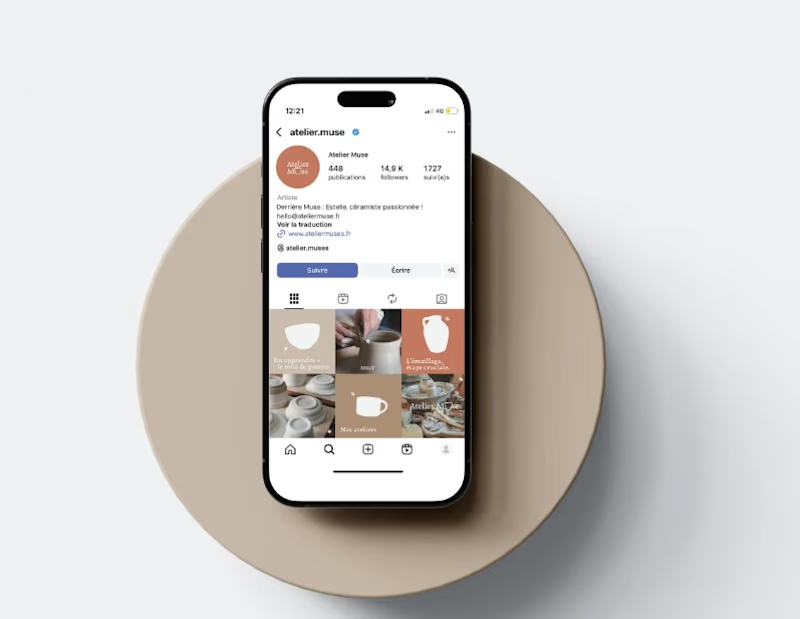
**Can Someone Understand What Your Business Offers Within 10 Seconds of Visiting Your Page?**
Imagine someone discovers your business on Instagram for the first time.
They visit your profile because something caught their attention.
But within a few seconds, they still cannot figure out exactly what you offer, who your services are for or how to get started.
That's a missed opportunity.
Your social media profile should make it easy for potential customers to understand your business without having to search through dozens of posts.
Here are four things your profile should communicate clearly:
What you offer: Make your products or services easy to understand.
Who you serve: Help visitors recognize whether your business meets their needs.
Why they should explore further: Highlight useful information about your brand, products or services.
How to reach you: Make your contact details and next steps accessible.
Your social media page is part of your customer's experience with your business.
Don't make potential customers work too hard to understand what you do.
If someone visited your business page today, would they immediately understand what you offer?

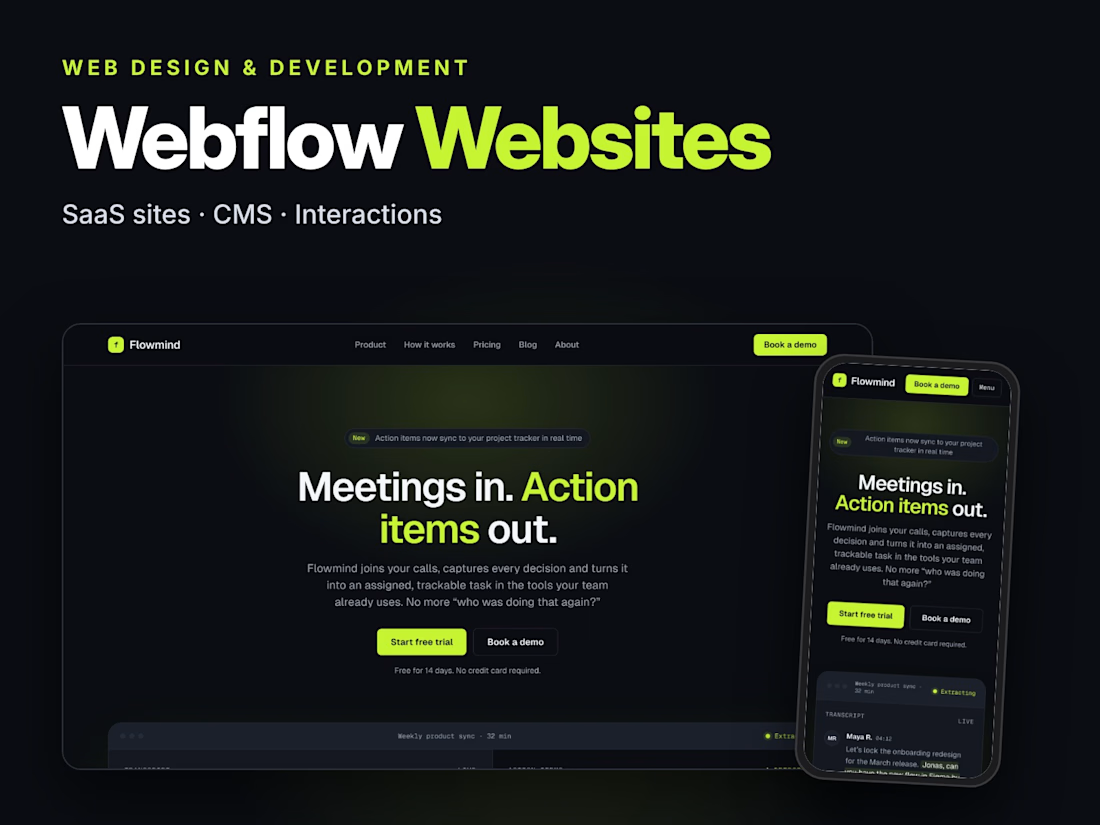
Most SaaS landing pages lose visitors in the first 5 seconds. Not because the product is bad, but because the page doesn't explain it fast enough.
That was the challenge behind Flowmind, an AI workflow tool I designed and built in Webflow:
→ A hero that says what it does in one line
→ Product visuals instead of vague illustrations
→ Pricing and FAQs that answer objections before they become questions
→ Fully responsive, fast, and easy for the client to update through the CMS
A website isn't decoration. It's your best salesperson, working 24/7.
If your landing page isn't converting the way it should, let's talk. 👇

This is so true, most landing pages lose people not because the product is bad but because the hero takes too long to explain it. Your one line hero for Flowmind does exactly what it should, you know what it does in 2 seconds. For local businesses I see the same thing, if the...