The network for creativity
Join 1.25M professional creatives like you
Connect with clients, get discovered, and run your business 100% commission-free
Creatives on Contra have earned over $150M and we are just getting started
Back to feedPost

A client once asked me to add full multi-tenancy and audit logging to a live SaaS — without touching a single one of its 132 existing tables.
No downtime. No migrations on the old schema. Real users on it the whole time.
The solution wasn't clever code. It was restraint: new tables only, tenant scoping layered on top, audit trail bolted to the side, existing logic untouched.
Good architecture is usually less about what you build and more about what you refuse to break.
What's the gnarliest "don't break the existing system" constraint you've ever had to work under?
The network for creativity
Join 1.25M professional creatives like you
Connect with clients, get discovered, and run your business 100% commission-free
Creatives on Contra have earned over $150M and we are just getting started





Related posts


Very clean design

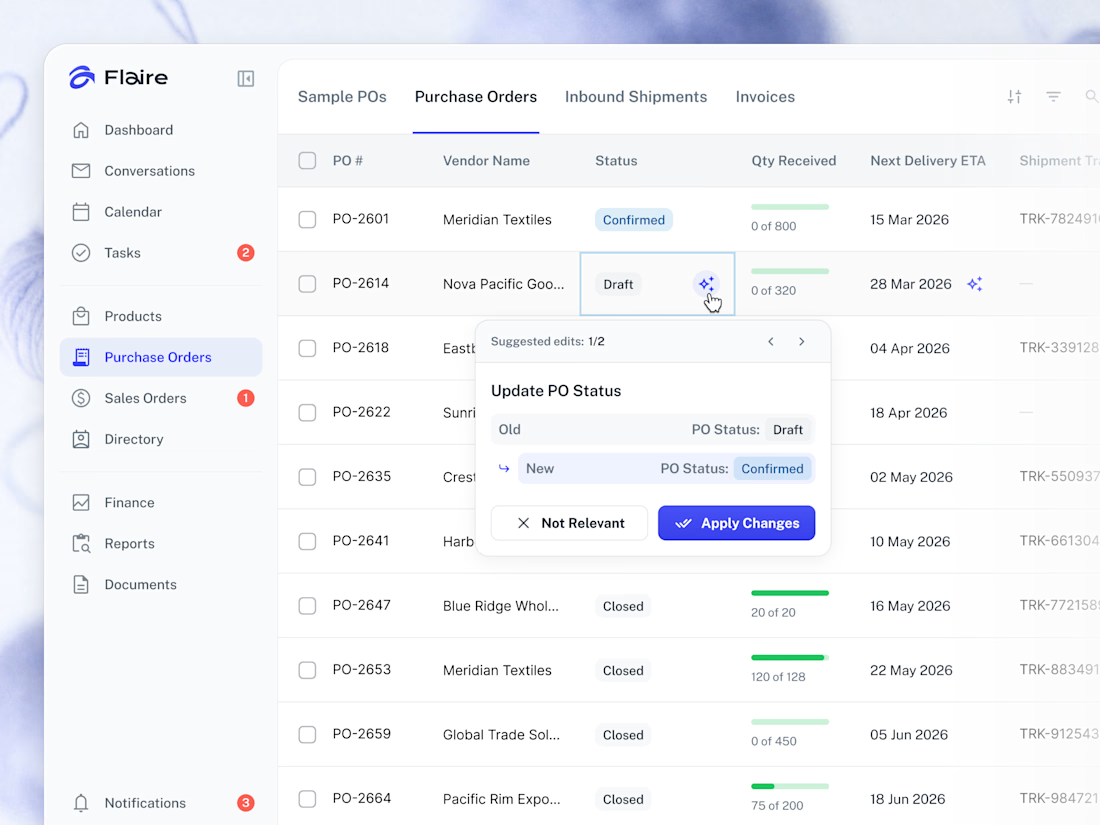
✨ AI Suggestions on the Purchase Orders list. Proposed record edits surface inline for the user to apply or dismiss in one tap.



Great work

A recent SaaS website design project Done...


Excellent project, really nice