The network for creativity
Join 1.25M professional creatives like you
Connect with clients, get discovered, and run your business 100% commission-free
Creatives on Contra have earned over $150M and we are just getting started
Back to feedPost
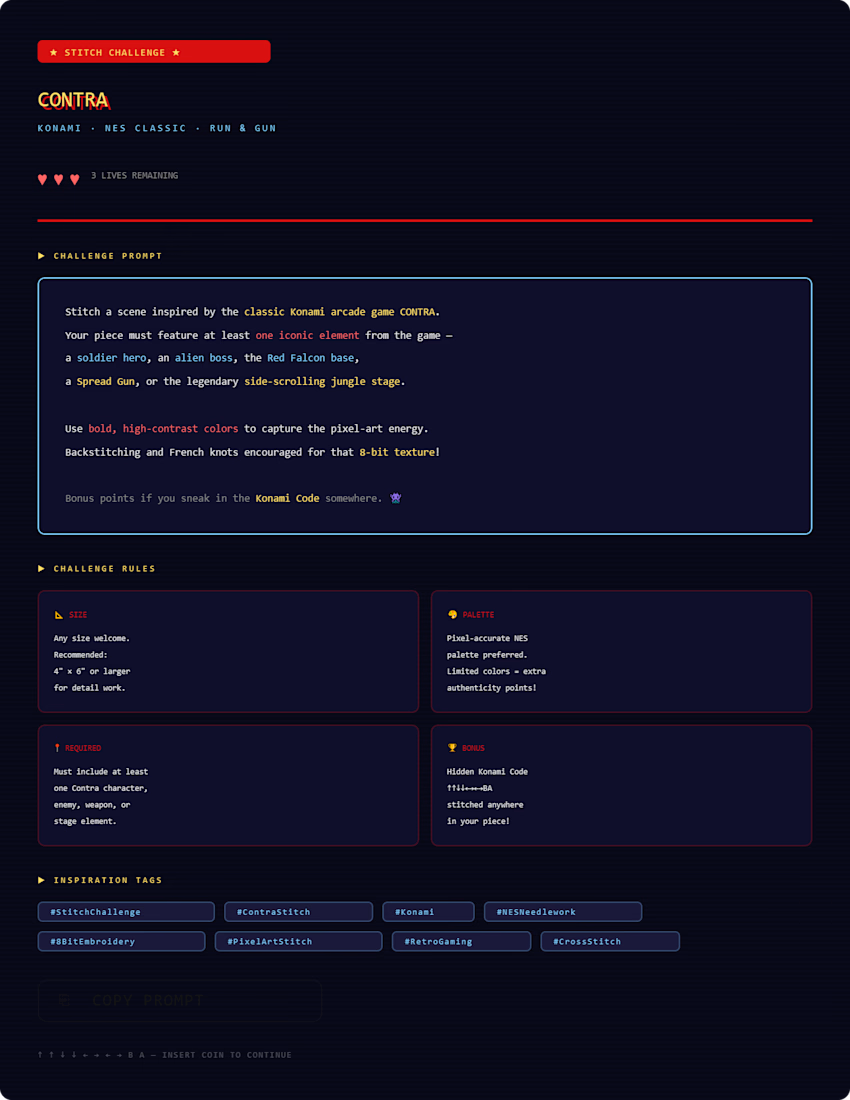
A clear creative brief referencing iconic Contra elements (Bill, Lance, Red Falcon, Spread Gun, jungle stages)
Challenge rules for size, palette, and required elements
A Konami Code easter egg bonus
Relevant hashtags for sharing
A copy button to grab the full text for posting


Wild how much skill went into this.

Thank you @Denis Turbin , that's kind of you to say! It's a fun combination of things coming together — the retro pixel font, scanline overlay, NES color palette, the little game-accurate details like the lives counter and "INSERT COIN" footer. Glad it landed well! Thank you!
The network for creativity
Join 1.25M professional creatives like you
Connect with clients, get discovered, and run your business 100% commission-free
Creatives on Contra have earned over $150M and we are just getting started







Related posts

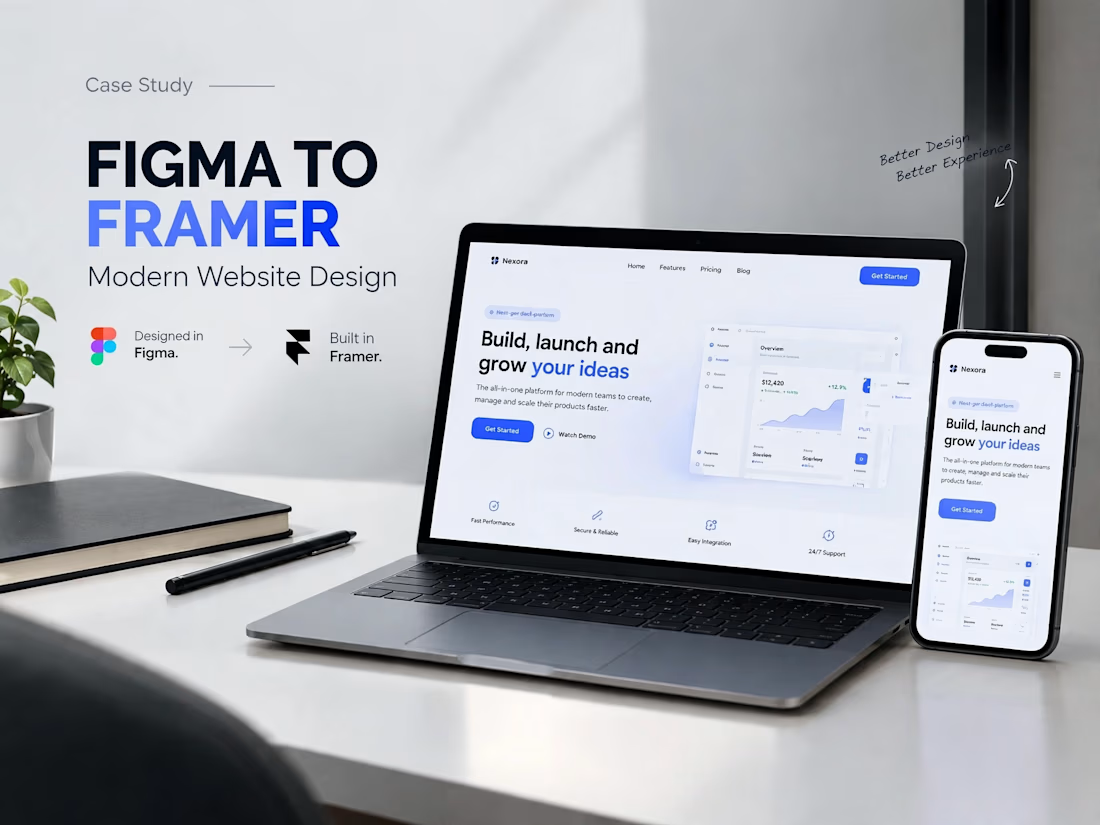
A modern SaaS website concept designed in Figma, featuring clean layouts, intuitive navigation, consistent visuals, and a user-friendly experience across different screen sizes.


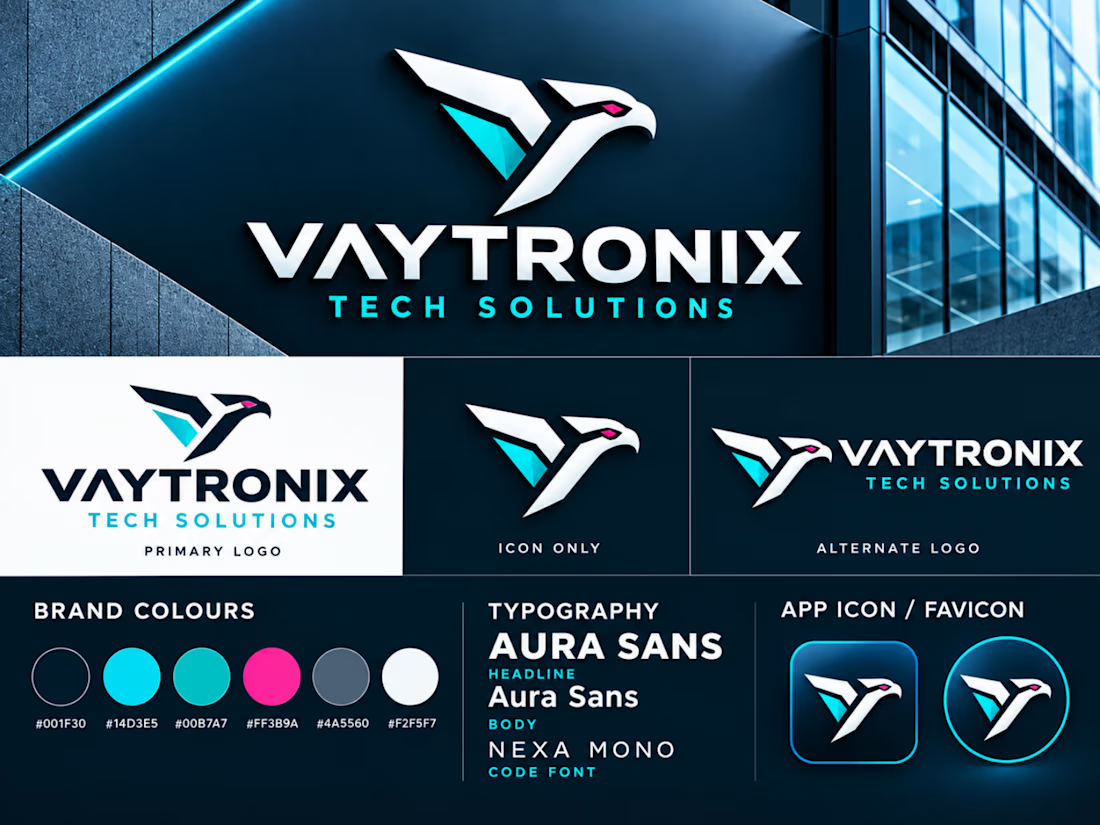
Vaytronix Tech Solutions: a falcon inspired brand identity built around speed, precision and innovation. Includes the logo system, colour palette, typography, app icon and signage mockup.


Bold call putting a falcon on a tech brand. Real question though: does he survive the 16px favicon test, or do the wings get clipped?

We can't wait to kick off the CapCut World LA Challenge!
Check out the guidelines here to get started ✨