The network for creativity
Join 1.25M professional creatives like you
Connect with clients, get discovered, and run your business 100% commission-free
Creatives on Contra have earned over $150M and we are just getting started
Back to feedPost


If you can't justify paying for a piece of software, there's not enough value in it to have on your device.
Every free tool has a business model. If you're not paying with money, you're paying with data. Your data. Your clients' data. Your files.
Free AI tools train on what you give them. Free email services scan your messages. Free project management tools own your content.
I pay for every tool in my stack. Not because the paid version is always better. Because the paid version has a reason to protect my information instead of monetize it.
Security isn't an add-on. It's baked into the business model of the tools you choose.
Pick tools where you're the customer, not the product.
PC: Resource Database on Unsplash

The network for creativity
Join 1.25M professional creatives like you
Connect with clients, get discovered, and run your business 100% commission-free
Creatives on Contra have earned over $150M and we are just getting started
Related posts

Happy to share a little piece of what I've been working on lately: Nexus.
Nexus is a concept for a network that moves money and data as fast as the internet moves information. Payments, tokenized assets, AI agents that pay for things on their own, apps that need privacy by default.
The full website is coming soon.




Big idea and it looks great. Excited to see where you take Nexus next.

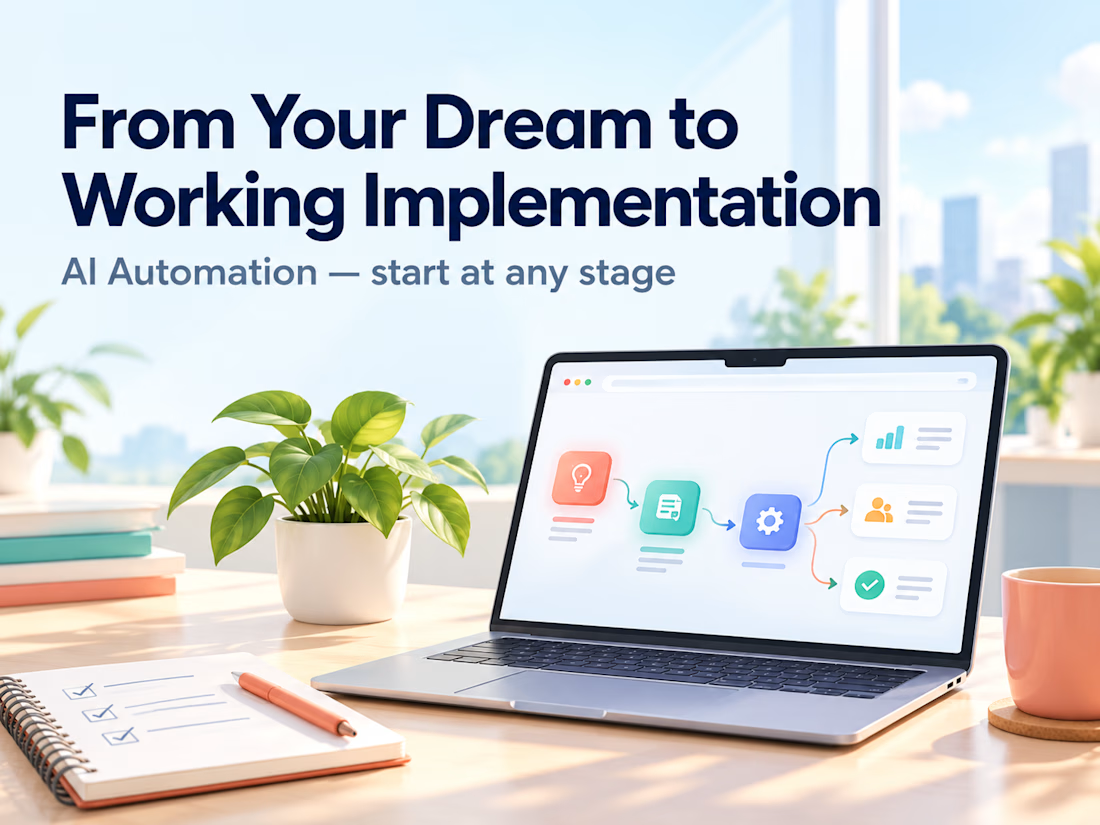
Clients often start with the same request: "Let's build an AI agent."
My counter-question is always: which manual process actually costs you time, errors, or money right now?
My selection rule: remove it first. If it can't be removed, simplify it. If it's still needed, automate it with a plain script. Only then add an integration or an agent. Often the best result is the process that no longer exists.
Safe automation means real scenarios, error handling, and alerts. Without alerts, a workflow can silently lose data for weeks. I always define what stays with a human and what goes to the system.
Question for you: which process would you automate first, and why is it still manual?
Service for audit and implementation: https://contra.com/s/BmWLbgFU-ai-automation-from-your-dream-to-working-implementation?r=auto_booster



A calculator that runs by itself is a clever way to show the product without asking anyone to read. Watching a price turn into an invoice explains the value instantly.