The network for creativity
Join 1.25M professional creatives like you
Connect with clients, get discovered, and run your business 100% commission-free
Creatives on Contra have earned over $150M and we are just getting started
Back to feedPost

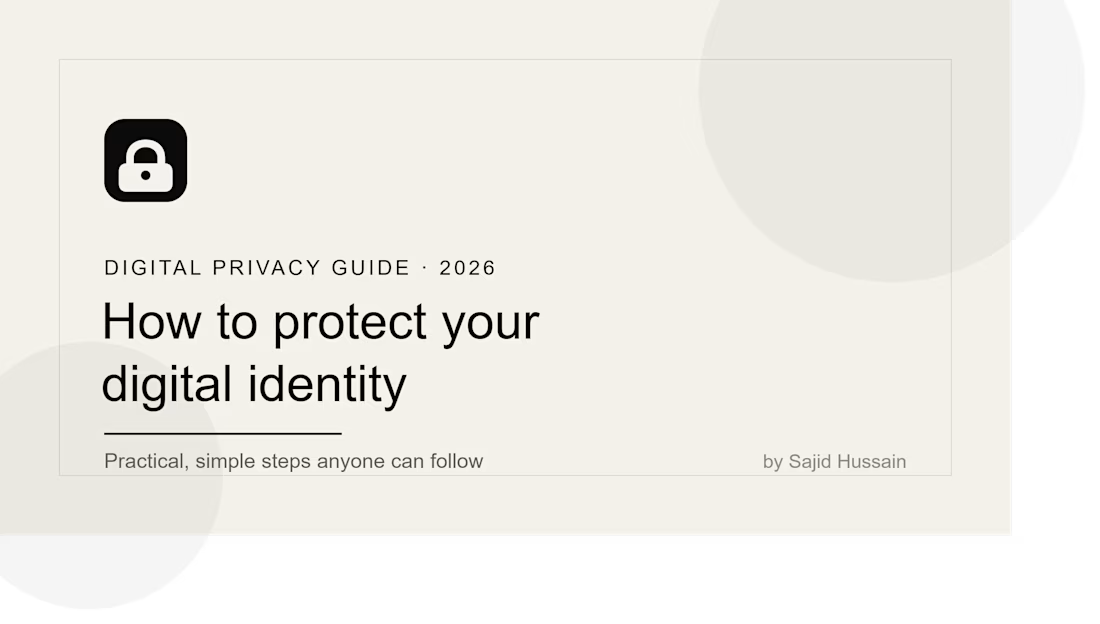
How to Protect and Manage Your Digital Identity in 2026
Every time you post a photo, sign up for an app, or shop online, you leave a small trace behind. Over the years, these traces add up to something bigger — your digital identity. It's the version of you that exists on the internet, built from years of posts, accounts, and searches.
In 2026, this matters more than it used to. AI can now copy a person's voice or face well enough to fool people who know them. Data breaches happen so often that most of us have probably had our information leaked at least once, even if we never found out. And once something is online, it rarely disappears completely.
The good news is that protecting yourself doesn't require any technical skill. It just takes a bit of awareness and a few small habits.
Start by searching your own name
Most people never actually check what shows up when someone searches for them. It's worth doing. Open a search engine, type your name, and see what comes up — old accounts you forgot about, photos you'd rather not have public, or personal details sitting out in the open. This one search usually tells you more about your digital footprint than anything else.
Tighten Up Your Privacy Settings
Social media platforms are usually set to share more than people realize. Take a few minutes to go through your accounts and check who can actually see your posts, your phone number, or your location. Switching a few things to "private" can quietly cut down how much of your life is visible to strangers.
Passwords Matter More Than People Think
A weak, reused password is still one of the easiest ways for someone to break into your accounts. Using a different password for each account, making them long and a little random, and turning on two-factor authentication wherever it's offered will block most attempts before they even start. It sounds basic, but this single habit stops the majority of real-world hacking attempts.
Think Before You Post
Before sharing something, it helps to pause for a second and ask if you'd be comfortable with a stranger seeing it. Vacation plans posted before you leave, home addresses, or personal documents are the kind of things that seem harmless in the moment but can be used against you later.
Know What to Do If Something Goes Wrong
If you notice anything suspicious—a login you don't recognize, a message you didn't send, unexpected charges—don't wait. Change your passwords right away, enable two-factor authentication if you haven't already, and contact your bank or the platform involved. Acting quickly usually limits the damage a lot more than people expect.
The Bigger Picture
None of this requires becoming a security expert. It's really just about paying attention to something most people ignore until it's too late. A quick self-search, a review of your privacy settings, and better password habits go a long way. Your digital identity is worth protecting — and in 2026, that protection starts with a few small, deliberate choices.


The network for creativity
Join 1.25M professional creatives like you
Connect with clients, get discovered, and run your business 100% commission-free
Creatives on Contra have earned over $150M and we are just getting started


Trending
retrofuturism
Share your favorite designs from the past exploring the distant future. Or your own take on the aesthetic 🚀
halftone
Dots. Texture. Grain. Let's see your designs using the halftone technique.

Midjourney
Creatives are showing off what they're making with Midjourney.
colorgrade
Video editors sound off: How do you enhance the mood of your video in color grading?
Related posts


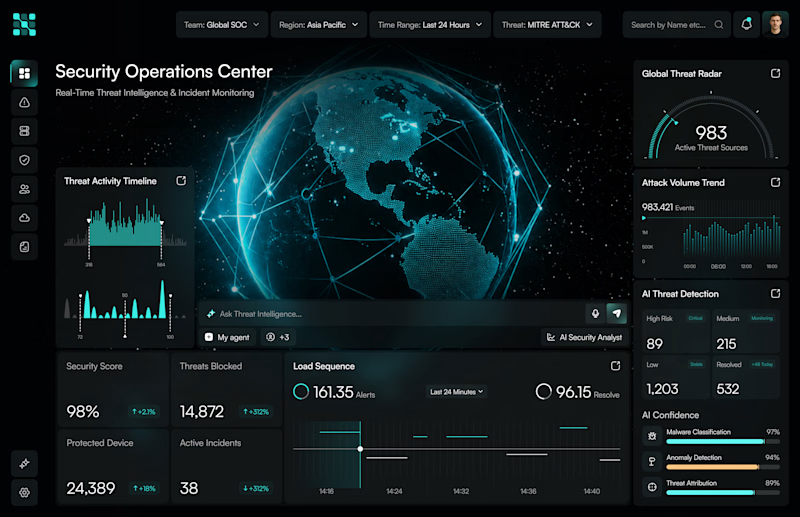
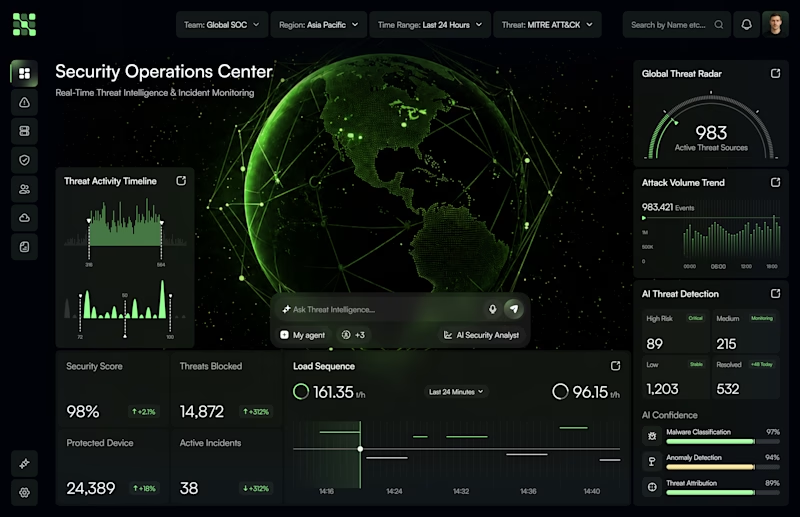


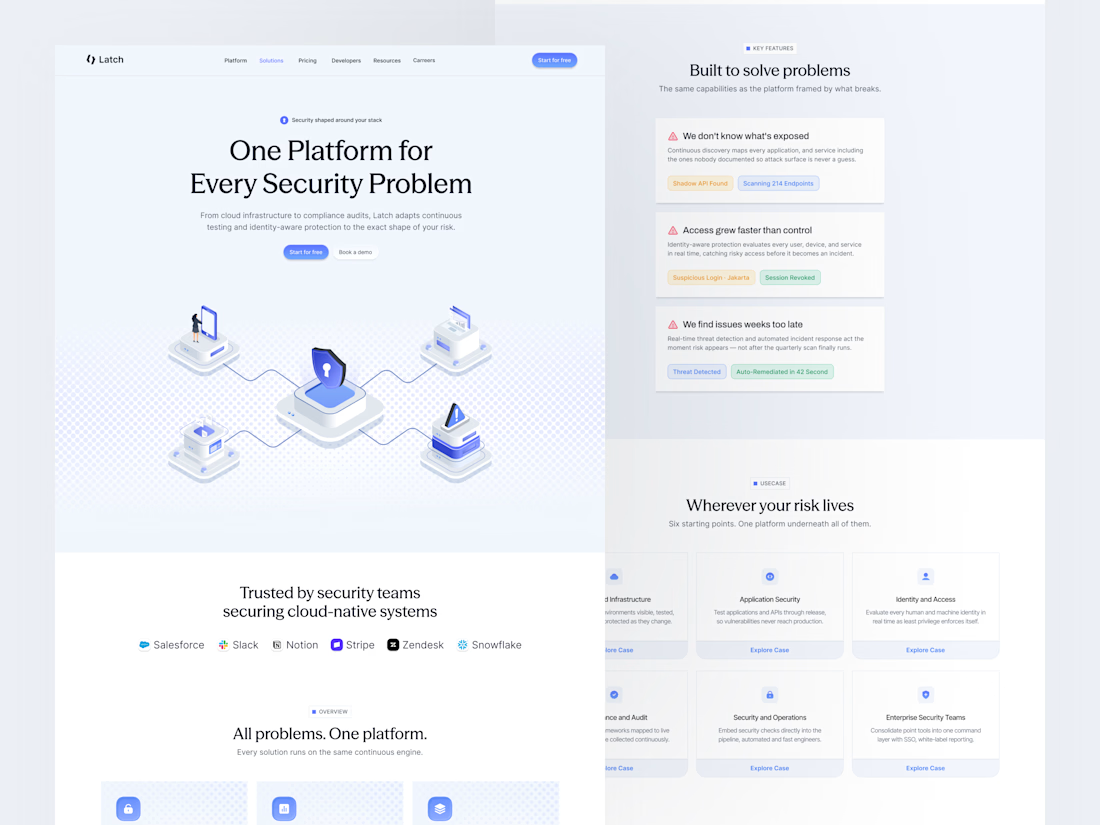

Kajabi Website Design for a Mindset Coaching Brand
Designed a premium, conversion-focused Kajabi website for a mindset coaching and personal development brand.
The website was structured to clearly communicate the brand’s value, guide visitors toward coaching and digital products, and create a polished experience for potential clients and course buyers. I focused on clean visual hierarchy, strong typography, intuitive navigation, strategic CTAs, responsive layouts, and a cohesive luxury-inspired brand aesthetic.
Key focus: Kajabi Website Design, UI/UX Design, Conversion-Focused Design, Landing Page Design, Coaching Website, Digital Product Showcase, Responsive Web Design.

