The network for creativity
Join 1.25M professional creatives like you
Connect with clients, get discovered, and run your business 100% commission-free
Creatives on Contra have earned over $150M and we are just getting started
Back to feedPost

30 Days of Writing – Day 1 ✍️
Every great piece of writing starts with a simple goal: to connect with someone.
That's one of the reasons I enjoy writing. Whether it's an article, a blog post, or website content, I love turning ideas into clear, engaging words that inform and inspire.
As I continue building my freelance writing career, I'm challenging myself to keep learning, practicing, and improving every day.
Here's to 30 days of growth, creativity, and better writing.
🚀#Writing #FreelanceWriter #ContentWriting #Copywriting #Editing😊


The network for creativity
Join 1.25M professional creatives like you
Connect with clients, get discovered, and run your business 100% commission-free
Creatives on Contra have earned over $150M and we are just getting started











Related posts

How to Build Your Best Portfolio for 2027: Which Format Works Better?
Clients don't have time to dig.
Here's how to make your work easy to trust.
A potential client opens your link. You have about 10 seconds before they decide to stay or leave.
So the real question isn't ...should I have a portfolio?. It's ...which kind gets read, and which gets skipped?
Here's the breakdown.
1. PDF portfolio
Best for: sending directly to a client in a DM or email.
Strength: fast, controlled, looks exactly how you designed it.
Weakness: it's not searchable, it doesn't update itself, and it feels static.
Use it as a companion, not your main home.
2. Platform portfolio (Contra, Behance, Dribbble)
Best for: being found by clients already looking to hire.
Strength: built-in audience, reviews, and a clear way to contact you.
Weakness: you're on someone else's platform, with their layout and their rules.
This is where freelancers should start, because it puts you in front of buyers with no website to build.
3. Your own website
Best for: long-term trust and search.
Strength: you own it, control the story, and can show services, samples, and results in one place.
Weakness: it takes longer to build, and it needs traffic from somewhere else.
This is where serious clients end up after they've found you elsewhere.
4. LinkedIn profile + Featured section
Best for: B2B work, since buyers check it before they message you.
Strength: your portfolio sits next to your posts, so proof and personality are together.
Weakness: limited design space.
For B2B services, this is often the first place a client looks.
So which one wins?
None of them alone. What works best is a simple chain:
LinkedIn (get found) → Contra or your site (see the work) → PDF (close the deal).
Each one does a different job. LinkedIn brings the visitor, the portfolio page proves your skill, and the PDF makes it easy for them to forward you to their team.
What to put in any portfolio
Whatever format you choose, include these 5 things:
A one-line promise: who you help and what changes
3 strong samples, not 15 average ones
A short caption for each: the problem, what you did, why it works
One real result or testimonial, as soon as you have one
One clear next step: book a call, DM, or email
If you don't have client work yet, create sample projects and label them clearly as samples. That's honest, and buyers respect it more than a padded portfolio.
In 2027, a portfolio isn't a gallery. It's a trust tool. Keep it clean, specific, and easy to scan, and make the next step obvious.
I'm Maryam, and I ghost-write LinkedIn content for SaaS founders and help design clear, clean profiles. If you'd like help with your LinkedIn, profile, or website writing, message me on Contra or LinkedIn.

Love this! A portfolio should not just show what you do, but help potential clients understand how you can solve their problems. Trust and clarity make all the difference. 👏

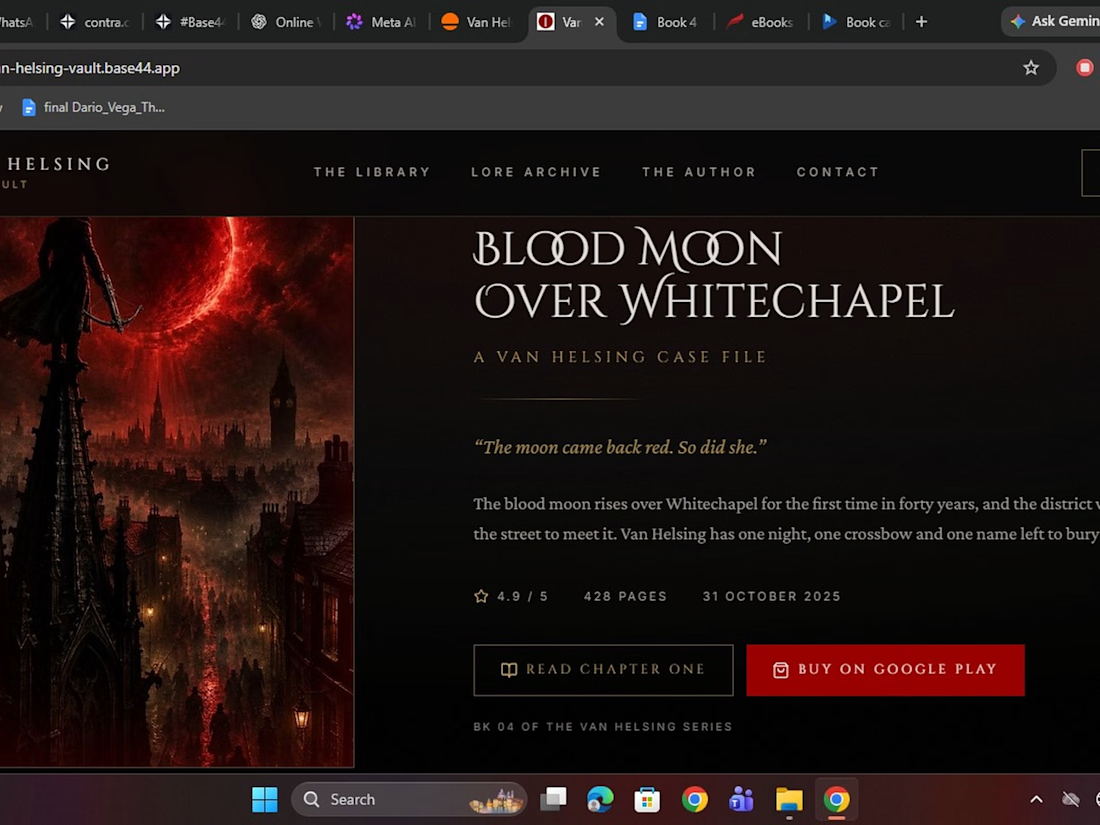
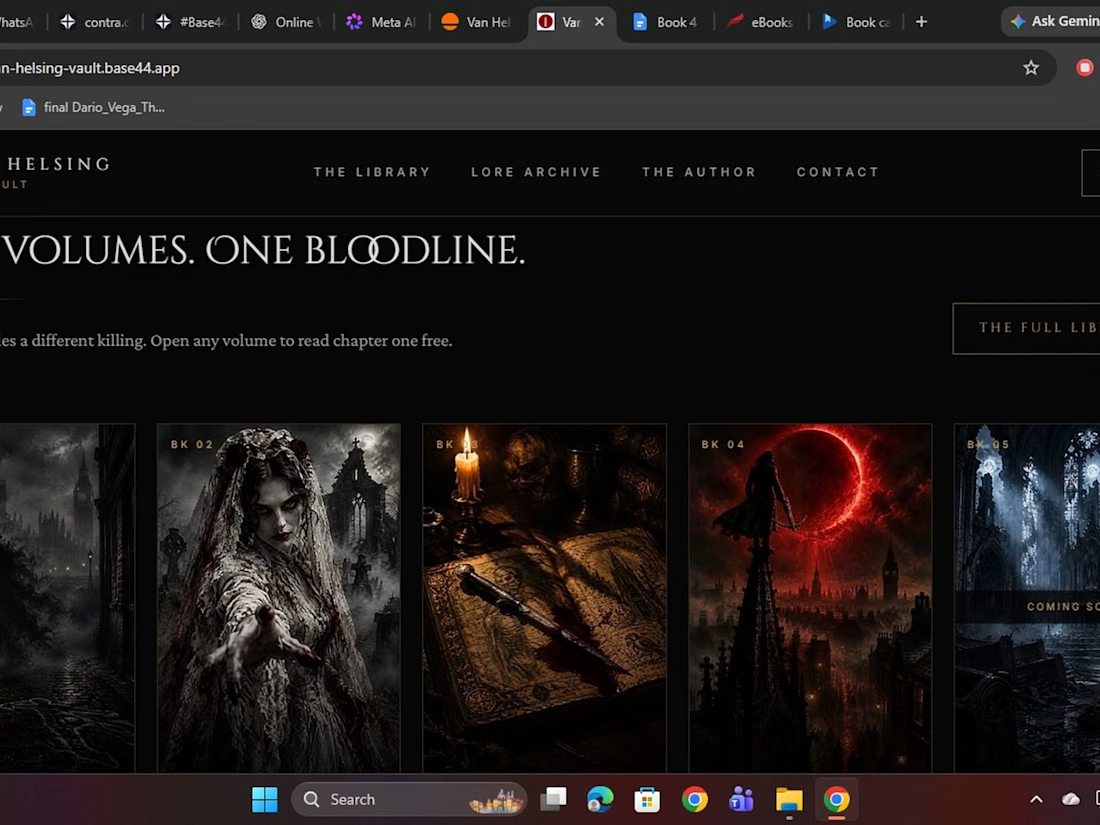
Van Helsing: The Vault — Gothic Horror Book Universe
I built a cinematic, HBO-style immersive vault for my 9-book Van Helsing series using Base44.
What it does:
BLOOD MOON OVER WHITECHAPEL Book 4 featured launch with free Chapter 1
NINE VOLUMES. ONE BLOODLINE library — each cover hides a different killing
Lore Archive & The Author sections
Dark luxury gothic design inspired by Whitechapel 1888 atmosphere
Google Play integration to buy books Why: I wanted to turn my horror books from just covers into an experience — like Netflix for my readers. Base44 let me build a Hollywood-level author site in 15 minutes that looks like it cost $5K. Live: https://van-helsing-vault.base44.app #base44challenge


New week. New ideas. More room to grow. ✨
One thing I'm learning as a creative is that growth doesn't happen only when you're working on a big project. Sometimes, it's in the small decisions, the things you learn, the ideas you explore, and the courage to keep showing up.
Whether I'm working on architectural visualization, exploring digital design, or learning something new, I want every step to make me better at what I do.
I'm starting this week with an open mind, fresh energy, and a reminder to myself that there's always room to improve.
To everyone building something of their own, keep going. Your progress matters, even when it feels slow. 🤝
What are you working on or hoping to improve this week?
#Design #3DDesign #CreativeProcess


Really like how clearly the idea comes across.