The network for creativity
Join 1.25M professional creatives like you
Connect with clients, get discovered, and run your business 100% commission-free
Creatives on Contra have earned over $150M and we are just getting started
Back to feedPost

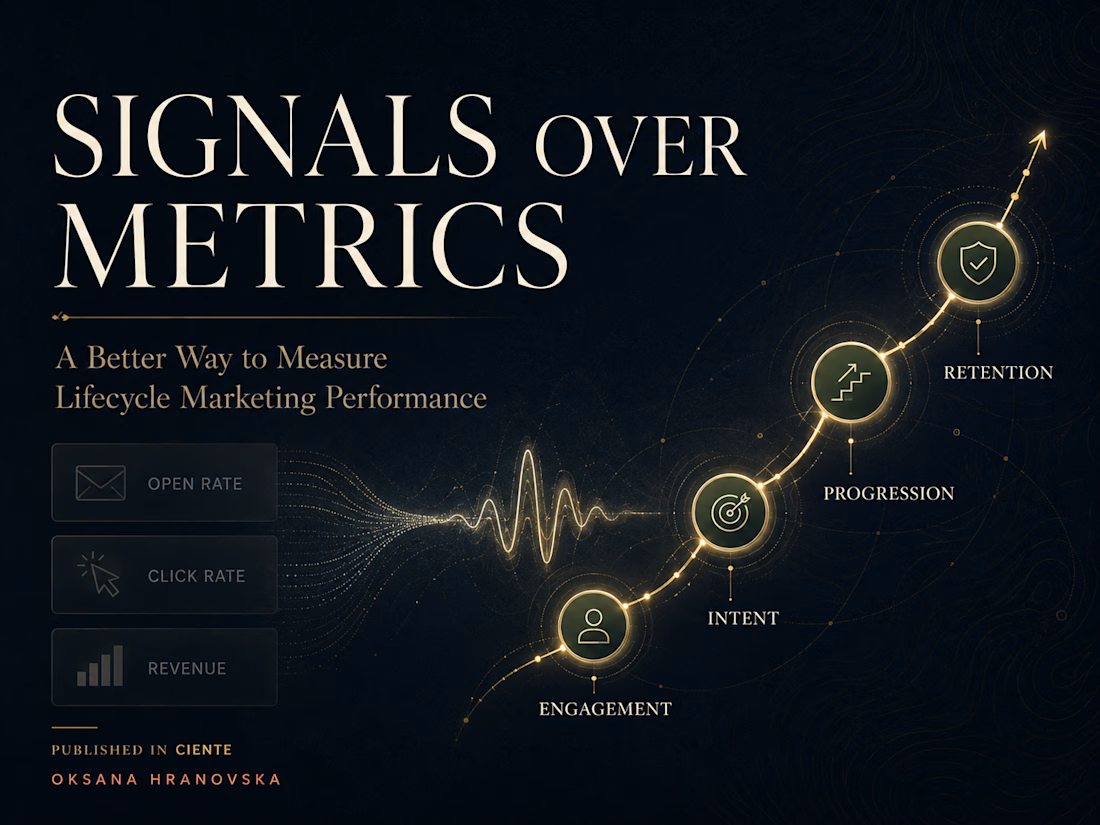
Signals Over Metrics: Measuring Lifecycle Marketing Performance
Short description
An expert article exploring how behavioral signals can provide a clearer understanding of lifecycle marketing performance beyond traditional email metrics.
Project overview
Lifecycle marketing performance is often evaluated through isolated metrics such as open rates, click rates, and campaign revenue. While useful, these numbers do not always explain whether customers are progressing through their journey, building engagement, or showing early signs of disengagement.
In this article, I explore a more strategic approach to lifecycle measurement that focuses on customer behavior, progression signals, and the broader relationship between marketing activity and customer experience.
The article reflects my work in lifecycle strategy, retention, customer journey analysis, and behavioral segmentation


The network for creativity
Join 1.25M professional creatives like you
Connect with clients, get discovered, and run your business 100% commission-free
Creatives on Contra have earned over $150M and we are just getting started








Related posts


Just wrapped up this high-converting Shopify product page for Haloven, designed and built in Replo. 🚀
The focus was simple: turn product interest into purchase confidence through strong offer presentation, social proof, customer testimonials, product education, comparison, trust signals, and CRO-focused UX.
The client loved the final result and said she’d happily recommend my work to others. 🙌
Built with Replo + Shopify + CRO thinking.


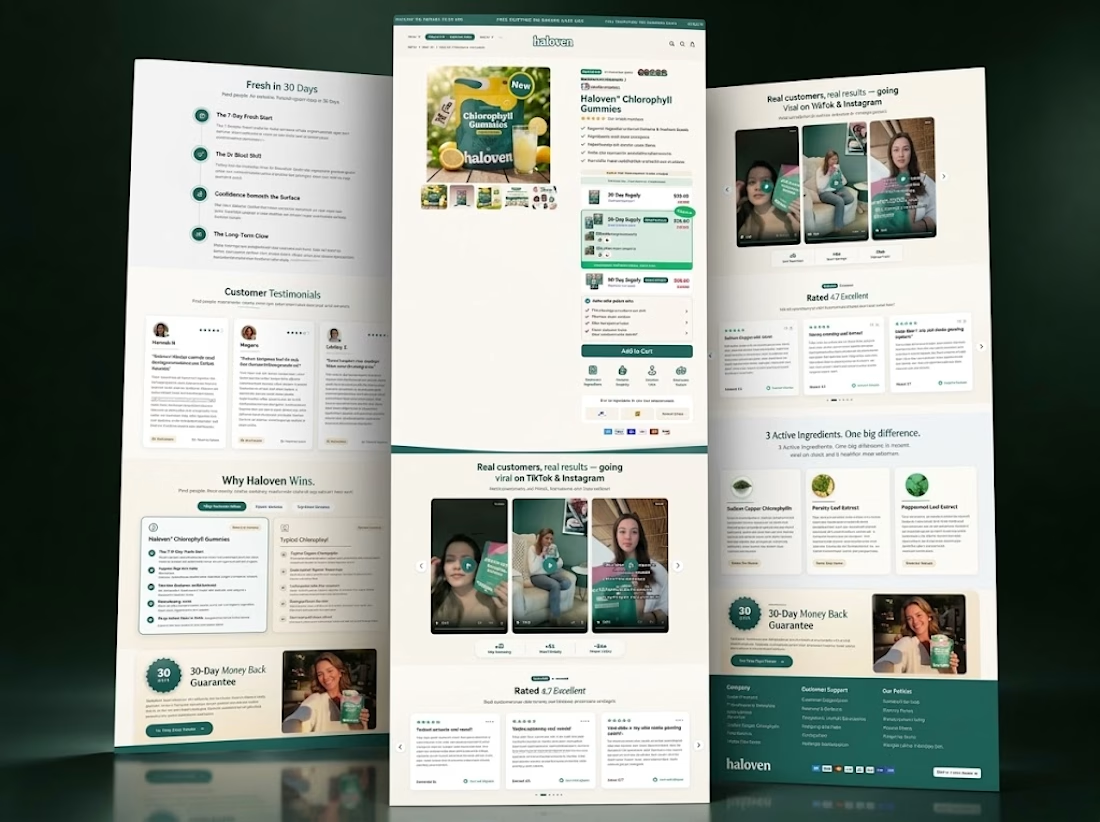

Nice work. Putting the guarantee badge next to the testimonials instead of on a separate policy page is the right call, that kind of trust signal only helps if it shows up right when someone is deciding.

About us page for Peptra
People buy from brands they trust.
This page builds that trust.
This is what a converting store looks like.
Check out the Full case study here: https://contra.com/p/LELlrOUm-shopify-design-and-development-for-peptra


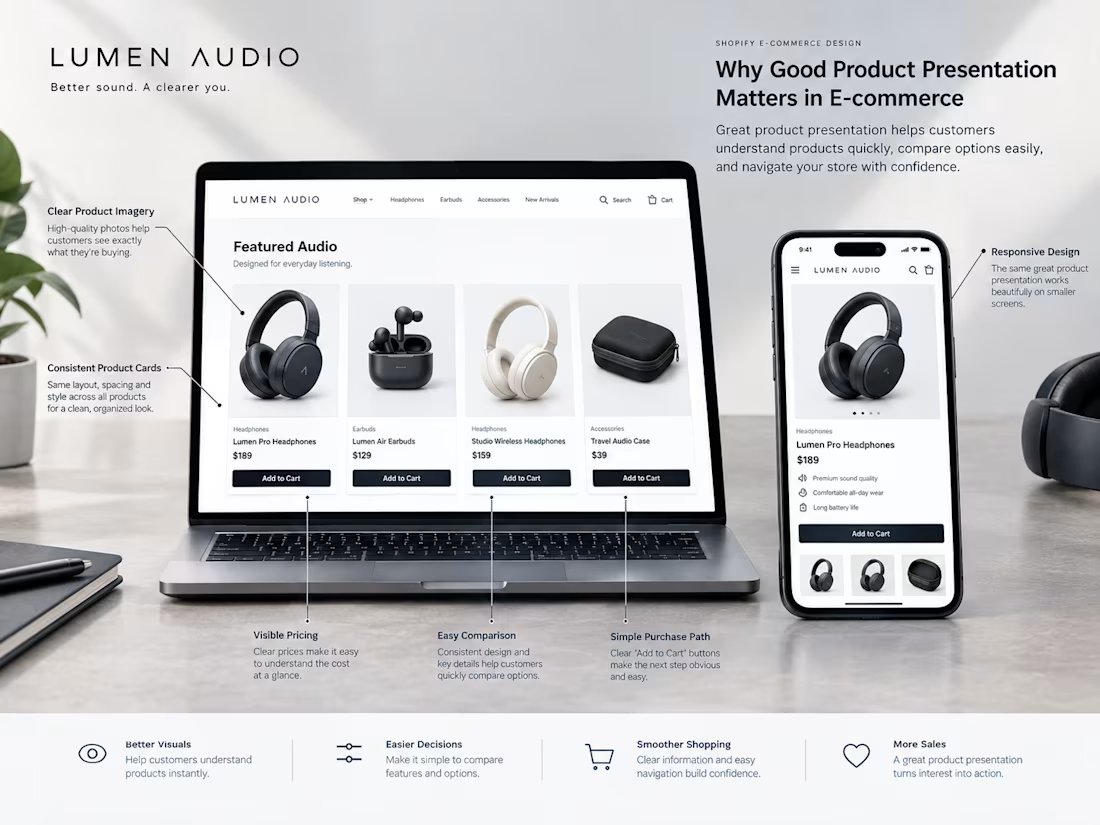
Good product presentation is more than making a Shopify store look attractive.
It helps customers understand what they're looking at and makes it easier for them to compare products.
A strong product presentation usually starts with:
→ Clear product photography
→ Consistent product images
→ Easy to read product names
→ Visible pricing
→ Useful product information
→ Clear product categories
→ Simple actions like Add to Cart
When these elements are organized properly, customers don't have to work as hard to understand the store.
The goal isn't to make every product section complicated.
It's to make the important information easy to see and easy to understand.
That's a big part of good e-commerce UX.
Agree, and the description text matters as much as the photos. A lot of stores have great images but a one line description, so the shopper still has to guess at material, sizing or care before they trust the add to cart button.