The network for creativity
Join 1.25M professional creatives like you
Connect with clients, get discovered, and run your business 100% commission-free
Creatives on Contra have earned over $150M and we are just getting started
Back to feedPost

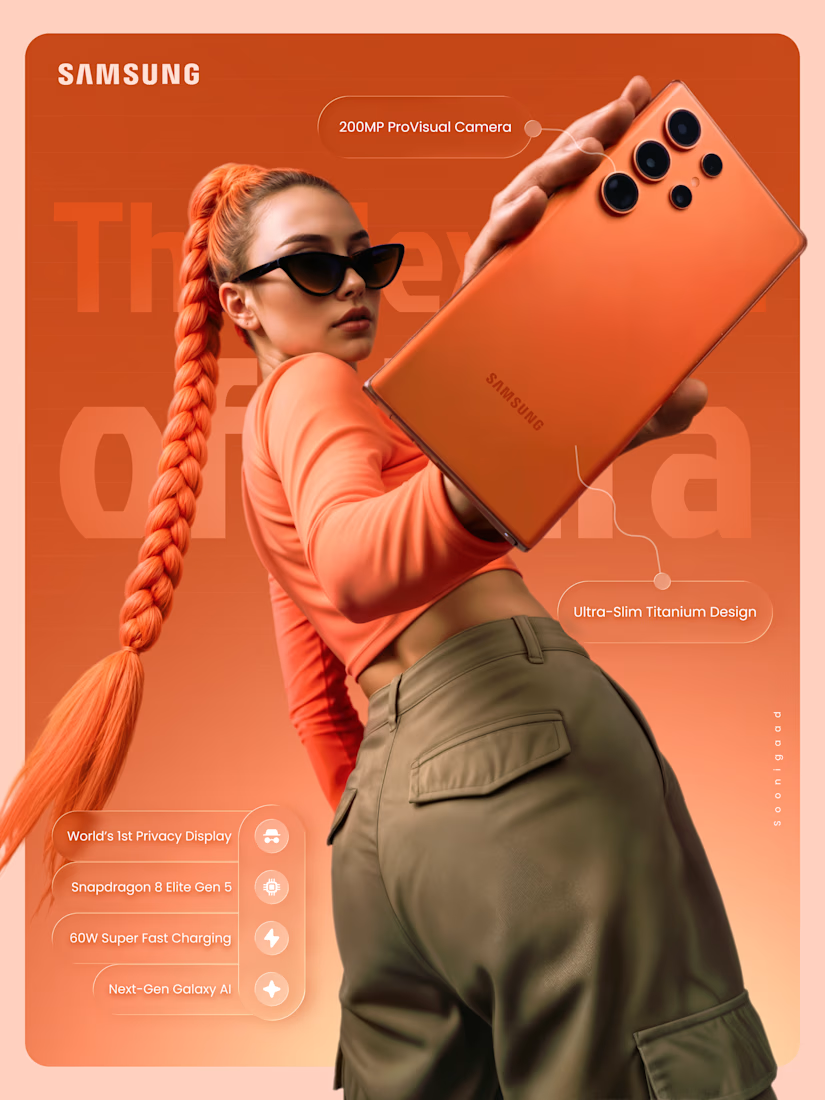
What happens when cutting-edge tech meets bold, high-fashion aesthetics?
I recently challenged myself to design a visual identity for the Samsung S26 Ultra that feels as powerful as its specs. Moving away from traditional tech blues, I went with an Electric Orange palette paired with a sleek Ultra-Slim Titanium finish to create a look that’s impossible to ignore.
This project was all about balancing technical precision (Snapdragon 8 Elite power!) with an editorial, minimalist vibe that speaks to the modern consumer.
Looking to launch a product that demands attention?
I specialize in creating high-impact visual identities that don't just look good—they convert.
✨ Let’s collaborate on your next big project. Reach out via my services.
graphicdesignvisualidentitybranddesignCreative DirectionGraphic DesignPrompt EngineeringAdobe PhotoshopFigma


The network for creativity
Join 1.25M professional creatives like you
Connect with clients, get discovered, and run your business 100% commission-free
Creatives on Contra have earned over $150M and we are just getting started








Related posts



Beautyy

Recovery Brand Identity / Logo & Visual Direction
A new identity project for a recovery-focused brand that wanted to move away from the conventional clinical look of its category.
The direction combines clinical credibility with a more modern, movement- and performance-driven visual language.
First look at the logo. Full identity coming next.
Logo design and creative direction by Lepisov Branding
Social media Branding: collab with Mike Creative Mints


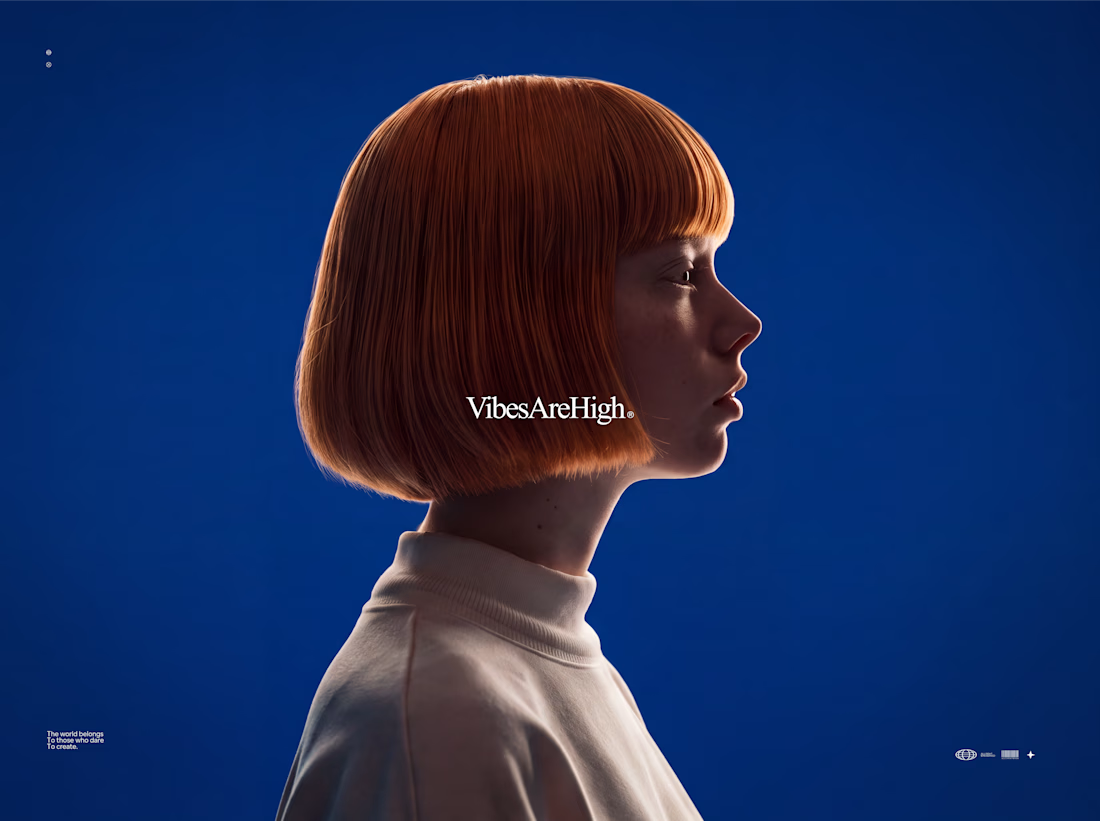
VibesAreHigh - Visual Identity


Siiiiiiick 😍