The network for creativity
Join 1.25M professional creatives like you
Connect with clients, get discovered, and run your business 100% commission-free
Creatives on Contra have earned over $150M and we are just getting started
Back to feedPost

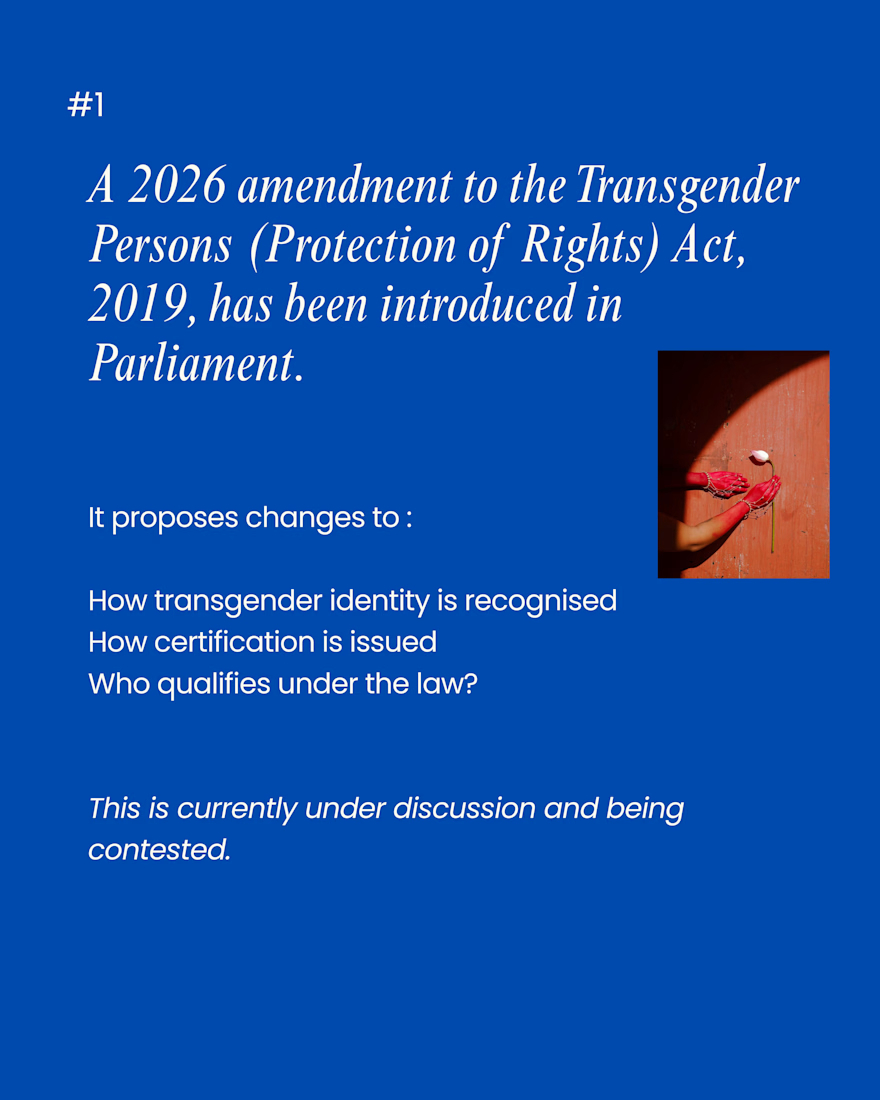
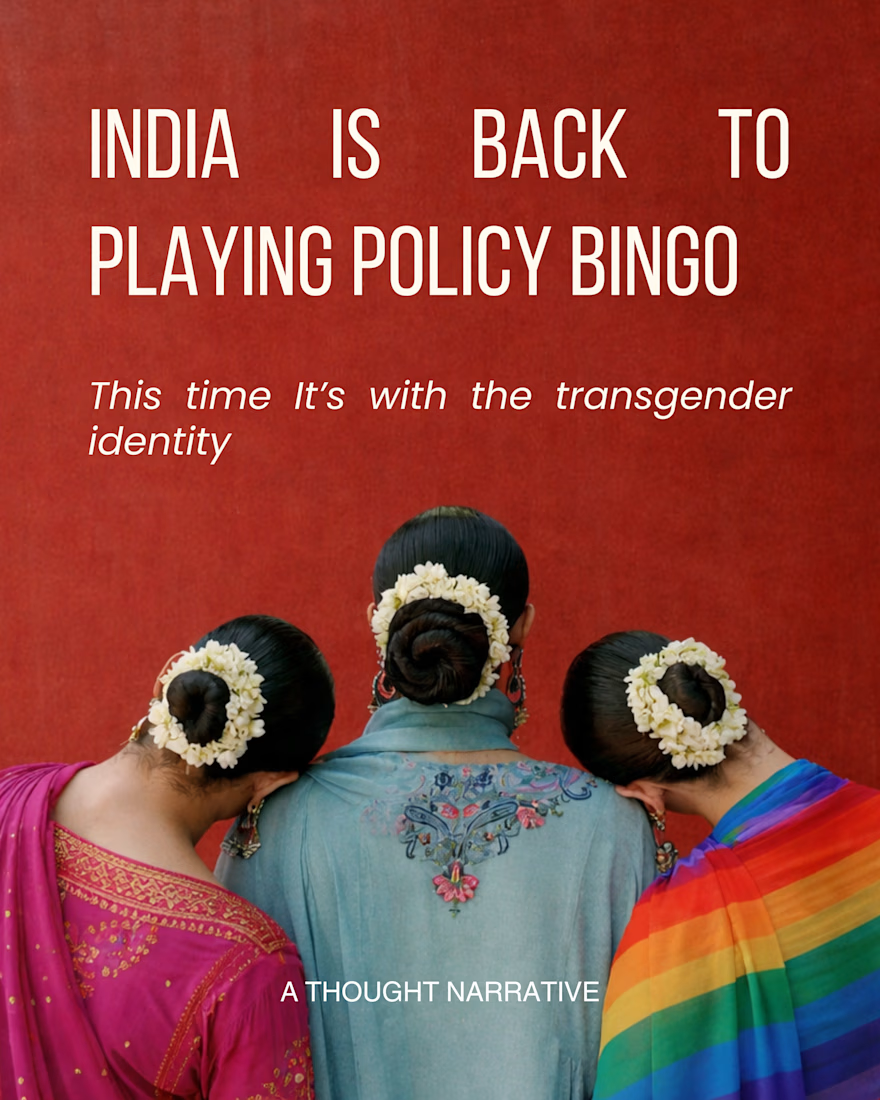
A 2026 amendment to the Transgender Persons (Protection of Rights) Act, 2019, has been passed in Parliament, changing how transgender identity is recognised in India.
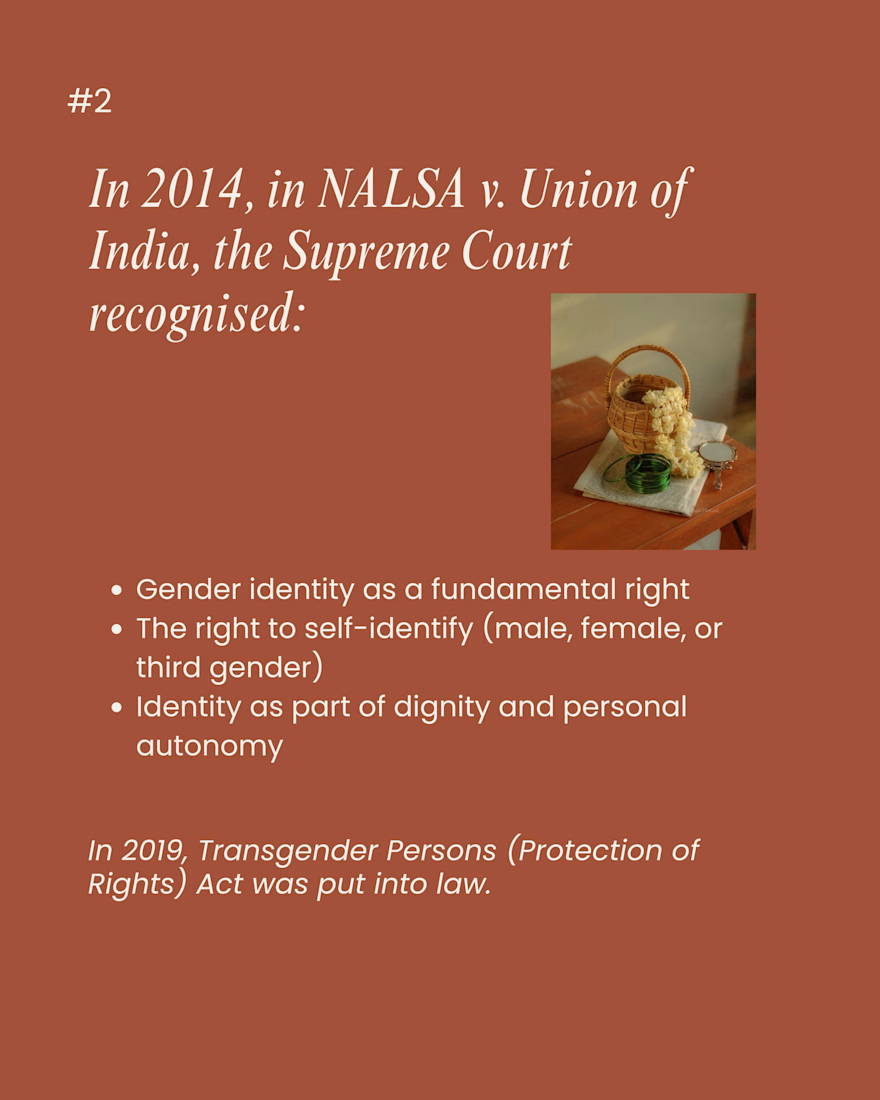
In 2014, the Supreme Court in NALSA v. Union of India recognised the right to self-identify one’s gender as a fundamental right.
Legal recognition is now tied to a Certificate of Identity issued by a District Magistrate, with a process of verification. In some cases, this may involve institutional or medical validation, not just self-declaration.
The definition of who qualifies as “transgender” is also being tightened. This means that while individuals can identify as they wish, not all identities may be recognised within the legal system.
In India, legal recognition directly affects access to documents, healthcare, employment, housing, and public systems. Most importantly, moral support and self-reliance, ‘atma nirbharta,’ are equal to the amount of freedom you have in your identity.
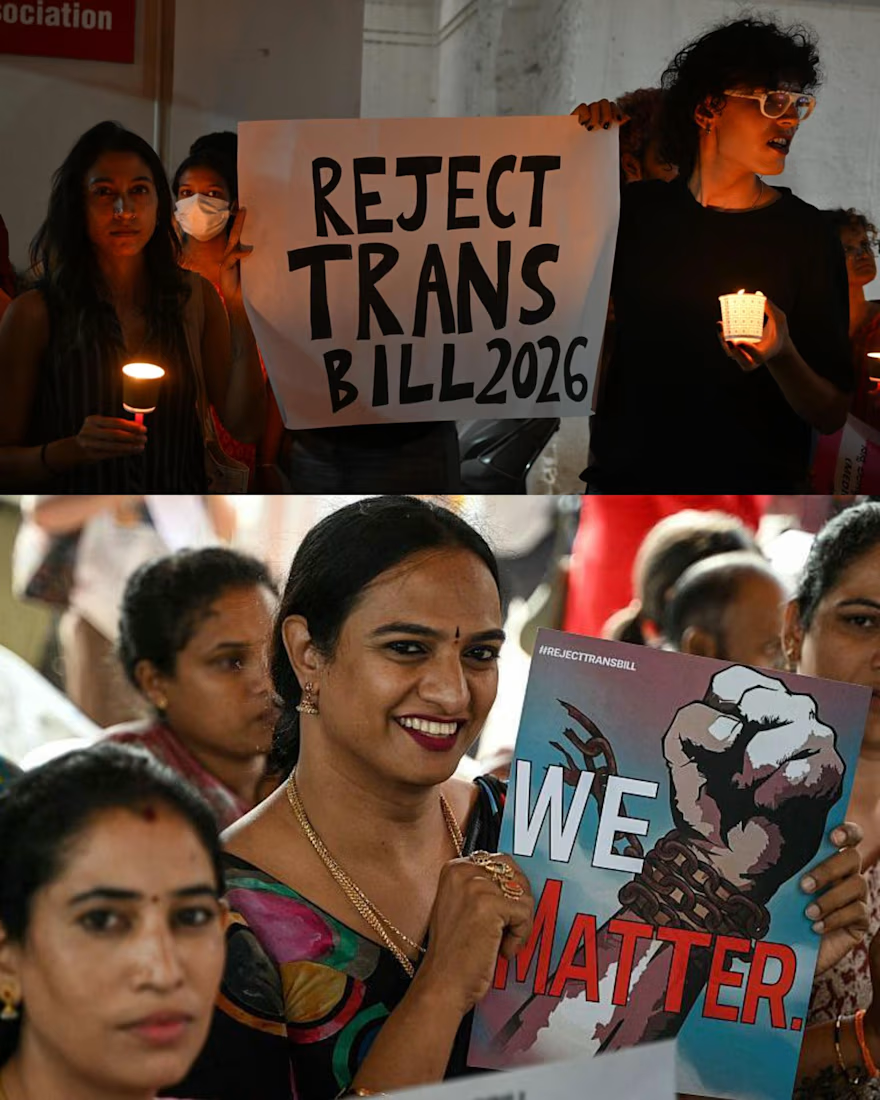
The bill has seen responses across the country, including protests, parliamentary opposition, and resignations from members of the National Council for Transgender Persons.
Revisiting a position the Supreme Court had already recognised as a step forward, without clear reasons, raises valid questions.
All images belong to respective media partners or were created for reference. Post curated and suggestions @athoughtnarrative.
Please dm for edits, credits and amendments. Read the full post on A Thought Narrative.
The network for creativity
Join 1.25M professional creatives like you
Connect with clients, get discovered, and run your business 100% commission-free
Creatives on Contra have earned over $150M and we are just getting started

Challenges
View all


Related posts

Aivot came to me with a product that had outgrown its own name.
For years it was called Gover, a form builder known in Germany's GovTech niche. But the name was generic, and the platform had become something bigger: an open, end-to-end system for running whole administrative processes, not just collecting forms. Ahead of version 5, they were relaunching it as Prosuna and needed a brand that made that leap visible.
The real challenge was the tightrope in the brief. German public administration is deeply risk-averse, so the brand had to signal trust and stability on sight. But it also had to avoid the two clichés that swallow this category: the tired bureaucratic blue of legacy GovTech, and the hyped startup look that feels gone in a year. Serious enough for a municipality to stake its reputation on. Modern enough to feel like a real way forward.
There was an extra layer too: everything lived in German. Every mockup, every texture, every line of copy had to work in the language it would actually ship in, which changes how type breathes and how a headline runs.
So I built Prosuna a full identity: logo, a visual language and pattern system, typography, and a ready-to-use Figma toolkit. Calm, clear and built to be trusted, ready for their September trade fairs and everything the platform is growing into.

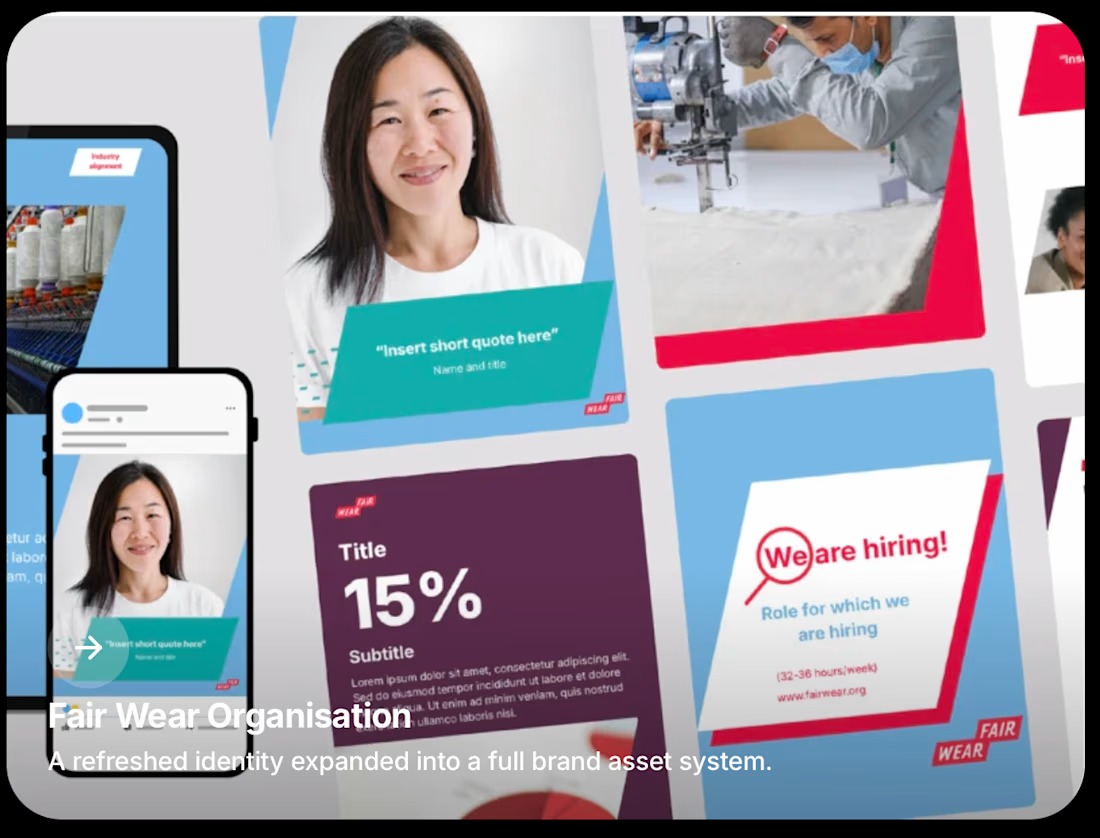
Fair Wear Organisation
A refreshed identity expanded into a full brand asset system.



After a long time finally
New case study: Conduct AI 🖥️
Designed and built in Framer.
Take a look 👇


Run Your Systems Faster is exactly the register enterprise buyers respond to, benefit first, jargon later. Making an AI layer for SAP feel this warm and human, orange and all, is genuinely hard. Nice work end to end.