The network for creativity
Join 1.25M professional creatives like you
Connect with clients, get discovered, and run your business 100% commission-free
Creatives on Contra have earned over $150M and we are just getting started
Back to feedPost

A codebase can pass its happy-path tests and still be unsafe to release.
This production-readiness audit combines critical bugs, dependency health, security exposure, architecture, maintainability, and performance into one prioritized decision document. Release blockers are separated from improvements that can wait.
The sample uses a public codebase and exposes no client information.
The network for creativity
Join 1.25M professional creatives like you
Connect with clients, get discovered, and run your business 100% commission-free
Creatives on Contra have earned over $150M and we are just getting started





Related posts

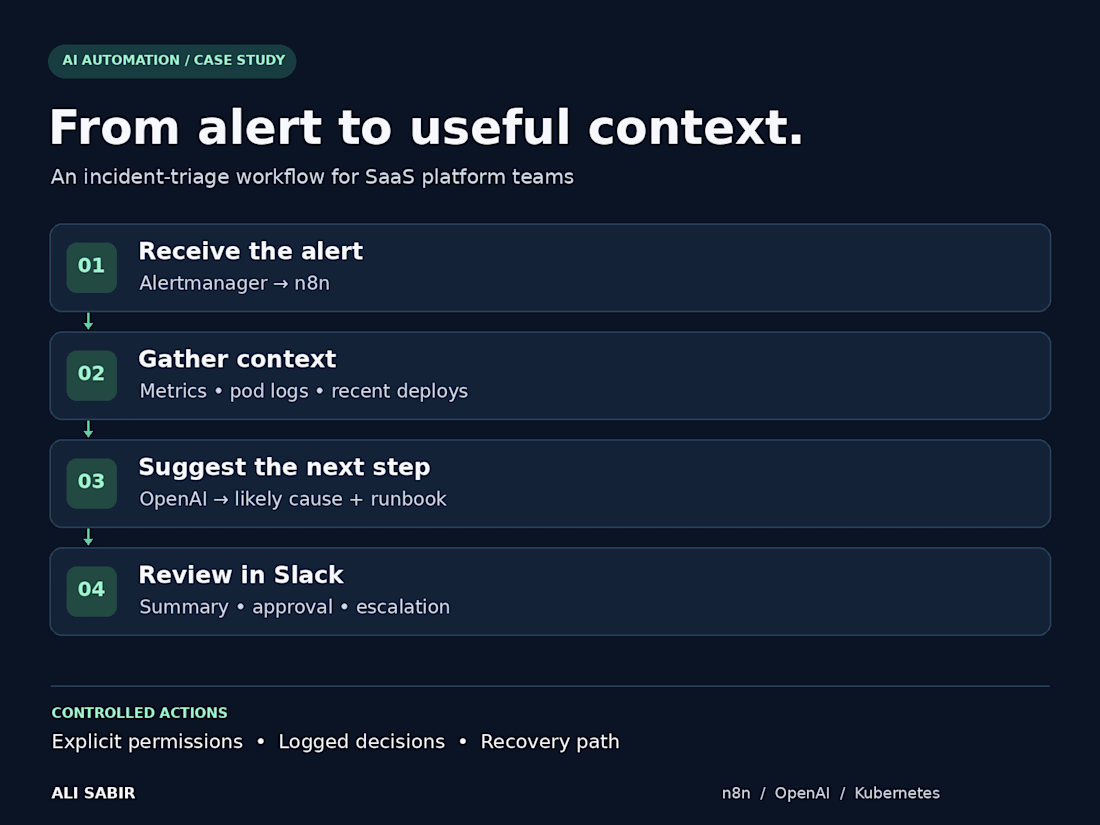
The alert fires. Your engineer still has to open four tools before deciding what to do.
That context-gathering step is where I focused an n8n + OpenAI incident-triage workflow for a SaaS platform team.
Here’s how it works:
• Receive the Alertmanager alert.
• Collect relevant metrics, pod logs and recent deployments.
• Suggest a likely cause and matching runbook step.
• Bring the summary into Slack for review and escalation.
The important boundary: a model’s suggestion is not permission to change production. Actions need explicit controls, logging and a recovery path.
I’ve shared the workflow, guardrails and project details here:
https://contra.com/p/rvFWbkqZ-ai-incident-triage-agent-for-a-saa-s-platform-team-n8n-open-ai
If your SaaS team spends too much time investigating recurring alerts, message me with your monitoring stack and the step that slows you down. We can scope a focused automation project.



Saw this - been testing Seedance 2.5 too. Output is good but still needs human clean-up, esp label warp. I disclose it as AI-assisted. Human eye still matters.

Is AI finally good enough to shoot a product demo on its own, or human touch is still needed?
I generated a 20s product demo with Seedance 2.5 in a single take providing it with one product image reference and an example video transcript (posted in the comments).
Do you disclose...

so impressive

Claire, Contract Review & Risk Management Platform
Claire is a web application that helps legal teams review incoming contracts against their company’s standards. I built the contract data
model, review workflows, API integrations and access controls in Bubble while working as a full-stack developer at RaftWorks.
Contract review and findings
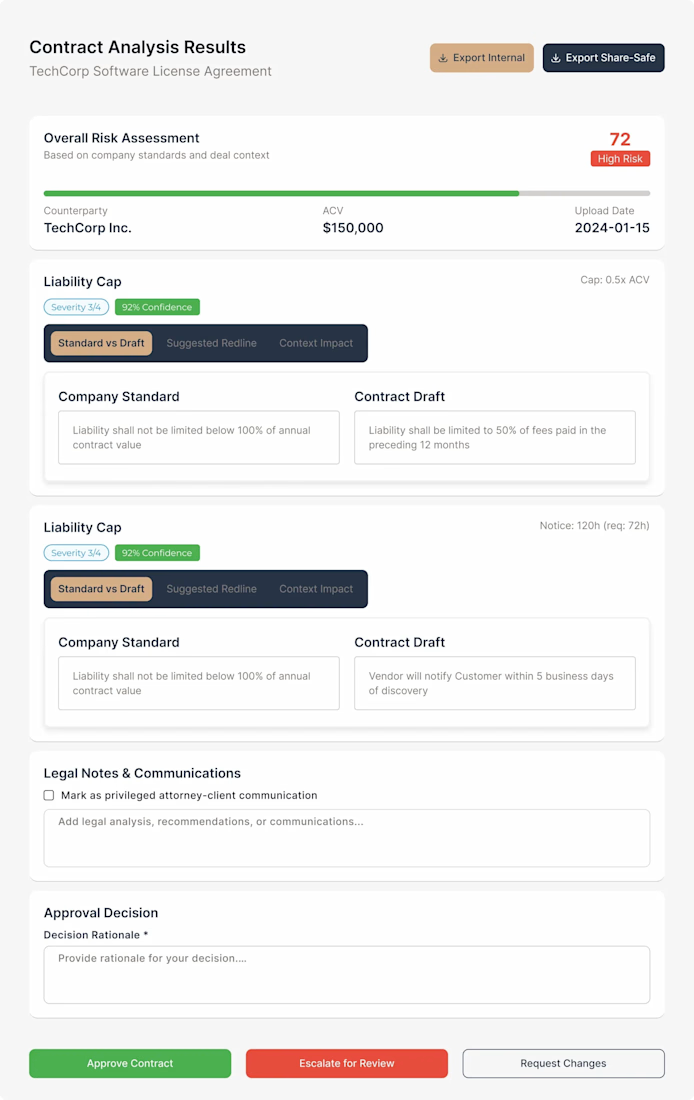
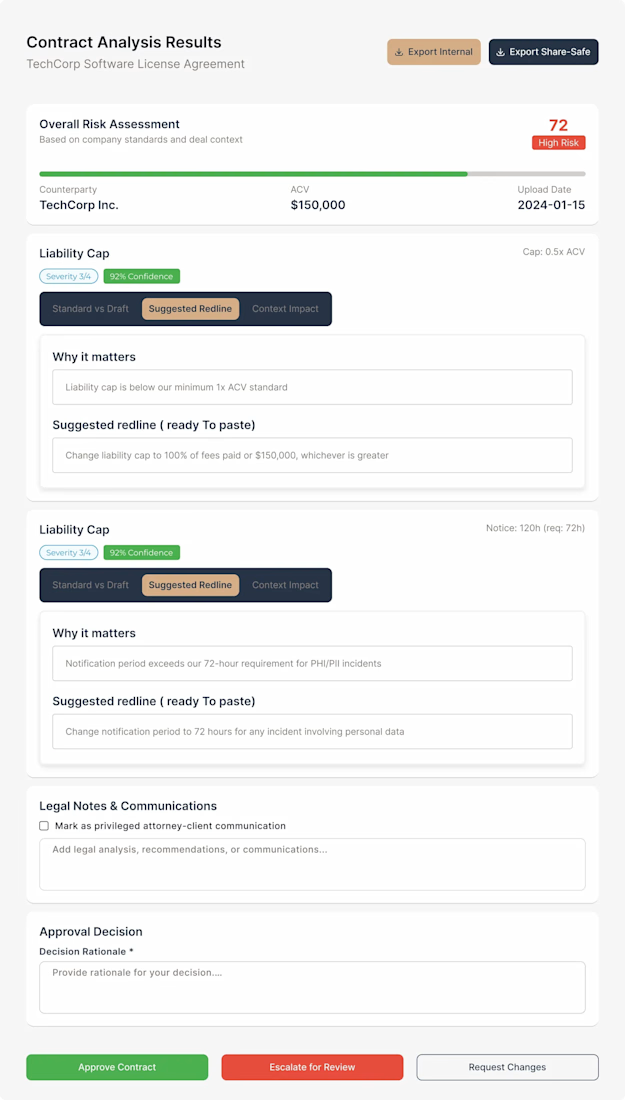
Built workflows for uploading contracts, comparing clauses against a Standards Library and presenting findings with severity, confidence and
a risk score from 0 to 100. Each finding includes a standard-versus-draft comparison, suggested replacement wording and an explanation of its
impact on the deal.
Dashboard and reporting
Implemented a dashboard showing risk distribution across contracts, monthly trends and average review time, helping teams track their review
workload.
Escalation and approval controls
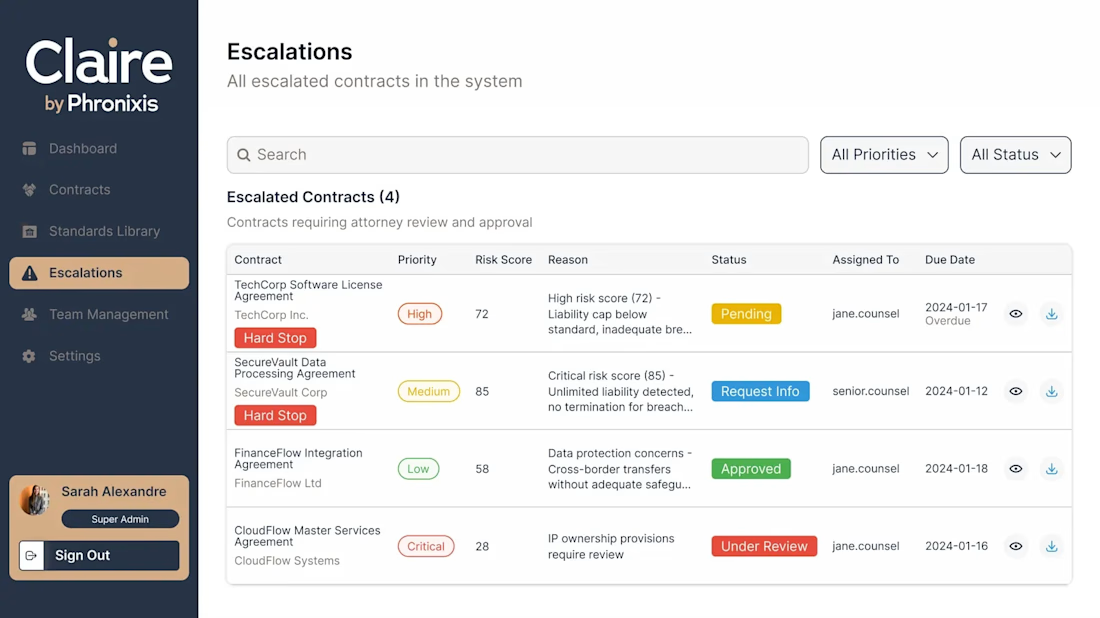
Built an escalation queue with priority, reason, assignee and due date. High-risk contracts can trigger a Hard Stop that blocks approval
until an attorney reviews and clears them.
Standards Library
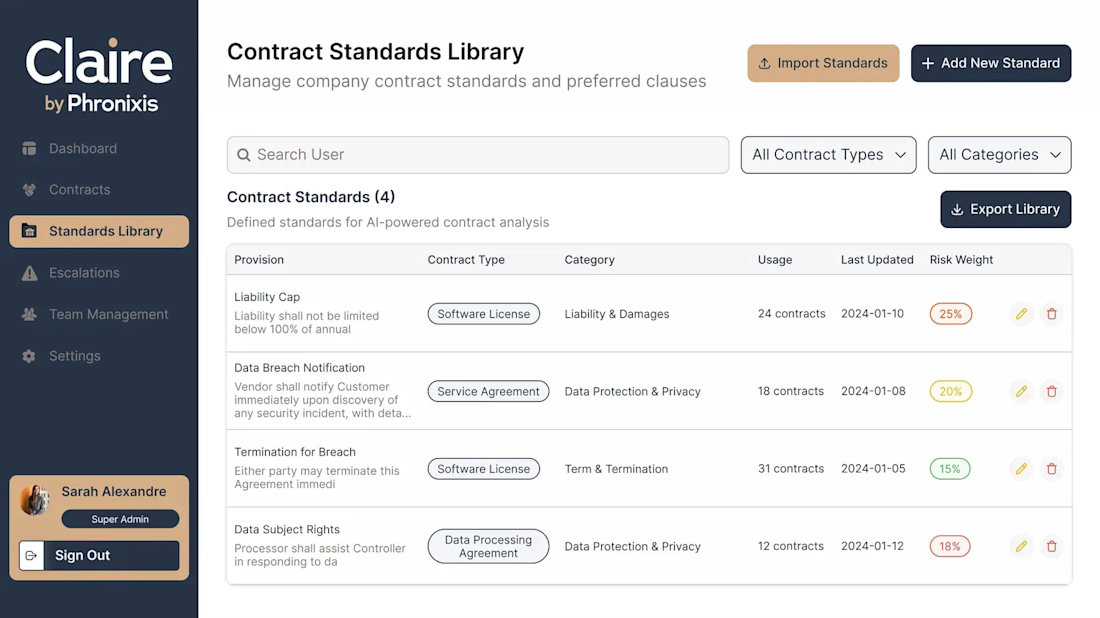
Built tools for creating and maintaining company-specific contract standards, giving reviewers a consistent reference for evaluating incoming
agreements.
Roles and sensitive information
Implemented three user roles, multi-factor authentication and privacy rules. Added privileged-note handling and separate Internal and Share-
Safe export modes to control which information appears in shared documents.
Interface and backend
Implemented the product interface from the team’s Figma designs, with Bubble backend workflows and API integrations supporting contract
analysis, findings and escalations.