The network for creativity
Join 1.25M professional creatives like you
Connect with clients, get discovered, and run your business 100% commission-free
Creatives on Contra have earned over $150M and we are just getting started
Back to feedPost

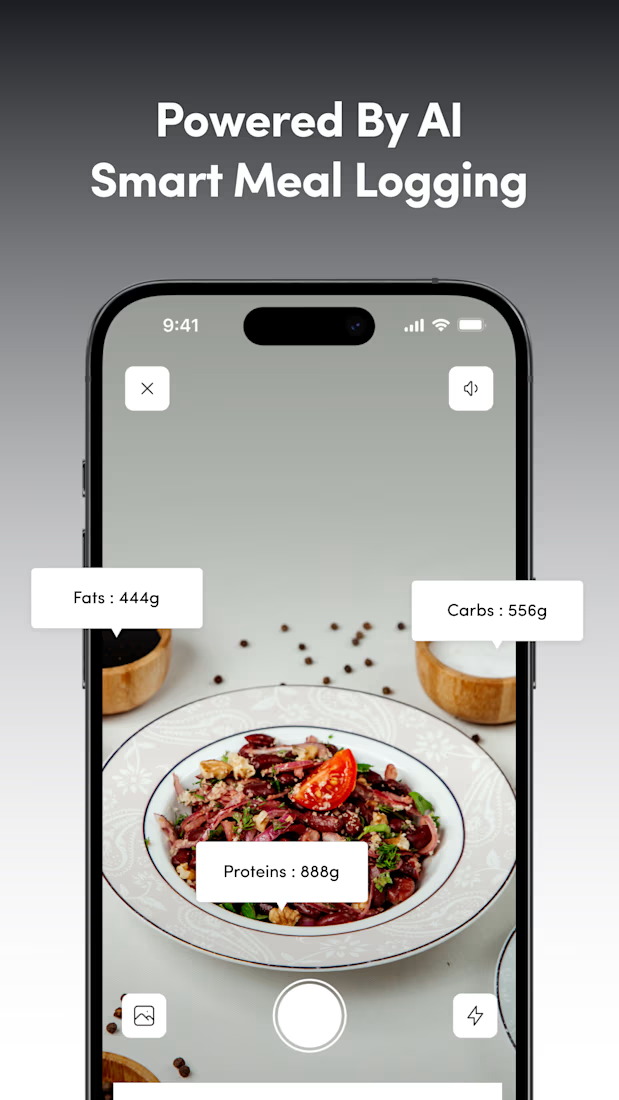
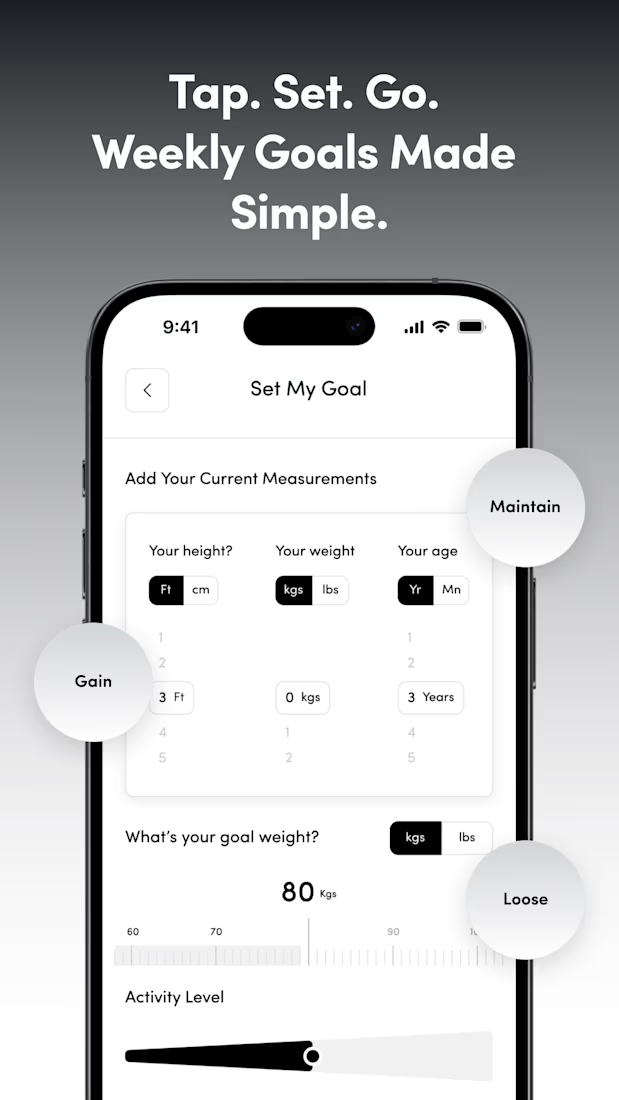
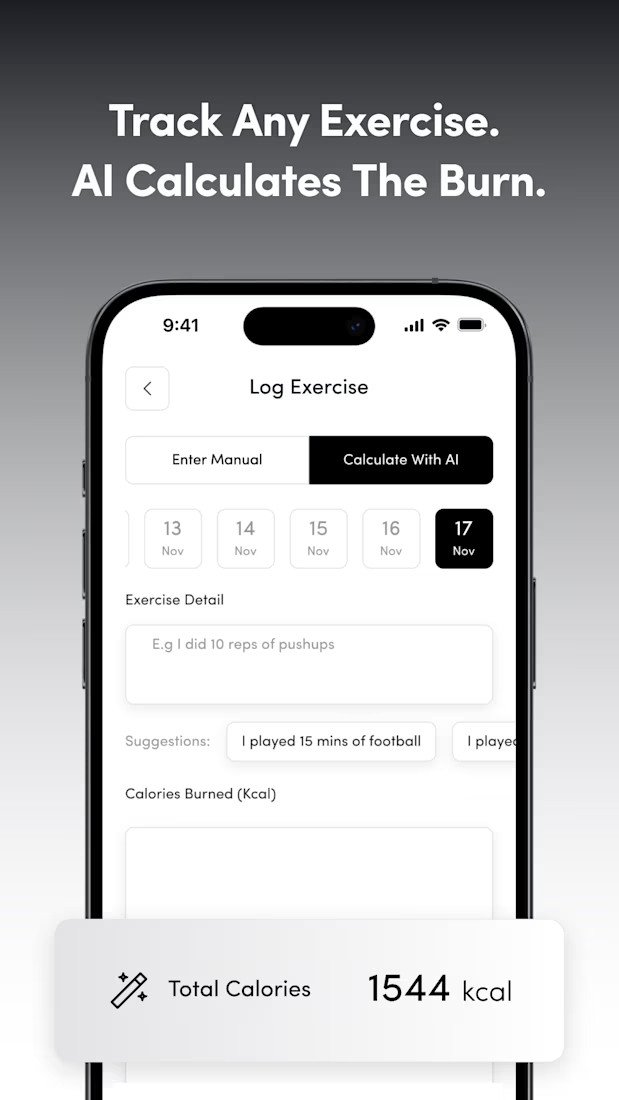
Recently built and launched Calorie AI: Weight Tracker for a client, an AI-powered nutrition tracking app designed to make calorie tracking smart and simple.
Instead of manually searching for meals and adding calories, users just point their camera at food for instant AI-powered calorie estimates.
I handled full mobile development and added features like:
– AI food recognition
– AI meal tips and daily insights
– Barcode scanner for packaged foods
– Macro tracking (calories, protein, carbs, fats)
– Exercise logging, calorie & weight tracking
– Smart reminders for meals and weight
– Multilingual 17-language support
Now live on Google Playstore: https://play.google.com/store/apps/details?id=com.calai.tracker&pcampaignid=web_share


The network for creativity
Join 1.25M professional creatives like you
Connect with clients, get discovered, and run your business 100% commission-free
Creatives on Contra have earned over $150M and we are just getting started





Related posts

Our latest case study is live! 🌿
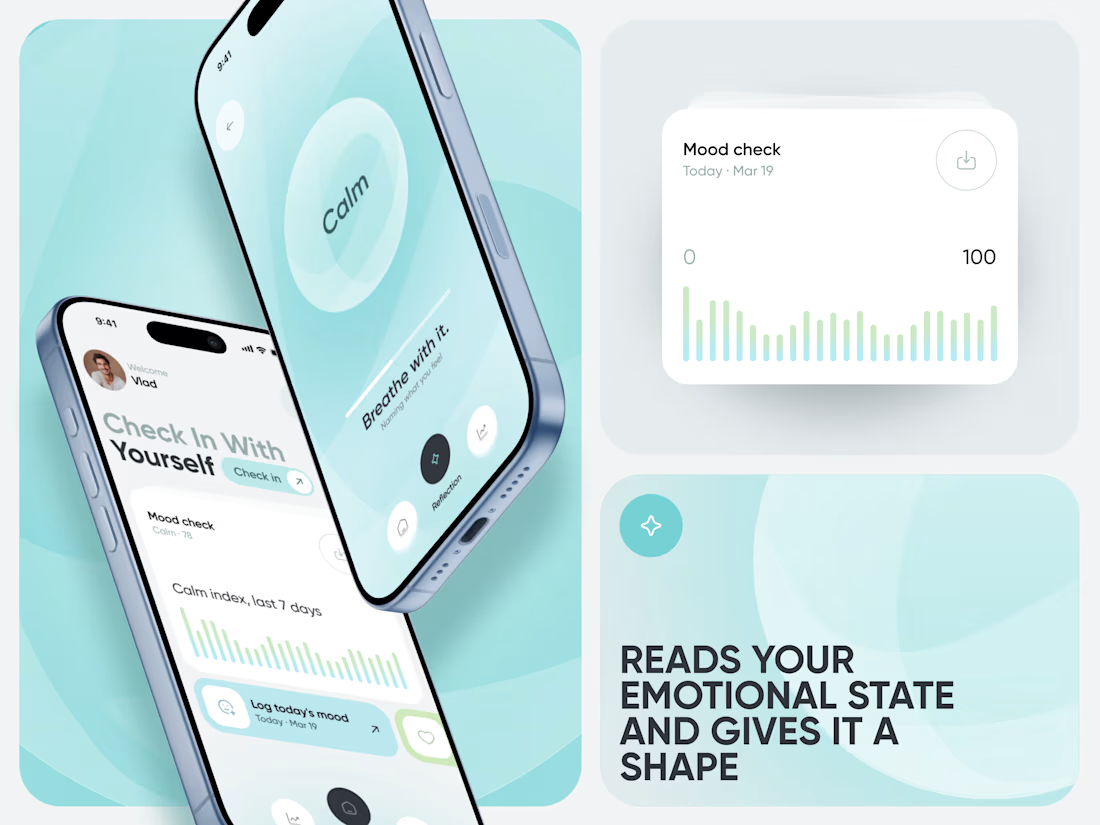
Meet Calm, an AI-powered wellness app designed to make mood tracking, emotional insights, and healthier daily habits feel simple and approachable.


That's great case study that's really a great job 🎉🎉🔥🔥

Then: 1 month, 1 template.
Now: 1 week, 15 templates.
Same designer, different workflow.
I wrote up how I built no-code.supply: fifteen website templates, each with its own brand, in HTML and React, and some in Framer too. Claude Code did most of the typing. I did the directing.


no-code.supply
How I built 15 website templates with an AI coding agent in a week
How I built 15 AI-ready website templates with Claude Code in a week: the workflow, the quality bar, and why a template is only the starting point.

Going from one template a month to fifteen a week is wild. How much of the design direction did you still do by hand?


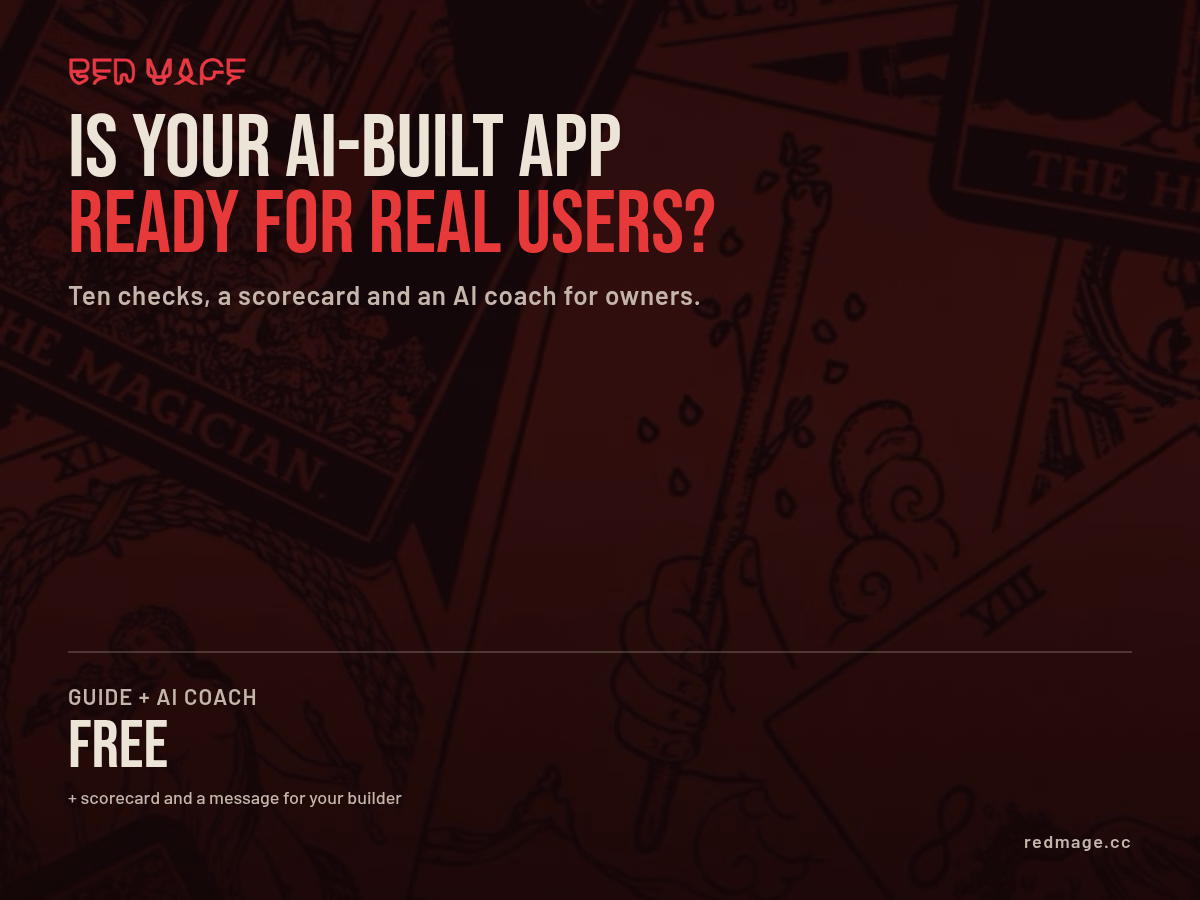
An AI-built app can work perfectly while any stranger can read its customers' data. Nothing on screen shows it.
Ask whoever built it: which tables hold user data, and what stops a logged-out stranger from reading each one? A good answer is a list. "It should be fine" means nobody has checked.

Andrés, this is the check most founders never run, because nothing breaks until someone looks. Asking for the list of tables and who can read each one is a test any owner can do without writing code. Row level access belongs on the launch checklist, not the cleanup list.