The network for creativity
Join 1.25M professional creatives like you
Connect with clients, get discovered, and run your business 100% commission-free
Creatives on Contra have earned over $150M and we are just getting started
Back to feedPost

Water and Energy: Why Even Mild Thirst Can Drain You
Have you ever noticed your energy suddenly dropping in the afternoon, your mind feeling foggy, and focusing on work becoming difficult? Most people blame this on lack of sleep or overwork, but often the real cause is something else entirely: a mild loss of body water, known in medical terms as mild dehydration.
This article looks at what research says about how dehydration affects energy and mental performance and shares practical ways to stay better hydrated throughout the day.
Even a small amount of fluid loss matters
The common assumption is that dehydration only becomes a problem when someone is severely thirsty or has spent hours in the sun. But research from the University of Connecticut's Human Performance Laboratory shows that losing roughly 1.5 to 2 percent of body weight in fluid is enough to affect mood, energy levels, and thinking ability. Notably, these effects showed up whether a person was at rest or had just finished exercising.
Similarly, a study published in the Journal of Nutrition found that mild dehydration increased feelings of fatigue and reduced concentration in young men, even without any physical exercise involved. In other words, simply sitting at a desk without drinking enough water can hurt your performance.
The brain doesn't work well without water
A large portion of the human brain is made up of water, which is why even a small drop in hydration levels can affect brain function. According to research, when the body becomes dehydrated:
Attention and concentration decline, as blood flow to the brain is affected
Reaction time slows, making decision-making and learning new things harder
Mental fatigue and reduced motivation for tasks become more noticeable
Mood can also be affected, and some studies suggest this impact may be more pronounced in women than in men
These effects occur because the body interprets fluid loss as a kind of physiological stress, triggering responses at both the physical and mental levels.
Energy is also tied to blood flow
Water plays a key role in maintaining blood volume. When the body is short on fluids, blood volume can drop slightly, meaning the heart has to work harder to deliver oxygen and nutrients throughout the body. The result is that everyday activities, like walking or staying focused on a task for an extended period, start to feel more difficult and tiring.
The body also relies on water to regulate temperature. When fluid levels are low, the body has to work harder to keep itself cool, which adds further to the feeling of fatigue.
The caffeine and dehydration connection
Many people reach straight for tea or coffee to shake off morning tiredness. Caffeine does provide a temporary sense of alertness, but it's also a mild diuretic, meaning it can increase the rate at which the body loses fluid. If your morning starts with tea or coffee alone, without plain water alongside it, your overall hydration level may decline over the course of the morning—setting the stage for that sudden afternoon energy crash.
Common signs of dehydration
Recognizing dehydration isn't particularly difficult. Watch for the following signs:
Dark yellow urine
Dry mouth or lips
Mild headache
Unusual tiredness or sluggishness
Difficulty concentrating
If these signs appear, drinking water often brings relief fairly quickly. Most people start to feel better within a short time after rehydrating from mild dehydration, though more severe or prolonged fluid loss can take longer to fully resolve.
Practical tips: simple ways to stay hydrated throughout the day
Start your day with water — after several hours of sleep, the body is already somewhat dehydrated, so drinking a glass of water before reaching for tea or coffee can be helpful.
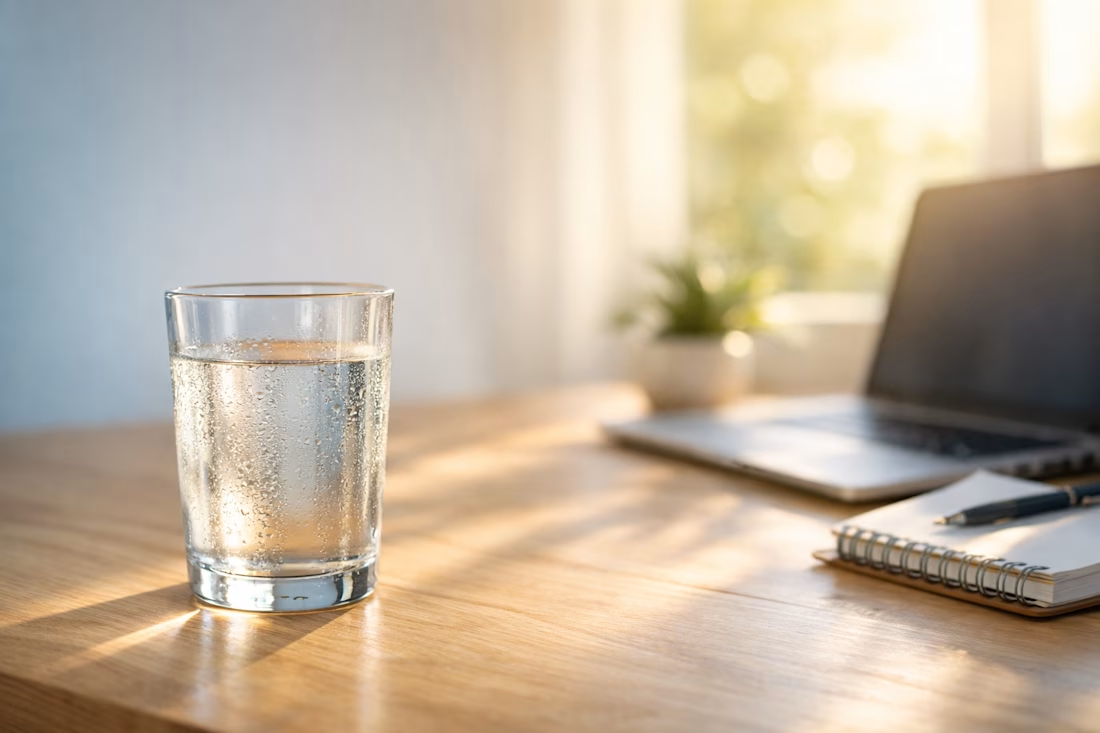
Keep water within reach — having a bottle on your desk or with you makes it easier to sip regularly, rather than waiting until you feel thirsty.
Include water-rich foods in your meals—fruits and vegetables like watermelon, cucumber, and oranges help boost your overall fluid intake.
Pay attention to electrolytes — electrolytes like sodium and potassium help the body retain water and support proper nerve and muscle function, especially in hot weather or after exercise.
Use urine color as a guide — pale yellow generally indicates good hydration, while dark yellow suggests you need more fluids.
When to see a doctor
If fatigue persists for weeks despite adequate water intake and good sleep — especially alongside unexplained weight changes, shortness of breath, an irregular heartbeat, or feeling unusually cold — it may point to another underlying issue, such as iron deficiency or a thyroid condition. In that case, it's important to consult a doctor.
Summary
Dehydration is often an overlooked cause of fatigue. Research clearly shows that losing just one to two percent of body weight in fluid can affect mood, focus, and physical performance. The good news is that the fix is relatively simple: drinking water regularly throughout the day, including water-rich foods in your diet, and paying attention to your body's signals. Next time you feel that afternoon slump, try a glass of water before reaching for another cup of coffee — the difference might surprise you.
This article is for general informational purposes only and is not a substitute for medical advice. Please consult a healthcare provider for any health concerns.


The network for creativity
Join 1.25M professional creatives like you
Connect with clients, get discovered, and run your business 100% commission-free
Creatives on Contra have earned over $150M and we are just getting started
Trending
retrofuturism
Share your favorite designs from the past exploring the distant future. Or your own take on the aesthetic 🚀
halftone
Dots. Texture. Grain. Let's see your designs using the halftone technique.

Midjourney
Creatives are showing off what they're making with Midjourney.
colorgrade
Video editors sound off: How do you enhance the mood of your video in color grading?


Related posts

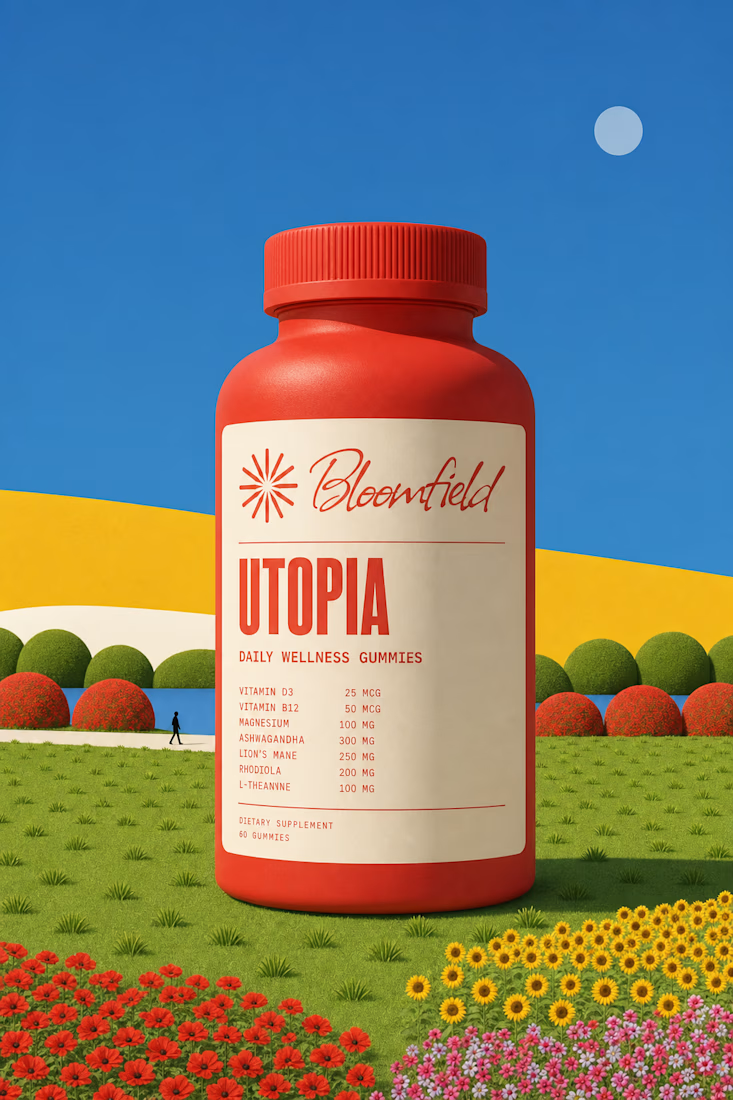
what happens when 'feel good' gets run through something that's never actually felt good?
Bloomfield.
seamless on purpose, wrong on purpose, joyful on purpose.
soon



What software did you use for that? Looks really nice, love this combination of 2D-3D (at least it feels like that for me). Amazing animation!
Not wellness. A protocol.
GLACIS — a cold immersion clinic built on one idea: the body survives structure, it isn't styled by it.
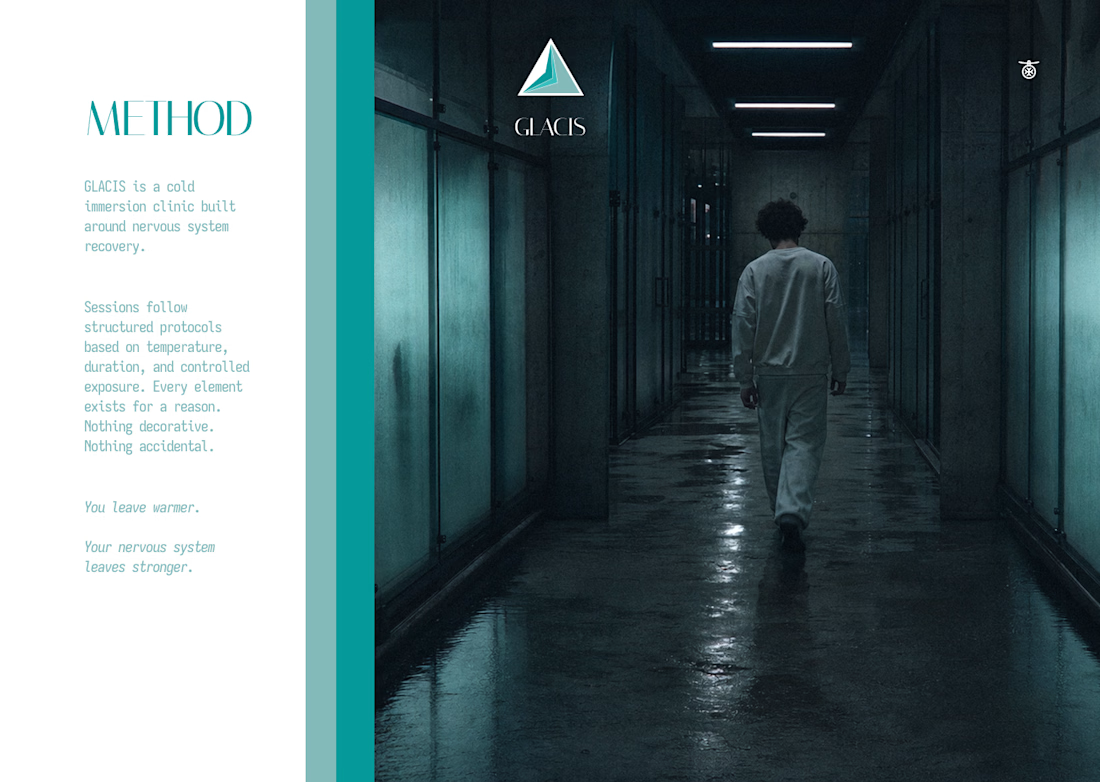

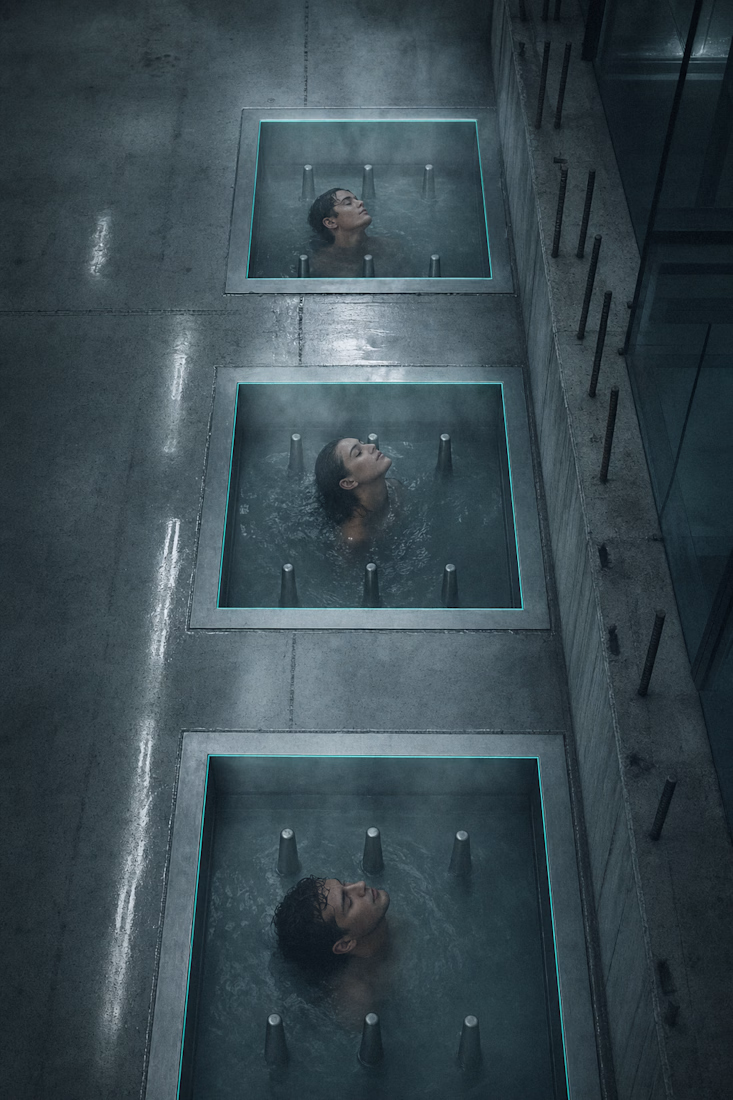


Strong positioning. The clinical, structured feel makes the concept hit harder.

A short commercial ad for Purse energy drinks,
From concept to visuals completely AI
What do you think?


🔥 🔥 🔥