The network for creativity
Join 1.25M professional creatives like you
Connect with clients, get discovered, and run your business 100% commission-free
Creatives on Contra have earned over $150M and we are just getting started
Back to feedPost

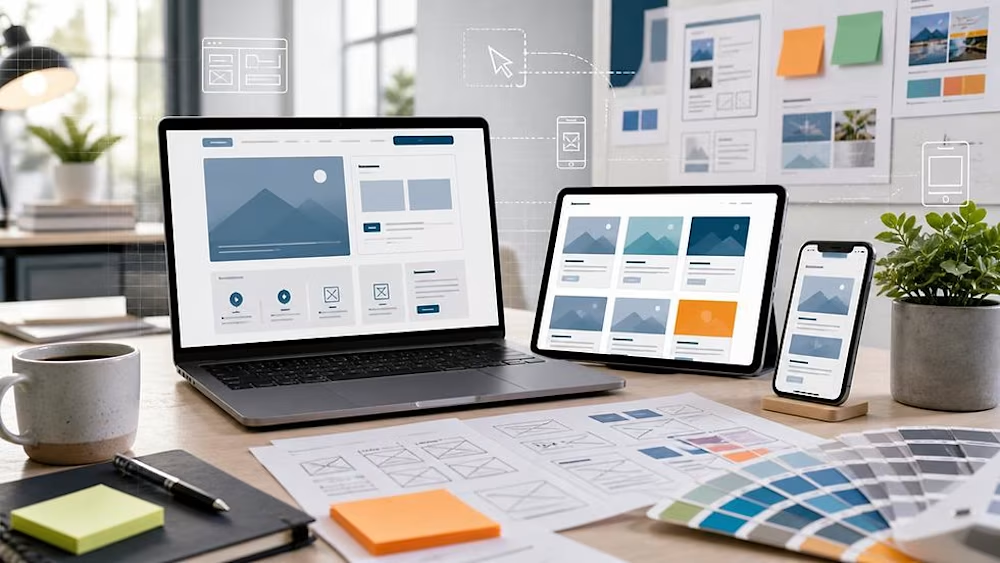
Most small business websites don’t have a traffic problem.
They have a conversion problem.
I see this all the time:
Beautiful sites. Great photography. Nice branding.
And… no leads. No inquiries. No sales.
I just published a new blog post breaking this down in detail — and how to fix it: https://modrabbitcreative.com/2026/01/why-your-small-business-website-isnt-converting-and-how-to-fix-it/
👉 Why Most Small Business Websites Don’t Convert (And How to Fix Yours)
#WebDesign #SmallBusiness #BrandStrategy

modrabbitcreative.com
Why Your Small Business Website Isn’t Converting (And How to Fix It)
Your website should generate leads, not just look nice. Discover why most sites fail to convert and how to fix yours.
The network for creativity
Join 1.25M professional creatives like you
Connect with clients, get discovered, and run your business 100% commission-free
Creatives on Contra have earned over $150M and we are just getting started
Related posts



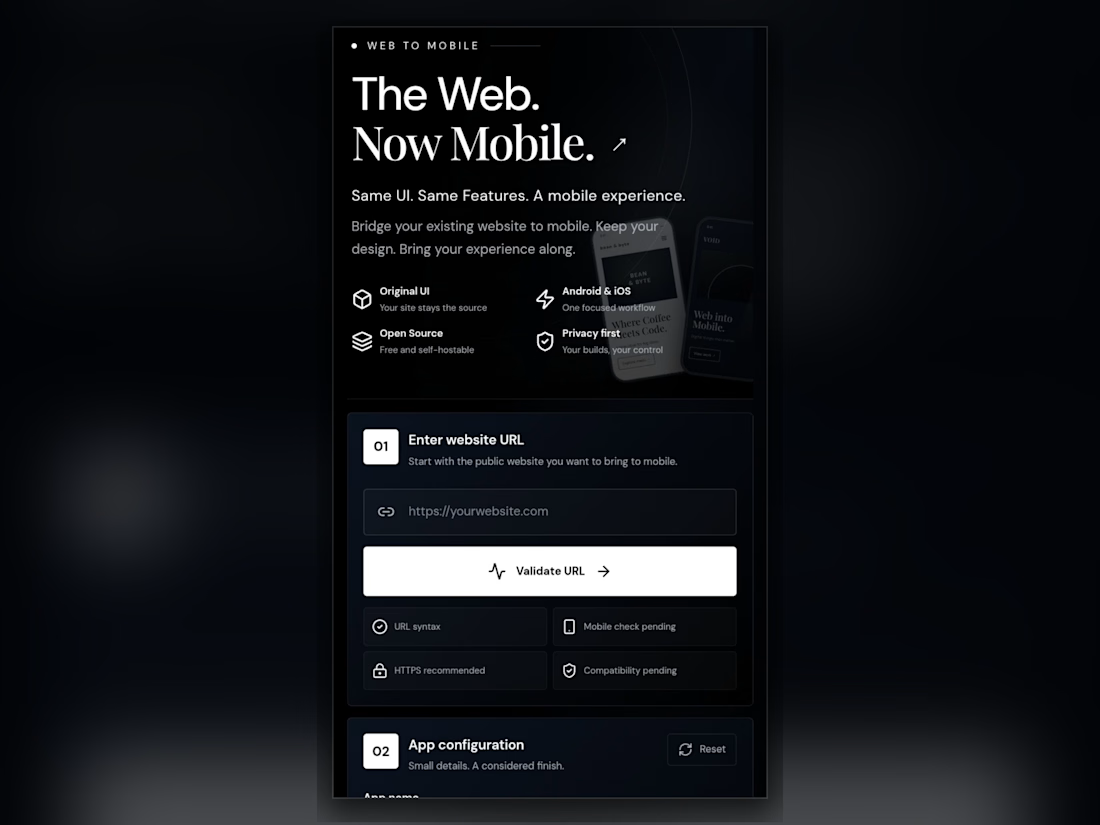
Web to App – Website Conversion Platform
A web-based platform that helps users convert an existing website into an app.



A Good Website Is Not Just About Design. It's About How Well It Works.
A business website can look visually impressive and still fail to achieve its purpose.
I've seen this problem repeatedly in website development discussions: too much attention goes into appearance, while important things like navigation, loading speed, mobile responsiveness, and conversion flow are overlooked.
Let's look at a practical example.
Imagine you're building a website for a consulting business.
A potential client visits the homepage. Within a few seconds, they should be able to understand:
What services the business provides.
Who those services are designed for.
Why they should consider the business.
How to take the next step.
Now consider what happens if the website has confusing navigation, slow-loading pages, unclear service descriptions, or a contact form that doesn't work properly.
You could lose a potential customer even if the website looks beautiful.
5 things I consider important when developing a business website
1. Clear website structure
Every page should have a purpose. Your homepage, service pages, about page, and contact page should work together to guide visitors.
2. Mobile responsiveness
A website should work properly across smartphones, tablets, and desktop screens. Visitors shouldn't have to zoom in or scroll sideways to access important information.
3. Website performance
Large images, unnecessary scripts, and poorly optimized resources can affect loading speed. Performance should be considered during development, not treated as an afterthought.
4. Functional contact forms
A contact form should do more than display input fields. It should validate information, handle submissions properly, provide confirmation, and deliver inquiries to the correct destination.
5. Search engine foundations
Proper page titles, meta descriptions, heading structure, descriptive URLs, and image alt text help establish a stronger SEO foundation.
A practical development checklist
Before launching a business website, test the following:
All navigation links work.
Forms successfully submit.
Website displays correctly on mobile.
Images are optimized.
Important pages have clear calls to action.
No broken links or missing pages.
Basic SEO elements are configured.
SSL and security settings are in place.
My takeaway:
A successful website brings together design, functionality, performance, and usability.
Don't just build a website that looks good in a screenshot. Build one that works for the people using it and supports the goals of the business behind it.
Discussion: When evaluating a business website, what matters most to you: design, loading speed, user experience, or functionality?