The network for creativity
Join 1.25M professional creatives like you
Connect with clients, get discovered, and run your business 100% commission-free
Creatives on Contra have earned over $150M and we are just getting started
Back to feedPost

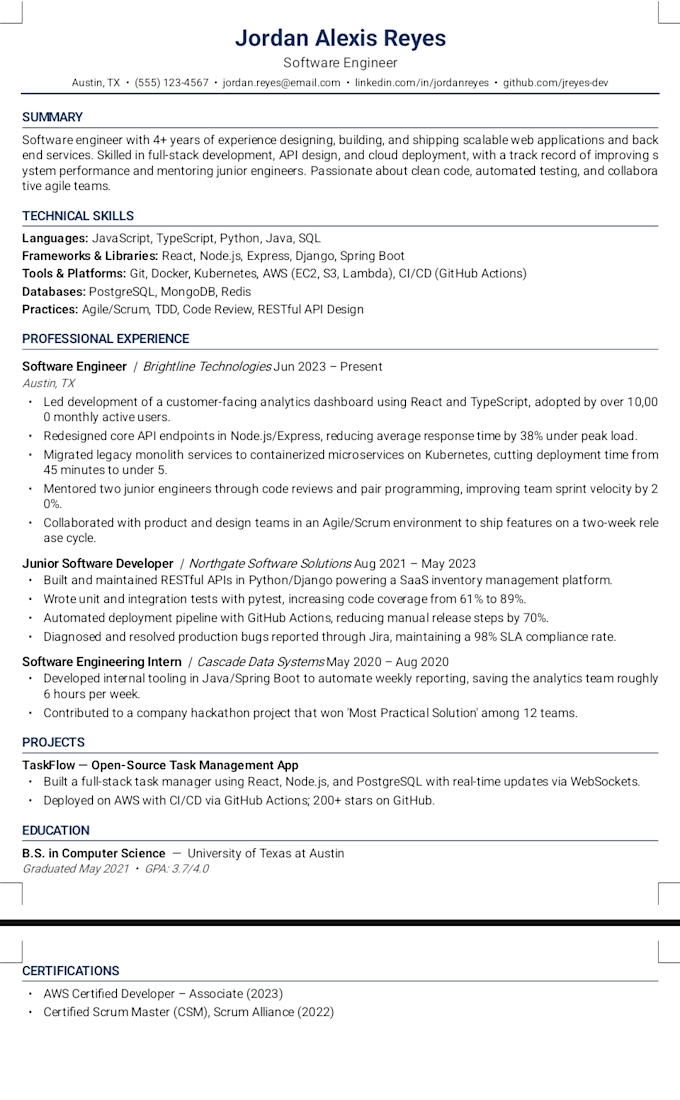
The sample resume tells a simple career story for a fictional software engineer, Jordan Alexis Reyes:
Software Engineer at Brightline Technologies (2023–present) — the current role, focused on frontend work (React dashboard), backend performance tuning (API response times), and infrastructure (Kubernetes migration), plus mentoring — showing growth into a more senior, cross-functional contributor.
Junior Software Developer at Northgate Software Solutions (2021–2023) — earlier-career work: building APIs, writing tests, automating deployments. More execution-focused, less leadership.
Software Engineering Intern at Cascade Data Systems (2020) — a short internship building internal tools, plus a hackathon win.
The arc is intentional: intern → junior dev → engineer with more ownership, each role adding new skills (testing → automation → architecture → mentoring). That's a common pattern hiring managers look for — steady growth, not just a list of tasks.
Each bullet also follows an "action + what you built + measurable result" format (e.g., "reducing response time by 38%"), which is the standard way to make resume bullets convincing — since it's easy to say you built something, but numbers show impact.


The network for creativity
Join 1.25M professional creatives like you
Connect with clients, get discovered, and run your business 100% commission-free
Creatives on Contra have earned over $150M and we are just getting started






Trending

Claude
Claude has entered the design space. How are you using it?

Contra University
Learn from expert creatives how to earn more using next-gen AI tools.
Brand Design
The best brand designers are on Contra. Scroll to see what's trending in brand design. What are you building?
creativeaiflow
Creative AI workflows are evolving. What tools do you use, and what are their strengths and weaknesses?
freelancerlife
Freelancer life is wins, pivots, and everything in between. What’s yours right now?
Related posts

Working on a card ordering flow with custom motion across every screen.
Designing and coding this was super fun!
Full case study dropping soon.
What do you think of the onboarding so far?


Looks great for a finance/card app for sure! I choose this over boring financial apps for sure!

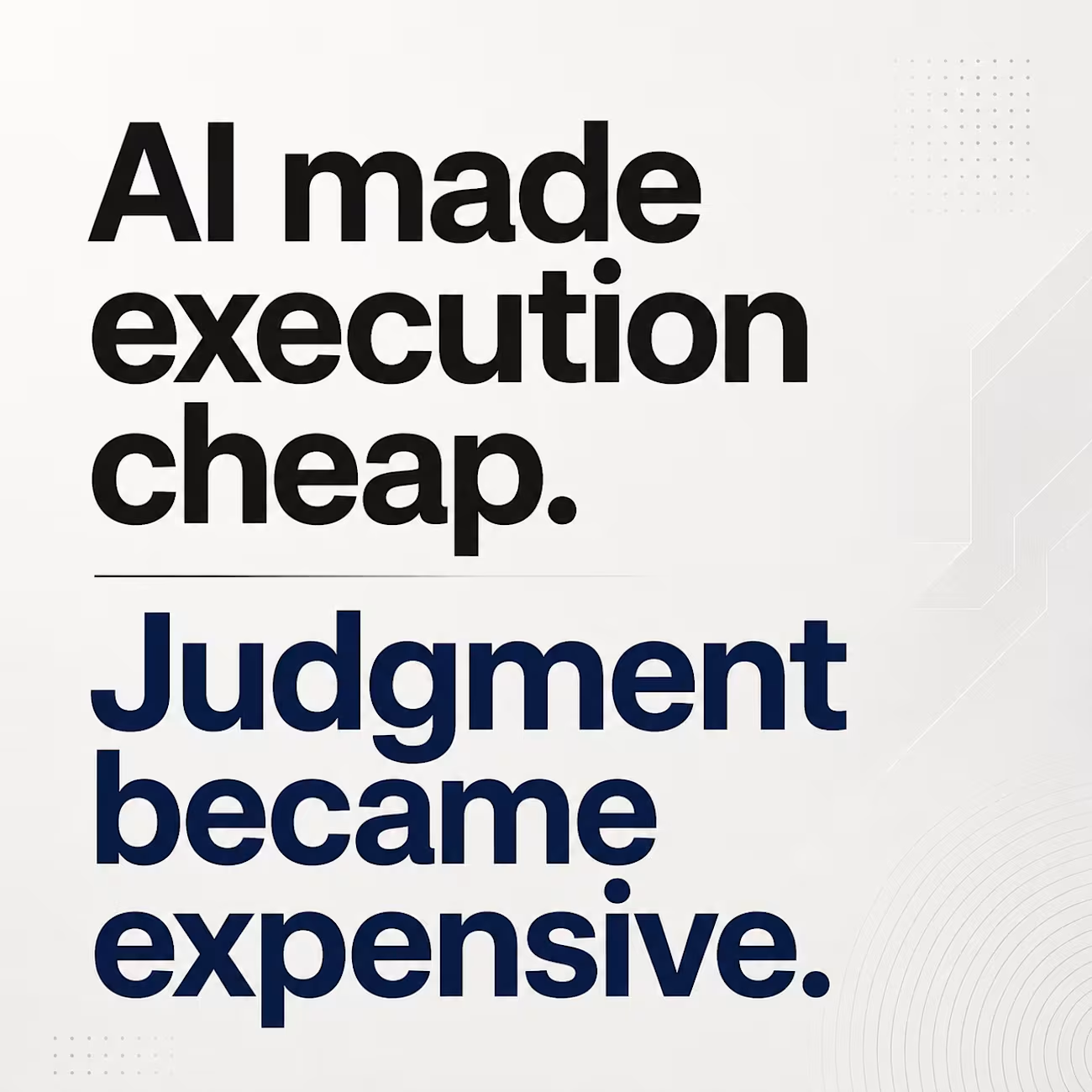
AI did not make great developers obsolete.
It made average execution cheap.
Anyone can now generate:
• A landing page
• A dashboard
• An API
• A mobile app
• 5,000 lines of code before lunch
But here is what AI still cannot decide for you:
- Should this feature exist and does it function well?
- Will a real customer understand it?
- Is the experience fast, trustworthy, and accessible?
- Can the system survive its first 10,000 users?
- Will another developer understand the code six months later?
The value of a developer is no longer measured by how quickly they can type code.
It is measured by the quality of the decisions they make before, during, and after the code is written.
AI can help you build almost anything.
Taste tells you what is worth building.
Engineering judgment makes sure it actually works.
The developers who win this decade will not compete against AI.
They will combine AI speed with the product thinking, creativity, and technical depth that AI cannot replace.
What is one skill you believe becomes MORE valuable as AI gets better?
#FullStackDevelopment #AI #CreativeAIFlow #WebDevelopment #ProductEngineering #BuildInPublic

I think engineering judgment becomes dramatically more valuable. AI can generate solutions quickly, but deciding which trade-offs are acceptable for performance, security, maintainability, and user experience is still a deeply human responsibility.

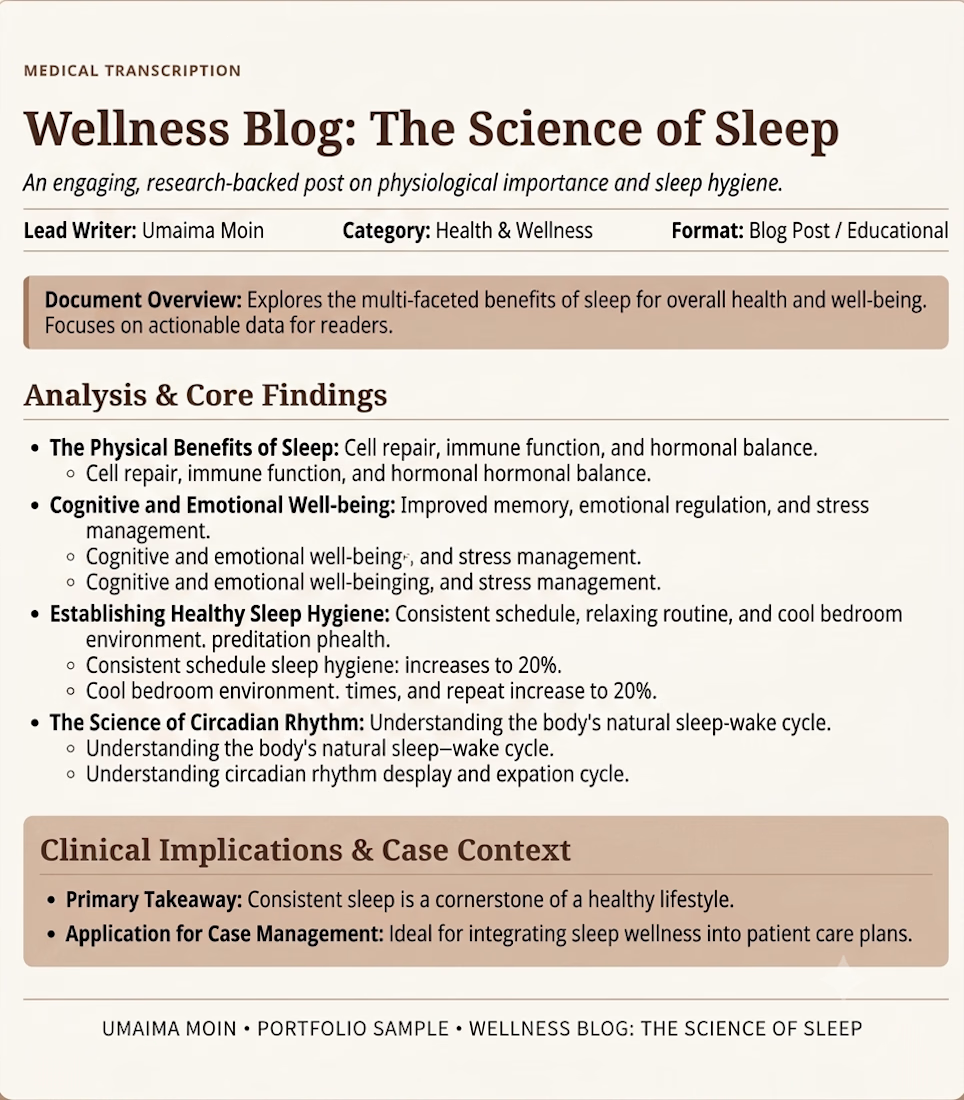
Wellness Blog: The Science of Sleep
An engaging, research-backed blog post explaining the physiological importance of sleep hygiene. Tailored for health and wellness platforms to boost reader engagement and provide value to patients.