The network for creativity
Join 1.25M professional creatives like you
Connect with clients, get discovered, and run your business 100% commission-free
Creatives on Contra have earned over $150M and we are just getting started
Back to feedPost

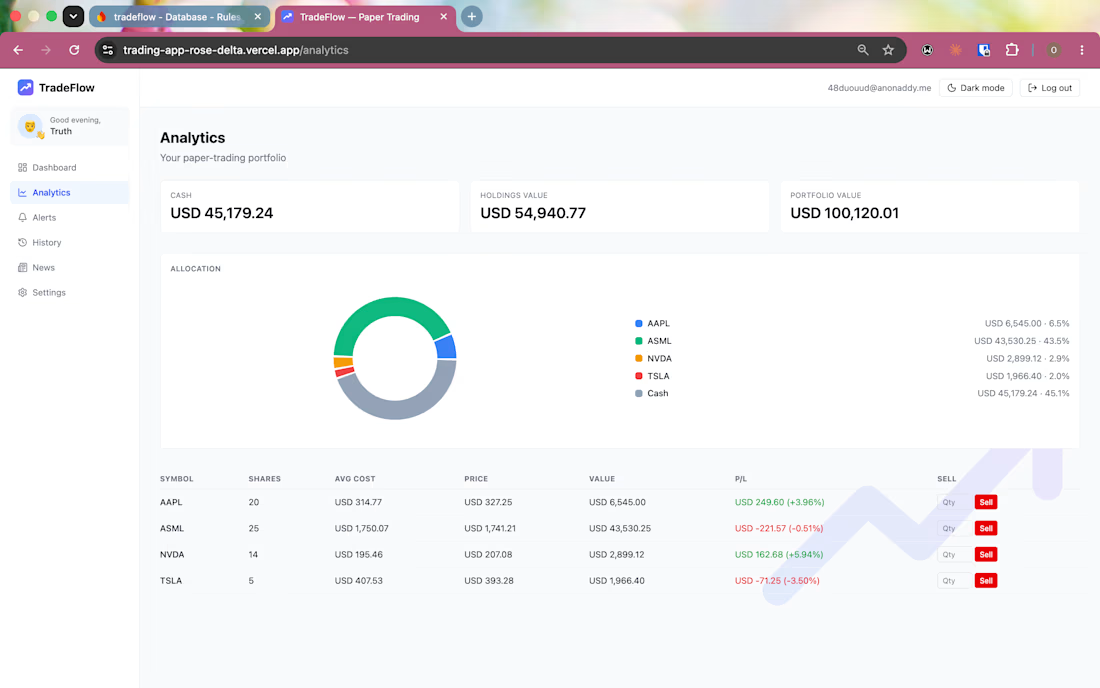
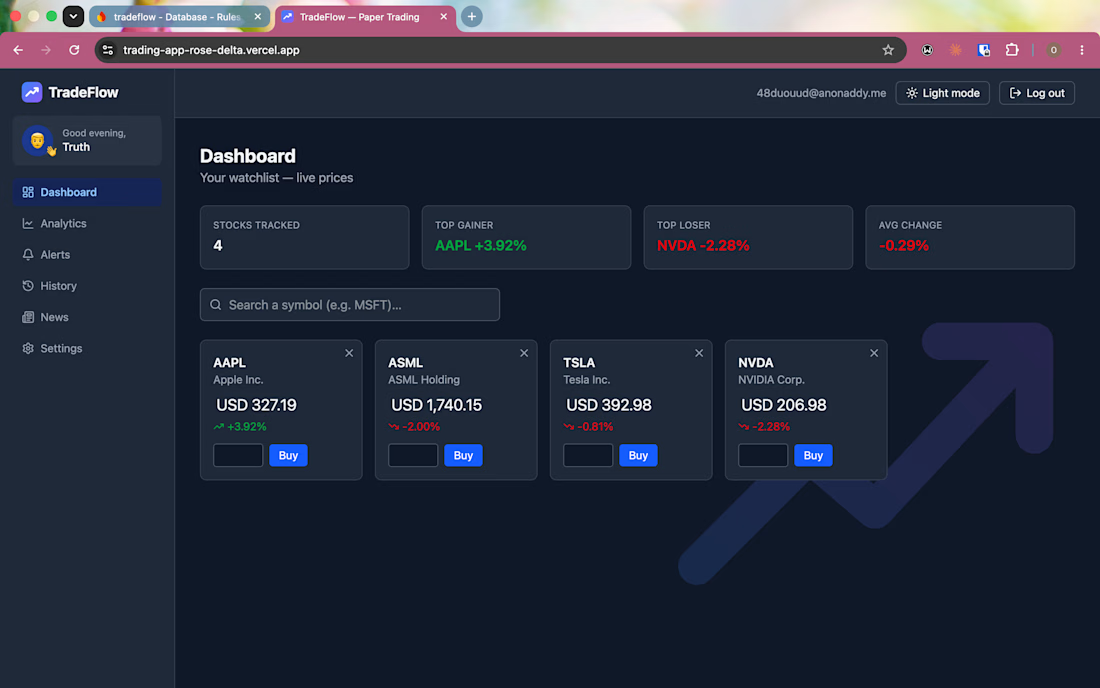
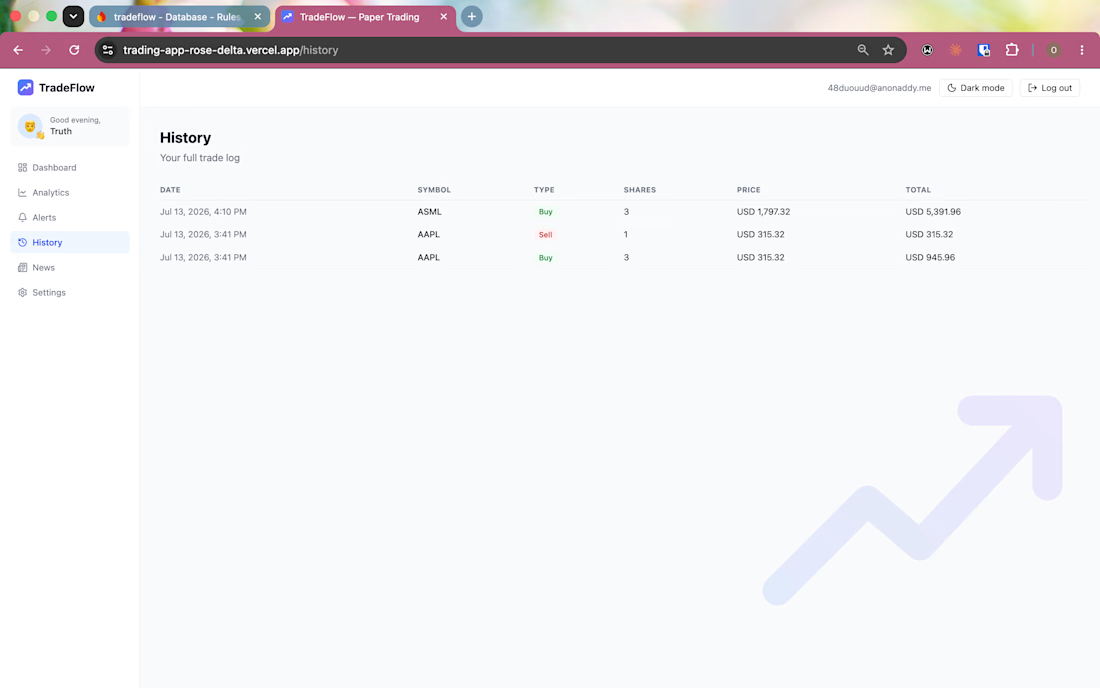
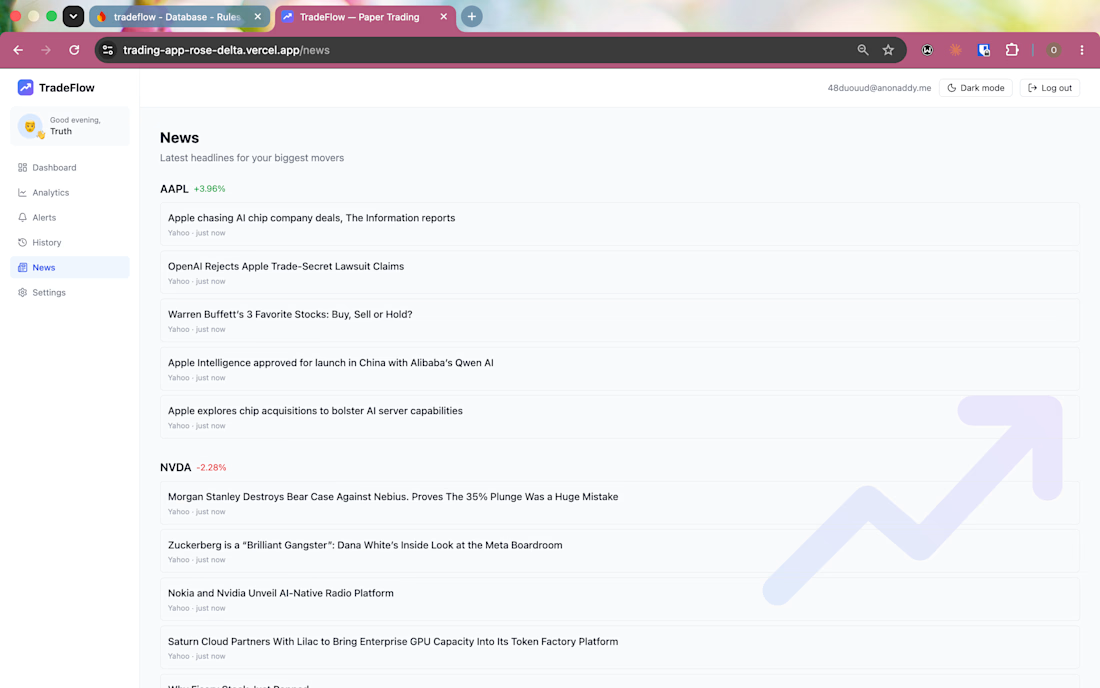
TradeFlow: A live trading dashboard I built solo with React, TypeScript & Firebase. Fully Dockerized and deployed with CI/CD.


The network for creativity
Join 1.25M professional creatives like you
Connect with clients, get discovered, and run your business 100% commission-free
Creatives on Contra have earned over $150M and we are just getting started








Related posts

Morrow — Modern Digital Experience
A modern, polished web experience built with a strong emphasis on visual identity, clean composition, and a seamless user journey.
I focused on transforming the design concept into a refined, responsive digital experience with carefully crafted layouts, typography, spacing, and interaction details. Every section was structured to feel intentional while maintaining a smooth and consistent experience across screen sizes.
What I worked on
Developed the complete responsive frontend experience
Translated the visual direction into a polished web interface
Built reusable and maintainable UI components
Focused on typography, spacing, composition, and visual hierarchy
Created responsive layouts for desktop and mobile
Refined interactions and UI details for a more premium experience
Optimized the overall interface for usability and consistency
Outcome: A clean, modern, and visually refined web experience designed to give the brand a strong digital presence and a memorable first impression.





QR Menu: Contactless Restaurant Ordering System
A full-stack web app for restaurants where customers open the menu through a table link (shared as a QR code), browse dishes on their phone, place an order and pay online, with no app download needed. Orders appear instantly on a kitchen dashboard, where staff update the status from new to preparing to ready. Customers can also call a waiter with one tap.
The app includes a digital menu with dish photos, a cart and checkout, online payment with secure verification, an owner login, multi-language support, and secure table links with rate limiting to stop spam orders.
This was my first full-stack project combining Next.js, TypeScript, Supabase and a payment gateway. I handled the database setup, API routes, authentication, environment variable security, and publishing the finished project to GitHub.
GitHub repo: https://github.com/deeps432004/QR-Menu


AI WROTE THE CODE. WHO CHECKS THE BUGS?
AI can generate a working-looking feature in seconds but “it runs” doesn't automatically mean “it's correct.”
One of the biggest lessons I’m learning with AI-assisted development is that the hardest bugs aren't always obvious. They can hide in:
🐛 Edge cases the original prompt never mentioned
🧠 Incorrect assumptions about how the application should behave
🔐 Security issues that don't appear during normal testing
🔄 Regression bugs that break something that previously worked
⚠️ Poor error handling when real users do unexpected things
🗄️ Data/API problems that only appear under different conditions
That’s why I don't treat AI-generated code as the final answer.
My workflow is:
GENERATE → REVIEW → REPRODUCE → TRACE → TEST → VERIFY → SHIP
First, I understand what the code is actually doing.
Then I test the happy path and the paths the AI may not have considered.
I check the stack trace, inspect the data flow, test edge cases, review dependencies and security-sensitive areas, and verify that the fix doesn't introduce another problem.
This is becoming even more important as coding agents take on larger development tasks. GitHub's current tooling, for example, combines code review, testing, dependency checks, secret scanning, and security analysis around agent-generated changes.
The lesson isn't “don't use AI to code.


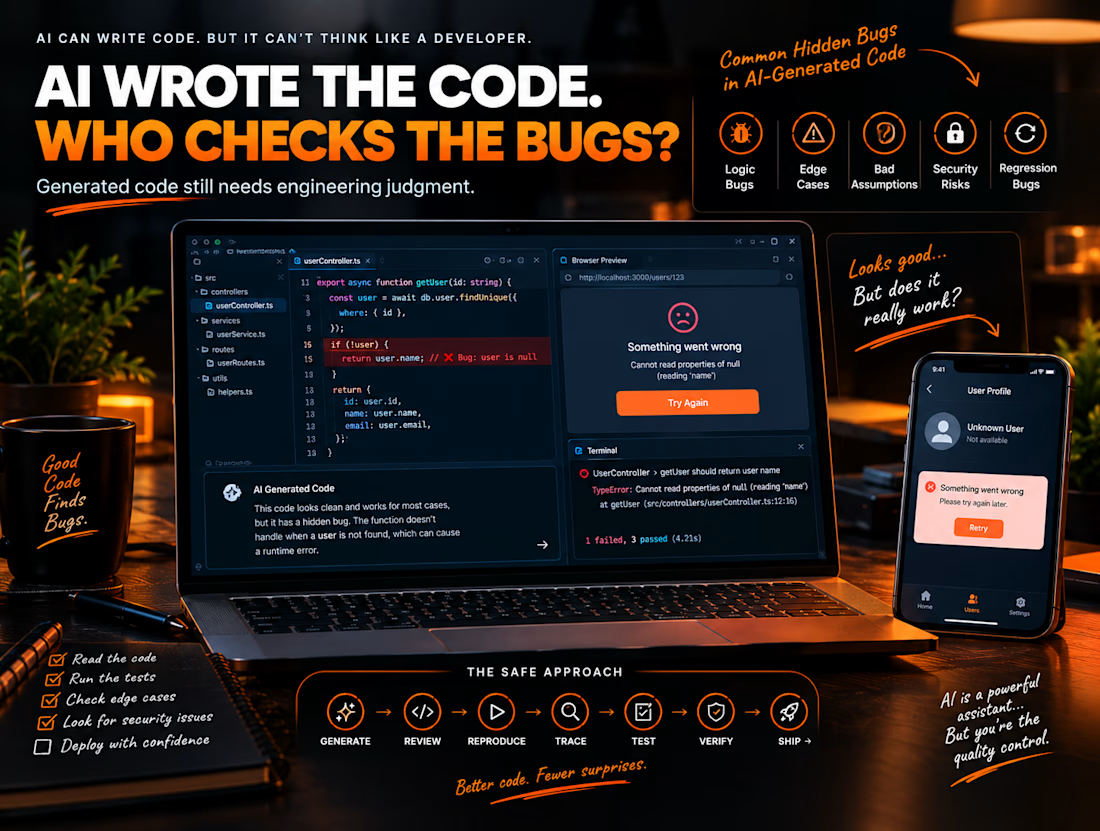

“It runs” vs “it’s correct” is the gap — AI-generated features need the same edge-case passes you’d do on junior dev output, just faster to produce.