The network for creativity
Join 1.25M professional creatives like you
Connect with clients, get discovered, and run your business 100% commission-free
Creatives on Contra have earned over $150M and we are just getting started
Back to feedPost

The legendary "one more bug" lie that's older than version control itself. Every developer knows that fixing "just one more bug" is like saying you'll have "just one potato chip." Fast forward 84 years and you're still knee-deep in spaghetti code, wondering where your youth went. The project manager is still optimistically putting "almost done" on the sprint report while the codebase has evolved into its own sentient entity with trust issues.

The network for creativity
Join 1.25M professional creatives like you
Connect with clients, get discovered, and run your business 100% commission-free
Creatives on Contra have earned over $150M and we are just getting started








Related posts

People are taking "ship fast" way too far.
You can build an app in an afternoon now. That's genuinely amazing. It still doesn't tell you who needs it or what problem it solves.
Eterna Clarity's founder, Jesse Gamble, could have launched Xyterna a month earlier. The core was there, but a lot around it wasn't, so he held it back, changed direction, and launched later.
Ship fast. Put something small in front of people and learn from it. Just don't confuse building something quickly with building something people want.


how long did you end up holding xyterna back before the relaunch?

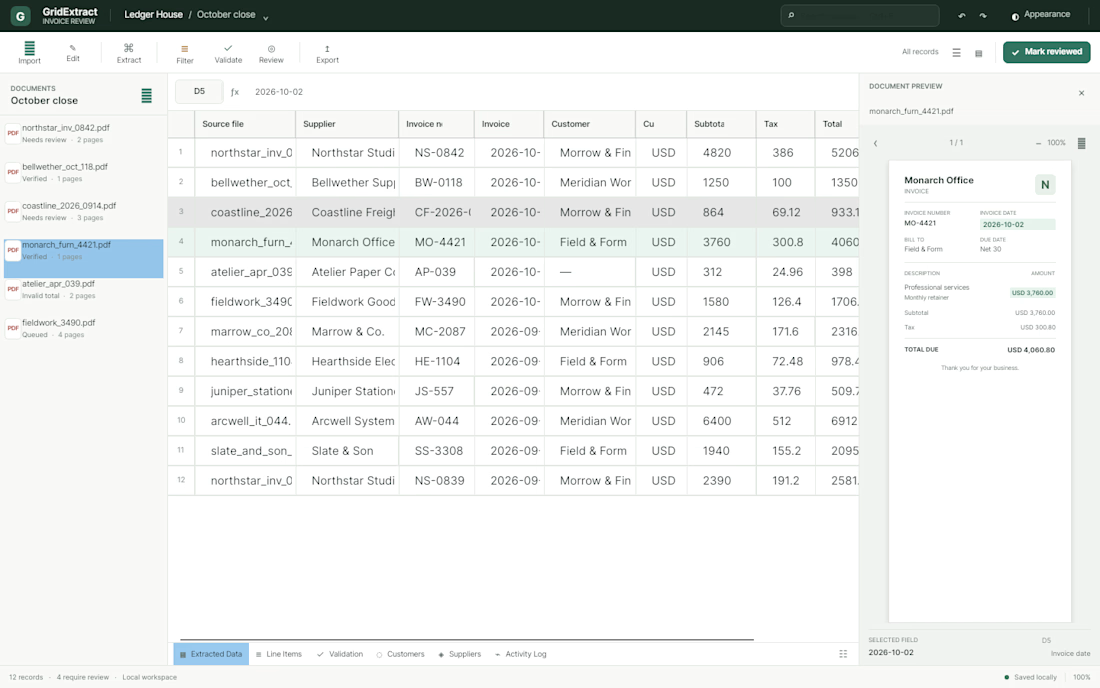
I'm currently building a PDF data extraction application for road freight and logistics companies.
I'm focusing on flexible field selection, local document processing, and handling different PDF layouts.




A green test suite doesn't always mean your code is correct.
One thing I've been thinking about while building AI-powered developer tools is how easily a test can pass without actually verifying the behavior that matters.
For example, a test might call a method and finish with assertTrue(true). Everything looks green, but the test hasn't proved that the expected behavior works.
AI coding assistants make writing code and tests faster. That makes it even more important to ask a few questions before merging:
Does the test verify the behavior the PR changes?
Are mocks hiding the behavior we're supposed to test?
Would the test catch a broken implementation?
Are we reviewing the wider impact, not just the changed lines?
These questions have influenced how I'm building CodeGuard AI, a self-hosted GitHub PR reviewer that analyzes code changes alongside repository context and supports custom team rules.
I'm curious about other developers' experiences:
What's the most misleading passing test you've encountered in a real project?
I'd love to hear how you caught it.