The network for creativity
Join 1.25M professional creatives like you
Connect with clients, get discovered, and run your business 100% commission-free
Creatives on Contra have earned over $150M and we are just getting started
Back to feedPost

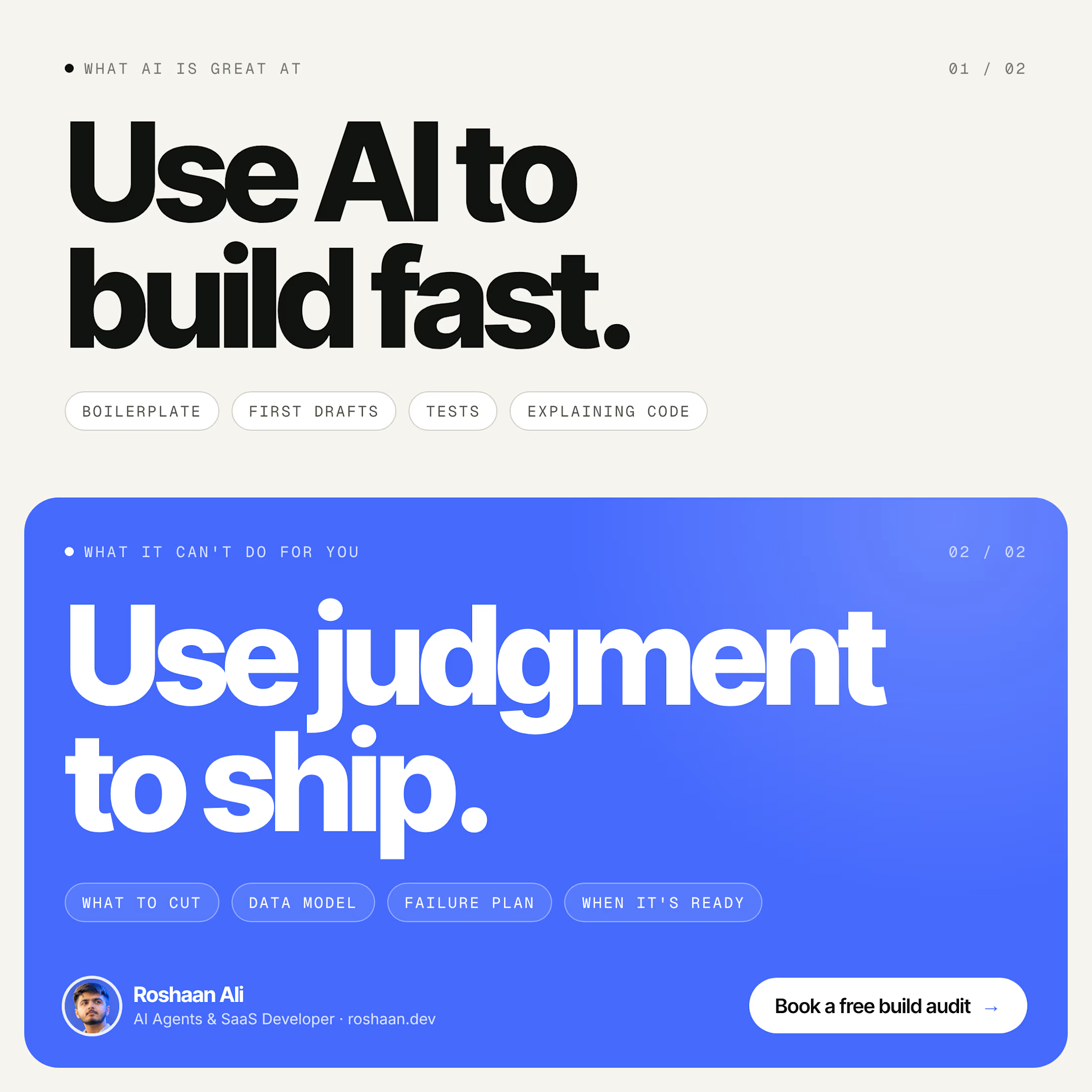
Use AI to Build Fast. Use Judgment to Ship.
I use AI every day. It writes boilerplate, drafts tests, explains unfamiliar code and gets me to a working first version faster than ever.
But AI doesn't know your business. It doesn't know which feature your users will actually pay for, which shortcut will hurt you once you have real traffic, or which edge case will take down checkout on a Friday night.
That part is still judgment:
→ What to build, and what to cut
→ How the data is structured, before real users fill it
→ What happens when something fails
→ Whether it's actually ready to ship today
AI made writing code cheap. It didn't make good decisions cheap. That's what you're really paying for when you hire a developer.
Built something with AI and not sure it's ready for real users? Book a free build audit: calendly.com/roshaanali-business
The network for creativity
Join 1.25M professional creatives like you
Connect with clients, get discovered, and run your business 100% commission-free
Creatives on Contra have earned over $150M and we are just getting started



Related posts

Worth a read if you're building AI support for e-commerce.
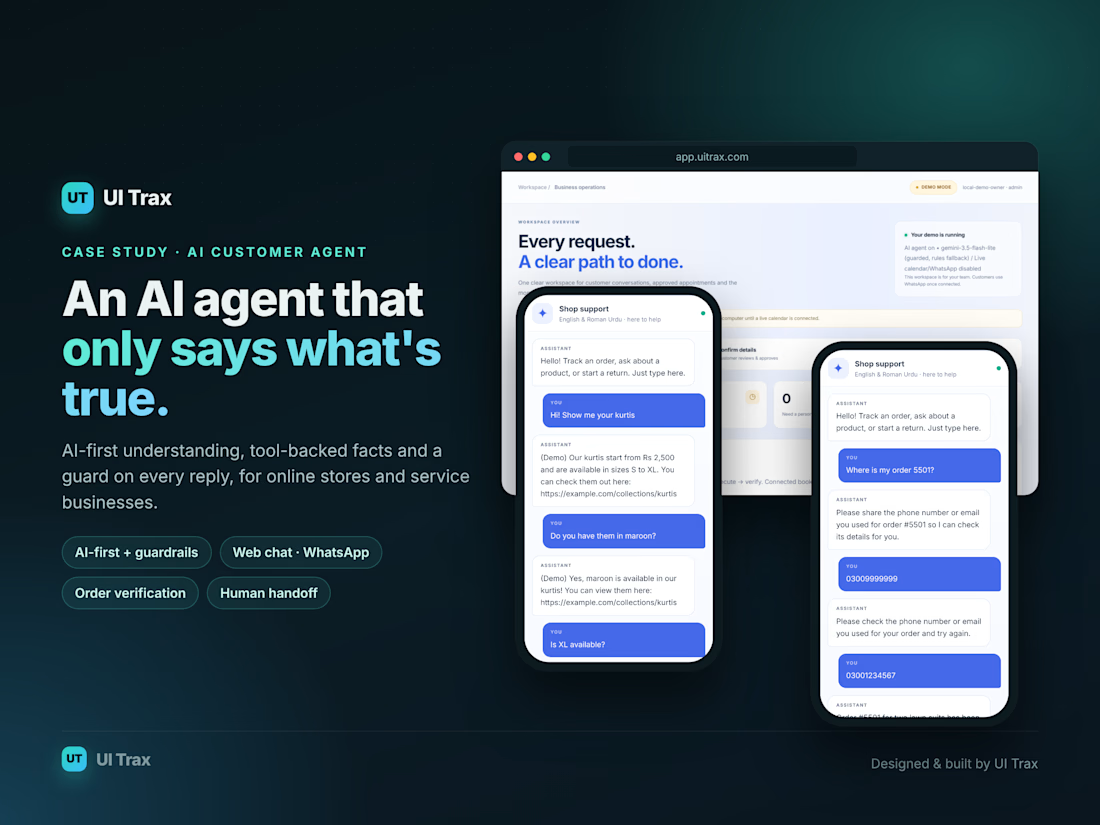
UI Trax gets the hard parts right: answers grounded in real store data, order lookups only after verification, a guard on every reply, and a clean handoff to humans with an AI summary.
Reliable AI agents come from architecture, not just prompts. This case study shows it.
#AIAgents #Ecommerce #CustomerSupport #AI
Check it out

The verification step before an order lookup caught my attention. For patient intake, I would similarly verify identity before retrieving records and limit the handoff summary to what staff need. I would also flag uncertainty rather than presenting an unverified summary as fact.

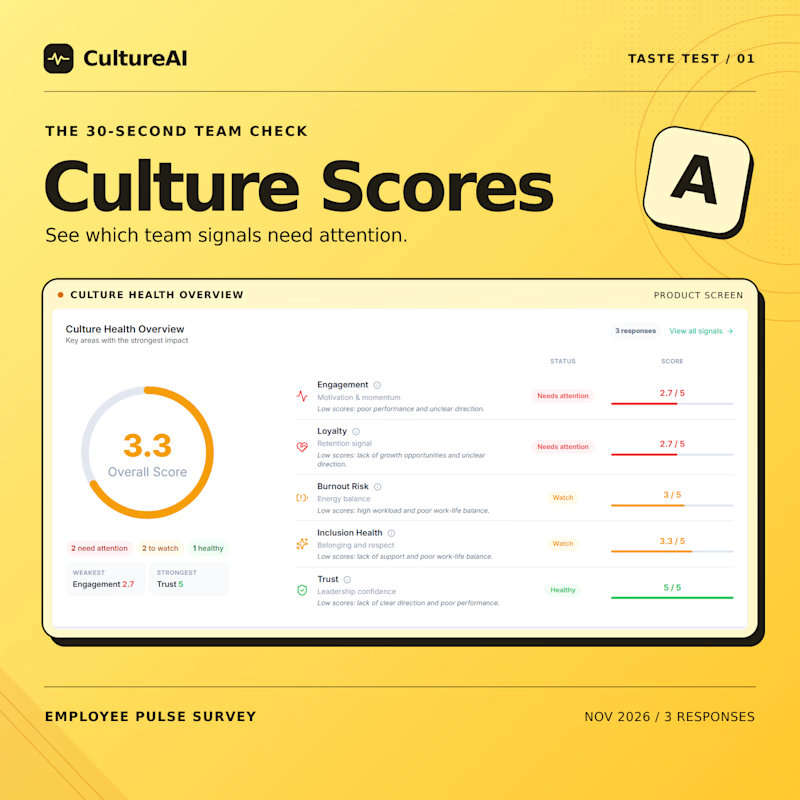
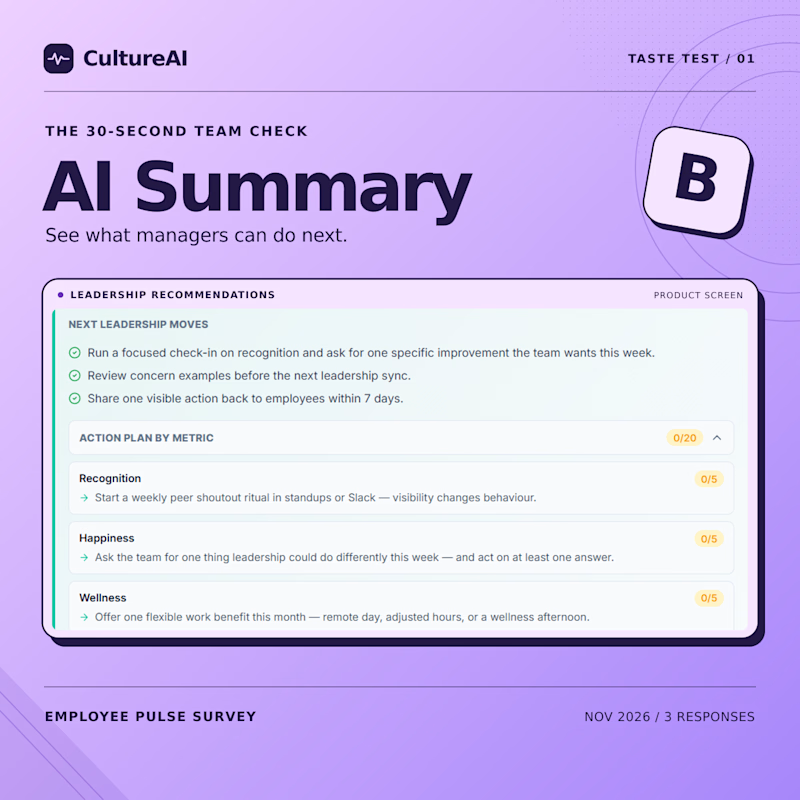
I built both views into CultureAI. If you had 30 seconds before a team meeting, would you check the culture scores 📊 or the AI summary ✨ first?
🌐 Try both views in CultureAI.
2 voted
100%
0 voted
0%
2 votes
Closed

Nice to see both views together.

Okay, I actually built and shipped the MASO website with Claude Code. Still can’t believe how far you can take an idea with a good design and a little AI.
What do you think?


Starting from a finished design probably did a lot of the heavy lifting, since Claude Code is much better at matching a clear spec than guessing one. What took the most back and forth to get right?