The network for creativity
Join 1.25M professional creatives like you
Connect with clients, get discovered, and run your business 100% commission-free
Creatives on Contra have earned over $150M and we are just getting started
Back to feedPost

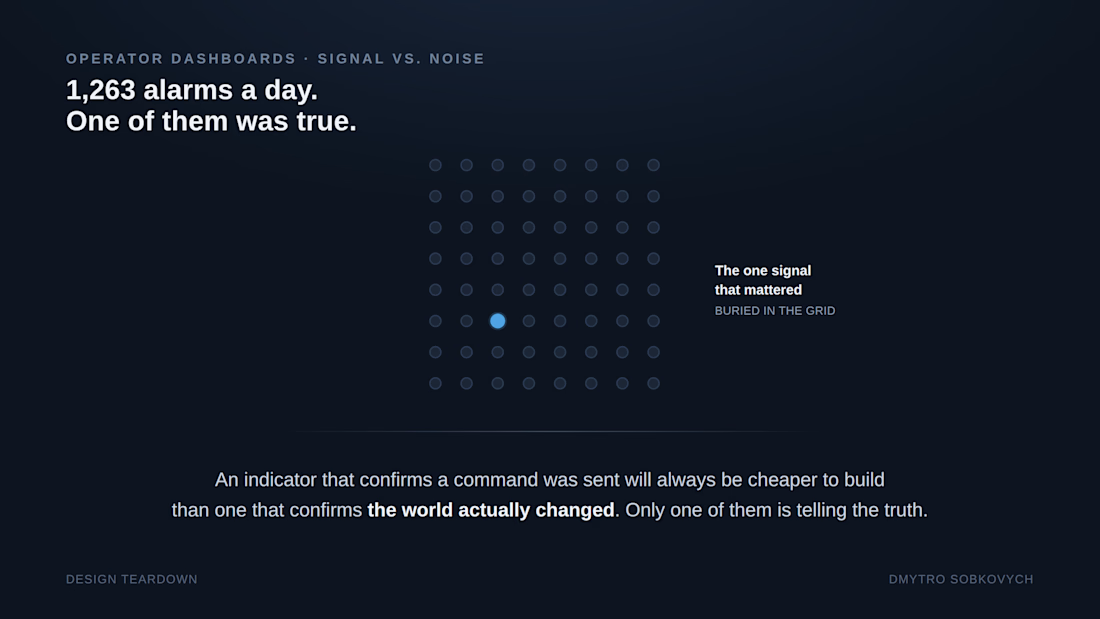
The Three Mile Island control room didn't fail because the operators had too little information. It failed because they had too much of it, and one of the readings was actively lying to them.
The valve that caused the meltdown had a single indicator light. It didn't show whether the valve was open or closed — it showed whether a close signal had been sent. The signal was sent. The valve stayed open anyway, a mechanical fault. For over two hours, coolant drained out of the reactor while the panel told the operators everything was fine, and they had no reason to doubt it, because the room was already flooded with what the Kemeny Commission later called a cacophony of undifferentiated alarms — dozens of them, all with the same visual weight, all demanding the same attention.
The same failure mode shows up in hospitals every day. A UCSF study tracked five ICUs for a month and counted 2.5 million alarms — well over a thousand per patient per day — and somewhere between 80 and 99 percent of them were clinically meaningless. Nobody gets better at triage under that load. They get numb to all of it, including the one signal that actually mattered.
The instinct is to treat density as the villain: simplify, hide things, make the dashboard "clean." But some of the densest interfaces ever built — a trading terminal, an air traffic control scope, a NOC wall — work fine for people trained to read them. Density was never the problem.
Two things are: an interface that can't tell the operator what to look at first, and a signal that reports what the system meant to do instead of what actually happened.
An indicator that confirms a command was sent will always be cheaper to build than one that confirms the world actually changed. Only one of them is telling the truth.
The network for creativity
Join 1.25M professional creatives like you
Connect with clients, get discovered, and run your business 100% commission-free
Creatives on Contra have earned over $150M and we are just getting started






Related posts

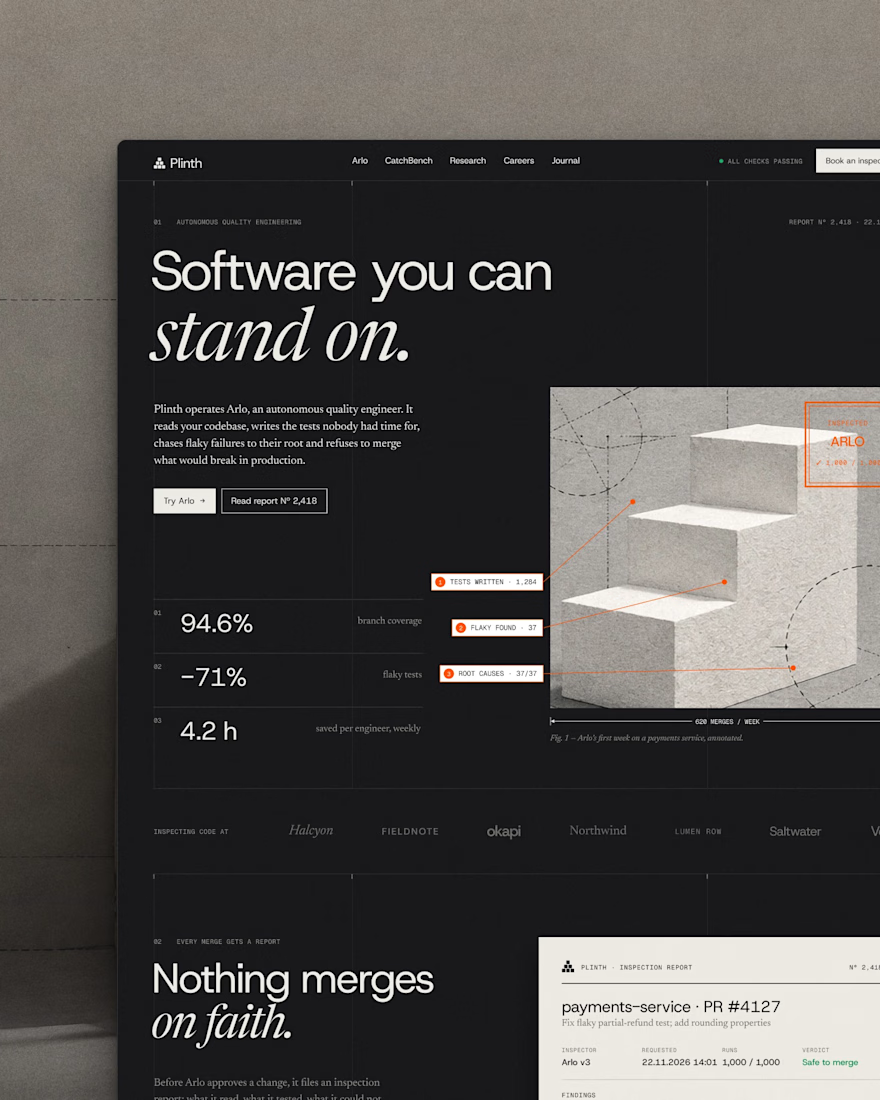
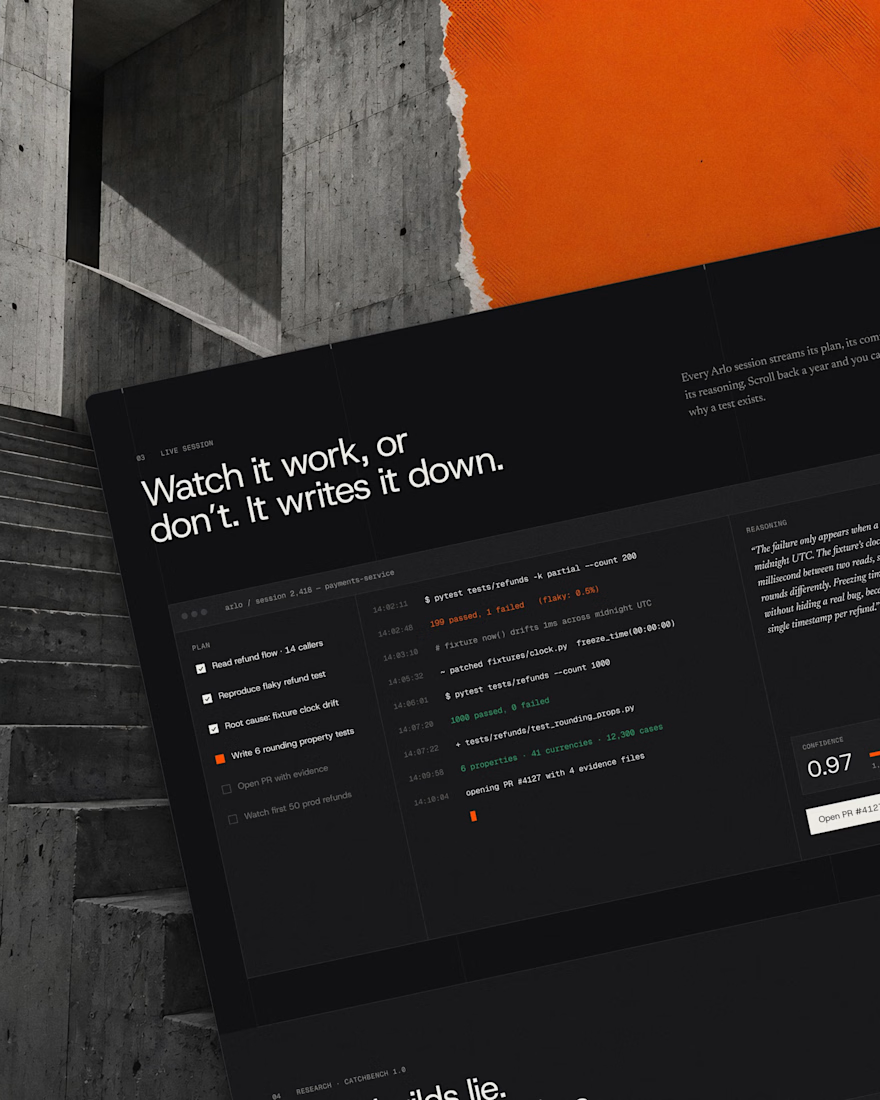
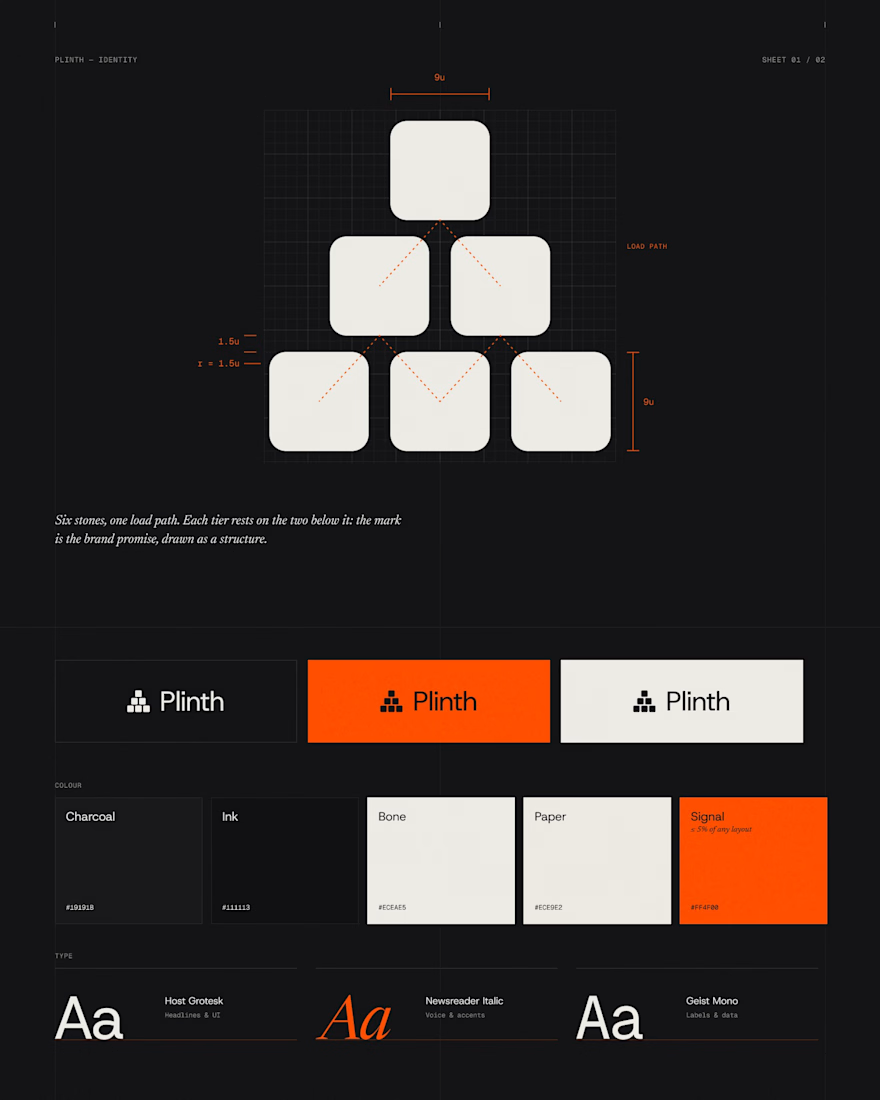
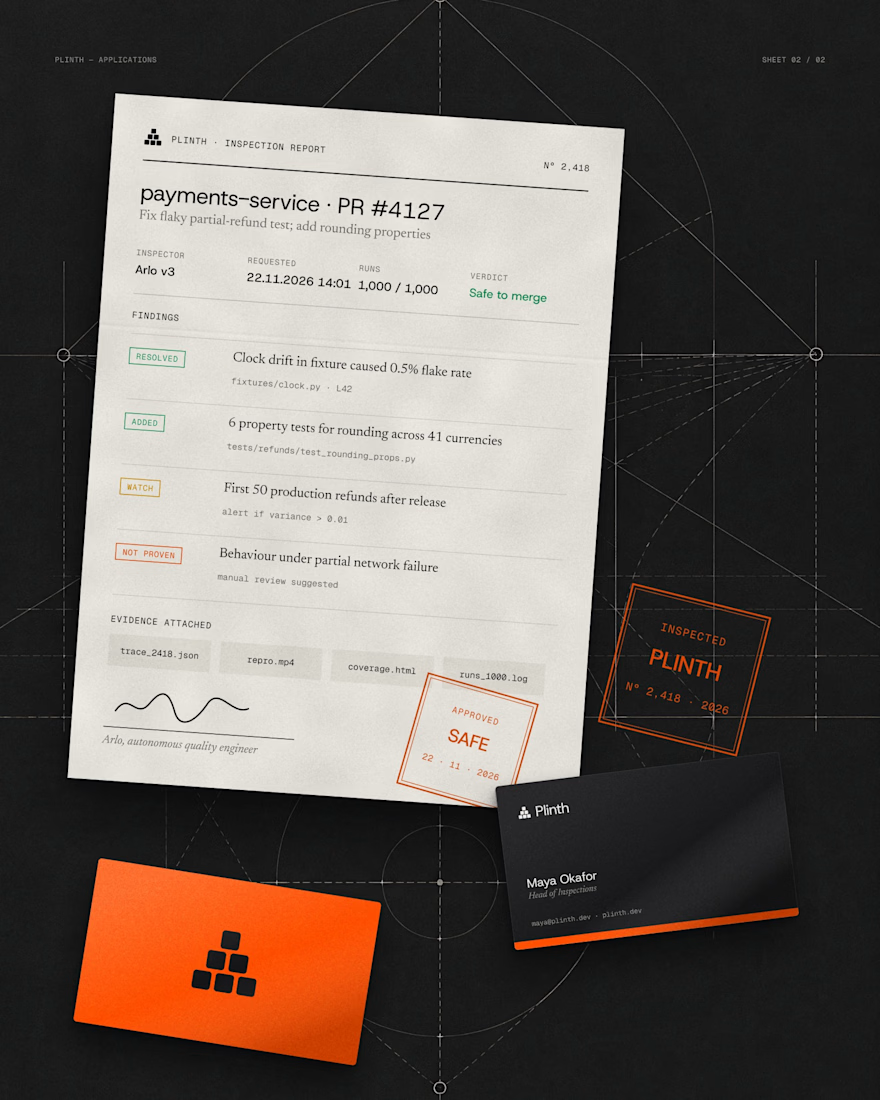
Designed a little brand and landing page for an AI testing company, called Plinth.
Their agent writes the tests nobody had time for, chases flaky failures to the root, and files an inspection report before anything gets merged. Nothing merges on faith.
Design by designgud.co

Great work 👏🏻
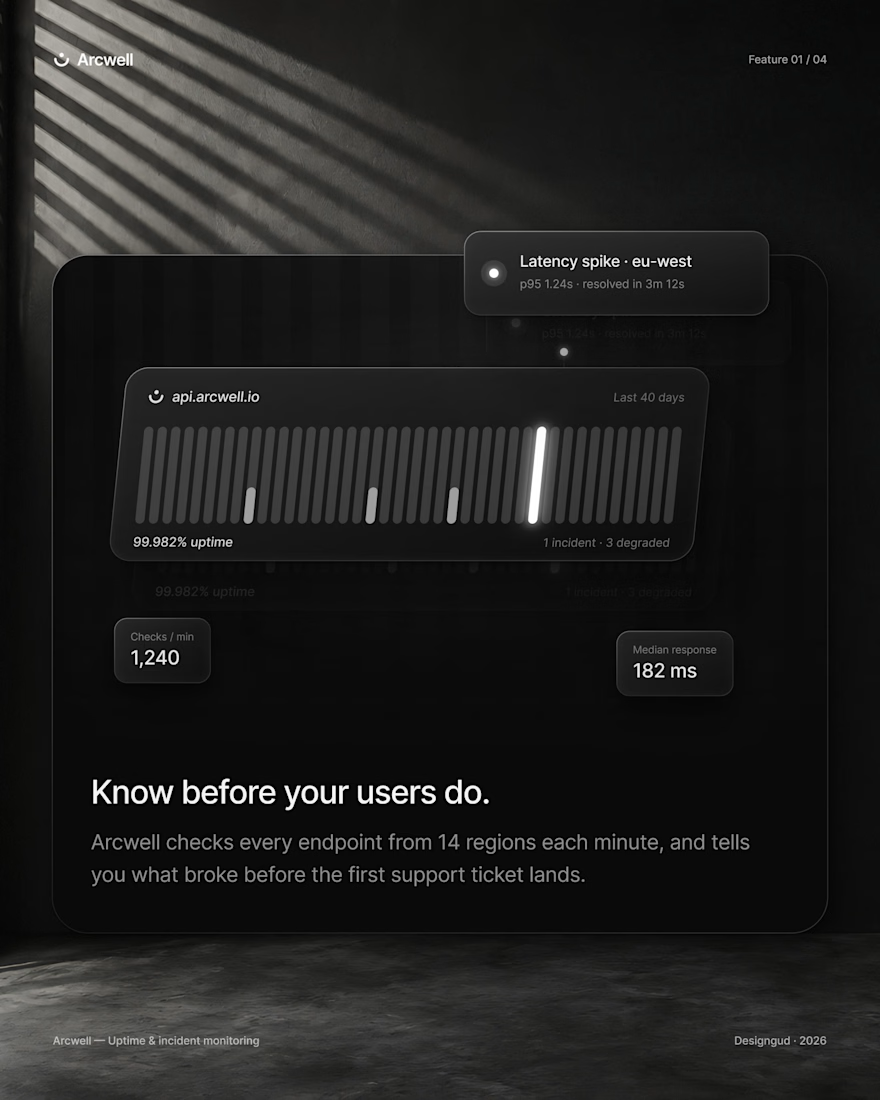
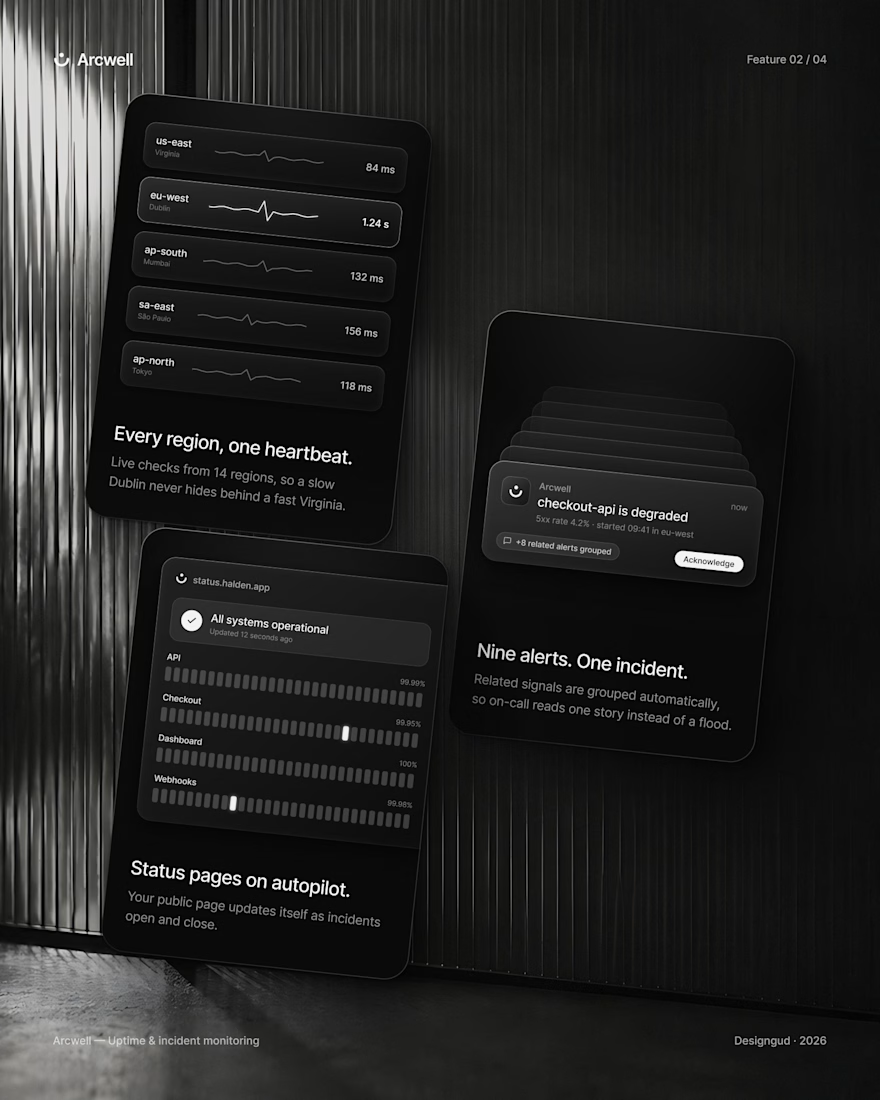
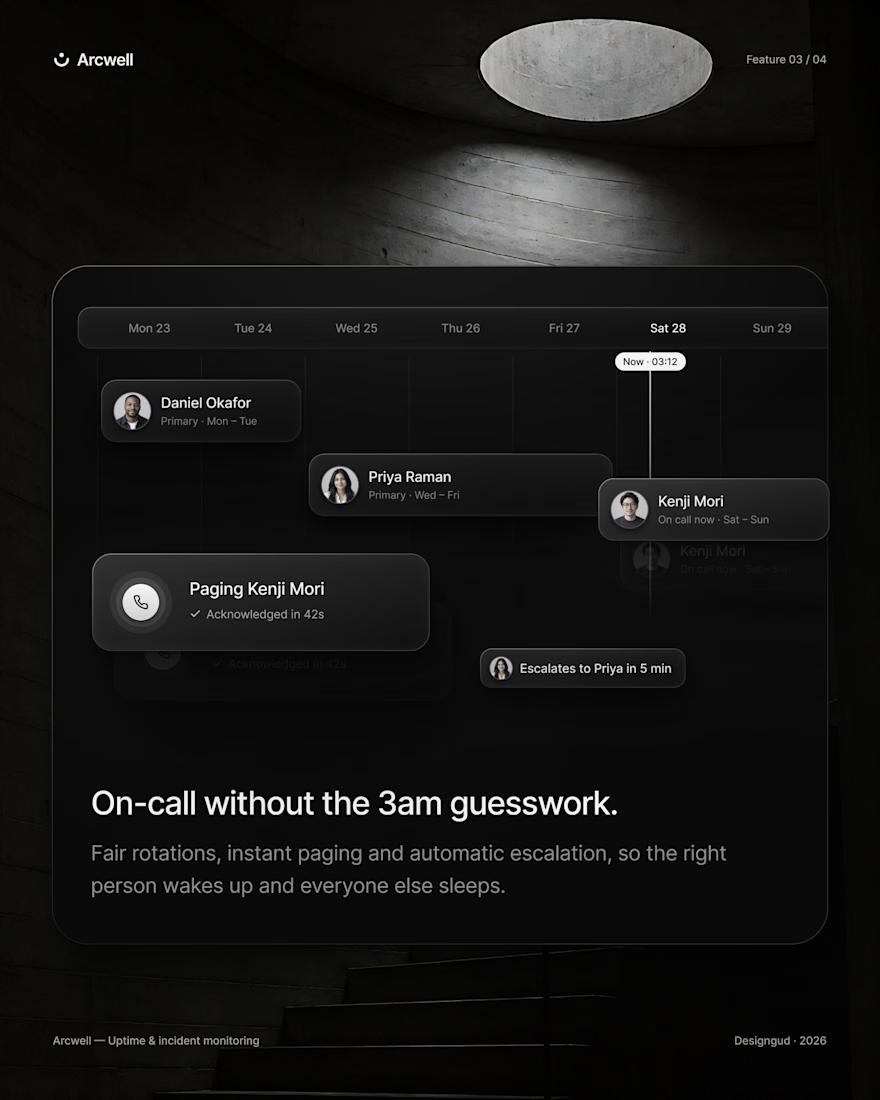
Good monitoring should feel boring. In a good way.
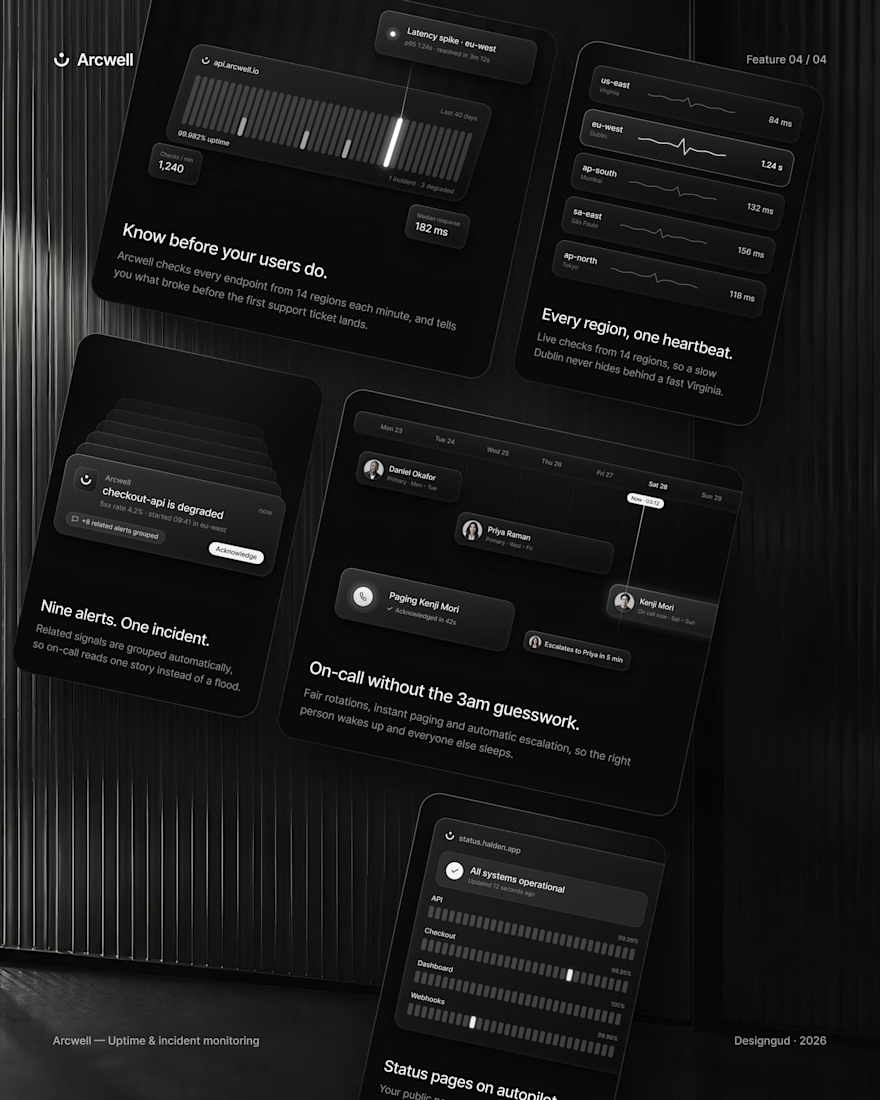
So here are 4 little features from Arcwell: one heartbeat for every region, nine alerts grouped into one incident, status pages that update themselves, and on-call without the 3am guesswork.
Design by designgud.co

"Great rigor." "The operating systems behind resilient organizations."
None of it means anything, to people or to AI.
Compare: "We help security teams find threats faster." It's plain, and it's obvious what they do. Then the page shows how they do it.
AI has to understand a company to recommend it. Vague copy gets skipped.


Agree on the plain sentence. I'd add that the "then the page shows how" half needs to be text too: if the proof only lives in screenshots or a product video, I'd assume a model reading the page gets the claim and none of the evidence. A few lines of real copy next to each visual is cheap insurance.