The network for creativity
Join 1.25M professional creatives like you
Connect with clients, get discovered, and run your business 100% commission-free
Creatives on Contra have earned over $150M and we are just getting started
Back to feedPost

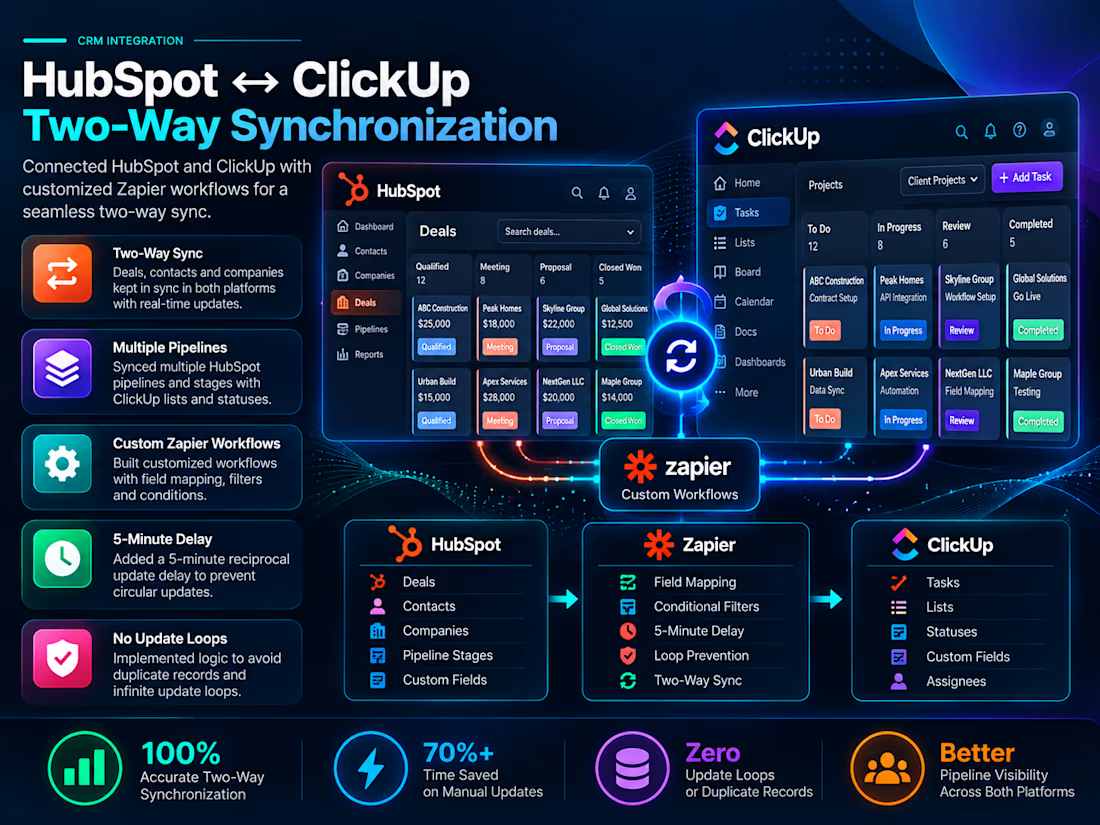
HubSpot & ClickUp Two-Way Synchronization
A business needed HubSpot and ClickUp to stay synchronized across multiple pipelines, stages, deals, contacts, companies, lists, and tasks.
The main challenge was preventing circular updates. A change in HubSpot could update ClickUp, which could then trigger HubSpot again and create an endless loop.
I built customized Zapier workflows with conditional filters, dynamic field mapping, and a controlled 5-minute delay before reciprocal updates.
The solution included:
• Two-way synchronization between HubSpot and ClickUp
• Multiple pipeline and stage mapping
• Deal, contact, and company synchronization
• ClickUp list and task updates
• Conditional filters and custom mapping logic
• 5-minute loop-prevention delay
• Scalable workflow structure for future pipelines
Result: The final system delivered reliable two-way synchronization, eliminated update loops, maintained cleaner data across both platforms, and created a scalable structure for additional workflows.


The network for creativity
Join 1.25M professional creatives like you
Connect with clients, get discovered, and run your business 100% commission-free
Creatives on Contra have earned over $150M and we are just getting started











Related posts

CA Firm Automation Suite — Complete. 5 Stages. 9 Days.
Started with a problem. Finished with a system.
✅ Stage 1 — Client onboarding: form to folder in seconds
✅ Stage 2 — FBR & SECP alerts: 7, 3, 1 day warnings, every client
✅ Stage 3 — Invoice follow-ups: 3 escalating reminders, auto-stop on payment
✅ Stage 4 — Tax data collection: automated document requests with checklist
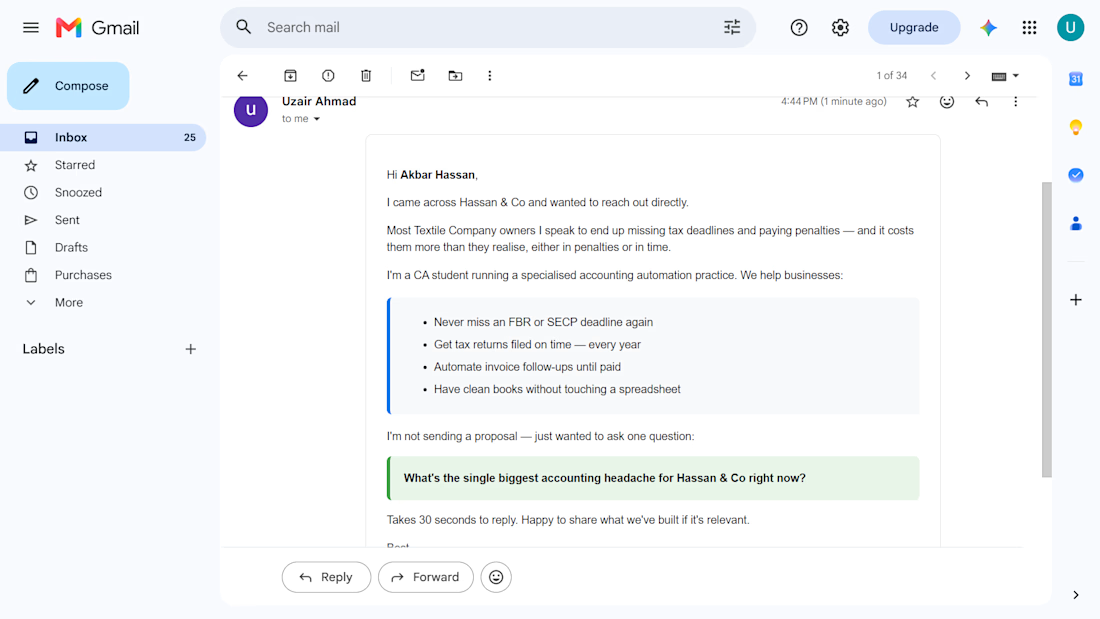
✅ Stage 5 — New client outreach: personalised emails based on pain point
Built by a 20-year-old CA student who knows this industry from the inside.
Zero per-month cost. Runs free on n8n + Railway.
Looking for the first CA firm to implement this. If that’s you — let’s talk.


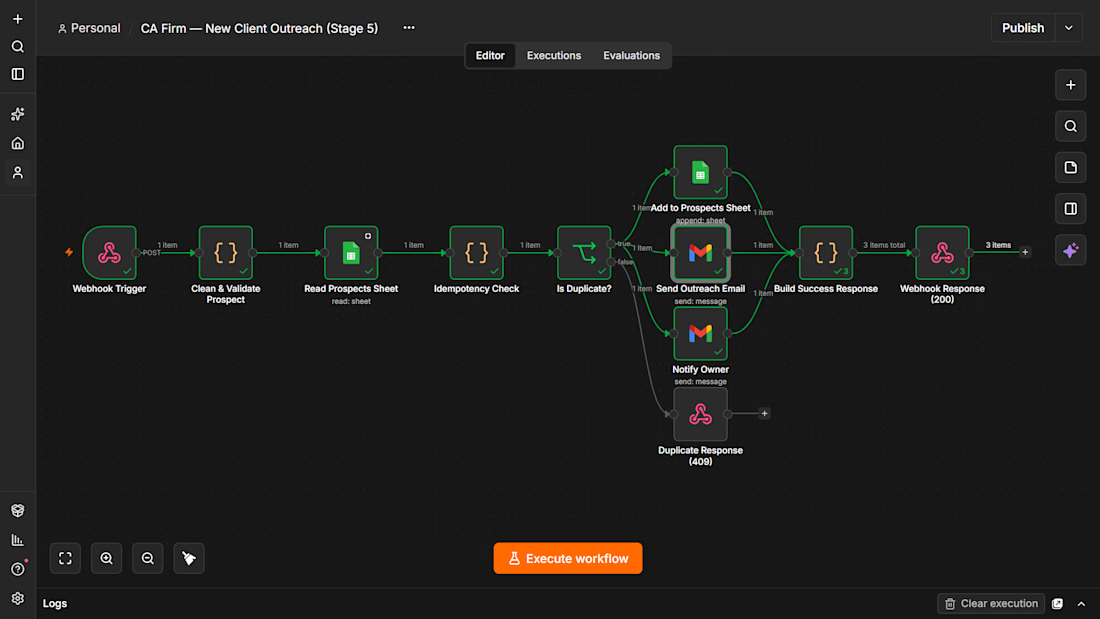
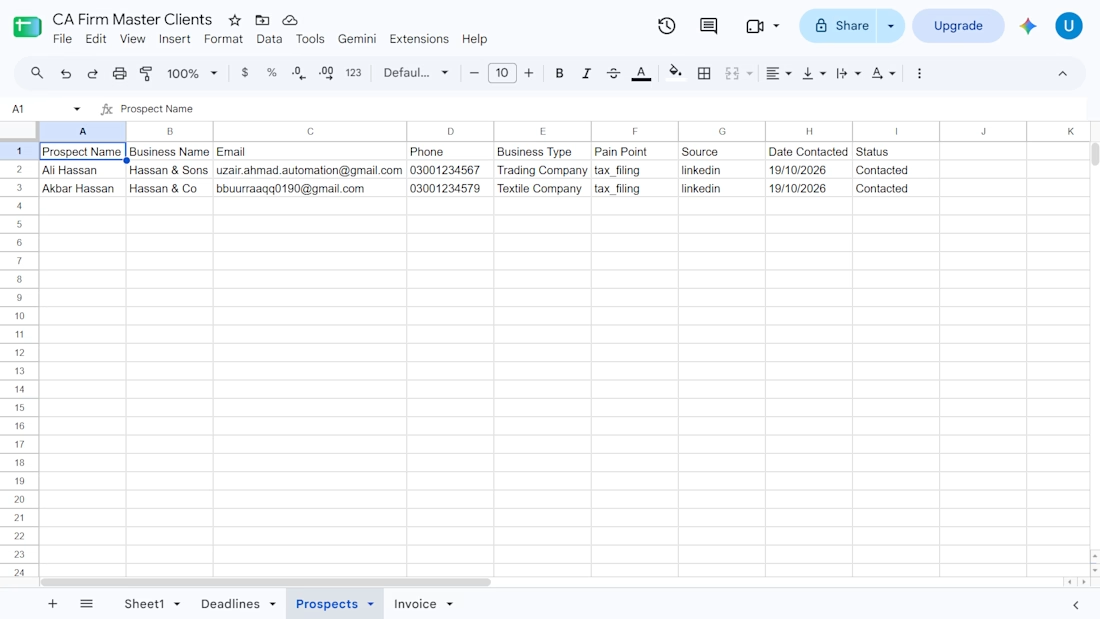
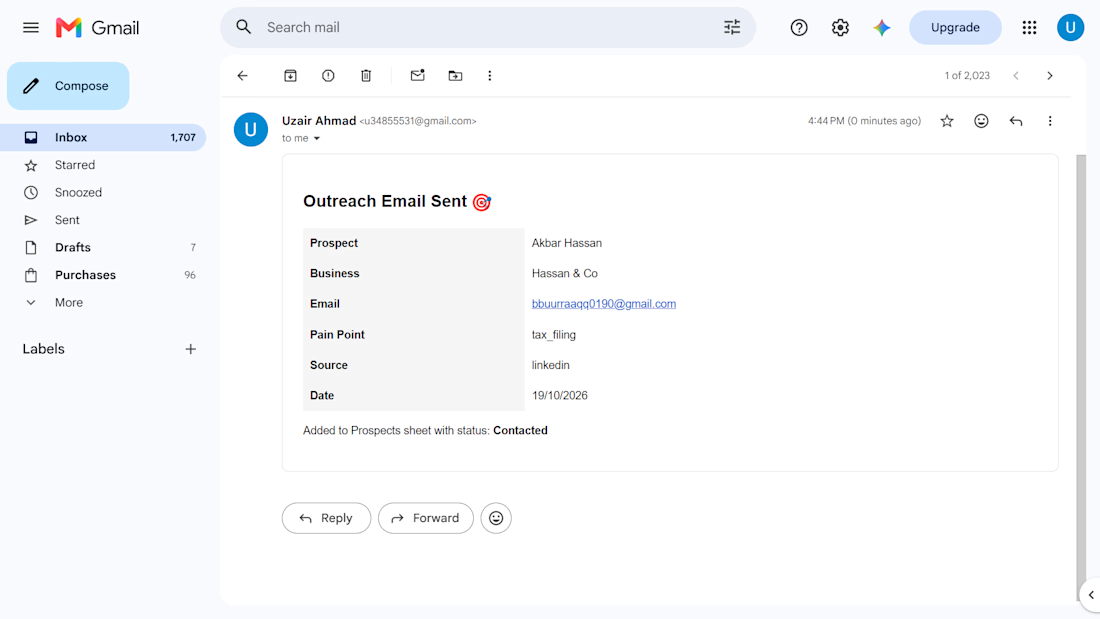

For the tax document checklist, I'd match uploads to both the client and tax period before marking an item complete. How do you handle a client uploading last year's statement or a replacement after the checklist has already cleared?

Project Management Dashboard – A powerful and intuitive interface designed to enhance team collaboration, productivity, and workflow efficiency.


Some workflows slow you down. Others make everything flow.
NeuraFlow is an AI workflow automation web UI concept designed to make complex processes feel simple, connected, and effortless. From the landing page to the product dashboard, every element works together to present a smarter way to automate tasks, connect tools, and manage workflows.
Because great UI design doesn’t just look good. It makes complex things feel simple.
View Full Project Below
https://contra.com/p/oFZ3cZkL-neuro-flow-web-ui?referralExperimentNid=DEFAULT_REFERRAL_PROGRAM&referrerUsername=muhammad_salman_7fzoa5bs
#WebUIDesign #UIUXDesign #SaaSDesign #WebDesign #AIDesign #DashboardDesign #ProductDesign #DigitalDesign




Great UI design makes complex things feel simple is the perfect thesis for an automation product. The serene hero image is a bold choice for AI workflow software, and it actually works, calm visuals for calm workflows.


