The network for creativity
Join 1.25M professional creatives like you
Connect with clients, get discovered, and run your business 100% commission-free
Creatives on Contra have earned over $150M and we are just getting started
Back to feedPost

AI - powered insurance Agent
Problem: Prior auth was manual—staff reviewed patient docs to predict approvals, making the process slow and resource-heavy.
Solution: Built a HIPAA-compliant AI auth system: extract clinical data (OCR + clinical NLP), form a structured EHR-like record, evaluate insurer rules, and generate approval suggestions; added voice input workflows via STT/TTS plus secure storage and audit logging.
Metrics: Reduced turnaround time and improved SLA adherence (similar projects reached ~98%). Result: Automated major parts of auth decisioning while staying compliant and auditable.
Skills:
AI Speech-to-Text
AI Agent Development
AI Builder
AI Audio Generation
AI Security


The network for creativity
Join 1.25M professional creatives like you
Connect with clients, get discovered, and run your business 100% commission-free
Creatives on Contra have earned over $150M and we are just getting started
Related posts

Two directions for Mira, an AI astrologer you talk to by voice.
Only one made it past the client. Which one would you ship, and why?
12 voted
75%
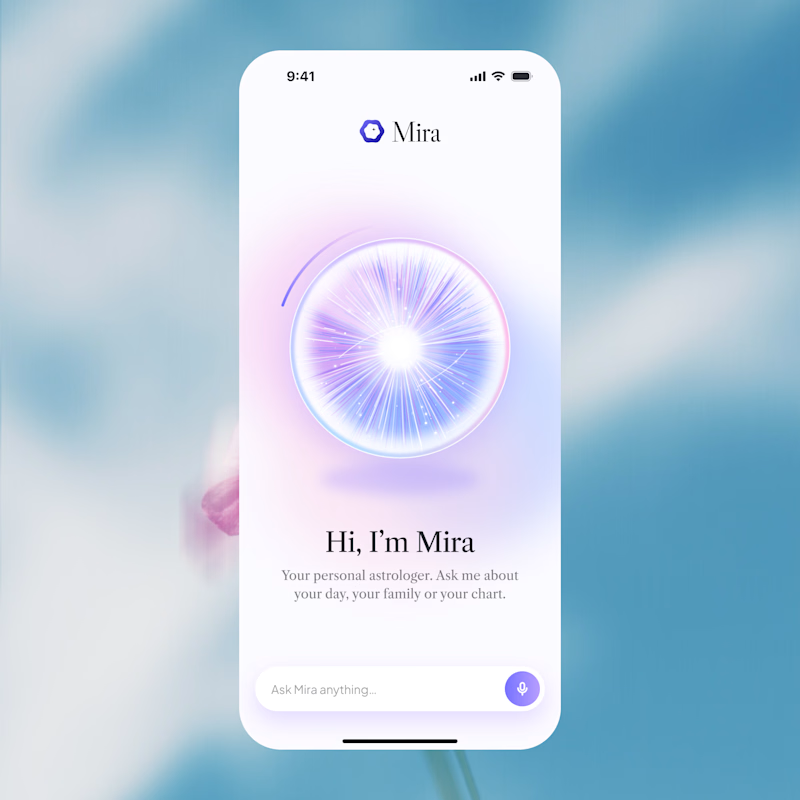
4 voted
25%
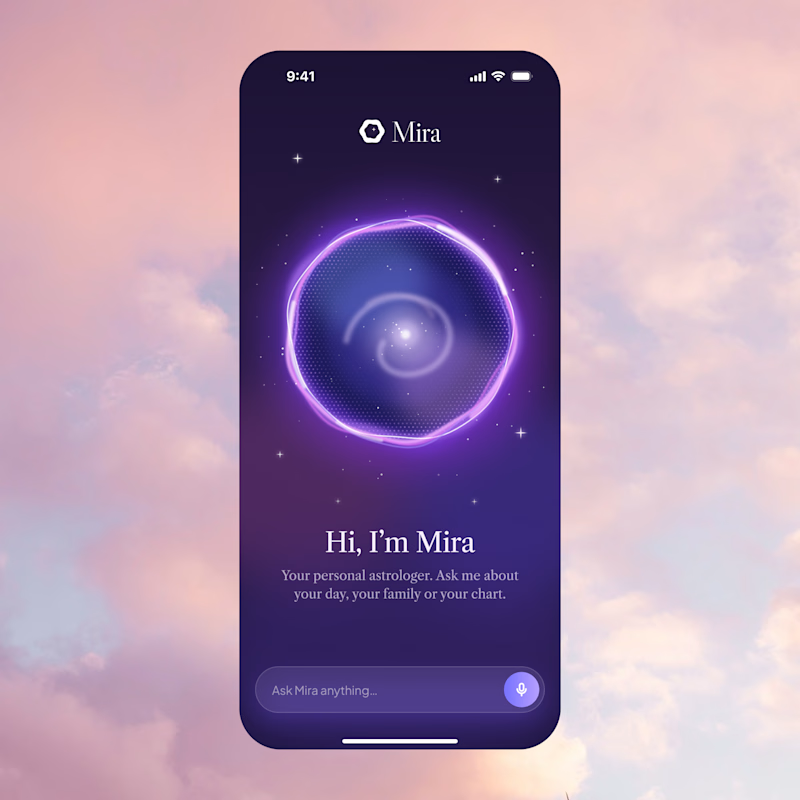
16 votes
Closed

A is better if you can make a dark version of it thats incredible

Which one you guys prefer.
A or B
I used recraft.ai today, and I have to say it’s the best AI tool for cohesive, pleasing designs. From just a prompt, I got such clear visuals. I was amazed! Check this out- this is my creation for a collection I’m working on.
3 voted
38%

5 voted
62%

8 votes
Closed


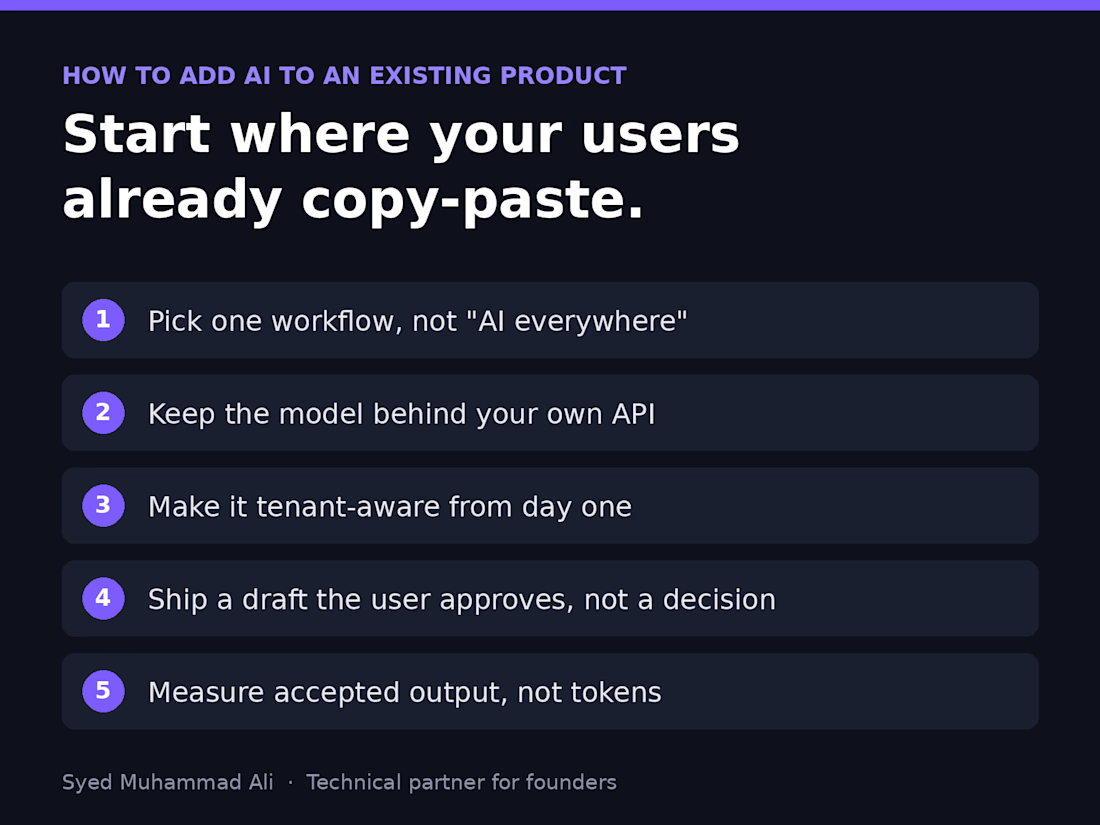
Before you add AI to your product, find the screen where your users already copy and paste.
That's usually where the real AI feature lives. Not a chatbot in the corner, but a step people already do by hand: summarising a ticket, drafting a reply, tagging an upload, pulling fields out of a PDF.
Here's the order I follow when a founder asks me to add AI to an existing SaaS:
1. Pick one workflow, not "AI everywhere." Watch where users leave your app to paste something into ChatGPT and come back. That round trip is your feature.
2. Keep the model behind your own API. One service owns prompts, retries, logging and cost limits, so you can switch providers without touching the frontend.
3. Make it tenant-aware from day one. Each customer's data, prompts and usage stay scoped to their account, or the first enterprise security review will stop you.
4. Ship a draft, not a decision. Let the AI suggest and the user approve. You earn trust and get real feedback before you automate anything.
5. Measure accepted output, not tokens. If users rewrite most of what it produces, the prompt or the context is wrong, and that's your real roadmap.
Most AI features that flop didn't fail because of the model. They were bolted onto the wrong step.
What's the one task your users still copy into ChatGPT?

Watching where users paste into ChatGPT and come back is such a practical way to find the real feature. Most teams start with the chatbot instead.