The network for creativity
Join 1.25M professional creatives like you
Connect with clients, get discovered, and run your business 100% commission-free
Creatives on Contra have earned over $150M and we are just getting started
Back to feedPost

The Foundation of Accurate Accounting
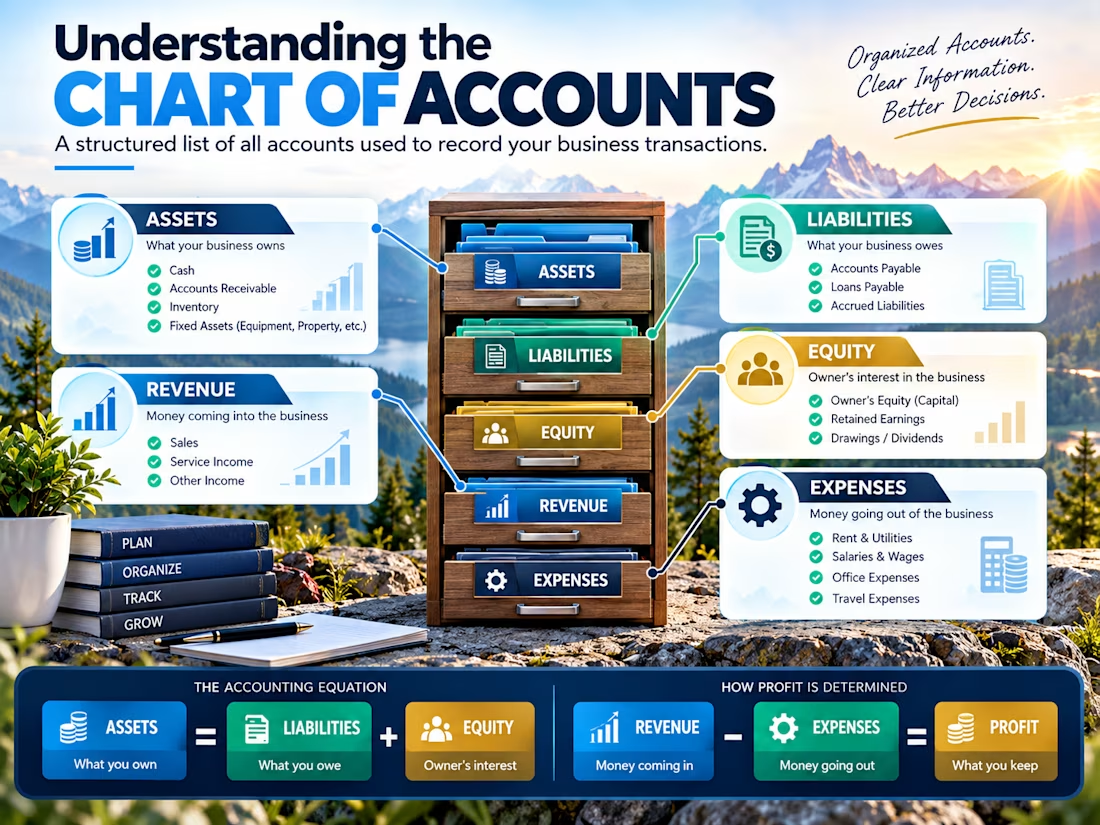
A well-structured Chart of Accounts is more than a list of account names—it is the framework behind your financial reporting.
It helps organize your business transactions into the right categories and ensures your Profit & Loss, Balance Sheet, and financial reports tell an accurate story.
The five key account categories are:
🔹 Assets — What your business owns
🔹 Liabilities — What your business owes
🔹 Equity — The owner's interest in the business
🔹 Revenue — Money coming into the business
🔹 Expenses — Money going out of the business
When your Chart of Accounts is properly designed and maintained, you get cleaner books, more reliable reports, and better financial decisions.
Clean Books. Clear Numbers. Better Decisions.
#Accounting #Bookkeeping #ChartOfAccounts #QuickBooks #Xero #USAccounting #FinancialReporting #SmallBusiness #CharteredAccountant #AccountingTips


The network for creativity
Join 1.25M professional creatives like you
Connect with clients, get discovered, and run your business 100% commission-free
Creatives on Contra have earned over $150M and we are just getting started





Related posts


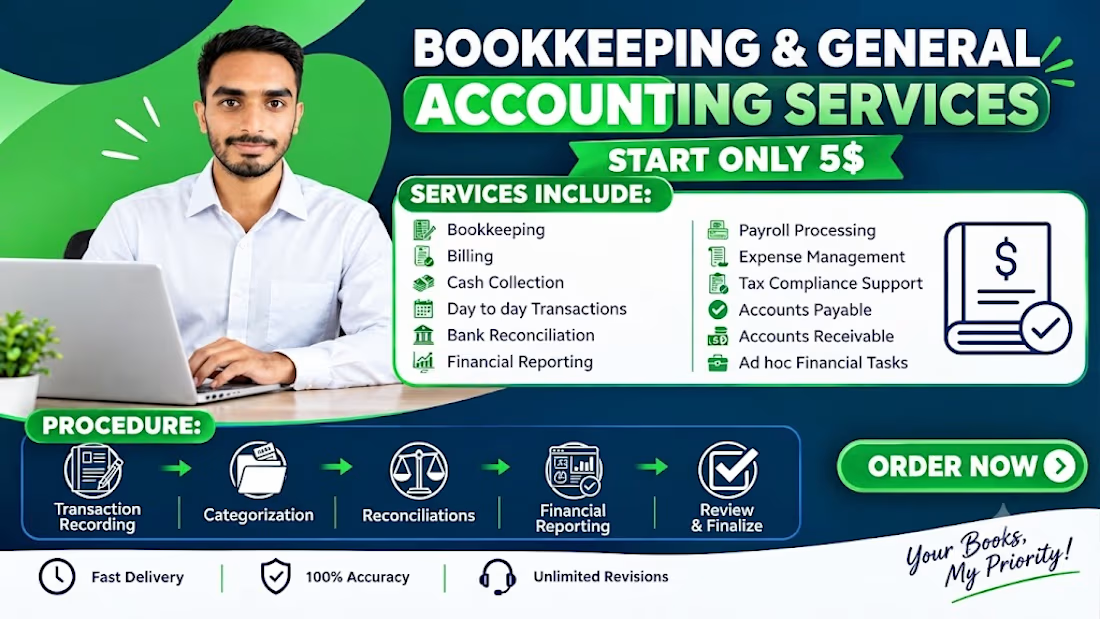
I will do professional bookkeeping and general accounting services for your business

Best of Luck👍
Episode 2: Your Numbers Should Make a Sense!
Your sales are growing, but are you actually making more money?
Sales up 40%. Profit down 7%. 😬
Same business, six months later:
Sales: 100K → 140K a month
Profit: 15K → 14K a month
Profit margin: 15% → 10%
More revenue doesn't mean more money. Three things quietly eat the difference:
1️⃣ Margins shrink. Discounts, supplier price rises and delivery costs.
2️⃣ Overheads outgrow sales. Hires, rent and software.
3️⃣ Cash gets stuck. Unpaid invoices and unsold stock.
Track these 3 numbers every month:
✅ Gross margin %
✅ Net profit margin %
✅ Profit vs cash in the bank
Growth without margin is just a busier business.

I’m starting a new series: “Make Your Numbers Make Sense.”
As an accountant, I’ve noticed that many business owners don’t actually need more numbers — they need to understand the numbers they already have.
Revenue. Profit. Cash flow. VAT. Xero. P&L.
These can look complicated, but they don't have to be.
So I’m starting a daily series where I’ll take one accounting/business number at a time and explain what it actually means for a business owner — simply and practically.
Episode 1 coming next:
“Your business made £100,000. So why isn't £100,000 in your bank account?”
If you're a founder, freelancer, or small-business owner, follow along.
Let’s make your numbers make sense.


Excited for this series.😍